1.Absurdity as Philosophy
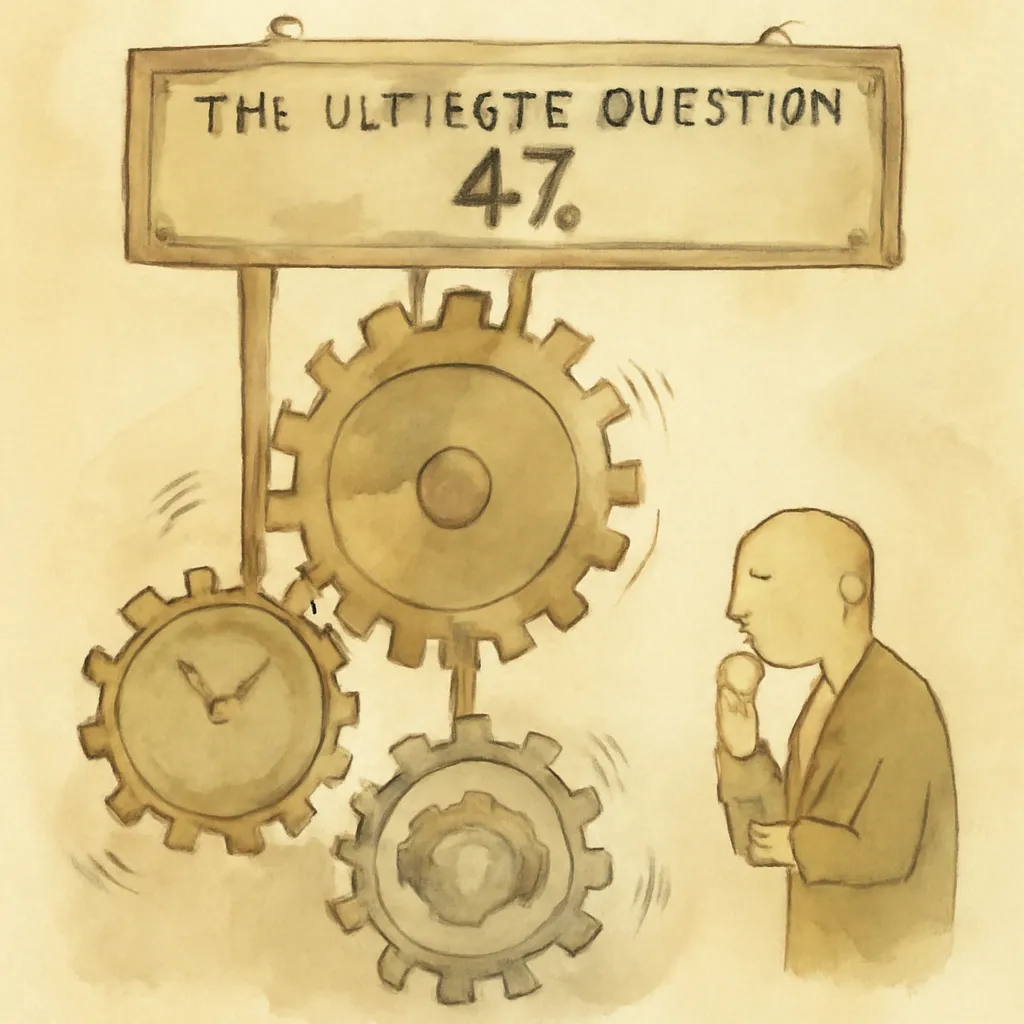
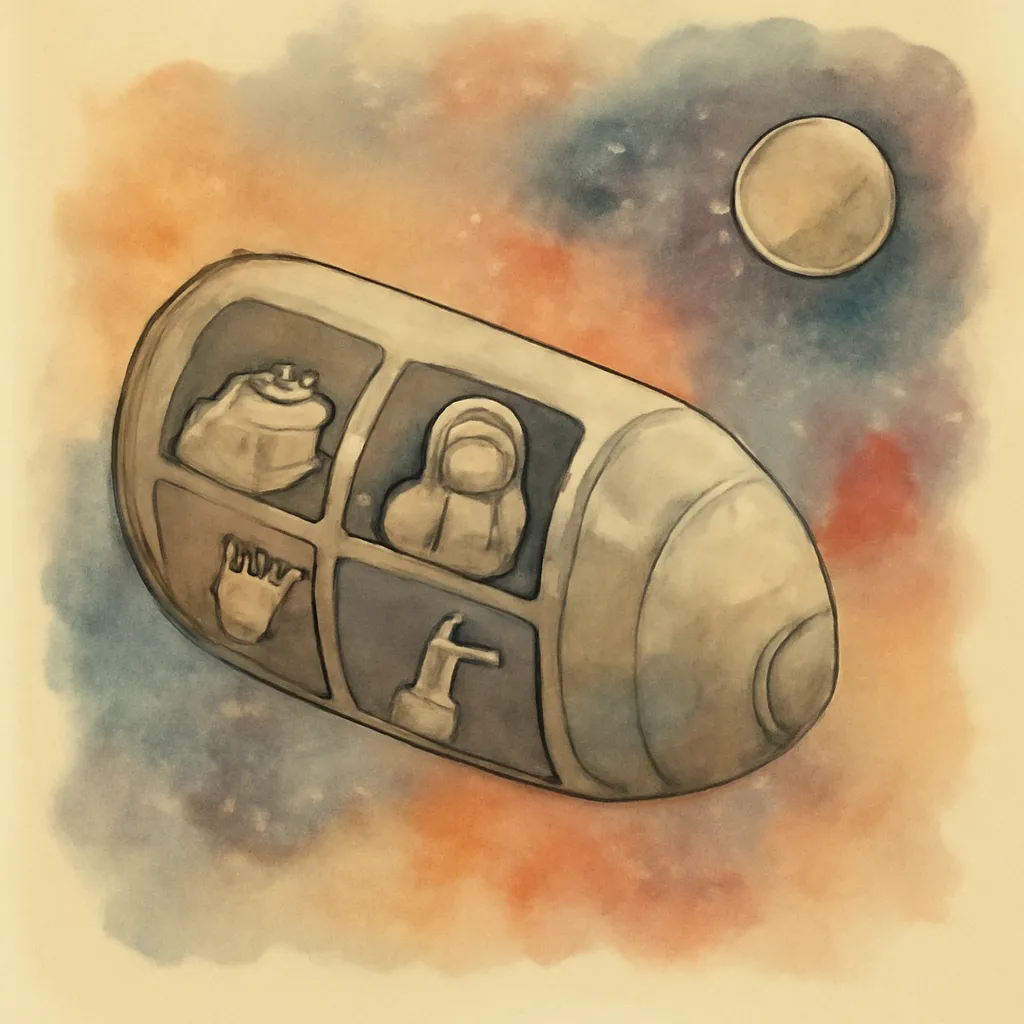
The novel uses absurd humor to explore deep philosophical questions. From the destruction of Earth for an intergalactic bypass to the infamous answer '42' to the ultimate question of life, Adams satirizes the human quest for meaning in a universe that seems indifferent or outright nonsensical. The book suggests that searching for purpose might be less important than enjoying the ride, poking fun at our need for order in a fundamentally chaotic cosmos.
2.Satire of Bureaucracy and Technology
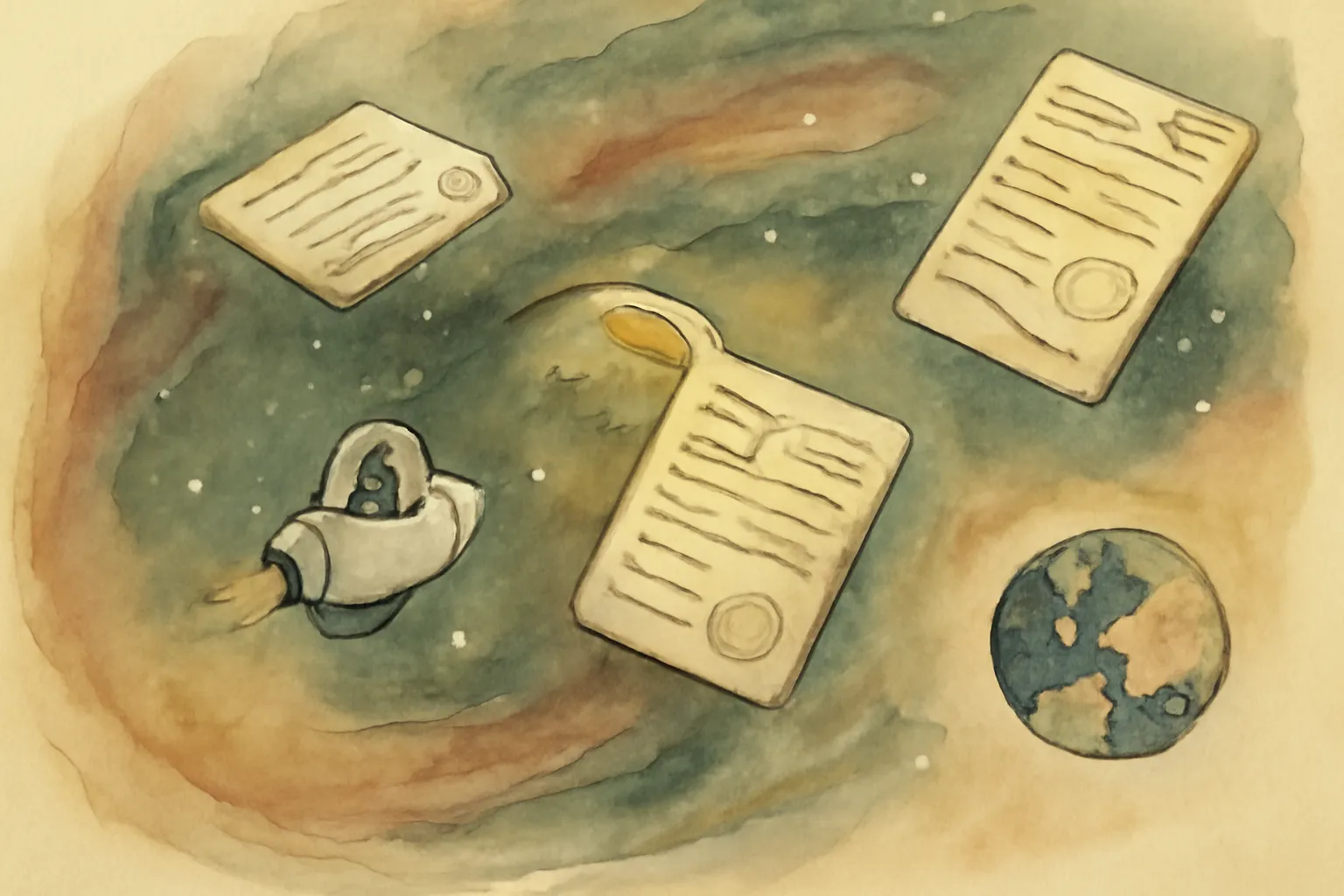
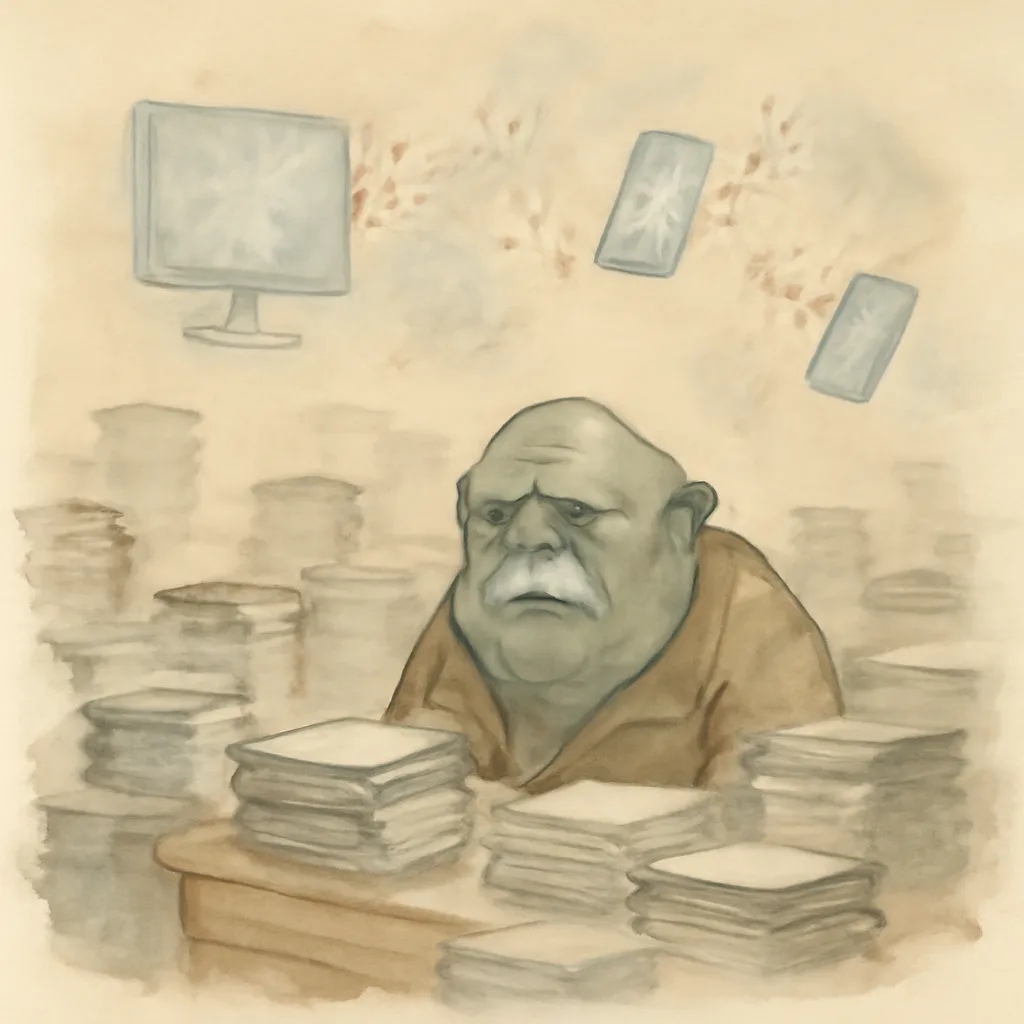
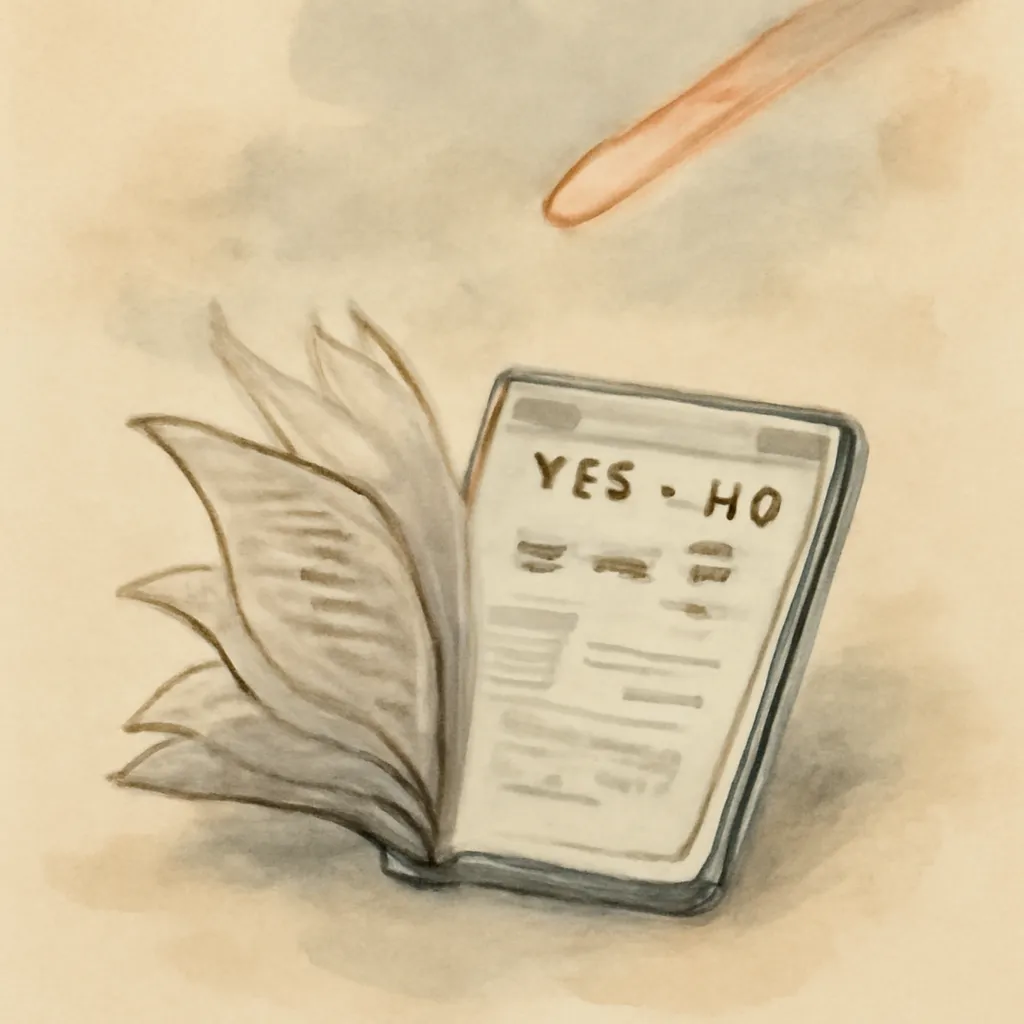
Adams lampoons bureaucracy and the pitfalls of technological progress through both human and alien institutions. The Vogons, whose love of paperwork leads to Earth's demolition, and the Guide itself—a digital encyclopedia prone to errors and irreverence—highlight how systems designed to help often become obstacles. The book critiques blind faith in authority and the limits of technological solutions to existential problems.
3.The Everyman in the Universe
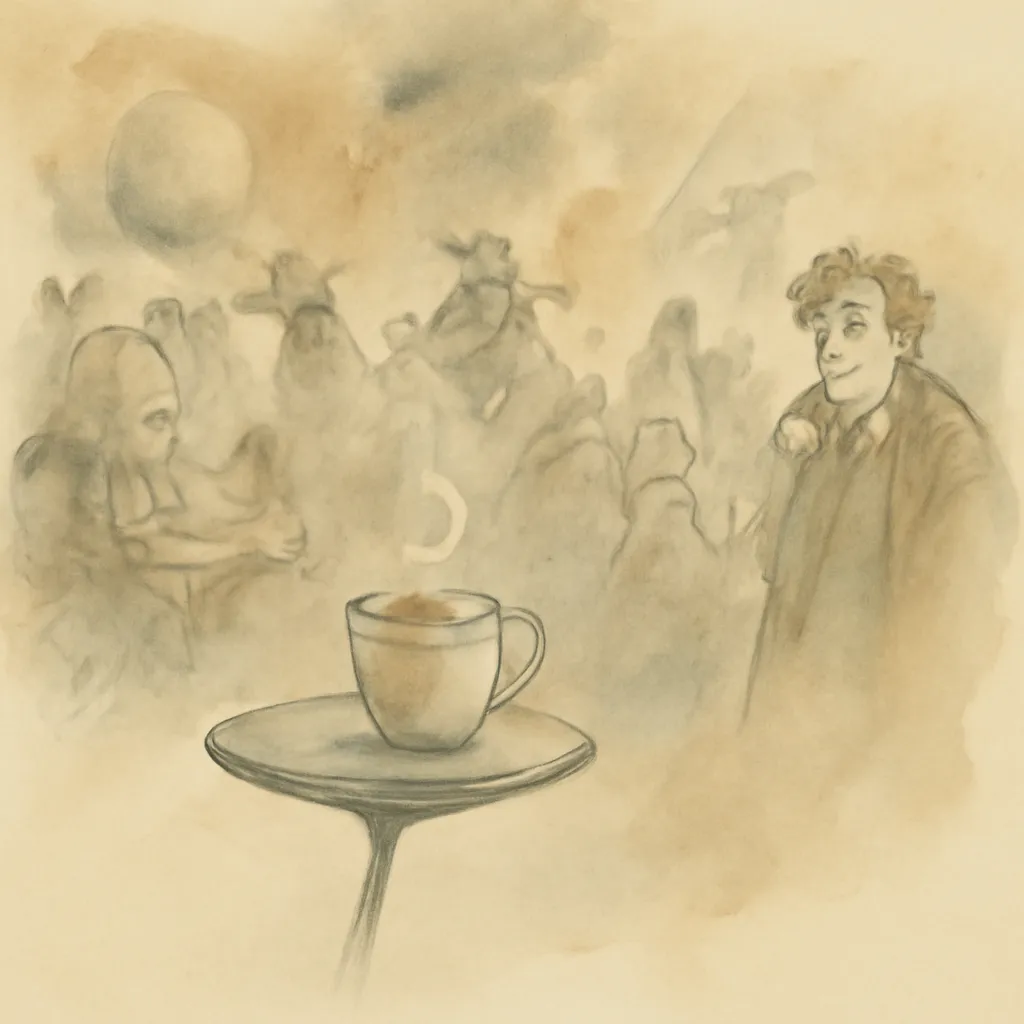
Arthur Dent, an unremarkable Englishman, is thrust into intergalactic chaos, serving as the reader’s stand-in. His bewilderment and persistent search for a cup of tea ground the story’s cosmic scale in relatable, mundane concerns. Through Arthur, Adams examines how ordinary people cope with overwhelming change and the unknown, suggesting resilience and humor as survival tools.
4.Friendship and Alienation
Despite its cosmic scope, the novel is anchored by the relationships among its mismatched crew: Arthur, Ford, Zaphod, Trillian, and Marvin. Their interactions—ranging from camaraderie to exasperation—reflect the importance of connection in an otherwise impersonal universe. Yet, Adams also explores alienation, especially through Marvin the Paranoid Android, who embodies existential ennui and the loneliness of sentience.
5.The Unreliability of Knowledge
The titular Guide, a supposedly authoritative source, is often unreliable, incomplete, or outright misleading. This running gag underscores the limits of human (and alien) knowledge and the folly of expecting tidy answers. Adams suggests that certainty is an illusion and that adaptability and skepticism are more valuable than dogma.
6.The Subversion of Science Fiction Tropes
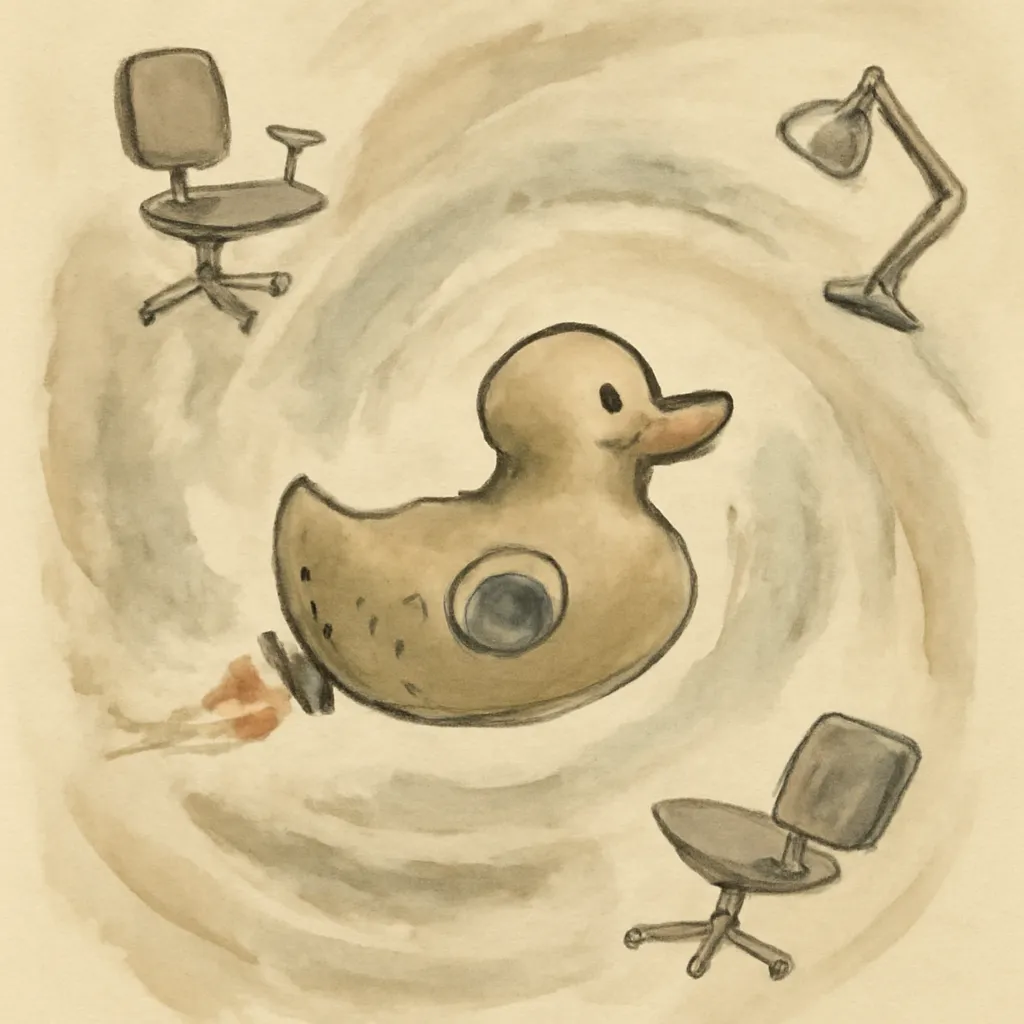
Adams gleefully twists classic science fiction conventions, replacing heroic quests with farce and epic destinies with bureaucratic mishaps. Spaceships run on improbability, the fate of worlds hinges on paperwork, and the universe’s secrets are undercut by anticlimax. This subversion invites readers to question genre expectations and find humor in the unexpected.