1.The Reluctant Hero
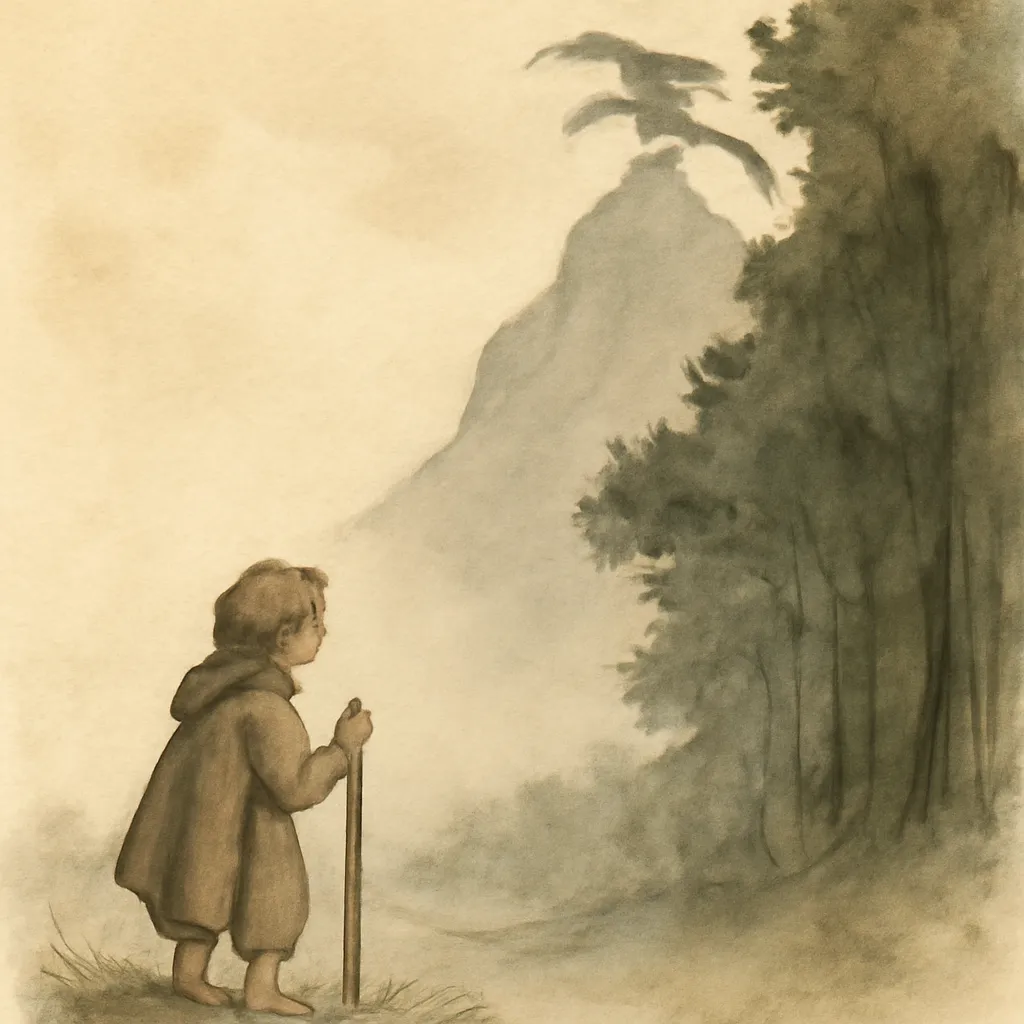
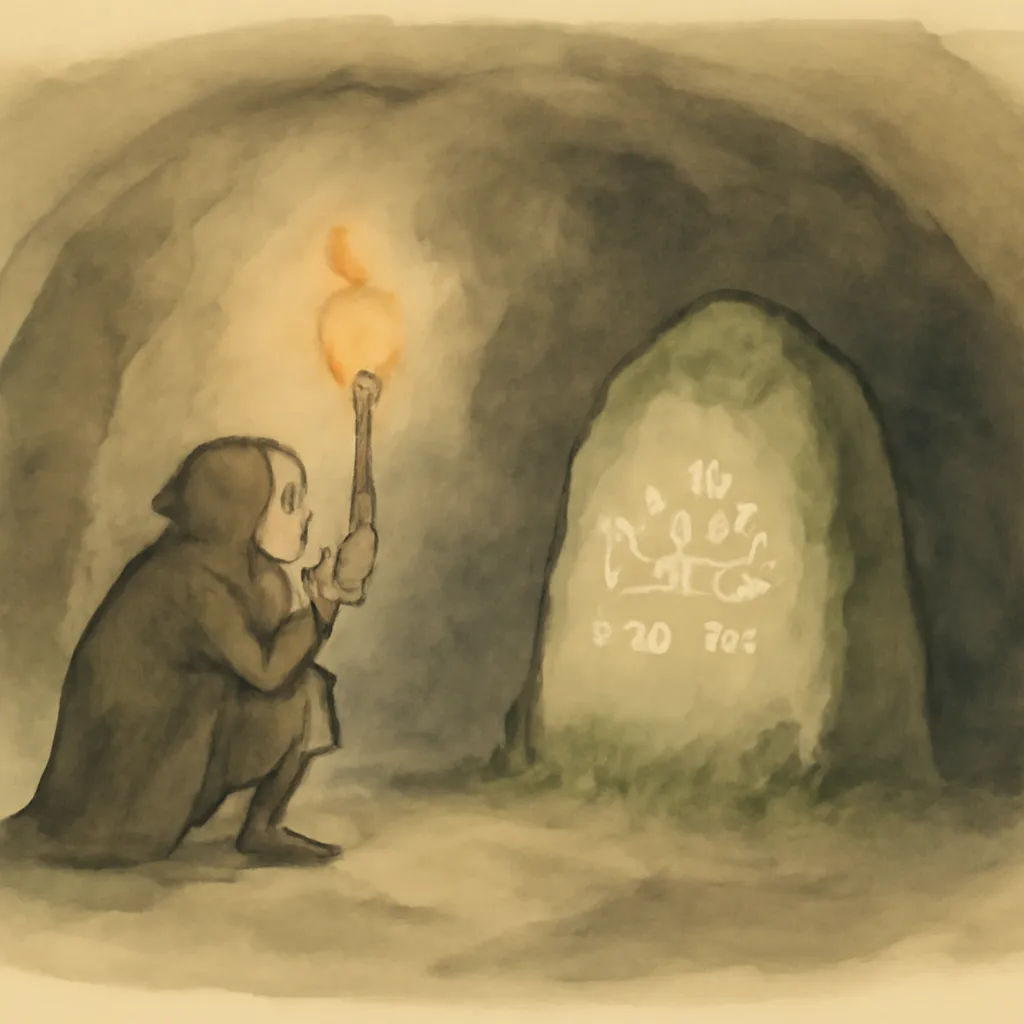
Bilbo Baggins begins his journey as an unlikely adventurer, more interested in tea and comfort than dragons and gold. Yet, his transformation from a timid hobbit into a clever, brave, and resourceful hero is central to the story. Tolkien explores how courage is not the absence of fear but the willingness to act despite it. Bilbo’s growth suggests that heroism can emerge from the most unexpected places, challenging the traditional notion of what makes someone a hero.
2.The Power of Home and Comfort
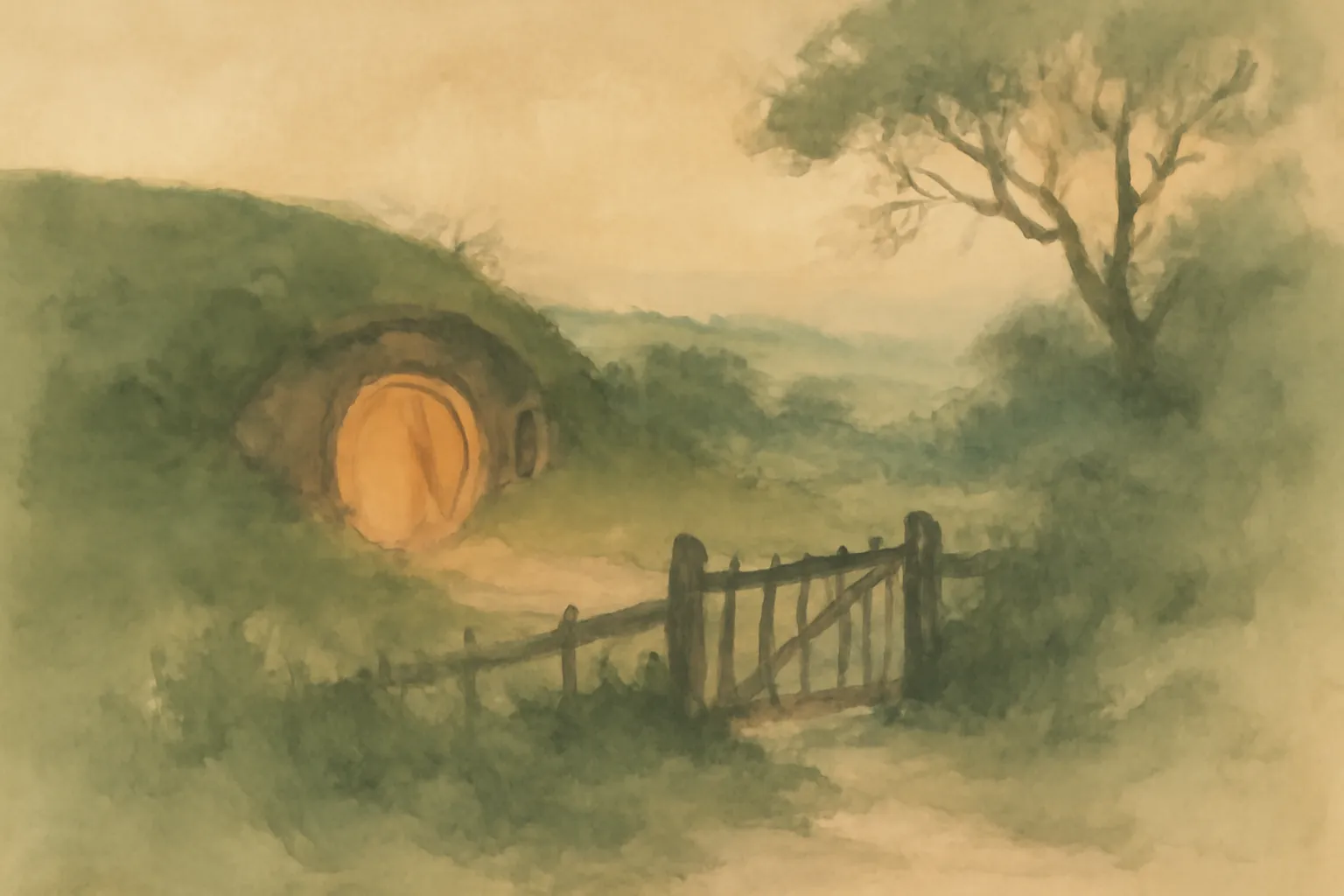
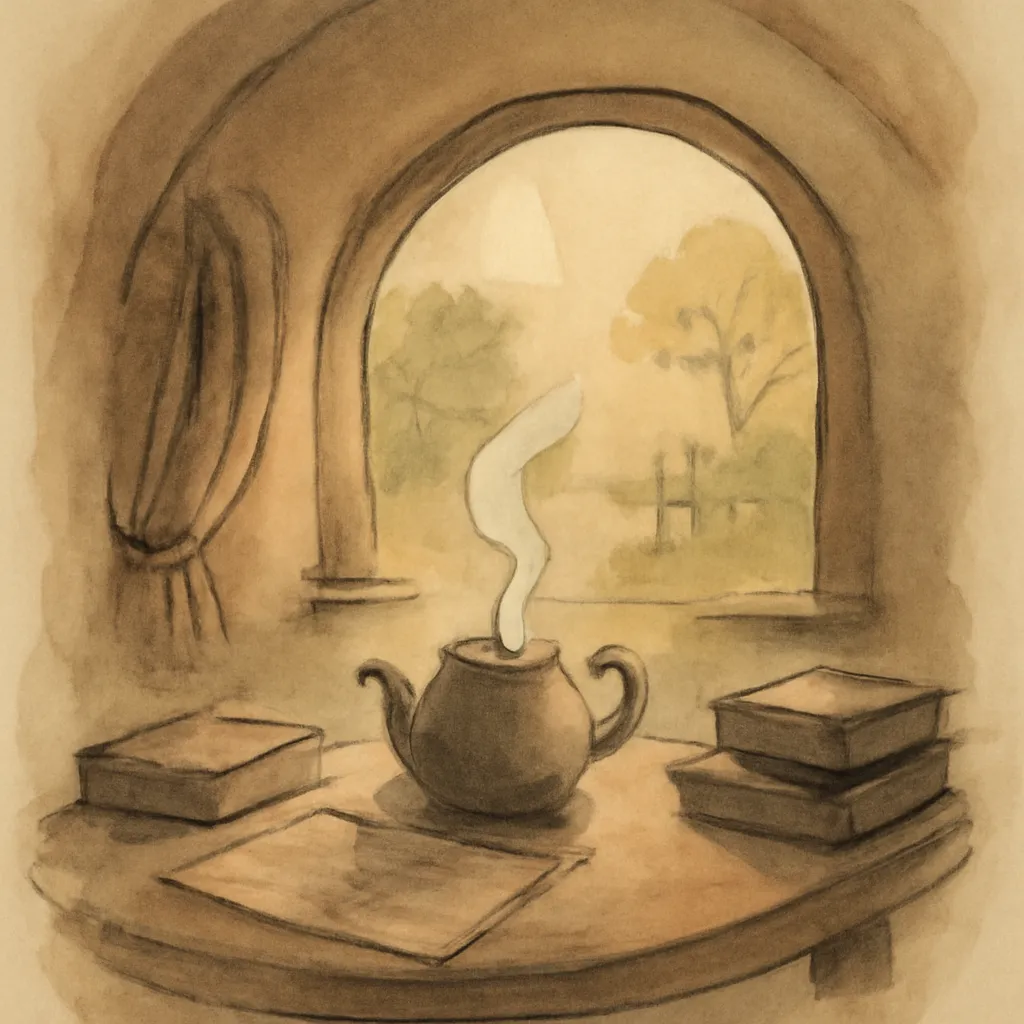
The comforts of home—embodied by Bilbo’s hobbit-hole—are a recurring motif. Throughout the adventure, Bilbo’s longing for home grounds him and provides motivation, but it also highlights the value of stepping outside one’s comfort zone. Tolkien suggests that while home is precious, personal growth often requires leaving it behind, and that the return is made sweeter by the journey.
3.Greed and Its Consequences
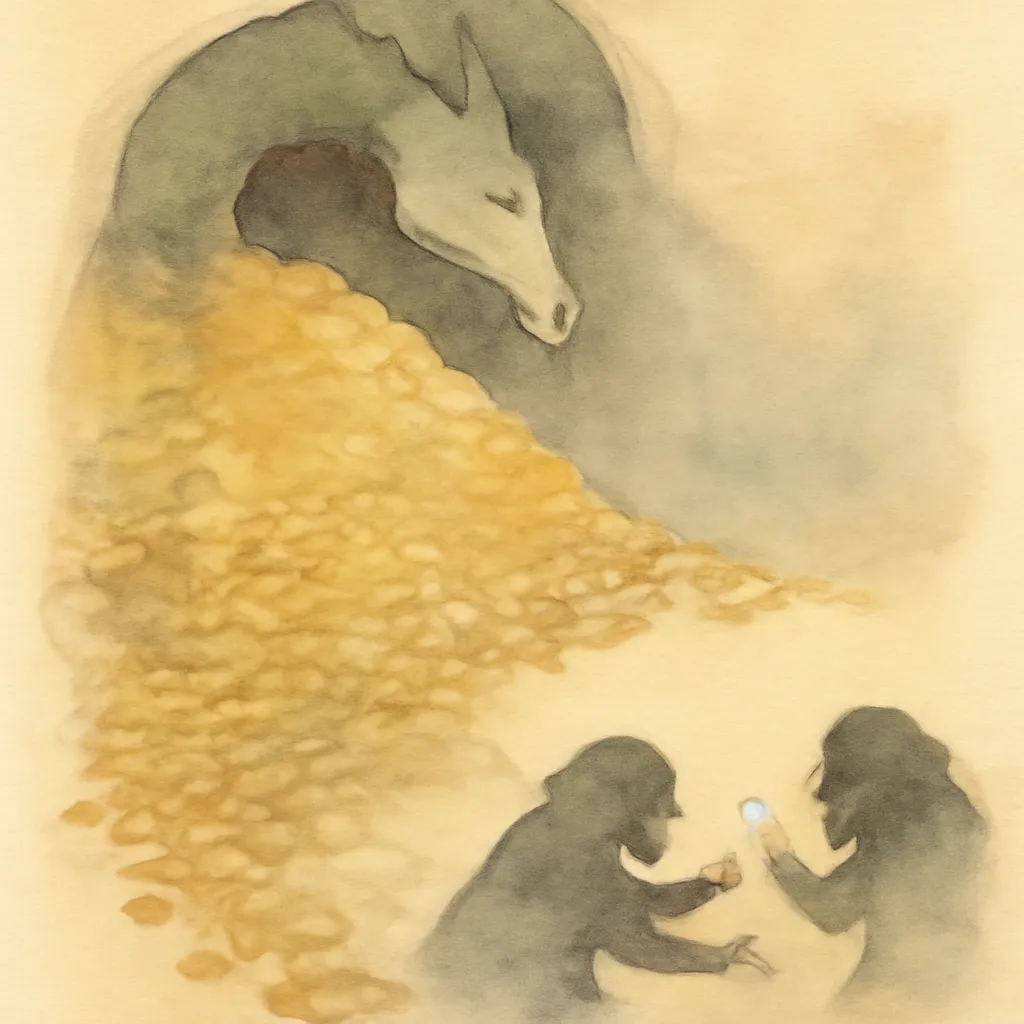
The quest for the dwarves’ lost gold and the dragon Smaug’s hoard serves as a cautionary tale about the dangers of greed. The lust for treasure leads to conflict not only with external foes but also among the would-be allies. Tolkien uses the gold—and the Arkenstone in particular—to illustrate how desire for wealth can corrupt and divide, ultimately threatening to undo the very goals the characters seek.
4.Luck, Wit, and Resourcefulness
Bilbo’s success is less about physical strength and more about cleverness, quick thinking, and a bit of luck. The famous riddle contest with Gollum and Bilbo’s creative solutions to problems show that intelligence and adaptability are as valuable as bravery. Tolkien elevates the importance of wit and resourcefulness, especially for those who may not fit the mold of the traditional warrior hero.
5.The Importance of Fellowship
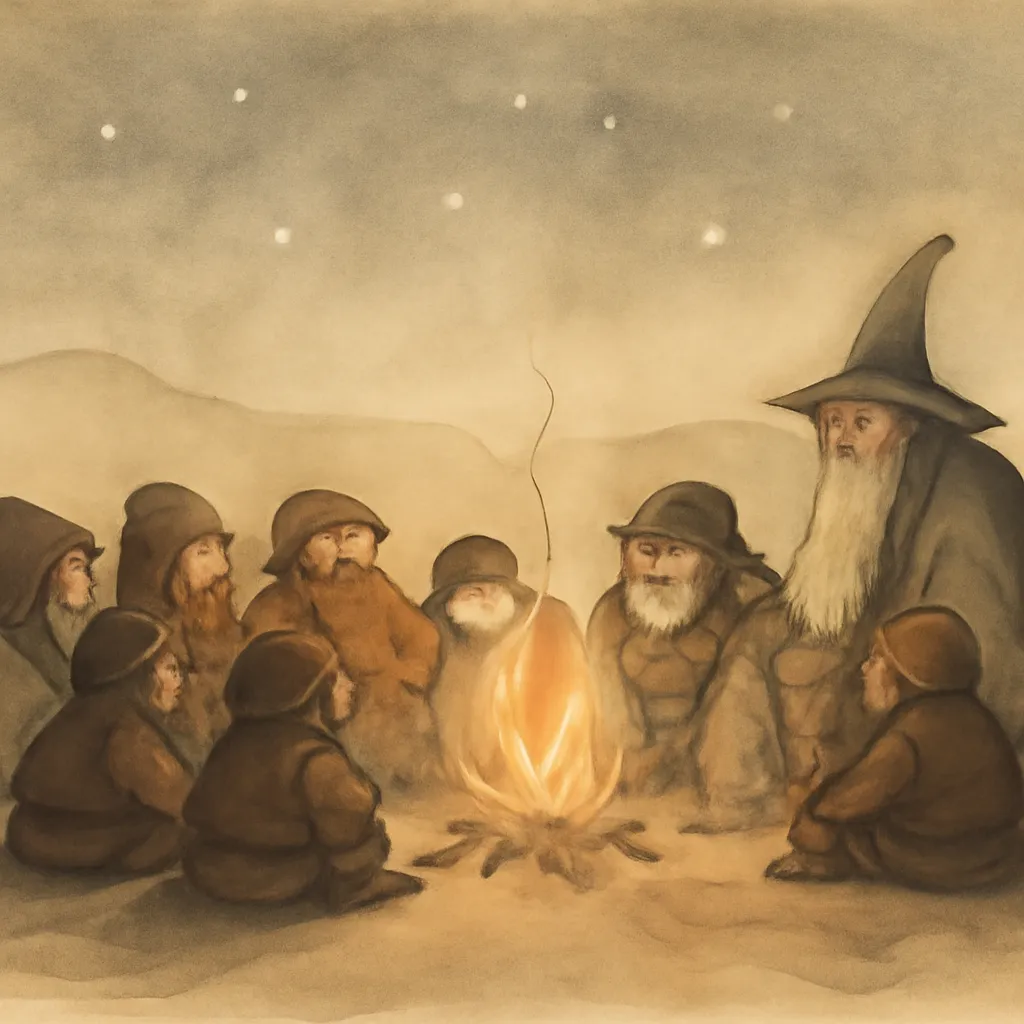
The company of dwarves, Gandalf, and Bilbo must learn to work together despite differences in background and temperament. Their journey underscores the necessity of trust, loyalty, and cooperation. Tolkien’s depiction of fellowship anticipates the larger themes of unity and friendship that would become central in The Lord of the Rings.
6.The Allure and Danger of Adventure
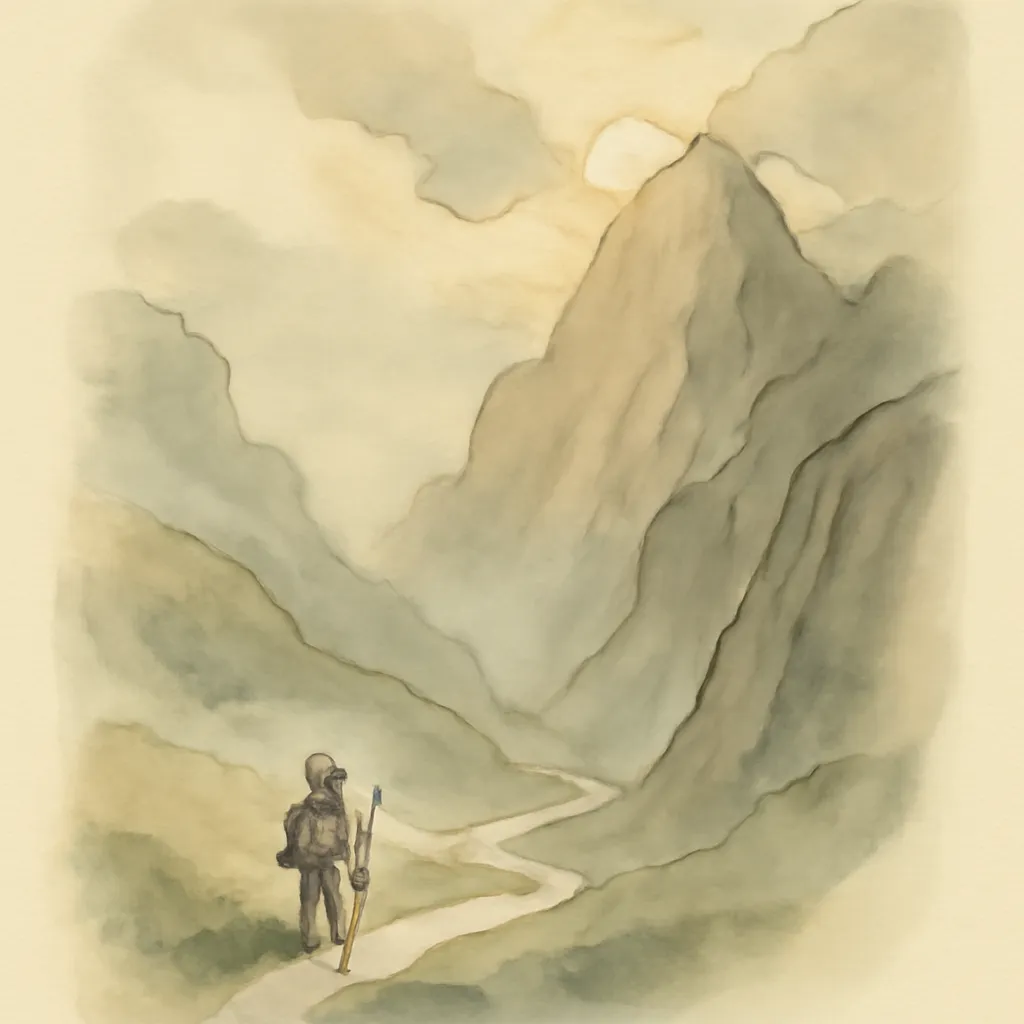
Adventure in The Hobbit is both exhilarating and perilous. While it brings excitement and discovery, it also involves real risks and losses. Tolkien balances the thrill of the unknown with a sober recognition of its costs, suggesting that true adventure is transformative but not without sacrifice.