1.Family as a Microcosm of Society
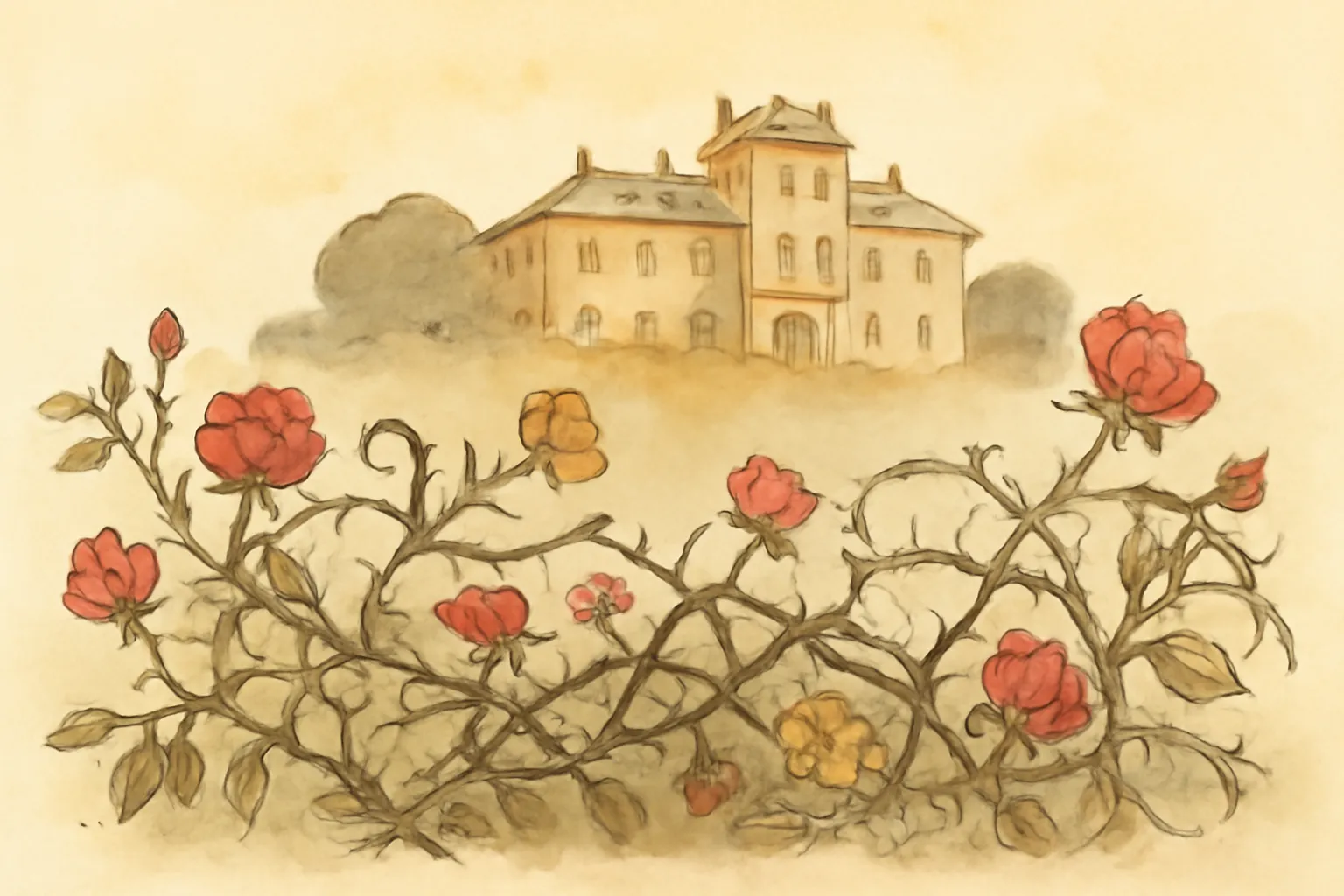
Allende uses the Trueba family as a mirror for the broader social and political upheavals in 20th-century Latin America. Their personal conflicts—between tradition and progress, privilege and justice—reflect the tensions shaping the continent. The family's fortunes rise and fall alongside the nation's, suggesting that the private and the public are deeply intertwined. Through their joys and tragedies, Allende explores how the legacy of the past shapes the present, and how individual choices echo through generations.
2.Magical Realism as Historical Memory
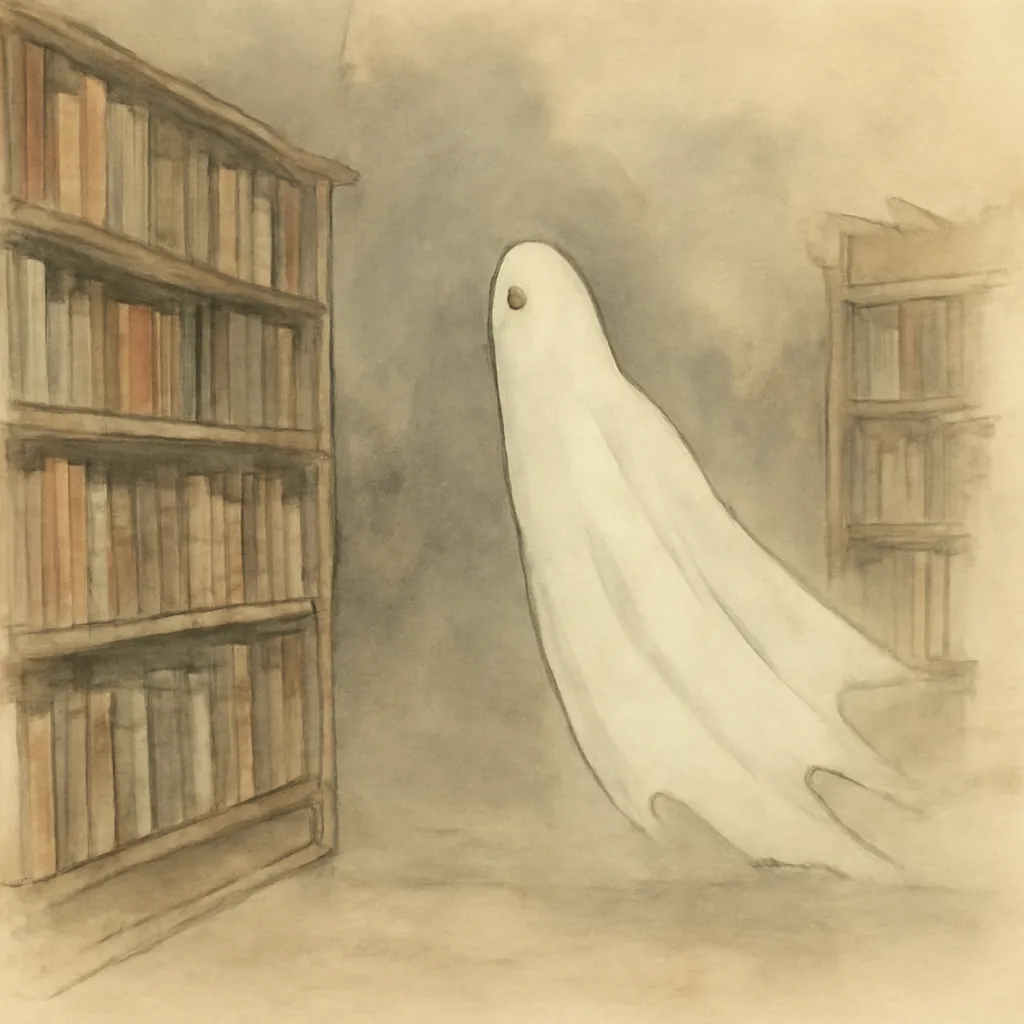
The novel is renowned for its use of magical realism: ghosts, premonitions, and inexplicable events are woven seamlessly into everyday life. This stylistic choice is not mere fantasy; it represents the persistence of memory, trauma, and ancestral influence in Latin American culture. By blurring the lines between reality and the supernatural, Allende captures the emotional truth of history—how the past haunts the present, and how myth and fact coexist in collective memory.
3.Power, Patriarchy, and Transformation
Esteban Trueba, the family patriarch, embodies the traditional, authoritarian values that once dominated Latin American societies. His relentless pursuit of control leads to both material success and personal ruin. Over time, the narrative charts his decline and the rise of the women in his family, who challenge and ultimately transform the legacy he leaves behind. The novel thus interrogates the costs of unchecked power and the possibility of redemption through change and resilience.
4.Women’s Agency and Generational Change
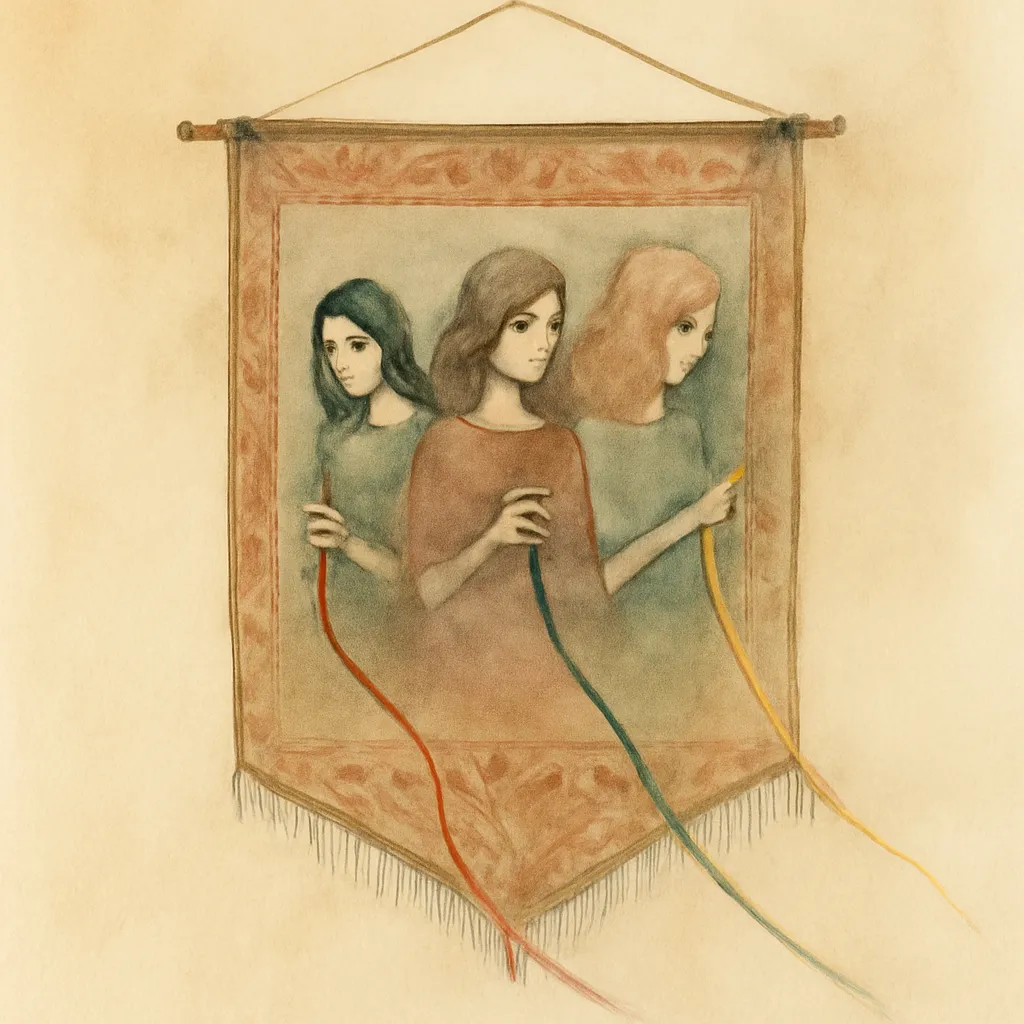
Clara, Blanca, and Alba—three generations of women—are central to the novel’s emotional and moral core. Each, in her own way, resists the constraints imposed by family and society, asserting independence and compassion in the face of violence and repression. Their stories highlight the gradual emergence of female agency and the hope for a more just, inclusive future. The novel celebrates the endurance and creativity of women as agents of continuity and change.
5.Memory, Forgiveness, and the Search for Identity
The House of the Spirits is ultimately a meditation on memory: personal, familial, and national. The characters grapple with the need to remember and to forgive, both themselves and others. Through Alba’s efforts to record her family’s history, the novel suggests that understanding and reconciliation are possible only when the past is acknowledged. This search for identity—individual and collective—resonates far beyond the confines of the Trueba household.