1.Self-Domestication Over Speciation
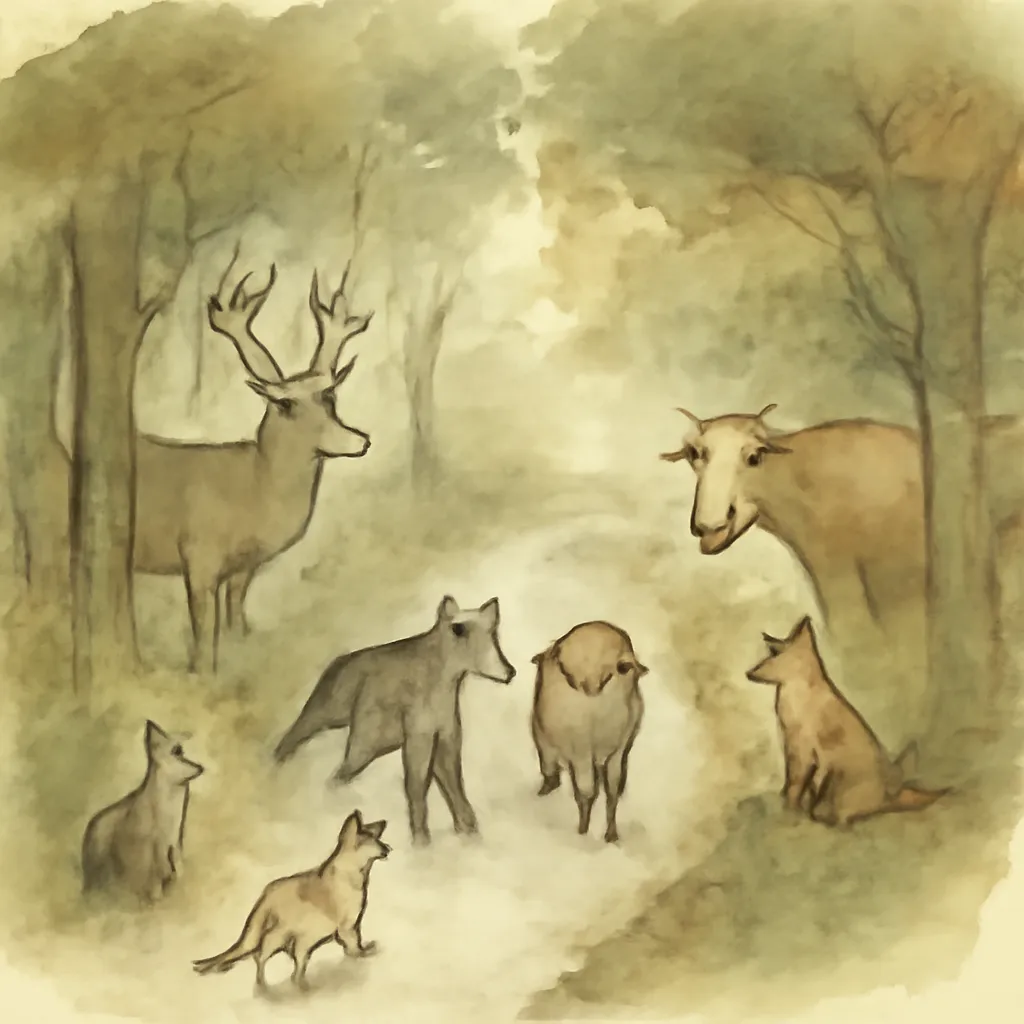
Bednarik’s central thesis is that modern humans did not emerge from a discrete speciation event in Africa (the 'African Eve' or replacement model), but rather through a gradual, unintended process of self-domestication. This process, analogous to how humans have domesticated animals, involved selection for traits like reduced aggression, increased sociability, and neotenous (juvenile) features. Over time, these changes accumulated, fundamentally altering our physiology and psychology. Bednarik marshals a wide range of evidence from genetics, archaeology, and comparative anatomy to show that this model better explains the unique suite of human traits than the traditional narrative.
2.Neoteny and Physical Changes
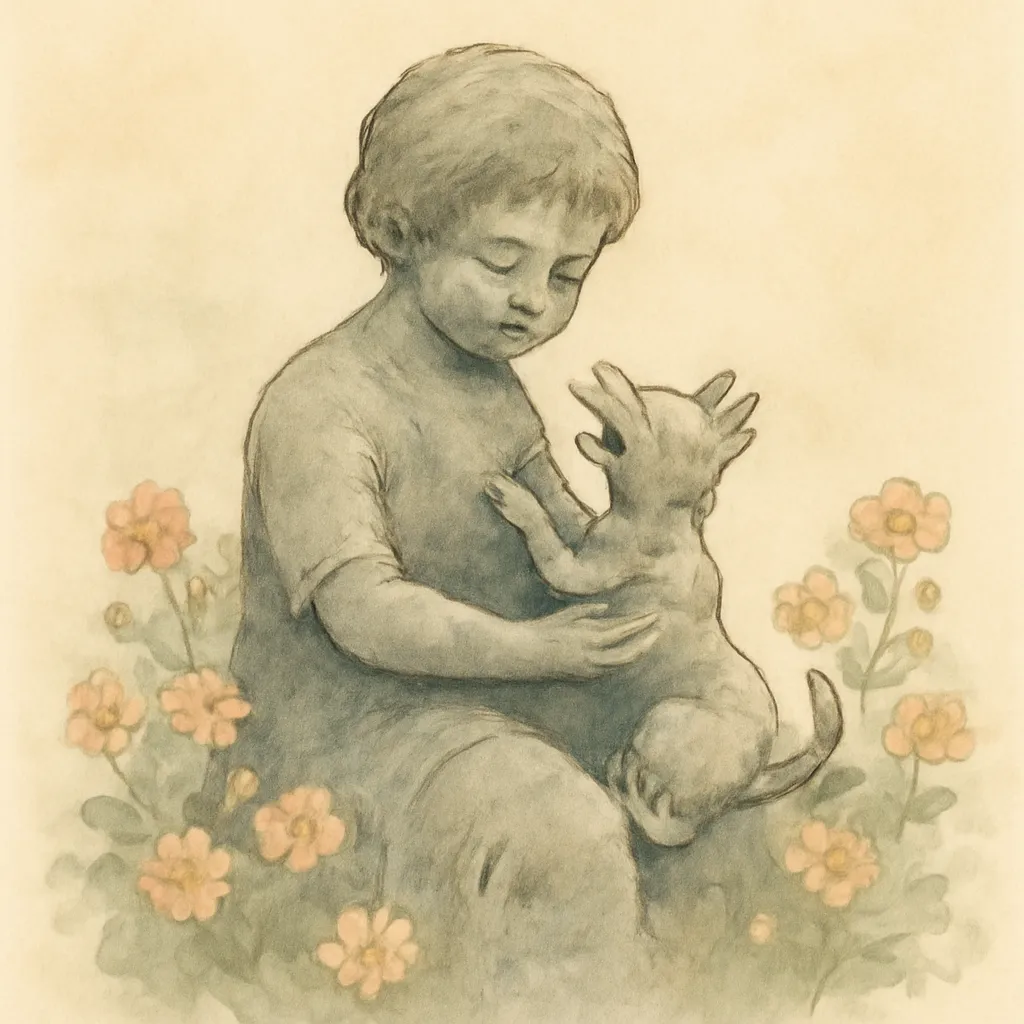
A key feature of human self-domestication is neoteny—the retention of juvenile characteristics into adulthood. Bednarik details how modern humans exhibit a suite of traits associated with neoteny: flatter faces, smaller jaws, reduced body hair, and even behavioral traits like playfulness and curiosity. These changes, he argues, are not signs of evolutionary 'progress' but rather the byproducts of selection against aggression and for social cohesion, paralleling what is observed in domesticated animals.
3.The Cost of Domestication: Maladaptations and Vulnerabilities
Unlike the celebratory tone of many human origin stories, Bednarik emphasizes the downsides of self-domestication. Modern humans are uniquely susceptible to a host of genetic disorders, autoimmune diseases, and mental health issues. Our brains have actually shrunk compared to some ancestors, and we possess thousands of genetic impairments. These vulnerabilities, he argues, are the unintended consequences of domestication, where selection for docility and sociability came at the expense of robustness and genetic health.
4.Challenging the 'Superiority' Narrative
Bednarik critiques the pervasive idea that Homo sapiens replaced other hominins because of inherent superiority. He points out that the 'teleological fantasy' of a superior species fails to account for the many maladaptive traits of modern humans. Instead, he suggests that our rise was more a matter of social and behavioral change—facilitated by domestication—than a leap in intelligence or fitness. This reframing invites readers to question long-held assumptions about what it means to be 'modern' or 'advanced.'
5.A Synthesis of Multidisciplinary Evidence
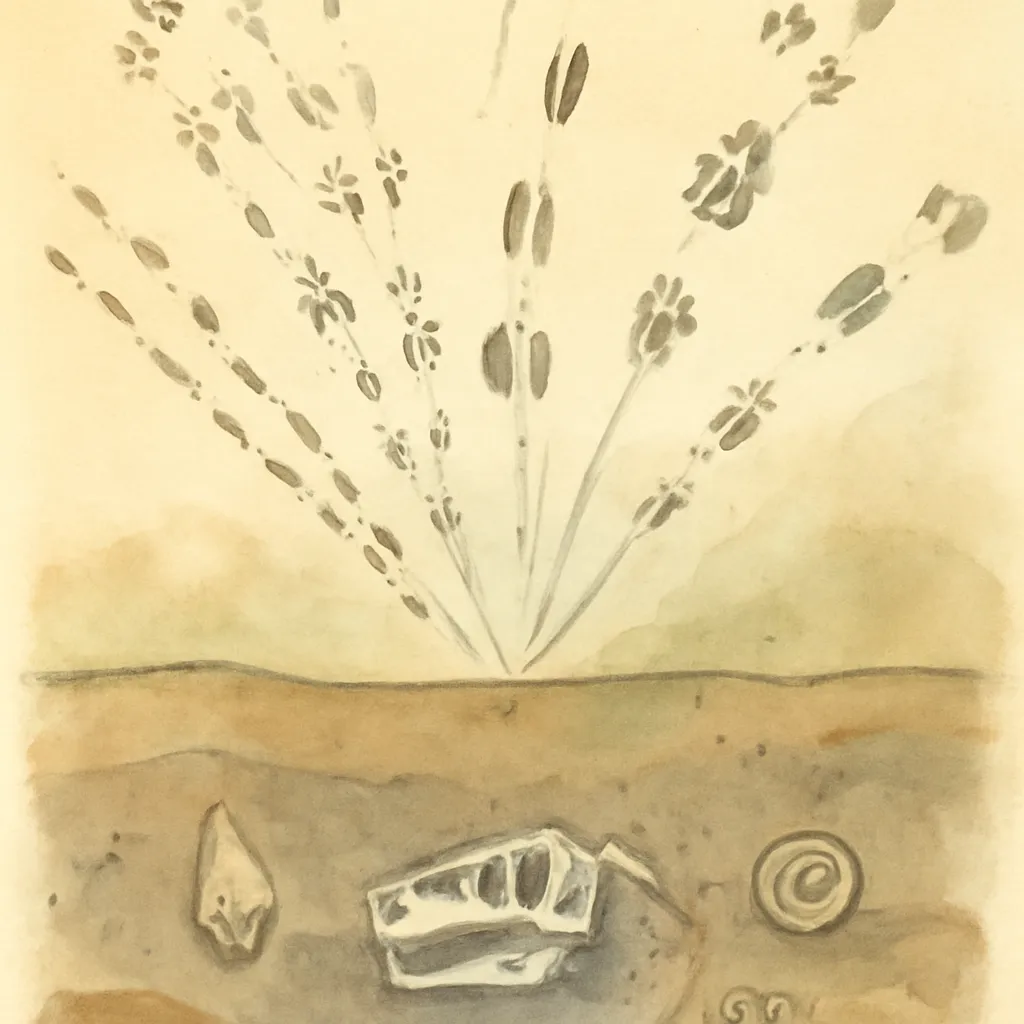
Throughout the book, Bednarik draws on a vast array of data from genetics, paleoanthropology, archaeology, and animal domestication research. He synthesizes these lines of evidence to build a comprehensive and coherent model of human origins. By doing so, he not only challenges the dominant paradigm but also provides a framework that can accommodate the messy, complex, and sometimes contradictory evidence about our past.
6.Implications for Understanding Human Nature
Bednarik’s theory has profound implications for how we understand ourselves. If our defining traits are the result of domestication, then many aspects of human behavior—our sociability, creativity, and even our psychological frailties—are not the result of evolutionary perfection, but of compromise and unintended consequence. This perspective encourages humility and a more nuanced appreciation of what it means to be human.