1.The Human Genome Project: A Scientific Milestone
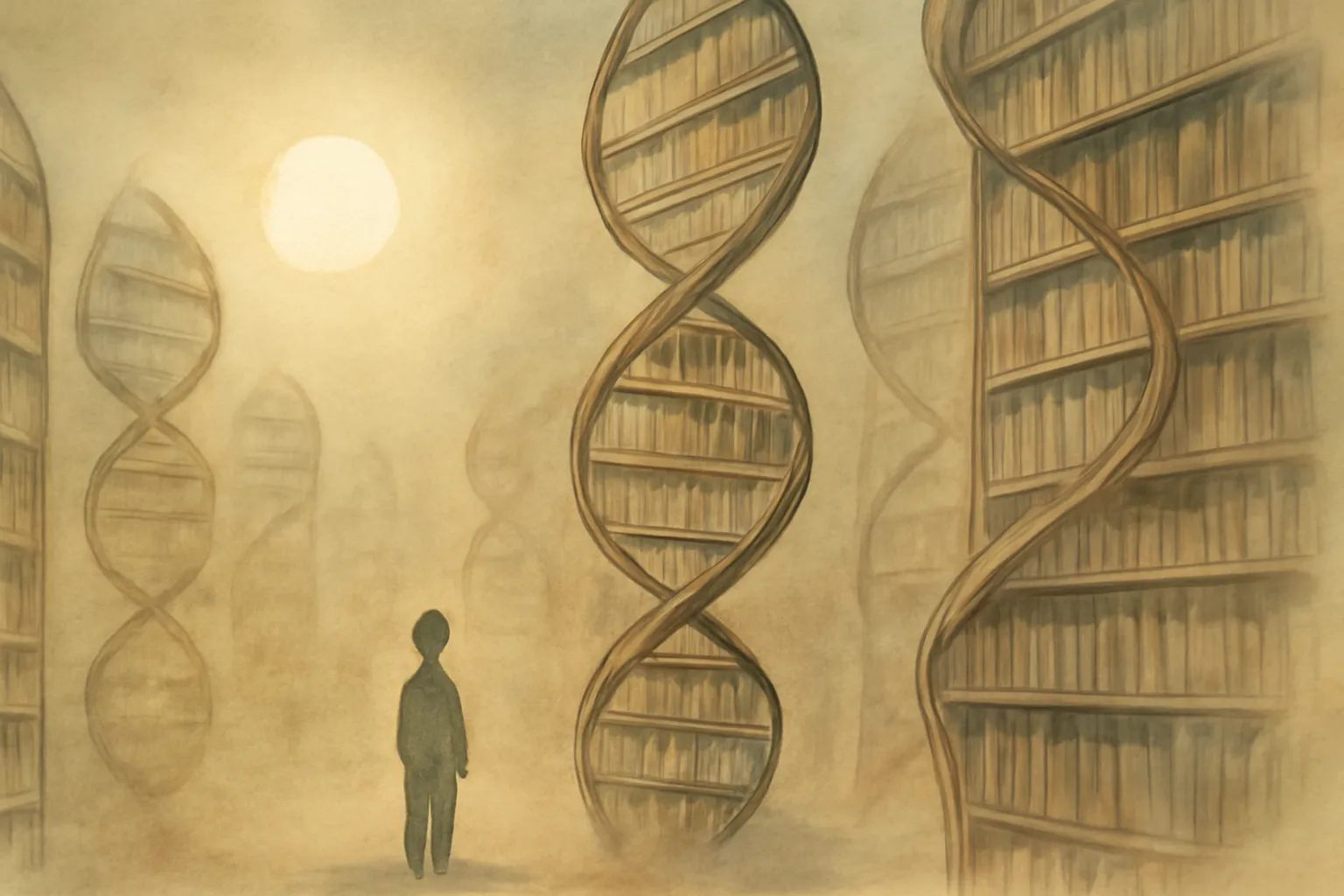
Quackenbush traces the history and execution of the Human Genome Project, explaining how the international effort to sequence all human DNA marked a turning point in biology. He contextualizes the project as both a technological triumph and a catalyst for new scientific questions, emphasizing its collaborative nature and the scale of its ambition. The book highlights how this achievement not only provided a reference map of our genetic code, but also set the stage for a new era in biomedical research.
2.Genes, Environment, and Complexity
A central theme is the complexity of gene function. Quackenbush dispels the myth of genetic determinism, showing that genes rarely act alone. Instead, gene expression is shaped by networks of interactions and environmental influences. This nuanced view helps readers understand why the genome is not a simple instruction manual, but a dynamic system affected by countless variables, which is crucial for grasping both the promise and the limits of genetic information.
3.Personalized Medicine and the Promise of Genomics
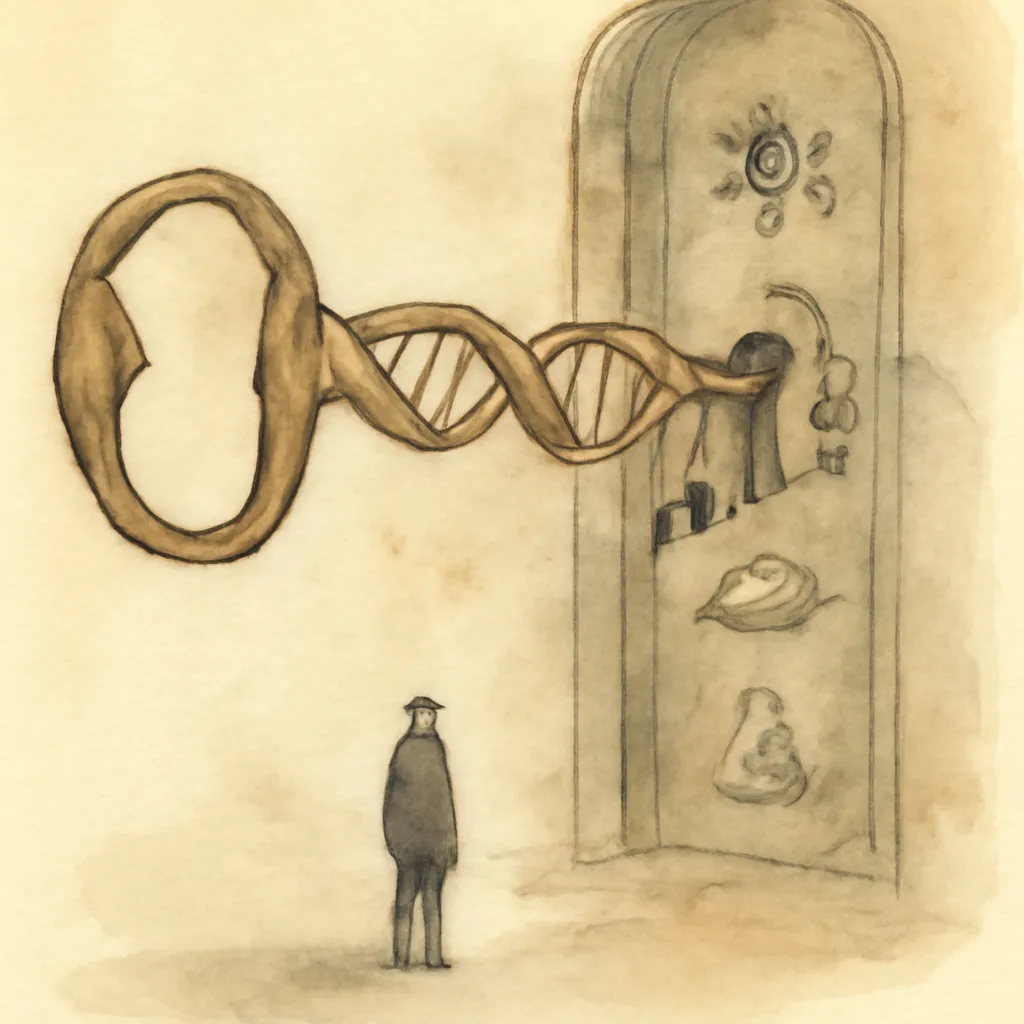
The book explores how genomic knowledge is revolutionizing medicine. Quackenbush discusses the emergence of personalized medicine—tailoring treatments to an individual's genetic profile—and the potential for earlier diagnoses, targeted therapies, and disease prevention. He also addresses the challenges and ethical dilemmas, such as privacy concerns and unequal access, that accompany these advances.
4.Ethical, Legal, and Social Implications
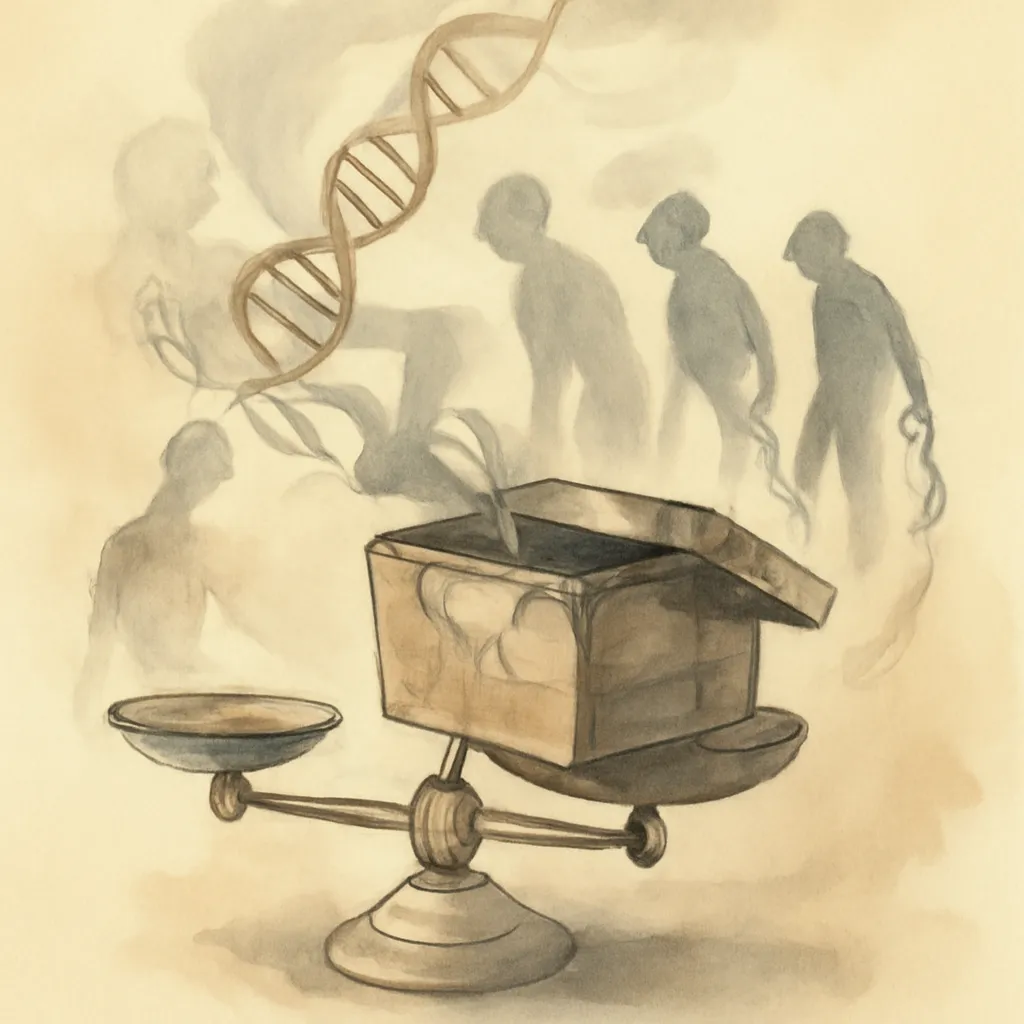
Quackenbush is careful to highlight the Pandora’s box opened by the genome’s decoding. He examines issues like genetic privacy, discrimination, and the potential misuse of genetic data. The book encourages readers to consider not just the scientific, but also the societal impacts of genomic knowledge, urging informed public dialogue and responsible policy-making.
5.Demystifying Genetics for the Public
A major strength of the book is its commitment to making complex science approachable. Quackenbush uses clear analogies and engaging storytelling to explain DNA, genes, and molecular biology. He aims to empower readers to participate in conversations about genomics, recognizing that these issues affect everyone, not just scientists.
6.The Ongoing Journey: What We Still Don’t Know
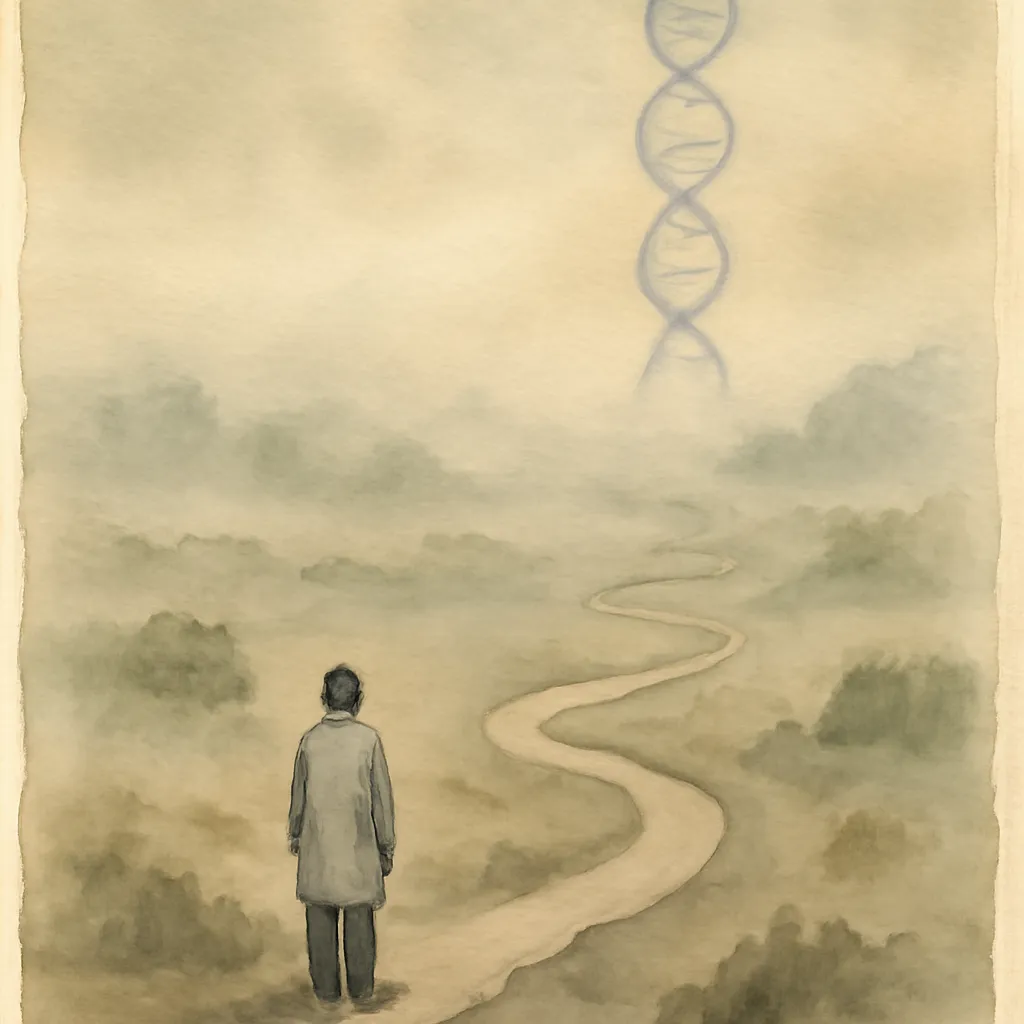
While celebrating scientific progress, Quackenbush is candid about the many mysteries that remain. He discusses the vast stretches of non-coding DNA, the unknowns of gene regulation, and the unpredictable effects of genetic variation. This humility underscores the need for continued research and a flexible understanding of what our genome can—and cannot—tell us.