1.The Immune System as a Battlefield
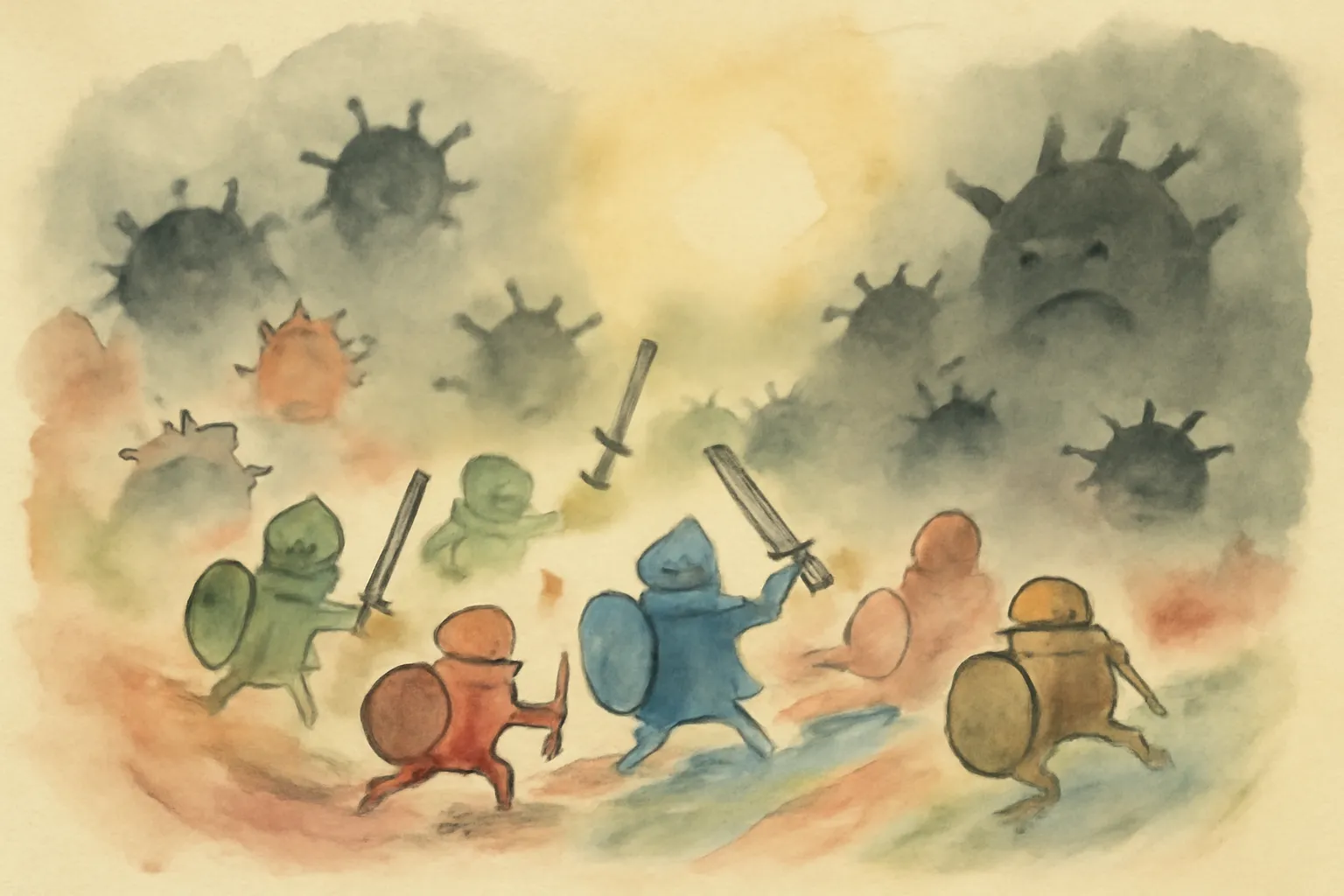
Dettmer frames the immune system as a dynamic, ever-alert army, constantly surveilling for threats and orchestrating coordinated responses. He uses vivid metaphors—like soldiers, spies, and communication networks—to help readers grasp the invisible but high-stakes warfare happening within us. This approach not only demystifies complex biology, but also highlights the system’s adaptability and the stakes involved in every immune response.
2.Innate vs. Adaptive Immunity
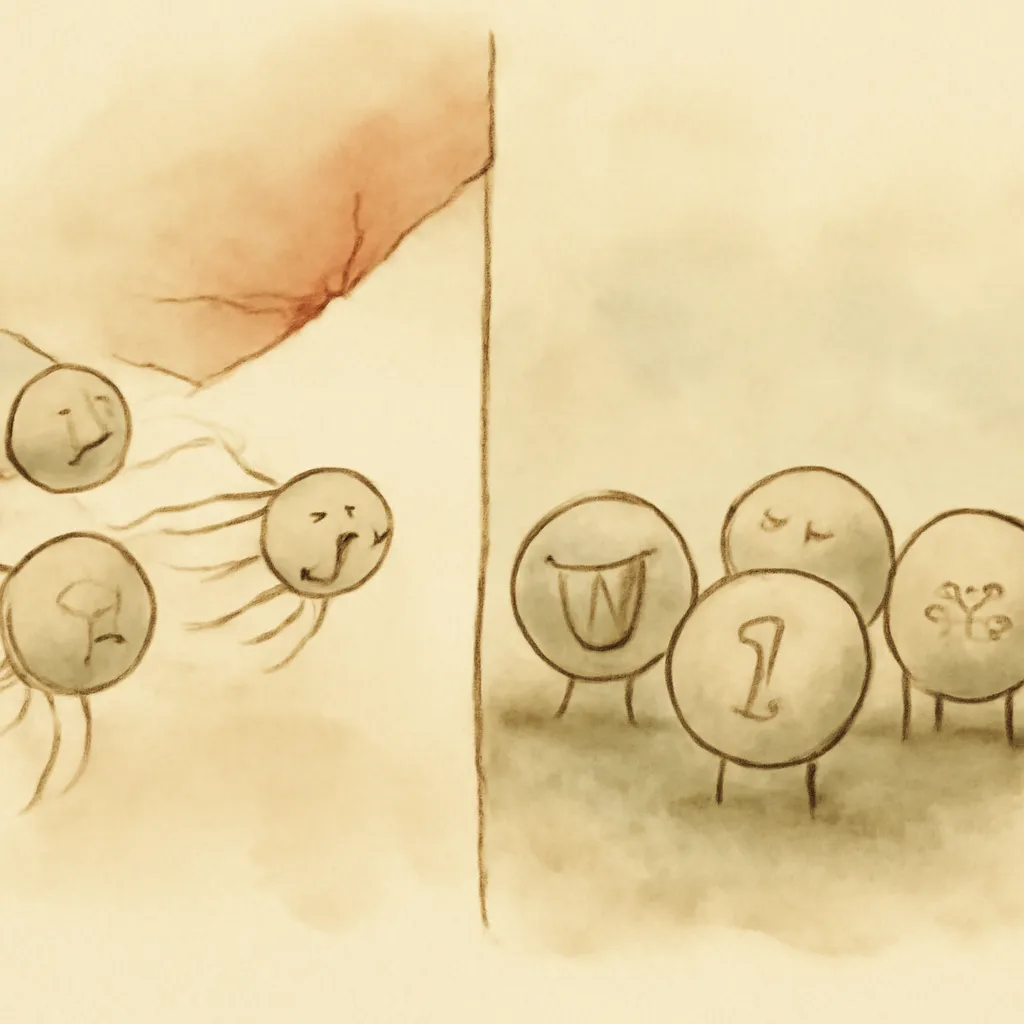
A central concept in the book is the distinction between the innate and adaptive branches of immunity. The innate system acts as the body’s first responder—fast, broad, but nonspecific—while the adaptive system is slower but highly targeted, learning from past encounters. Dettmer explains how these two arms cooperate, why their balance matters, and how their interplay determines the outcome of infections and vaccinations.
3.The Cost of Defense: Collateral Damage
Dettmer emphasizes that immune responses are powerful but not without risk. The same mechanisms that destroy pathogens can also harm the body’s own tissues, leading to inflammation, autoimmunity, or allergies. The book explores this delicate balance, showing how the immune system must constantly weigh aggression against restraint, and why things sometimes go wrong.
4.Immunity and Memory: How Vaccines Work
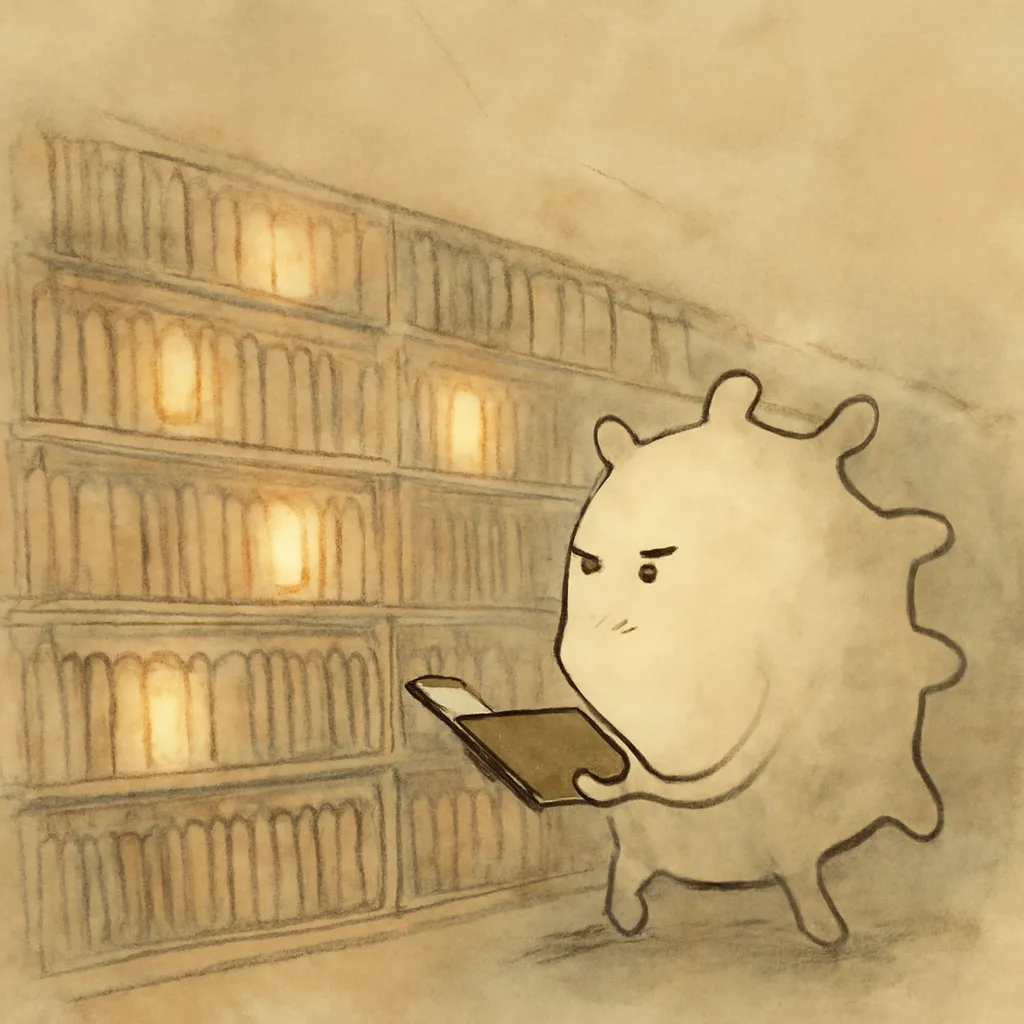
One of the book’s strengths is its clear explanation of immune memory. Dettmer describes how the adaptive system 'remembers' past invaders, enabling faster and stronger responses upon re-exposure. He demystifies how vaccines harness this principle, offering not just personal protection but also contributing to community health through herd immunity.
5.The Microbiome: Friends, Not Just Foes
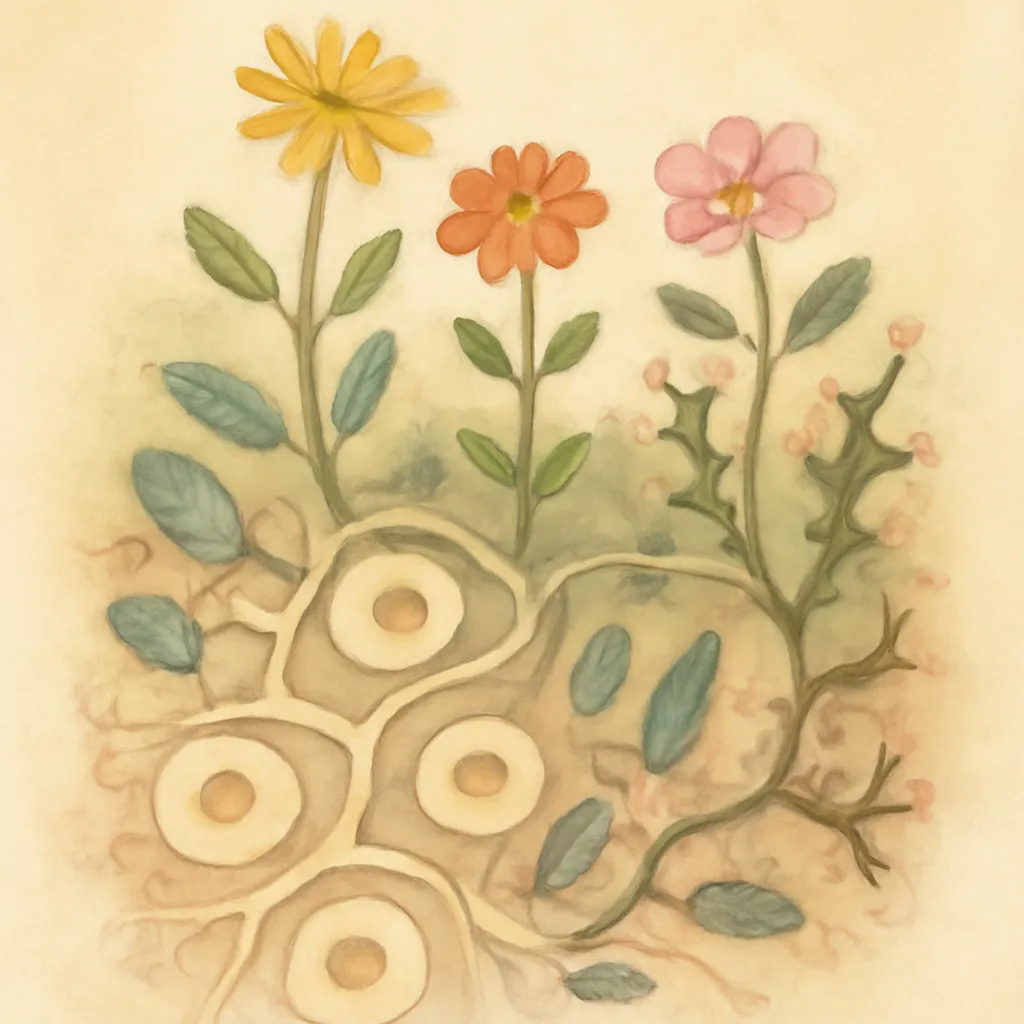
Dettmer broadens the immune story by introducing the microbiome—the trillions of microbes living in and on us. Rather than mere enemies, many of these organisms are essential partners, training the immune system and maintaining balance. The book challenges the reader to rethink cleanliness and the relationship between humans and microbes.
6.The Emotional Impact of Understanding Immunity
Beyond facts, Dettmer invites readers to appreciate the beauty and wonder of the immune system. He argues that understanding this hidden world can inspire gratitude, reduce anxiety about illness, and foster a more nuanced view of health and disease. The book aims to replace fear with fascination.