1.Challenging the 'Dark Ages' Myth
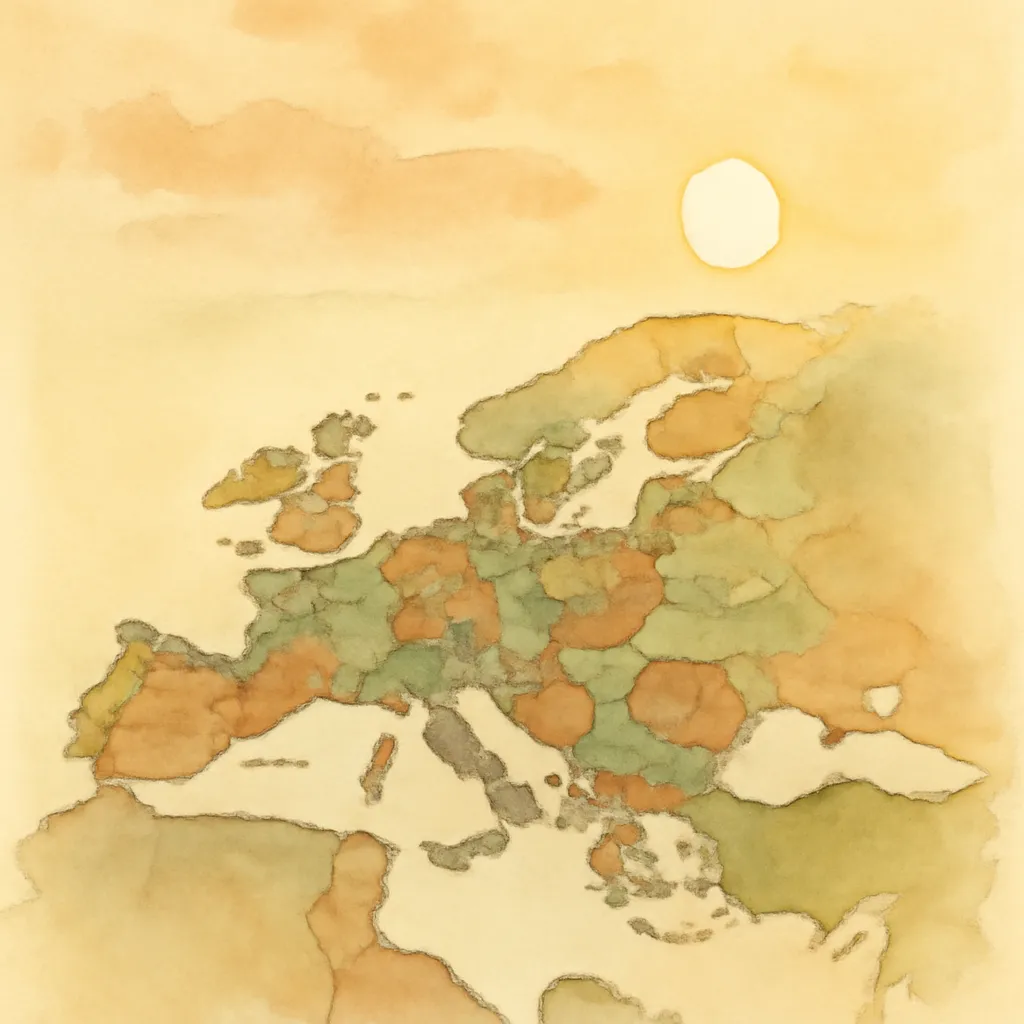
Wickham dismantles the traditional narrative of the early Middle Ages as a period of chaos and regression. Instead, he presents this era as one of adaptation and innovation, where old Roman structures mingled with new forms of authority, economy, and identity. By analyzing archaeological evidence and written sources, he shows that the so-called 'Dark Ages' were not uniformly dark, but rather a patchwork of regional experiences, some marked by continuity, others by dramatic change.
2.The Fragmentation and Reinvention of Power
After Rome’s collapse, power did not simply vanish; it fragmented and was reconstituted in new ways. Wickham explores how kings, warlords, bishops, and local elites vied for authority, often drawing on Roman precedents while adapting to local realities. The book highlights the diversity of political models, from the Merovingians in France to the Lombards in Italy, and the ways in which legitimacy was constructed through land, law, and religion.
3.Economic Transformation and Localism
Rather than a simple economic collapse, Wickham traces a shift from the integrated Roman economy to more localized, rural systems. Trade networks shrank, but did not disappear; new forms of landholding and peasant labor emerged. The book emphasizes that economic life was highly variable across regions, and that local circumstances often mattered more than grand narratives of decline.
4.The Role of Religion and the Church
Christianity’s spread and institutionalization were central to shaping post-Roman Europe. Wickham examines how the Church became a unifying force, not only spiritually but also politically and socially. Bishops and monasteries wielded significant influence, and religious identity became intertwined with the legitimacy of rulers and the cohesion of communities.
5.Identity, Ethnicity, and the Making of Europe
Wickham is skeptical of simplistic notions of ethnic identity. He shows that the so-called 'barbarian' kingdoms—Franks, Goths, Lombards—were often more Roman than their reputations suggest, and that identities were fluid, negotiated, and shaped by pragmatic concerns as much as by ancestry. The book argues that the roots of modern European nations are far more complicated than nationalist histories allow.
6.The Long Shadow of Rome
Throughout, Wickham stresses how the legacy of Rome persisted in laws, institutions, and cultural memory. Even as new polities emerged, they often claimed continuity with the Roman past, selectively appropriating its symbols and practices. This inheritance shaped everything from royal titles to legal codes, demonstrating that Rome’s influence was never truly extinguished.