1.The Return of Nayland Smith
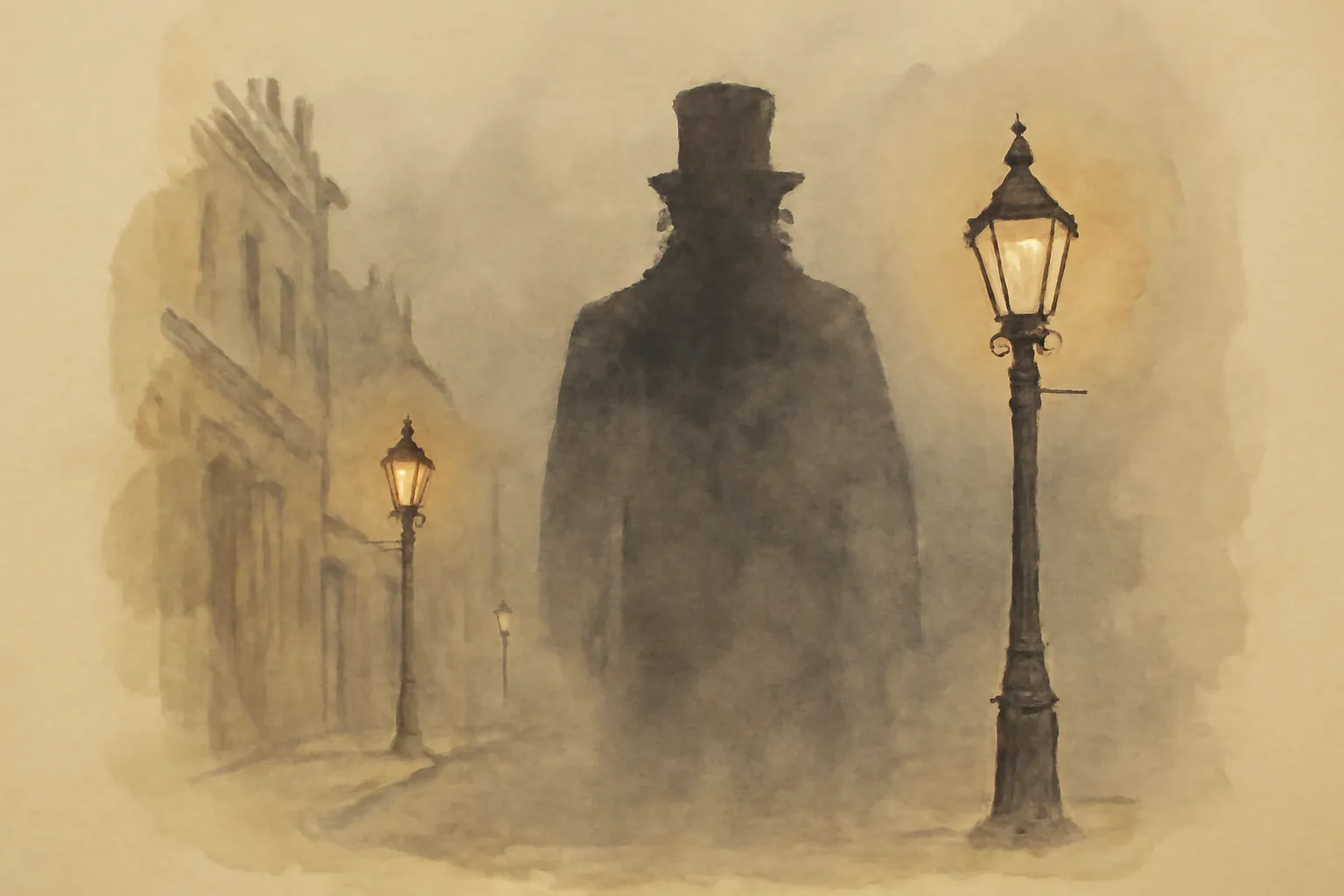
The story opens with the unexpected return of Nayland Smith, who arrives in England with a sense of urgency and caution. His demeanor suggests that he is not merely a visitor but a man on a mission, which sets an intriguing tone for the rest of the narrative. Smith's previous exploits in Burma are hinted at but not overtly detailed, leaving readers to wonder about his past encounters with the notorious Fu Manchu. This sense of mystery surrounding Smith's character serves to establish him as a competent and experienced adversary to Fu Manchu's evil. As he reveals that he is on duty, the urgency of his presence becomes apparent, contrasting with the serene and seemingly safe environment of England, thus foreshadowing the chaos to come. The juxtaposition of Smith's alertness against the tranquil English countryside highlights the novel's central theme: the deceptive appearance of safety in the face of lurking danger, which will unravel as the plot advances.
2.The Scent of Danger

A significant moment occurs when Smith discovers a blank, scented letter that hints at the nefarious activities of Fu Manchu. The scent, attributed to a rare essential oil, serves as a symbol of the exotic and sinister forces at work. This encounter foreshadows the unfolding mystery and hints at the elaborate methods Fu Manchu employs to communicate and execute his plans. The blank letter, devoid of information yet laden with significance, illustrates the villain's psychological warfare—using fear and uncertainty as tools against his adversaries. Smith's keen observation skills come into play as he identifies the perfume, suggesting his ability to decode clues that others might overlook. This moment establishes the stakes and highlights Smith's role as a detective, showcasing his analytical prowess in a world where appearances can be deceiving. The scented letter becomes emblematic of Fu Manchu’s cunning and the intricate web of deceit that he weaves to ensnare his enemies.
3.The Zayat Kiss: A Mysterious Death
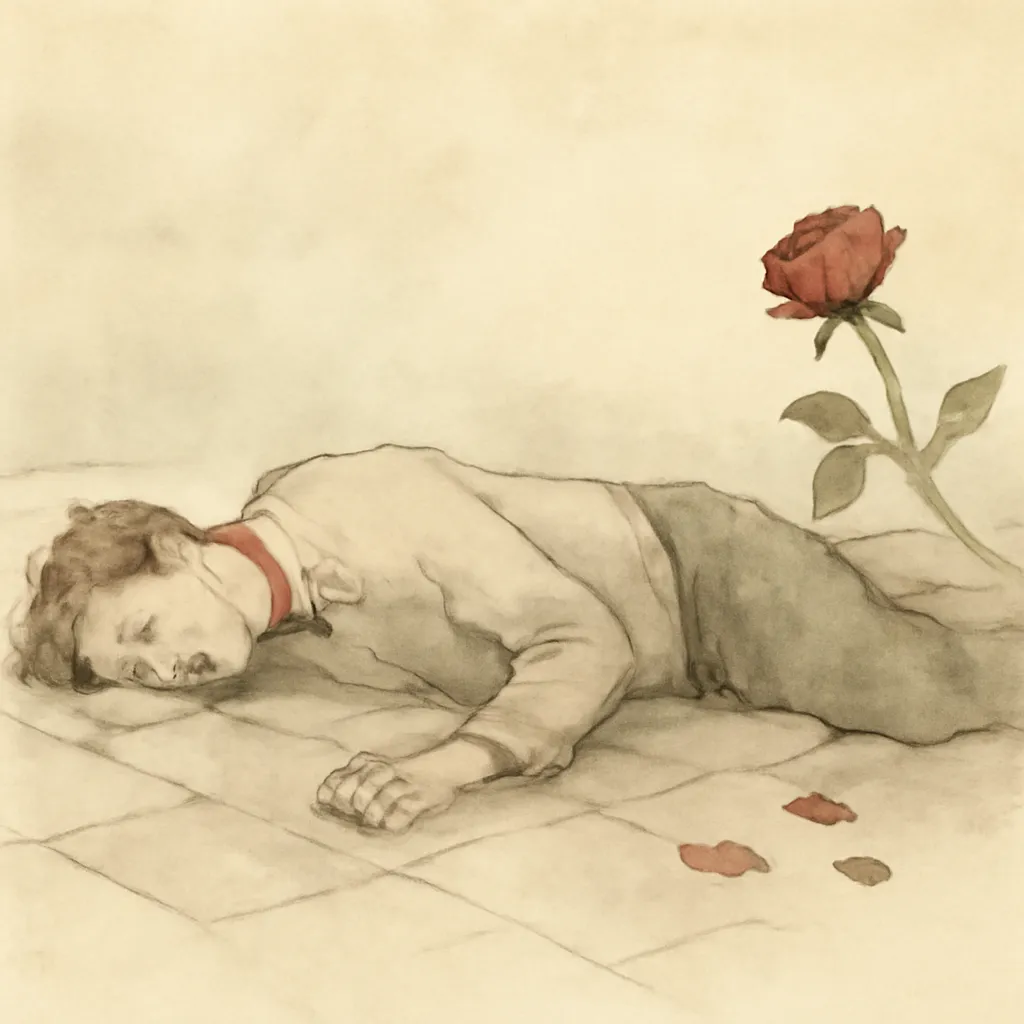
The Zayat Kiss, a mysterious cause of death linked to the criminal underworld, is introduced through the tragic fate of Sir Crichton Davey. His death, marked by an inexplicable mark on his neck, introduces an element of horror that permeates the narrative. Nayland Smith's insights into the Zayat Kiss highlight the novel's exploration of unusual and exotic methods of murder. The concept of the Zayat Kiss serves as a chilling reminder of the dangers that lurk in the shadows, representing the unknown forces that Fu Manchu commands. Smith's analysis reveals that this method of killing is not just a plot device but a commentary on the fear of the 'other'—the unknown aspects of Eastern culture that the Western characters find bewildering and terrifying. The Zayat Kiss symbolizes Fu Manchu's mastery over lethal techniques and his ability to evade detection, as it leaves no trace besides the mark itself, thus serving as a metaphor for the insidious nature of the threat posed by Fu Manchu.
4.The Role of Inspector Weymouth

Inspector Weymouth serves as a crucial ally to Smith and Petrie, representing the law's struggle against the chaos wrought by Fu Manchu. His character embodies the tension between order and disorder, as he grapples with the implications of Fu Manchu's actions within London. Weymouth's observations about the criminal events unfolding in the city provide a grounding perspective, illustrating the impact of Fu Manchu's schemes on society at large. His presence underscores the limitations of law enforcement in the face of such a cunning adversary, adding to the sense of urgency as the protagonists work against time to prevent further tragedies. Weymouth’s character also serves as a bridge between the world of the detectives and the broader implications of their findings, highlighting how individual actions can resonate with larger social consequences. As the plot progresses, his role becomes integral to the unfolding mystery, allowing readers to see the challenges faced by law enforcement when confronting a figure as elusive as Fu Manchu.
5.Opium and Deception at Shen-Yan's
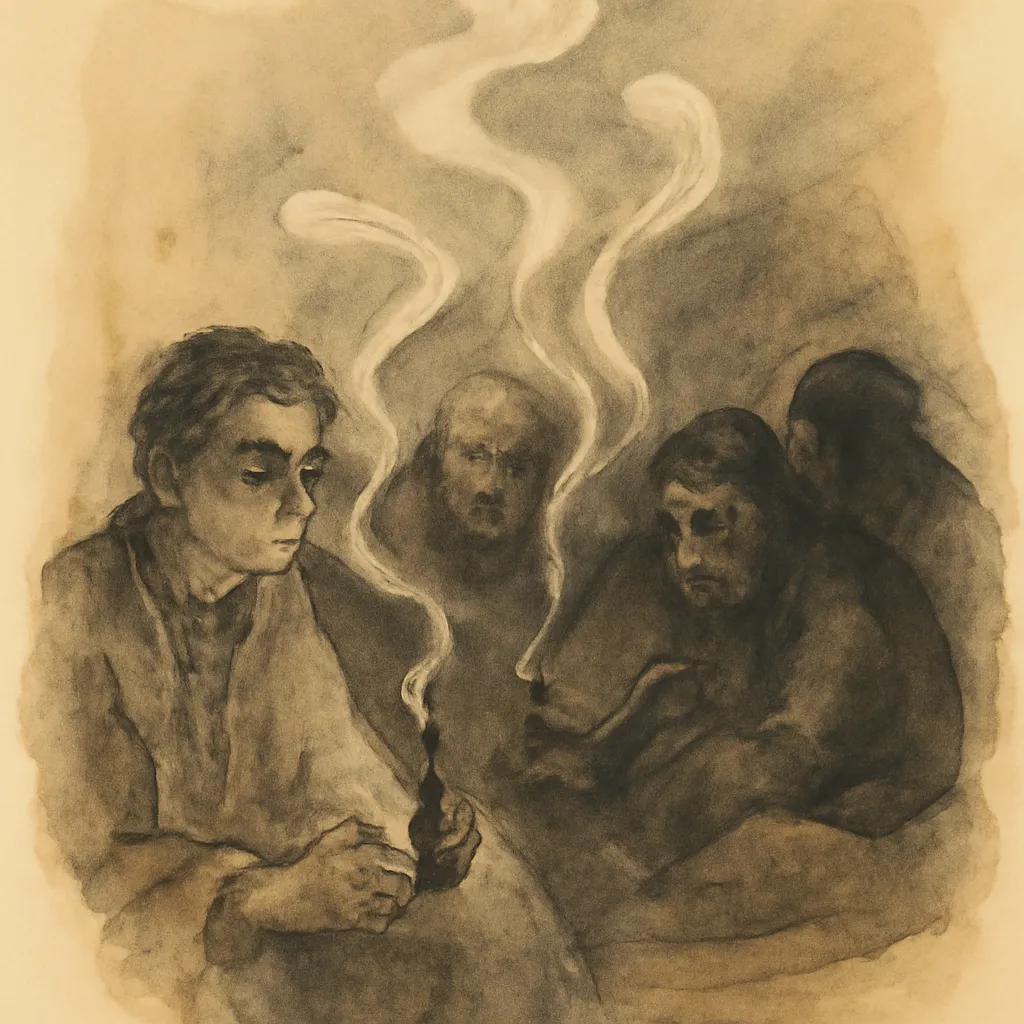
The discovery of Shen-Yan's opium den unveils another layer of Fu Manchu's intricate web of crime. The den serves as a hub for illicit activities and a breeding ground for addiction, illustrating the destructive power of opium on society. The opium den symbolizes the moral decay that Fu Manchu seeks to exploit, using addiction as a means to control and manipulate individuals. Smith and Petrie's infiltration of Shen-Yan's highlights their courage and determination to confront the darker aspects of human nature. Within its walls, they encounter the effects of addiction on individuals who have succumbed to the drug's allure, showcasing the personal tragedies that often accompany such vices. The atmosphere inside the den, laden with smoke and despair, serves as a stark contrast to the protagonists' sense of justice and order, underscoring the battle between light and darkness that defines the novel. This setting becomes a microcosm of the broader societal issues the characters must confront, illustrating the pervasive nature of corruption and moral compromise.
6.The Mysterious Woman: Karamaneh
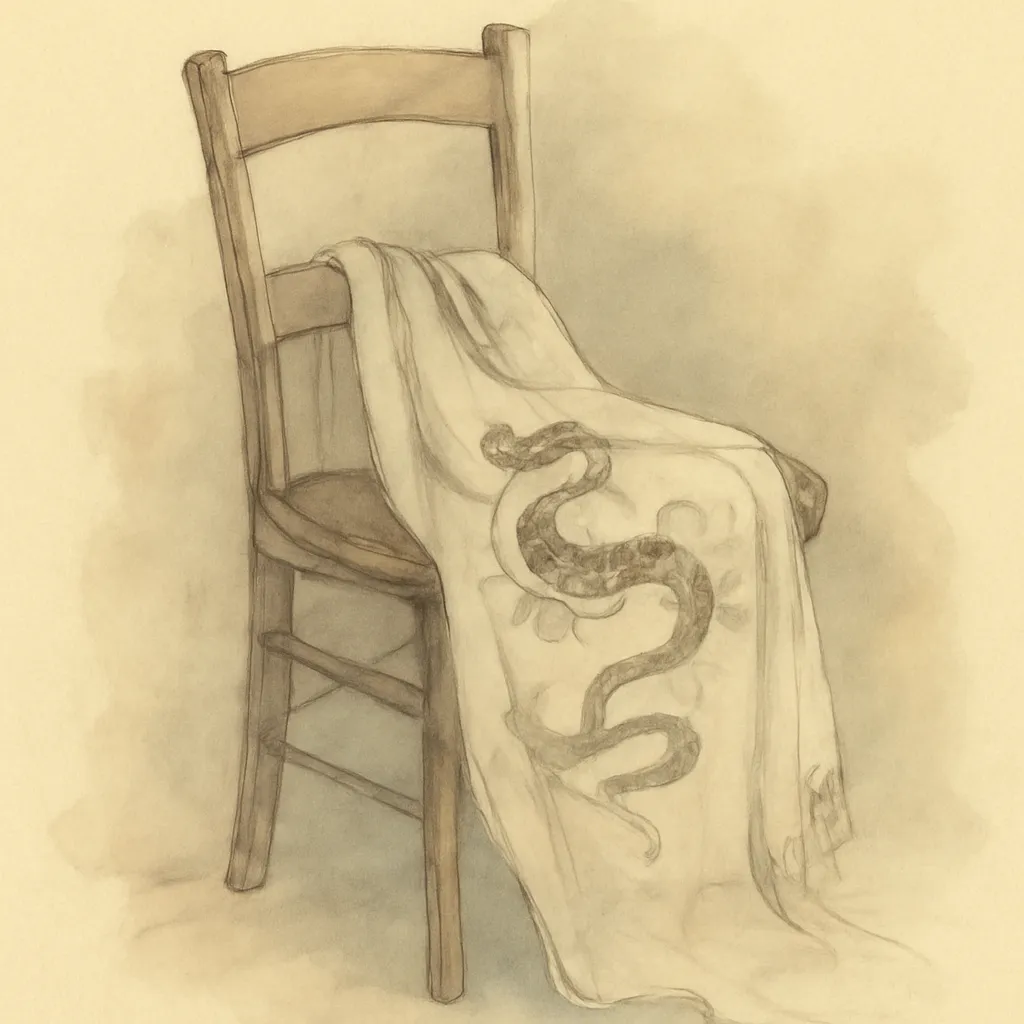
Karamaneh, a complex character intertwined with Fu Manchu's schemes, adds a layer of intrigue to the narrative. Her dual role as both a potential ally and a pawn in Fu Manchu's game raises questions about agency and manipulation. As Smith navigates his feelings towards her, readers witness the struggle between desire and duty. Karamaneh's character challenges the notion of loyalty and complicity, as she grapples with her place within Fu Manchu's world. Her presence serves to humanize the conflict, showcasing how individuals can become ensnared in a web of evil, often against their will. Through her backstory, the narrative explores themes of victimhood and resilience, amplifying the stakes for both the protagonists and the antagonist. Karamaneh's oscillation between being a subject of desire and a victim of circumstance adds emotional depth to the story, prompting readers to consider the moral complexities inherent in her situation and the broader implications of her identity.
7.The Psychological Warfare of Fu Manchu
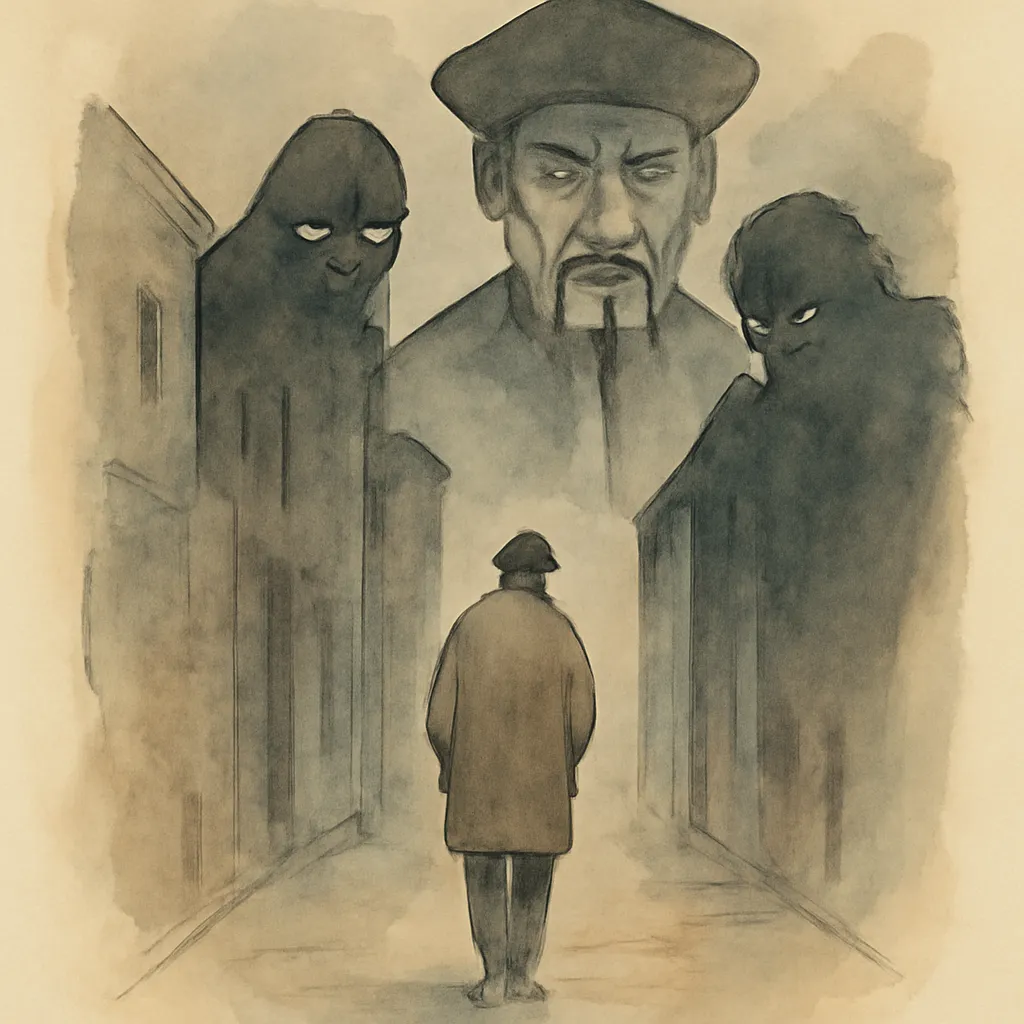
Fu Manchu's mastery of psychological manipulation is a recurring theme throughout the novel. He employs fear, uncertainty, and deception as weapons against his enemies, creating an atmosphere of dread that permeates every encounter. His ability to instill panic, as seen through the mysterious deaths and the blank letters, demonstrates his understanding of human psychology. This strategic approach to crime elevates Fu Manchu from a mere villain to a formidable adversary whose intellect rivals that of his opponents. Smith’s acknowledgment of Fu Manchu’s cunning serves as a reminder of the ongoing battle between good and evil, suggesting that the true conflict lies not just in physical confrontations but in the minds of those involved. The psychological stakes are heightened by Fu Manchu’s ability to manipulate events from the shadows, ensuring that even the most vigilant opponents can fall prey to his deceptions. This theme of psychological warfare resonates with readers, emphasizing the complexities of moral clarity in a world where motives and truths are obscured.
8.The Symbolism of the Puma
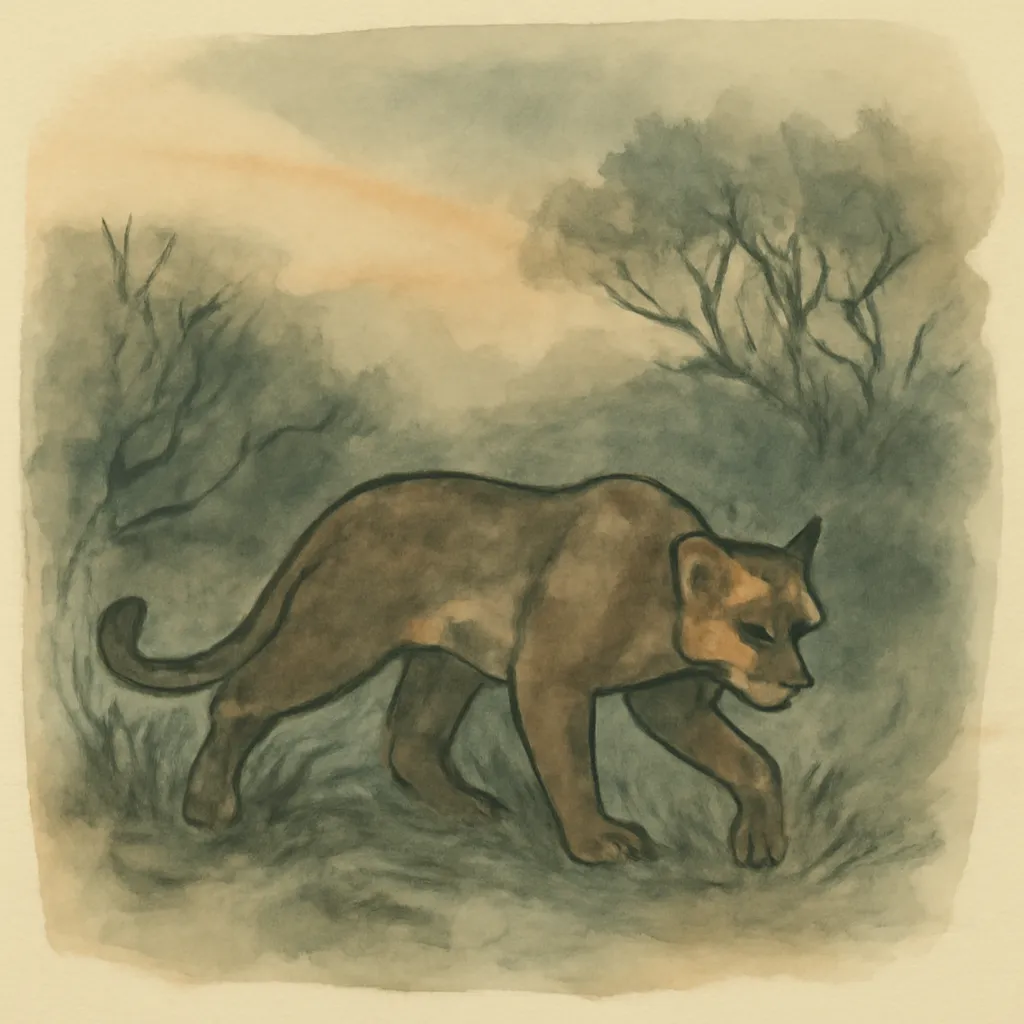
The appearance of a puma in the narrative serves as a potent symbol of the wild, untamed forces represented by Fu Manchu. The creature's presence evokes a sense of danger and unpredictability, mirroring the chaotic nature of the criminal underworld that Fu Manchu embodies. The puma's agility and stealth parallel Fu Manchu's own methods, emphasizing the cunning and ferocity with which he operates. This symbolism reinforces the idea that Fu Manchu is not merely a man but a force of nature, embodying the primal instincts that drive his actions. The puma becomes a manifestation of the fears that haunt the protagonists, representing the darkness they must confront in their quest for justice. In a broader context, the puma symbolizes the broader cultural anxieties surrounding the East as perceived by the Western characters, encapsulating the tensions and fears that arise from encounters with the 'other' and the unknown.
9.The Climactic Confrontation
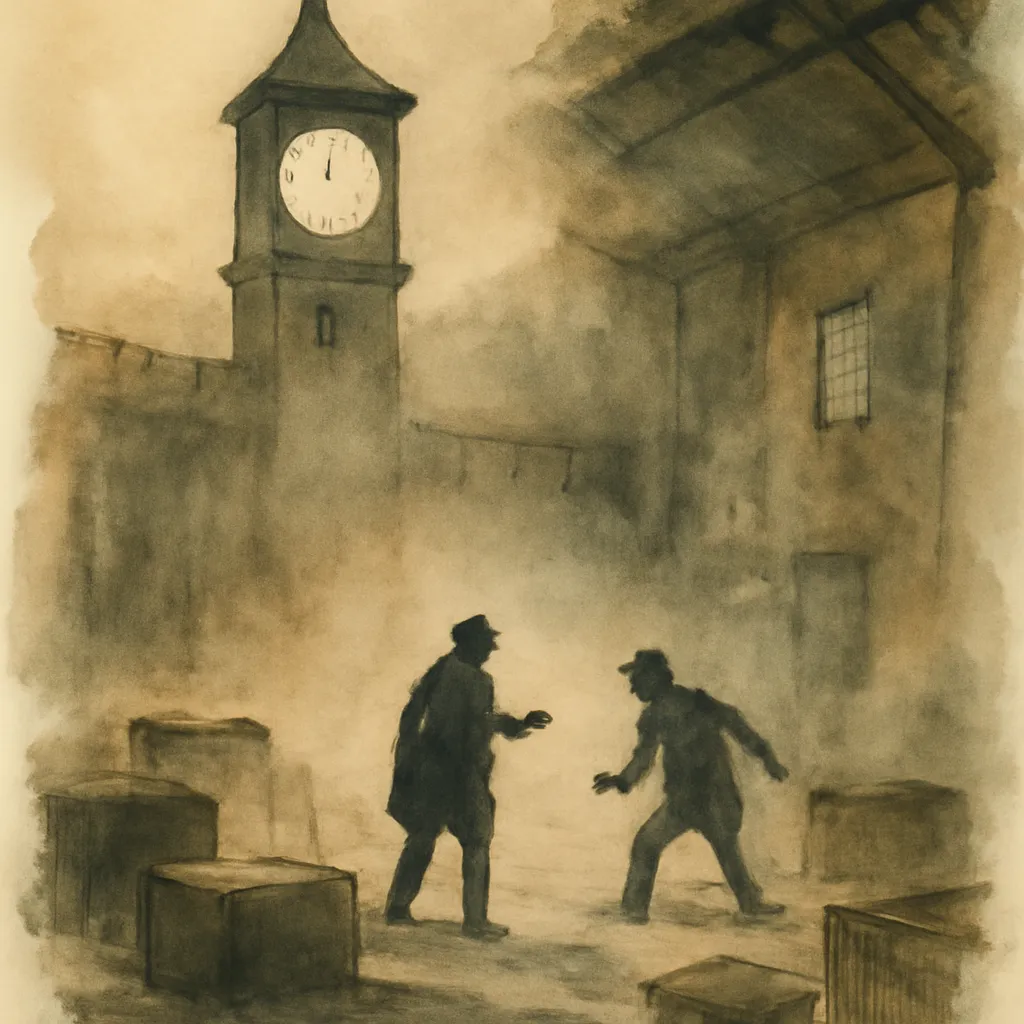
As the narrative builds towards its climax, the tension escalates dramatically. Smith and Petrie find themselves in a race against time to thwart Fu Manchu's plans, underscoring the urgency of their mission. The stakes are raised as they uncover a plot that threatens not only their lives but the safety of society itself. This climactic moment serves as a culmination of the psychological and physical battles that have unfolded throughout the story. It challenges the protagonists to confront their deepest fears and test their resolve against a seemingly invincible foe. The confrontation with Fu Manchu embodies the novel's central conflict, emphasizing the themes of courage, sacrifice, and the enduring struggle against evil, leaving readers on the edge of their seats as they witness the unfolding drama. This moment also reflects the broader philosophical questions surrounding the nature of good versus evil and the lengths to which individuals must go to uphold their values in the face of overwhelming darkness.
10.The Legacy of Evil
The conclusion of 'The Insidious Dr. Fu Manchu' leaves readers pondering the lingering impact of Fu Manchu's actions. The novel does not provide a neat resolution; instead, it emphasizes the notion that evil does not simply vanish but leaves scars on society. The characters' experiences serve as a reminder of the ongoing battle against malevolence, suggesting that the fight for justice is never truly over. This unresolved tension resonates with contemporary readers, as it reflects real-world struggles against corruption and crime. The legacy of Fu Manchu serves as a cautionary tale, urging vigilance against the insidious forces that threaten to undermine civilization. Rohmer's portrayal of Fu Manchu as an enduring figure of evil invites readers to reflect on the complexities of morality and the challenges of confronting darkness in a world where good and evil often coexist.