1.Dreams as Wish Fulfillment
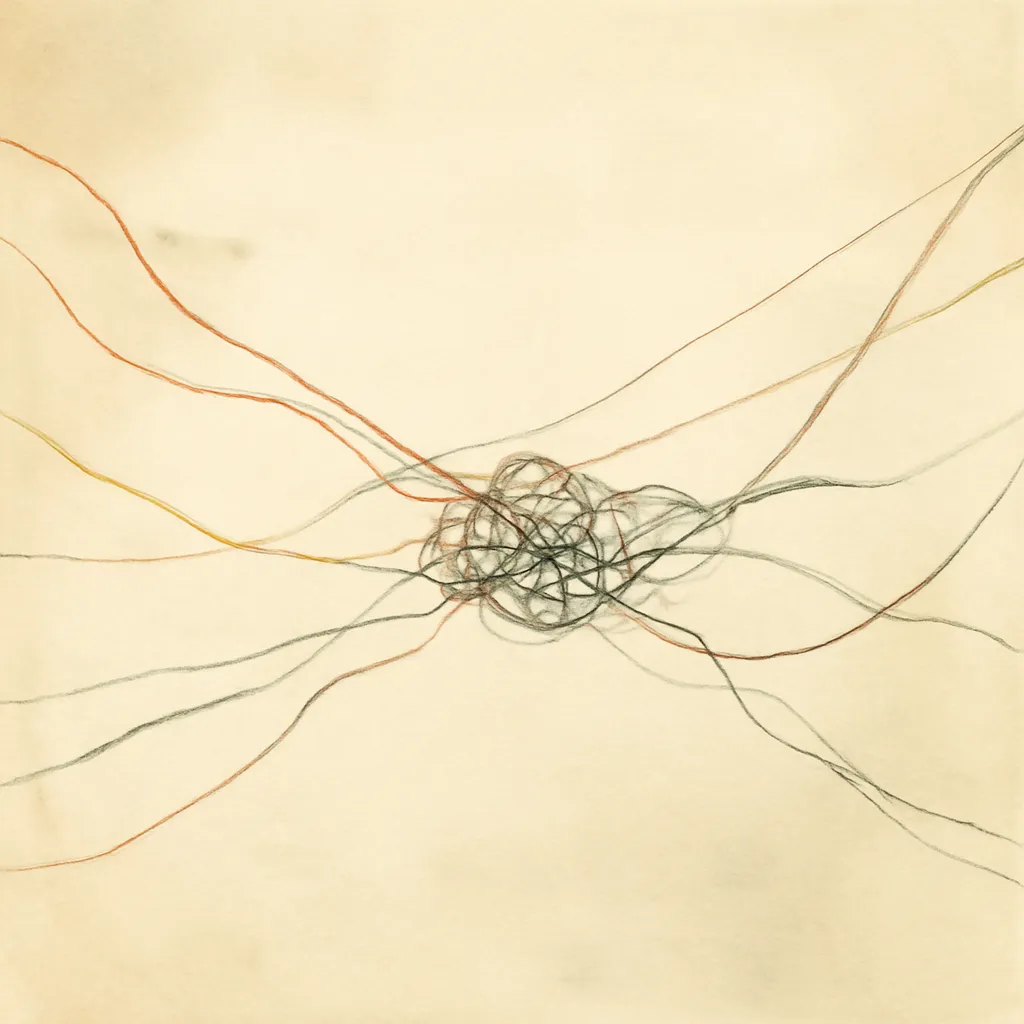
Freud’s central claim is that dreams are the disguised fulfillment of repressed wishes. He argues that even the most bizarre or disturbing dreams can be traced back to unconscious desires, often rooted in childhood. By analyzing the content of dreams, Freud believes we can uncover the hidden motivations that influence our waking lives. This idea was groundbreaking because it suggested that the mind is not fully transparent to itself, and that our desires often operate beneath the surface.
2.Manifest and Latent Content
Freud distinguishes between the manifest content of a dream (what is actually remembered and reported) and its latent content (the hidden psychological meaning). The manifest content is often a distorted version of the true wish or conflict, shaped by internal censorship. Through dream analysis, Freud seeks to decode the latent content, revealing the underlying issues that the dreamer may not consciously recognize.
3.The Unconscious Mind
The Interpretation of Dreams is where Freud fully develops his concept of the unconscious: a vast realm of thoughts, memories, and desires inaccessible to conscious awareness. Dreams provide a unique window into this hidden mental world. Freud’s method of free association—encouraging patients to say whatever comes to mind about a dream—becomes a key tool for exploring the unconscious.
4.Dream Work and Distortion
Freud introduces the idea of 'dream work,' the mental processes that transform latent wishes into the often strange and symbolic images of dreams. These processes include condensation (combining multiple ideas into one image), displacement (shifting emotional significance), and symbolization. Dream work serves to disguise unacceptable wishes, making them more palatable to the conscious mind.
5.Childhood and the Roots of Dreams
Freud asserts that many dreams have their origins in childhood experiences and unresolved conflicts. He argues that early desires, anxieties, and traumas continue to shape the content of our dreams, often resurfacing in disguised forms. This focus on childhood laid the groundwork for later psychoanalytic theories about development and personality.
6.The Method of Interpretation
Freud’s approach to dream interpretation is both systematic and subjective. He emphasizes the importance of context, personal associations, and the unique history of the dreamer. Rather than relying on universal symbols, Freud advocates for a personalized analysis that takes into account the dreamer’s individual psyche.