1.The Majesty of Nature

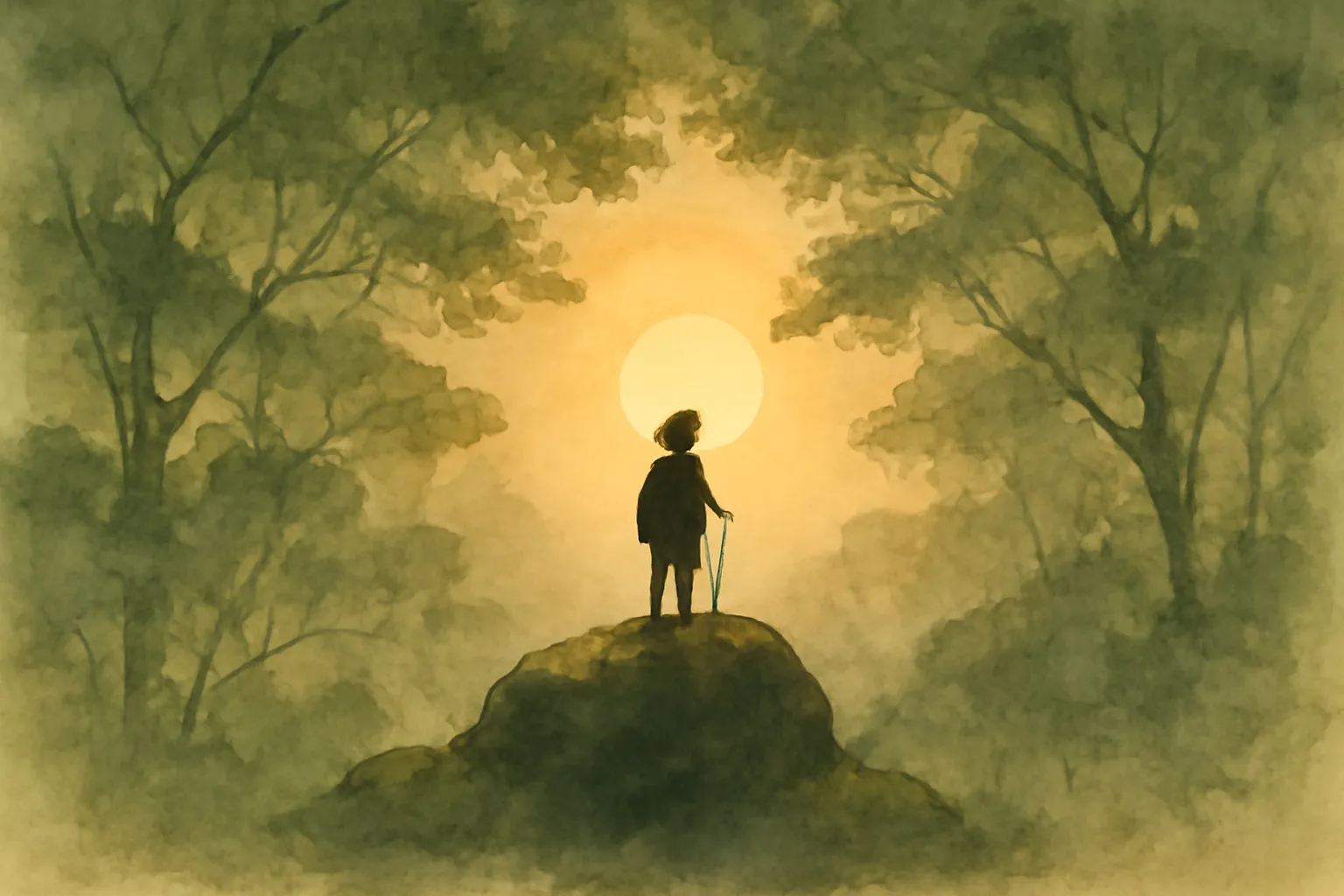
The story opens with a breathtaking description of the Kentucky wilderness, characterized by its dense forests, diverse flora, and vibrant wildlife. This primeval landscape is not merely a backdrop; it is a character in its own right, shaping the lives and destinies of the individuals who inhabit it. Henry Ware's deep connection to the land is evident in his keen observations of the environment, from the colors of the leaves to the sounds of the forest. His attire, made from tanned deerskin, allows him to blend seamlessly into this majestic realm, emphasizing the theme of harmony between man and nature. Through Henry, readers experience the wilderness as a source of strength, beauty, and danger, illustrating the duality of the natural world as both a sanctuary and a battleground. The rich imagery invites readers to visualize the environment, making it feel alive, adding layers of tension as Henry navigates through the underbrush, aware that danger is often intertwined with beauty.
2.The Call to Adventure
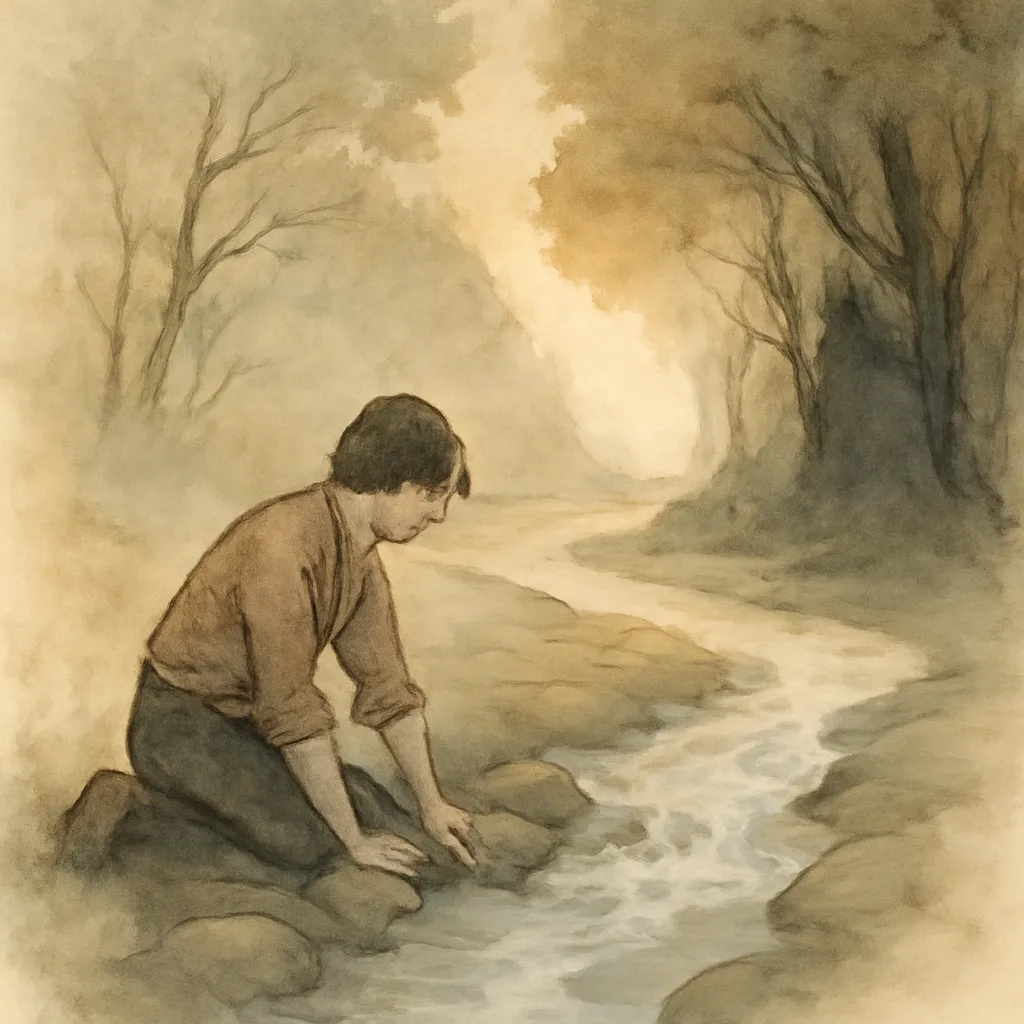
Henry's journey begins with a sense of belonging and purpose as he claims his 'kingdom' in the wilderness. However, the peace is shattered by the looming threat of Indian warriors, prompting Henry and his companions to take action. The camaraderie among the group is palpable, and their discussions reveal their shared understanding of the dangers they face. The decision to scout the Indian camp underscores a pivotal moment in the narrative, as it sets the stage for their impending confrontation. This call to adventure encapsulates the essence of heroism, where individuals are compelled to step out of their comfort zones to protect their home and loved ones. The weight of responsibility rests heavily on Henry's shoulders, showcasing the internal conflict between the desire for safety and the need to confront danger head-on. The narrative captures this tension beautifully, reflecting Henry’s excitement mixed with apprehension, showcasing how the call of duty often leads young heroes to face their fears and emerge transformed by their experiences.
3.The Intricacies of Strategy and Survival

As the story progresses, the importance of strategy and cunning in survival becomes increasingly evident. Henry and his friends exhibit not only physical prowess but also intellectual acumen as they devise plans to outsmart their adversaries. The use of stealth, careful observation, and tactical retreats highlights the significance of resourcefulness in the wilderness. When Henry decides to observe the Indian camp from a distance, he demonstrates the wisdom of patience and the value of gathering intelligence before acting. This approach contrasts sharply with the more impulsive actions of the warriors, who often rely on brute force rather than strategic thinking. The narrative showcases how survival in the wilderness is not solely about strength; it also requires a keen mind and the ability to adapt to changing circumstances. For example, in planning their movements through the forest, Henry’s decisions are carefully calculated, showing that every choice can have significant consequences on their survival against overwhelming odds.
4.The Bonds of Brotherhood
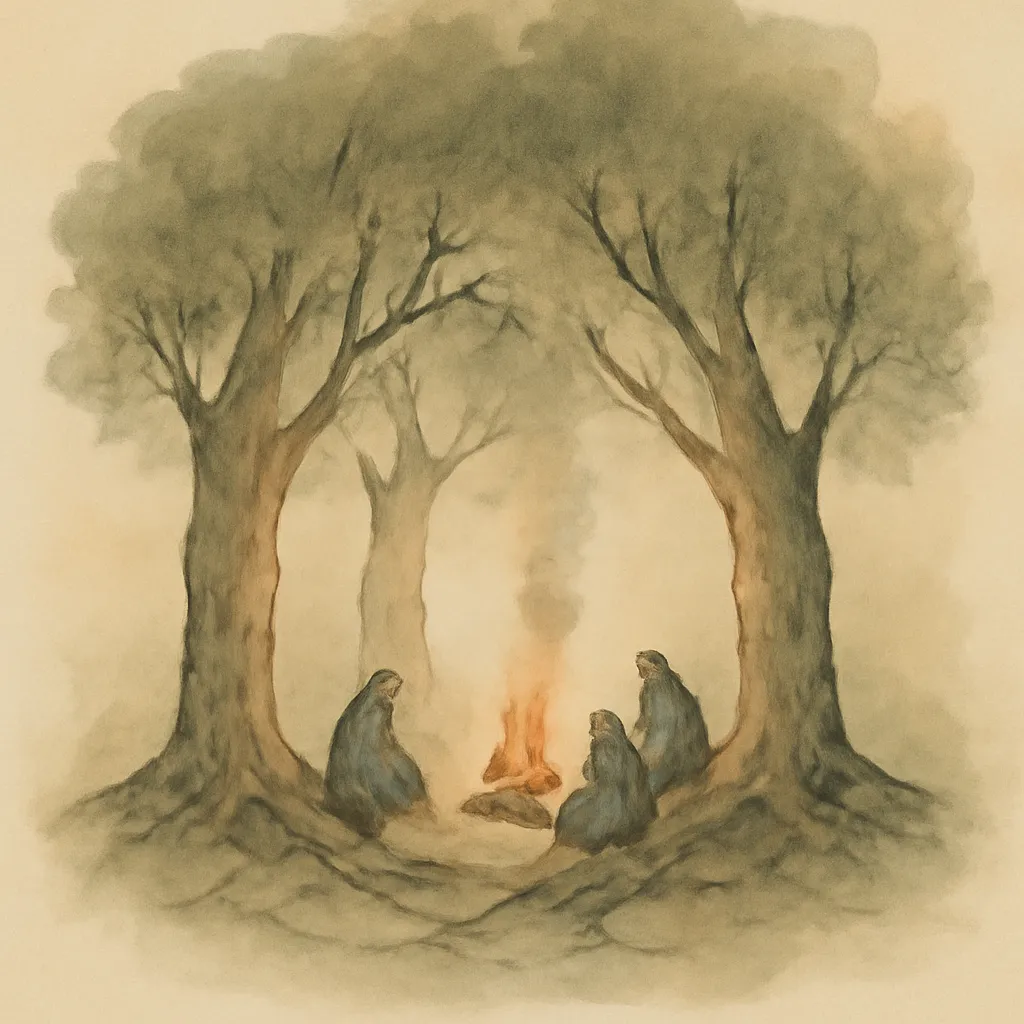
The relationships among Henry and his companions are central to the narrative, emphasizing the theme of brotherhood forged through shared experiences. Each character brings unique strengths to the group, contributing to their collective resilience. Silent Tom, Long Jim, and Shif'less Sol each have distinct personalities that complement Henry's leadership. Their banter and camaraderie provide moments of levity amid the tension of their circumstances, reinforcing the idea that human connections are vital for survival. The characters' loyalty to one another is tested as they navigate the dangers of the wilderness, showcasing the depth of their bond. This exploration of friendship and loyalty adds emotional weight to the story, reminding readers that in the face of adversity, the strength derived from relationships can be just as powerful as physical prowess. The narrative illustrates how these bonds are not just about camaraderie; they are essential for mental and emotional support that keeps each character grounded in times of peril.
5.Facing the Enemy
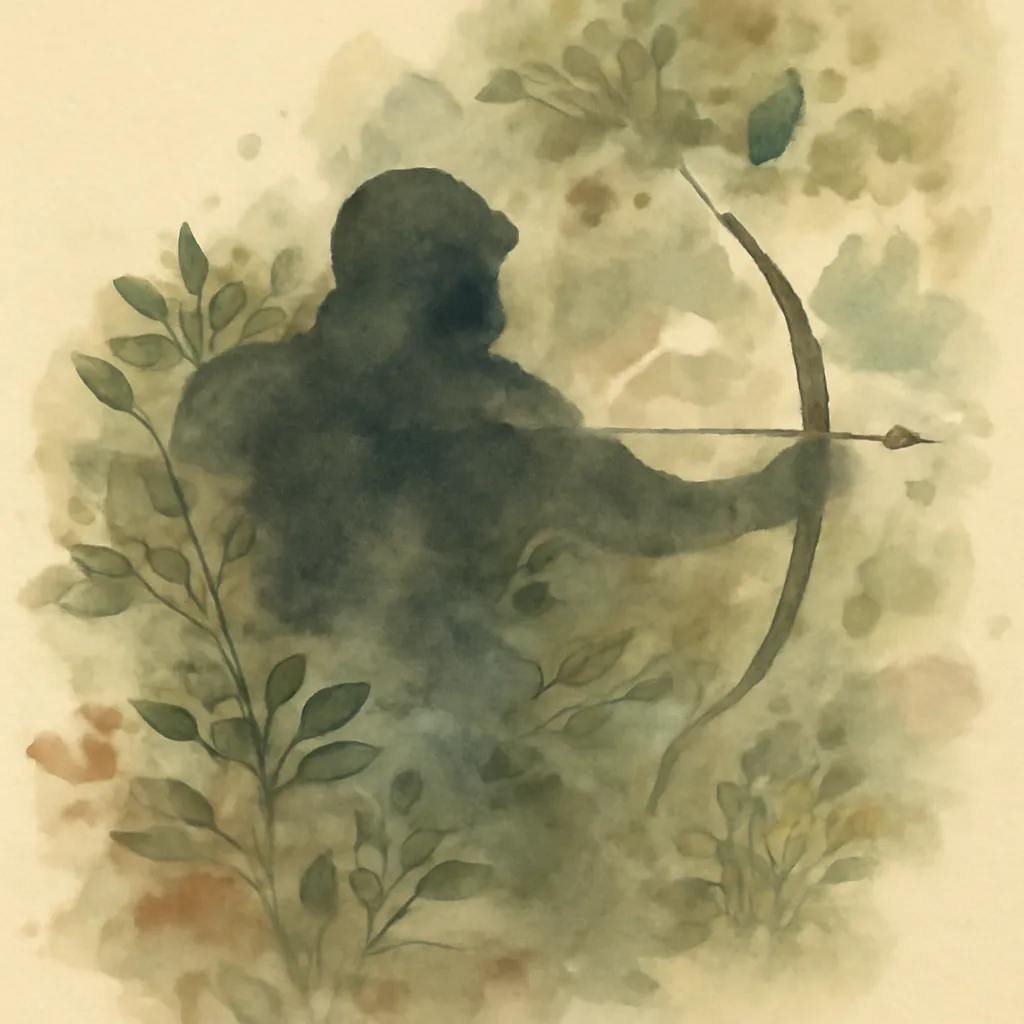
The encounters with the Indian warriors serve as a critical backdrop to the narrative, presenting a complex portrayal of conflict. Henry's interactions with the enemy reveal the nuances of warfare in this historical context, where misunderstandings and cultural differences often exacerbate tensions. The warriors are depicted not merely as foes but as individuals with their own motivations and histories. This complexity is evident in Henry's reflections on the nature of the conflict, where he grapples with the moral implications of their struggle. The tension between survival and empathy becomes a central theme as Henry must reconcile his duty to protect his people with the recognition of a shared humanity. The narrative subtly encourages readers to view the enemy not just as a threat but as part of a larger story of survival, suggesting that there are often shared interests and experiences beneath the surface of conflict. This realization adds depth to Henry’s character as he navigates his path through these encounters, constantly weighing the cost of his actions.
6.The Wisdom of the Wilderness
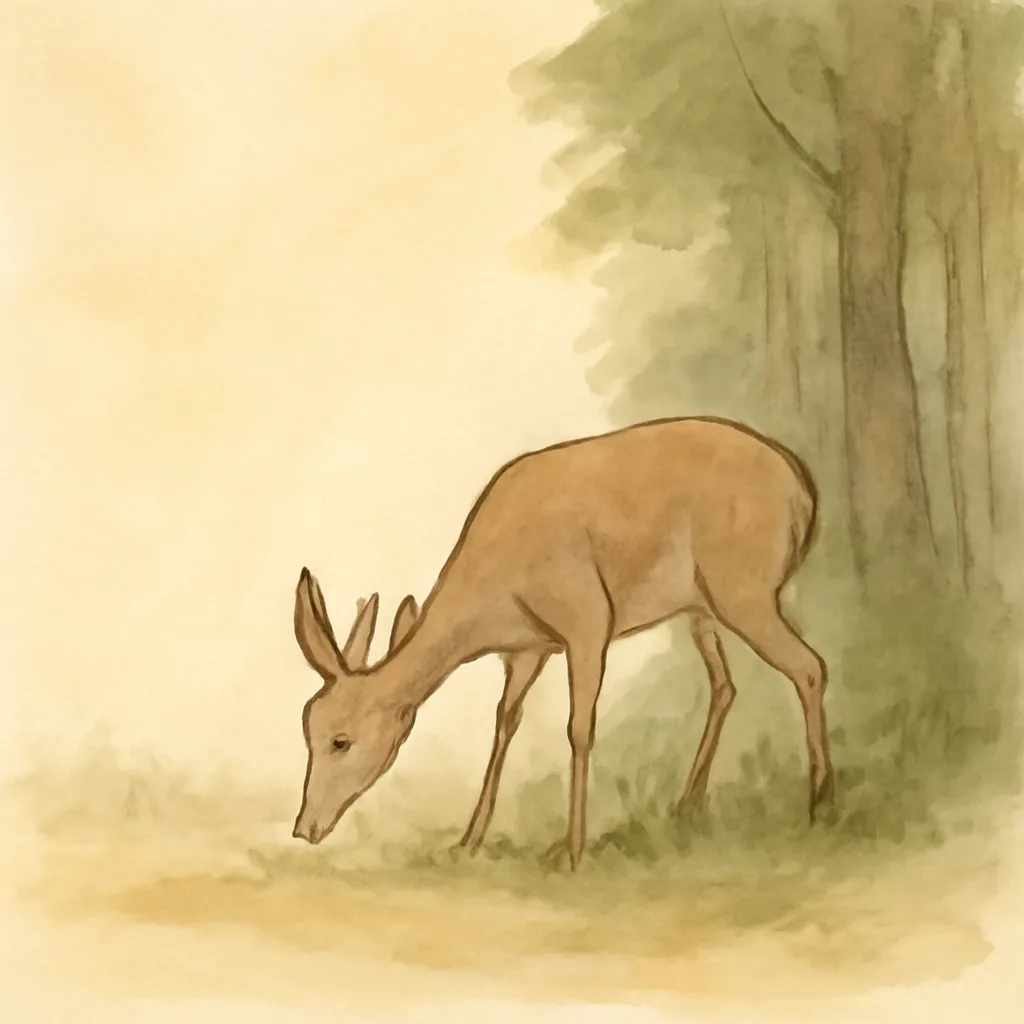
Throughout the story, the wilderness serves as a teacher, imparting lessons of resilience, patience, and respect for nature. Henry's experiences in the forest reflect a profound understanding of the natural world, highlighting the importance of being attuned to one's surroundings. His ability to read the signs of the forest—such as the behavior of animals and the movement of the wind—illustrates the deep connection between humans and the environment. These lessons extend beyond survival skills; they encompass a broader philosophy of life that values harmony with nature. The narrative encourages readers to appreciate the wisdom embedded in the wilderness, advocating for a relationship with nature that is respectful and reciprocal. Henry's observations of the wildlife and his respect for the environment reinforce the idea that the forest is a living entity that deserves protection, serving as an early call for environmental consciousness that resonates with contemporary readers.
7.The Power of Courage
Courage emerges as a defining trait of Henry and his companions, manifesting in various forms throughout their journey. Whether it is the bravery to confront an enemy or the resolve to protect each other, their actions exemplify the essence of true heroism. Henry's decision to venture into dangerous territory alone demonstrates not only physical bravery but also the emotional strength required to face uncertainty. The narrative explores the idea that courage is not the absence of fear but rather the willingness to act despite it. This nuanced portrayal of bravery resonates with readers, offering a relatable perspective on the challenges faced in their own lives. The emphasis on courage as a multifaceted quality encourages reflection on how individuals can cultivate resilience in the face of adversity. Henry’s internal struggles with fear and doubt further highlight that courage is as much about overcoming personal barriers as it is about facing external threats.
8.The Importance of Adaptability

As the story unfolds, adaptability emerges as a crucial trait for survival in the ever-changing landscape of the wilderness. Henry and his friends are constantly faced with new challenges, requiring them to adjust their strategies and approaches. For instance, when confronted with the prospect of a siege, they must find ways to outmaneuver the enemy while ensuring their own safety. This ability to pivot in response to circumstances underscores the importance of being flexible and open-minded. The narrative illustrates that survival is not a linear path; it is a dynamic process that necessitates quick thinking and innovation. This theme resonates with readers, reminding them of the value of adaptability in their own lives, particularly in the face of unforeseen obstacles. Situations in the story require the characters to re-evaluate their plans on the fly, reflecting how life often forces individuals to rethink their strategies when confronted with unexpected challenges.
9.The Legacy of the Wilderness
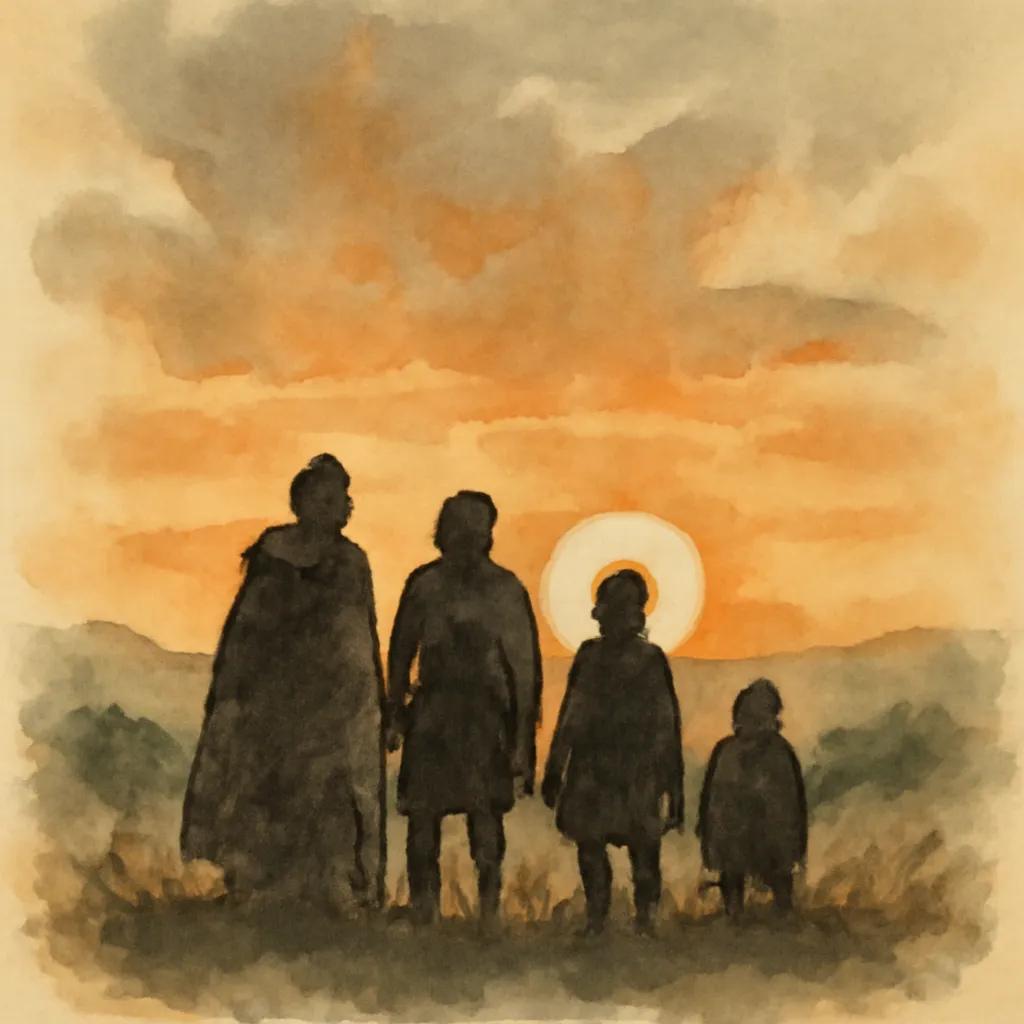
The concluding chapters of the story reflect on the enduring legacy of the wilderness and its impact on the characters' lives. As Henry and his companions confront their foes and navigate the complexities of their environment, they embody the spirit of resilience that defines those who have come before them. The wilderness is portrayed as a living entity, one that shapes the identities of those who dwell within it. The narrative suggests that the lessons learned in the wilderness extend beyond individual survival; they contribute to a collective memory that informs future generations. This exploration of legacy invites readers to consider their own connections to the natural world and the stories that shape their identities. The theme of legacy serves as a poignant reminder that the struggles and triumphs of the past continue to resonate in the present, influencing the path forward. In Henry’s journey, we see the foundation of a narrative that celebrates not only individual growth but also a deep-rooted respect for the land and its history.