1.The Struggles of a Female Physician
Dr. Emma Harpe embodies the challenges faced by women in the medical profession during the early 20th century, a time when societal norms dictated strict gender roles. As a female doctor, Emma grapples with skepticism and prejudice from both her male peers and patients, who often dismiss her capabilities based solely on her gender. For instance, when she first arrives in Crowheart, she is met with incredulous stares and questions about her qualifications, highlighting the pervasive bias against women in medicine. Lockhart illustrates Emma's determination to prove her worth, showcasing her medical skills and her commitment to her patients despite the constant battle against gender bias. Her character resonates with contemporary readers, as it accentuates the ongoing struggles that women face in various fields, making her journey both historical and relatable.
2.Ambition in the Face of Adversity
Emma's ambition fuels her drive to excel in her field, but it also places her in precarious situations that test her resolve. Her pursuit of success often comes at the expense of her personal life, painting a complex picture of the price of ambition. For instance, her dedication to her patients leads her to work grueling hours, sacrificing relationships and social opportunities along the way. Lockhart emphasizes that ambition is not without its costs; Emma's relentless drive can sometimes alienate her from those around her, creating a complex dynamic between her professional aspirations and personal fulfillment. This theme echoes the experiences of many who strive for success, illustrating the delicate balance between ambition and personal sacrifice. Readers are invited to reflect on how ambition shapes their own lives and the compromises they make in pursuit of their goals.
3.Societal Expectations and Gender Roles
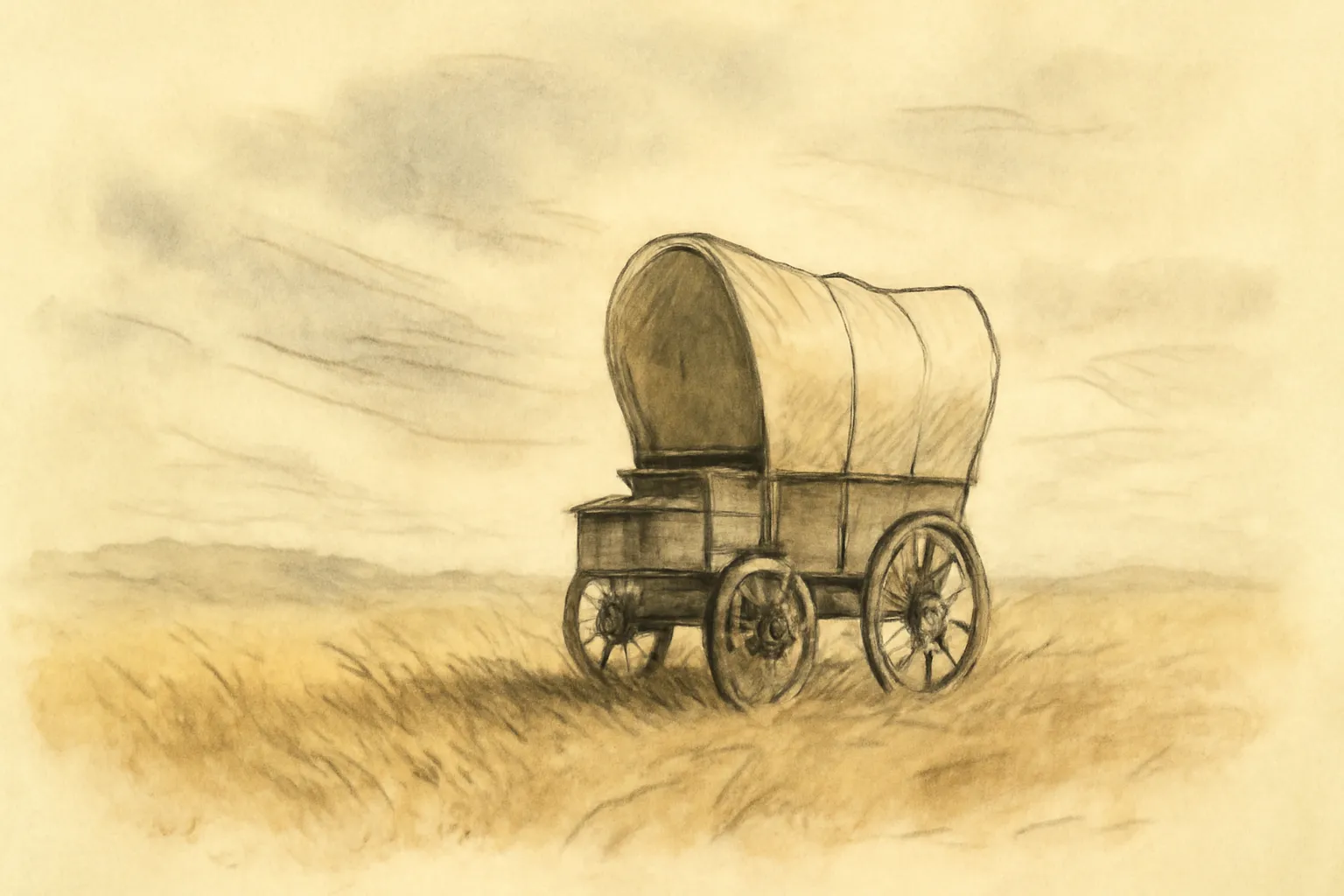
The novel intricately paints a vivid picture of the societal norms that dictate women's roles during this period, particularly in frontier communities. Lockhart skillfully portrays the expectations placed on women to marry, bear children, and remain confined within the domestic sphere. Emma's defiance of these norms serves as a powerful statement about women's rights and autonomy. Through her interactions with other female characters, the narrative explores the diverse ways women cope with societal pressures. Some women conform to traditional roles, while others, like Emma, challenge the status quo, leading to a rich tapestry of female experiences. This exploration of gender roles invites readers to consider how far society has come and the work that remains in achieving true gender equality. The juxtaposition between Emma and her contemporaries highlights the evolution of women's rights and the ongoing struggle for autonomy.
4.The Complexity of Personal Relationships
Emma's relationships are deeply intertwined with her professional life, creating a complex web of interactions that reflect her struggles. Lockhart captures the nuances of her friendships, rivalries, and romantic entanglements, illustrating how her ambition affects those around her. For instance, her relationship with Andy P. Symes, a man from a prominent family, becomes a focal point of tension. Symes embodies the societal pressures that Emma resists, and their interactions reveal the challenges of navigating love and ambition. The emotional depth of these relationships adds layers to Emma's character, showcasing her vulnerabilities and desires. Lockhart's portrayal of these dynamics reflects the reality that personal and professional lives often collide, especially for women seeking to carve out their identities in a world that often discourages them from doing so.
5.The Impact of Community on Individual Identity
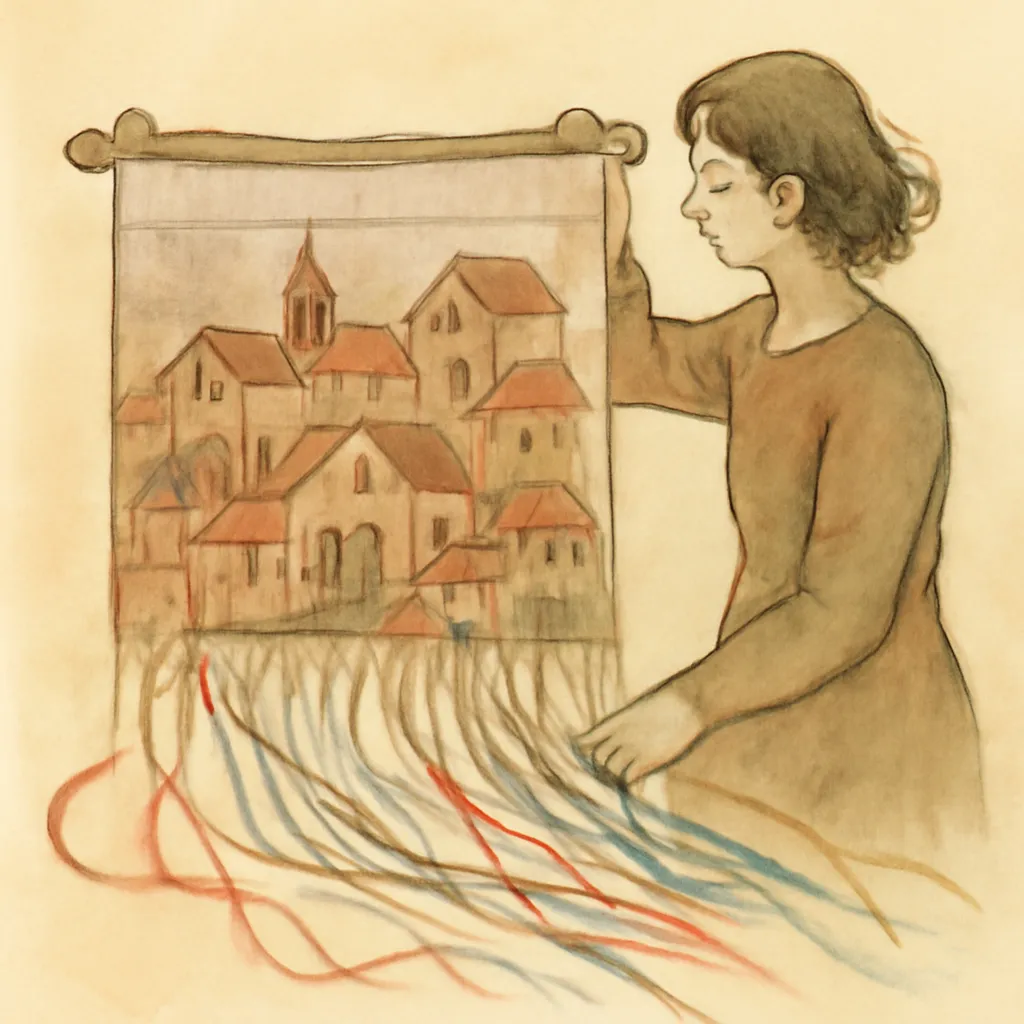
The novel emphasizes the role of community in shaping individual identity, particularly for women like Emma. Her experiences in Crowheart serve as a microcosm of broader societal changes, with the town's evolving dynamics mirroring Emma's personal growth. Lockhart illustrates how the community both supports and challenges Emma's ambitions, reflecting collective attitudes towards women in the workforce. As Crowheart transforms from a small frontier town to a bustling community, the changing demographics and social structures influence Emma's opportunities and identity. The author deftly explores how community dynamics influence personal identity, demonstrating that individuals are often shaped by their surroundings. This theme resonates with readers, reminding them of the interconnectedness of personal and communal experiences.
6.The Role of Humor in Coping with Hardship
Lockhart infuses humor throughout the narrative, providing a counterbalance to the serious themes of ambition and struggle. Emma's witty observations and playful banter serve as a coping mechanism, allowing her to navigate the challenges of her profession and personal life. The humor not only endears Emma to readers but also underscores the resilience required to face adversity. Lockhart's use of humor reveals the importance of levity in difficult situations, suggesting that laughter can be a powerful tool for survival. This theme resonates with readers, as it highlights the human capacity to find joy even amidst hardship, reminding them that humor can serve as a medicine for the soul.
7.The Evolution of Medical Practices
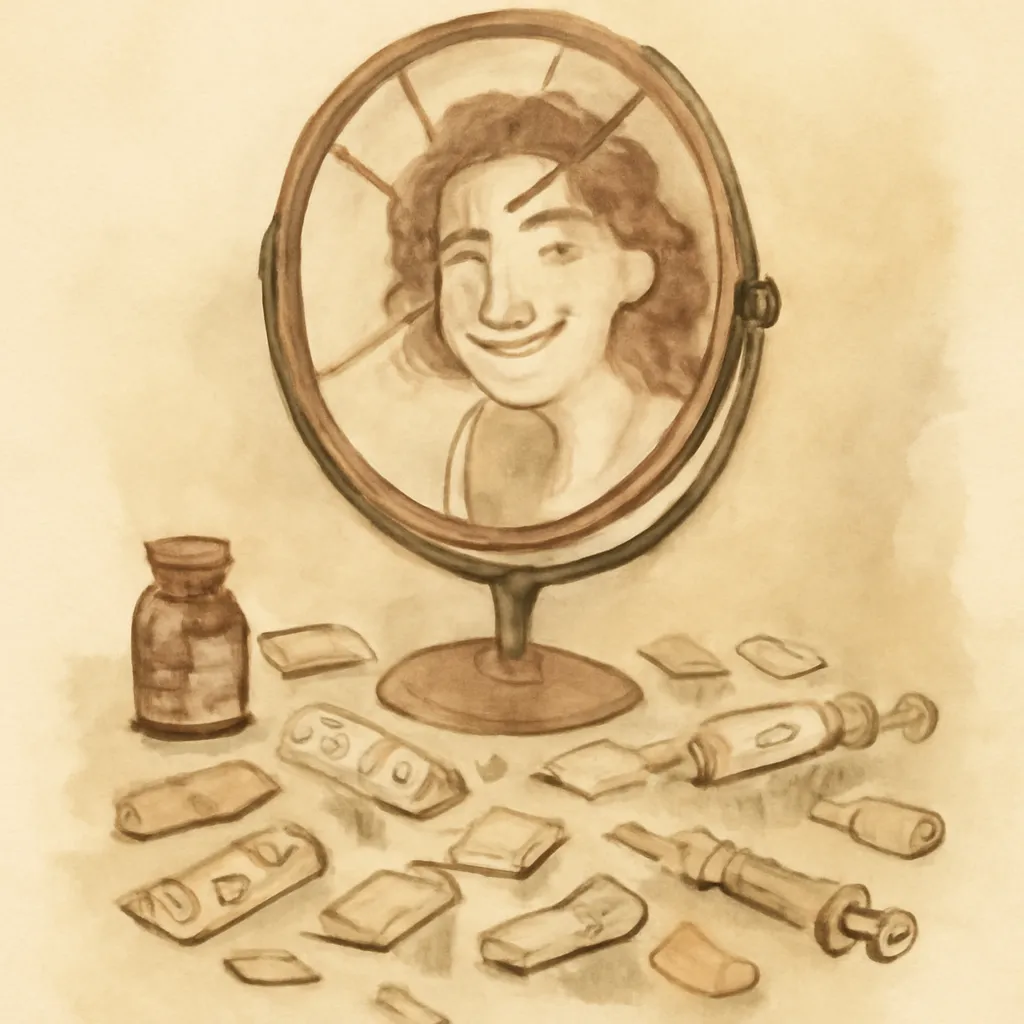
The Lady Doc offers a glimpse into the medical practices of the early 20th century, highlighting the challenges faced by physicians in rural areas. Lockhart presents a realistic portrayal of the difficulties in obtaining medical supplies, the lack of advanced technology, and the necessity for doctors to be resourceful. Emma's ingenuity in treating patients showcases her skill and determination to provide the best care possible, despite the limitations of her environment. This exploration of medical practices serves as a commentary on the evolution of healthcare and the ongoing challenges faced by medical professionals, particularly in underserved areas. Readers are invited to reflect on how far medicine has come and the importance of accessibility to quality care, emphasizing the need for continued advancements in health systems.
8.Friendship as a Source of Strength
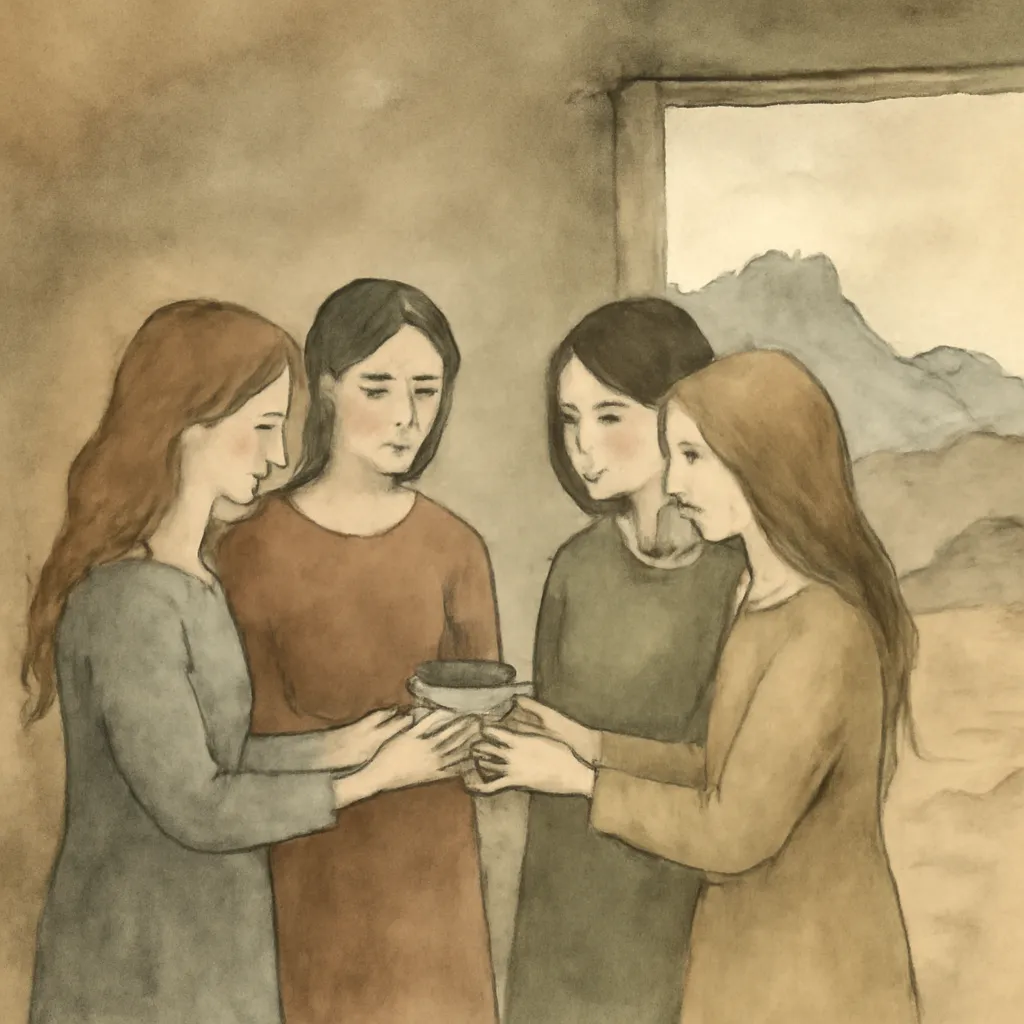
Throughout the novel, the theme of friendship emerges as a vital source of support for Emma. Lockhart illustrates how her relationships with other women provide her with encouragement and solidarity in a challenging world. The bonds she forms with characters like Essie Tisdale serve as reminders of the strength derived from community and shared experiences. These friendships are not without conflict, but they ultimately highlight the importance of collaboration and mutual support among women. Lockhart's portrayal of friendship underscores the idea that connections with others can provide the resilience needed to face life's challenges, emphasizing that the journey toward self-discovery is often best shared.
9.The Quest for Identity and Self-Discovery
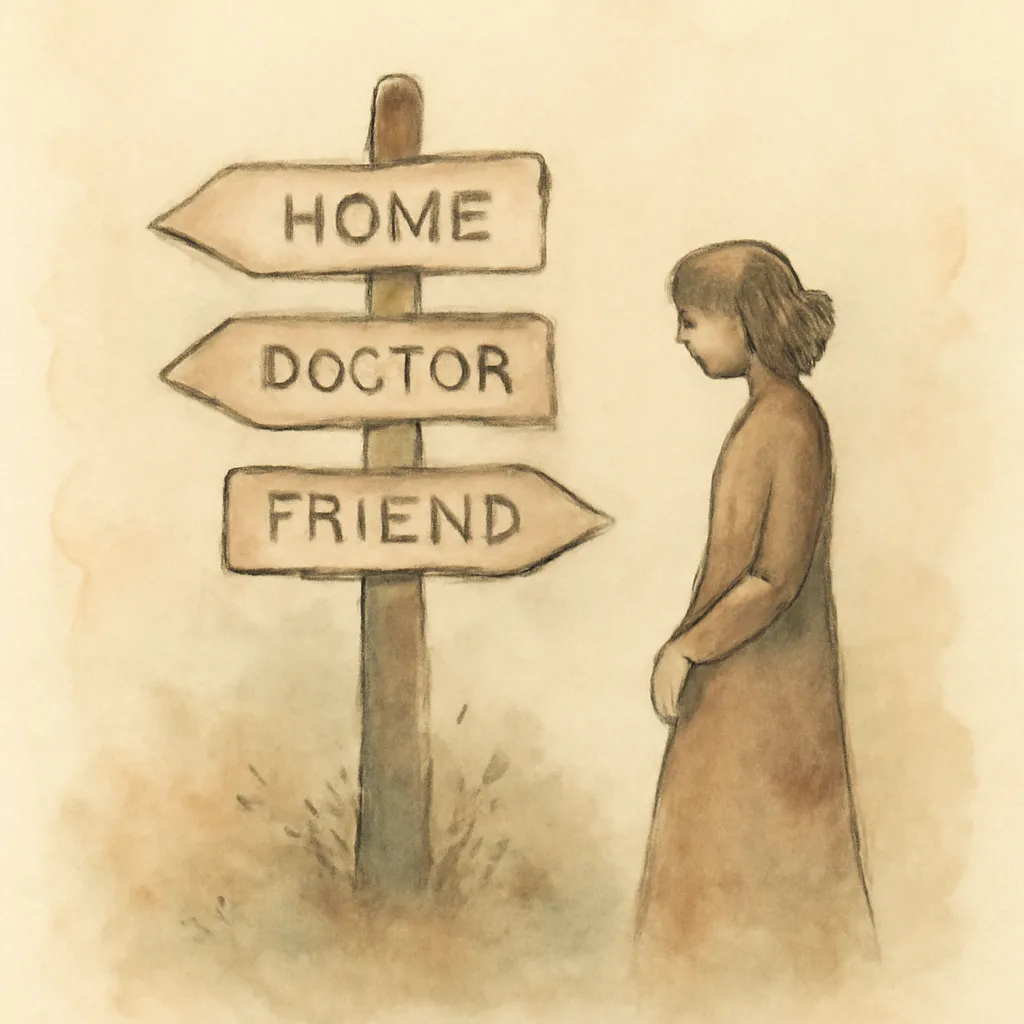
Emma's journey is ultimately one of self-discovery, as she grapples with her identity as a physician and a woman in a rapidly changing world. Lockhart explores the internal conflicts Emma faces as she strives to reconcile her ambition with societal expectations, leading her to question her worth and purpose. This quest for identity is mirrored by the changing landscape of Crowheart, reflecting the broader shifts in gender roles and societal norms. Emma's evolution throughout the narrative serves as an inspiration for readers, encouraging them to embrace their true selves and pursue their passions despite external pressures. Lockhart's exploration of identity resonates with audiences, inviting them to consider their own paths of self-discovery and the bravery it takes to forge one's identity amidst societal expectations.