1.Parallel Narratives Across Time
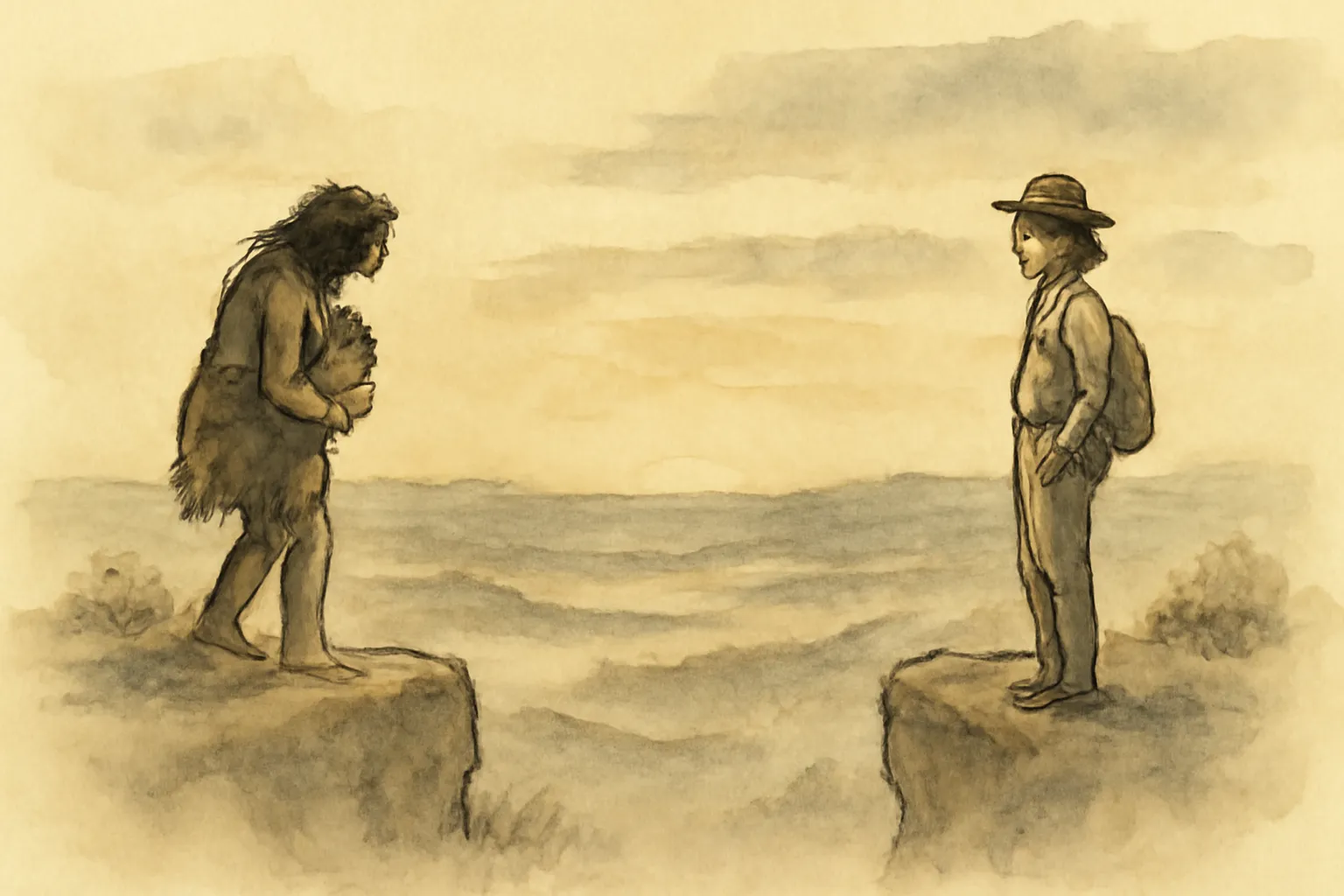
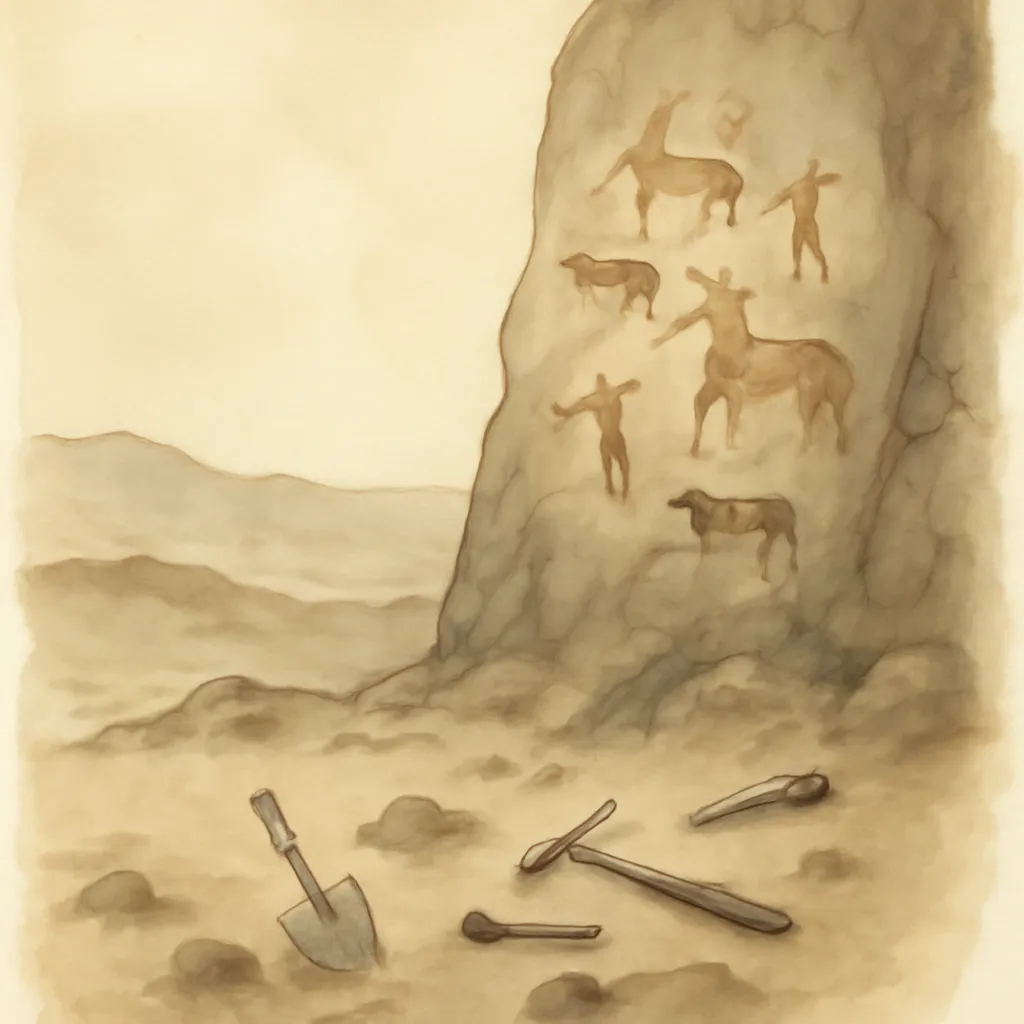
Claire Cameron structures the novel with dual storylines: one following 'Girl,' the last surviving Neanderthal of her family, and the other featuring Rosamund, a present-day archaeologist. This parallelism isn't just a narrative device; it underscores how the struggles, fears, and hopes of women—especially around motherhood and survival—transcend eras. The reader is invited to draw connections between the ancient and the modern, recognizing the universality of certain human experiences.
2.Reimagining Prehistoric Life
Rather than depicting Neanderthals as brutish or simplistic, Cameron humanizes them, portraying their emotional lives, familial bonds, and rituals. The novel challenges outdated stereotypes, emphasizing that Neanderthals were capable of love, grief, ingenuity, and sacrifice. This approach invites readers to reconsider what it means to be 'human' and to see our evolutionary relatives with empathy and respect.
3.Motherhood as a Unifying Force
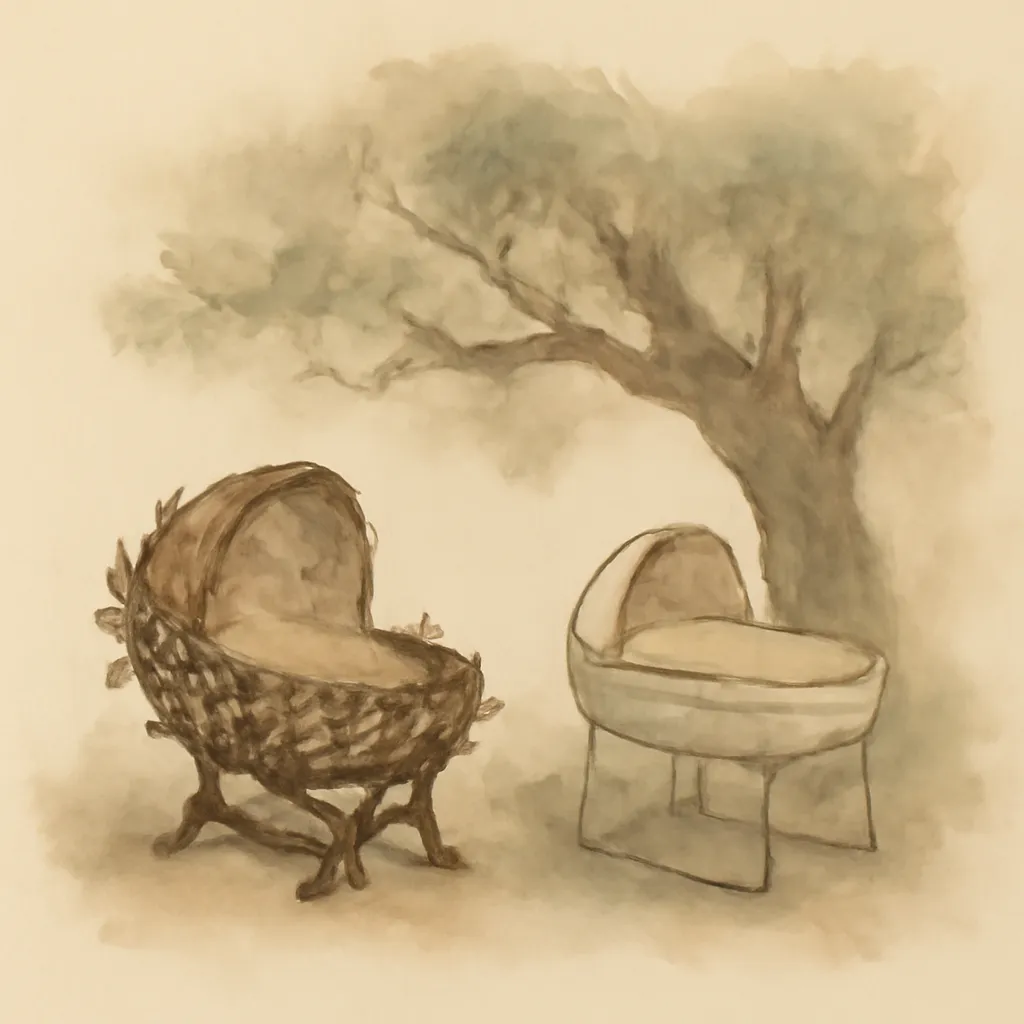
Both Girl and Rosamund grapple with the physical and emotional demands of impending motherhood. Their experiences highlight the vulnerability, strength, and complexity of being a mother in any era. The novel explores how motherhood shapes identity, decision-making, and the willingness to sacrifice for others, suggesting that this bond is both ancient and enduring.
4.Survival and Sacrifice
Survival in The Last Neanderthal is not just about physical endurance, but also about emotional resilience and the willingness to make hard choices. Girl's journey, in particular, is marked by acts of self-sacrifice and adaptation, reflecting the harsh realities of prehistoric life. The novel probes the costs of survival—what is lost, what must be let go, and what is preserved through acts of care and memory.
5.The Limits and Power of Archaeology
Through Rosamund's storyline, Cameron explores the challenges of reconstructing the past from fragmentary evidence. The novel raises questions about what can truly be known about ancient peoples, and how much of their lives—and especially the lives of women—remain invisible to history. Yet, it also celebrates the power of imagination and empathy to bridge those gaps.
6.Gender, Taboo, and Hidden Histories
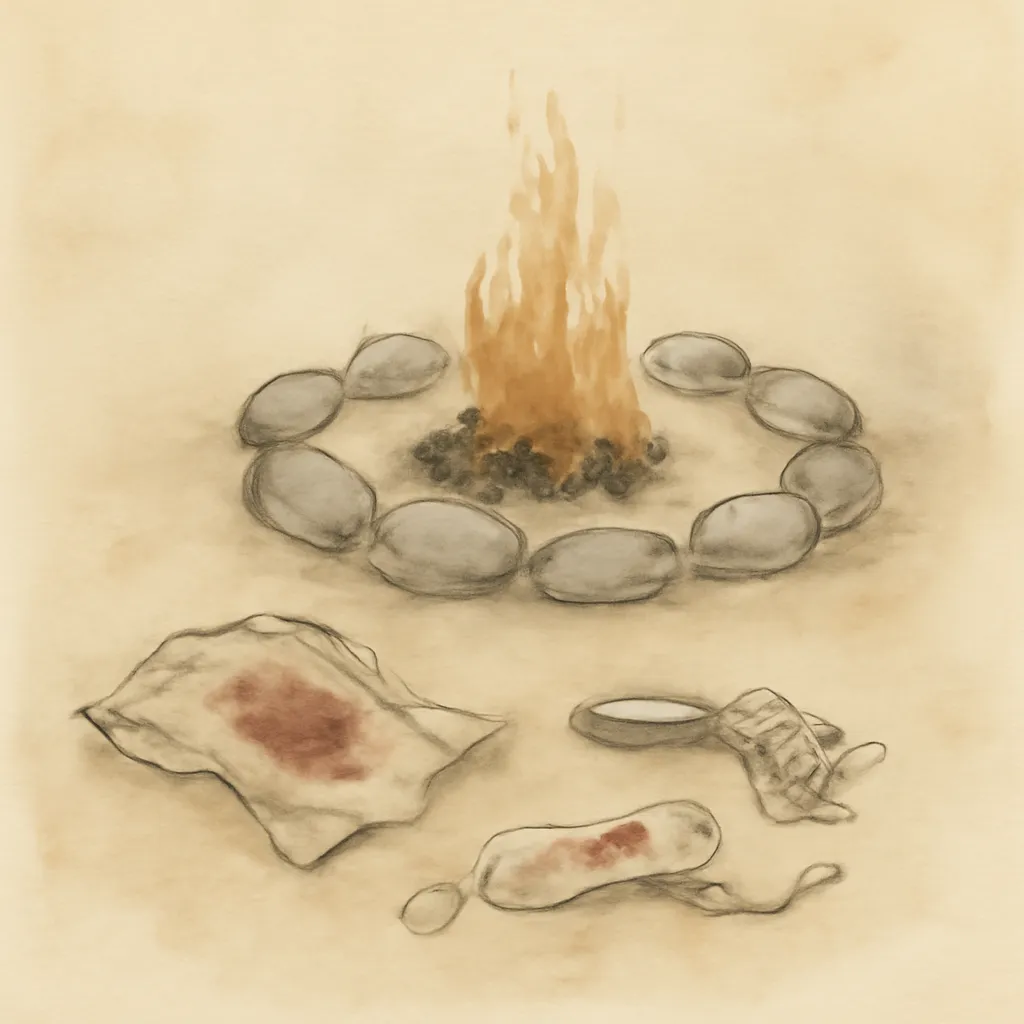
The book delves into aspects of women's lives that are often marginalized or taboo, both in prehistory and today. By foregrounding childbirth, menstruation, and the physical realities of female existence, Cameron challenges the reader to confront the ways these experiences have been overlooked or misunderstood by both science and society.