1.Reimagining Neanderthals
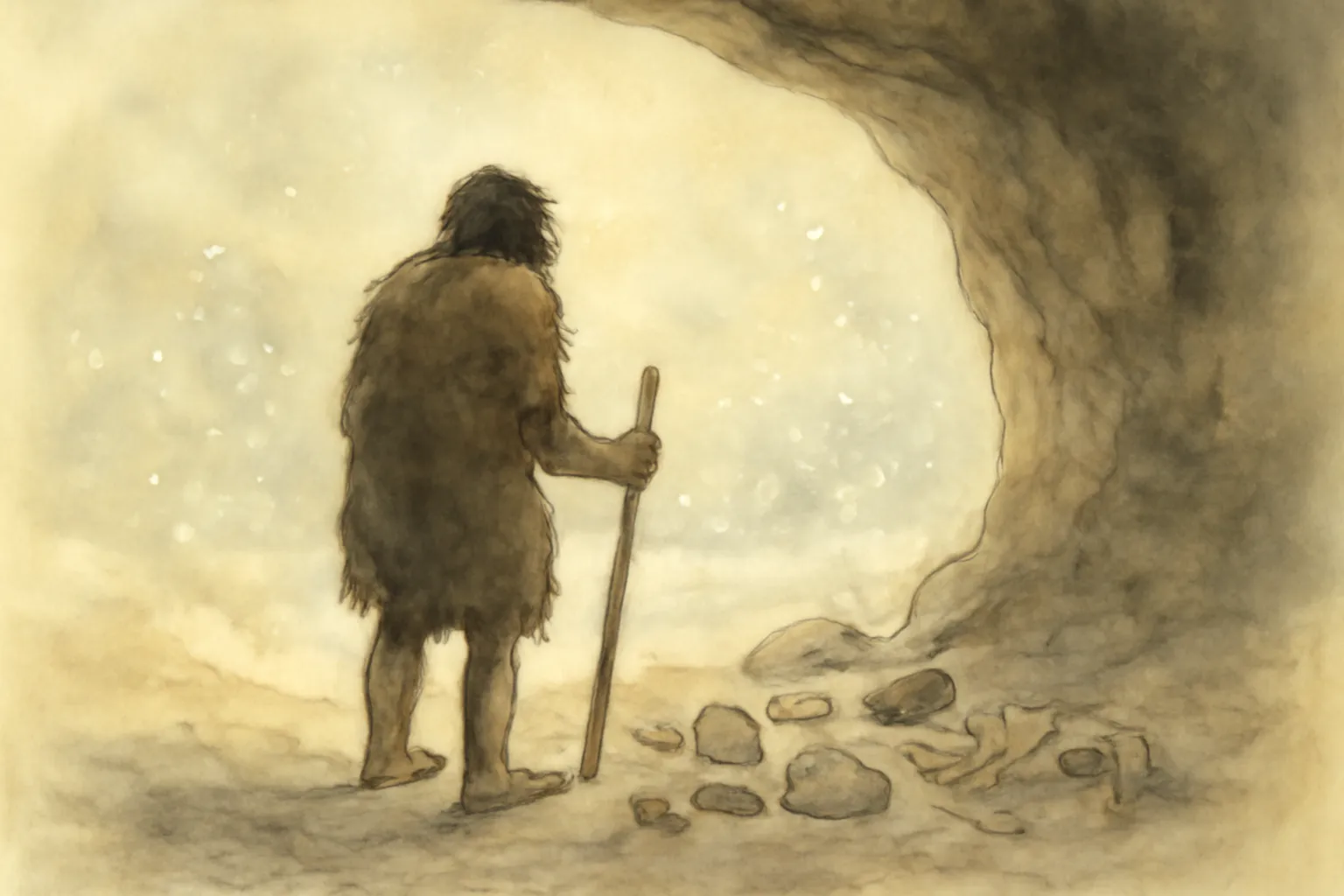
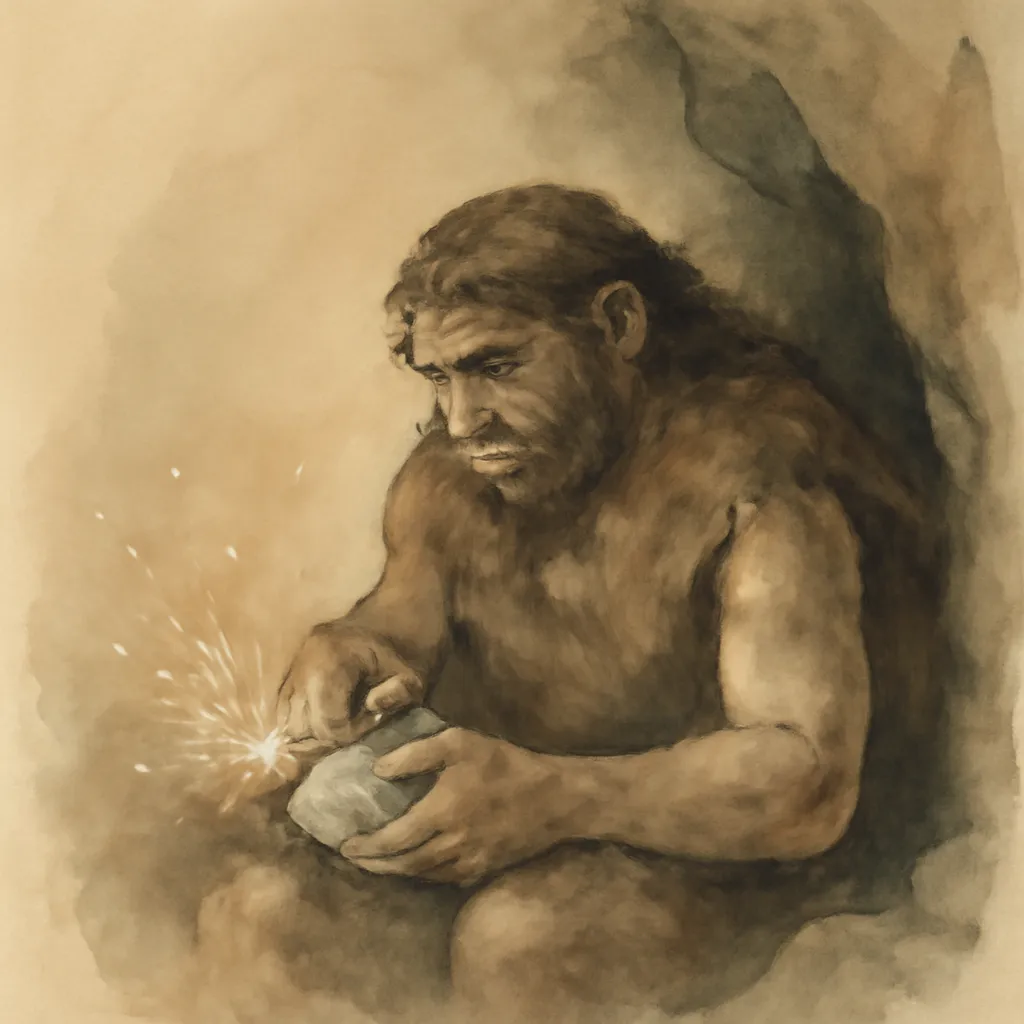
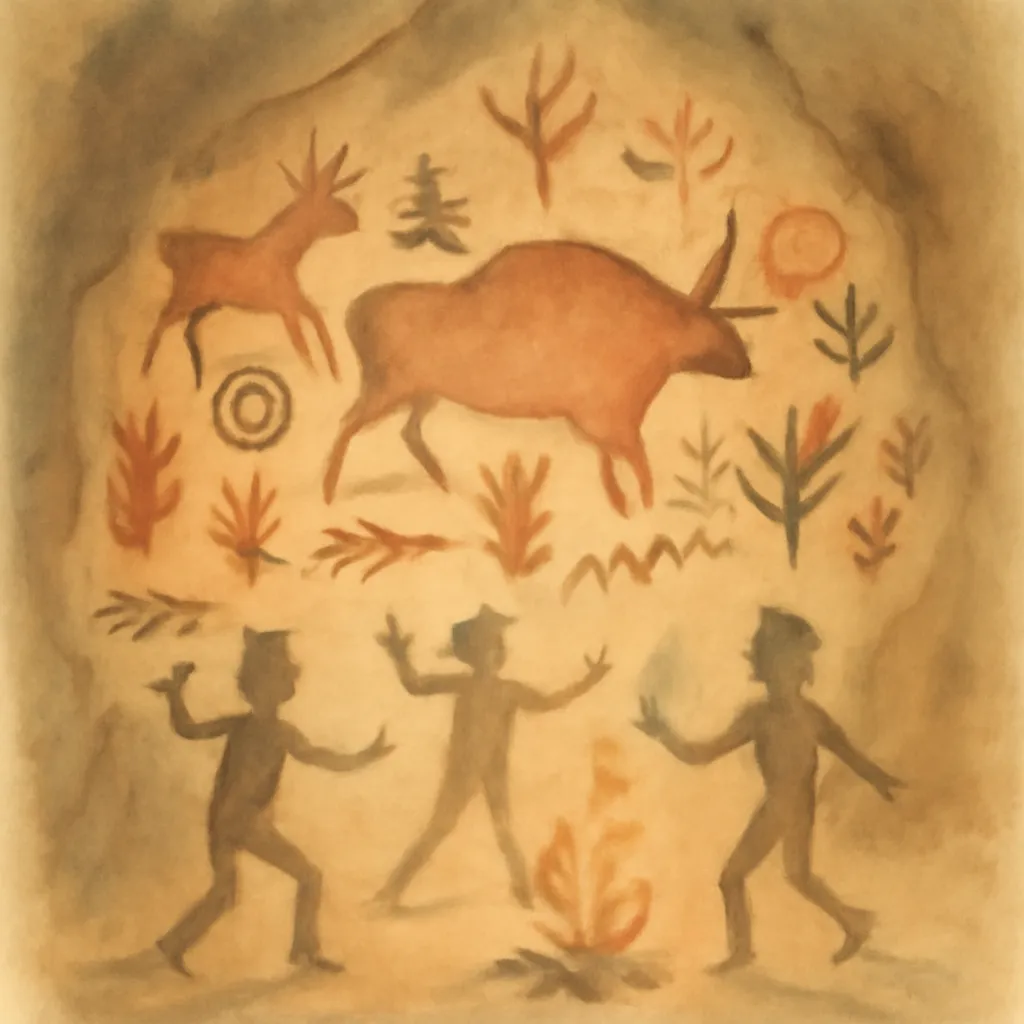
Tattersall challenges the outdated stereotype of Neanderthals as brutish, unintelligent cave dwellers. Drawing on fossil evidence and archaeological discoveries, he reconstructs Neanderthals as adaptable, skilled, and intelligent beings. They made sophisticated tools, controlled fire, and likely had social structures and symbolic behaviors. This reframing is crucial for appreciating their place in human evolution and for understanding the biases that have colored scientific and popular perceptions.
2.Neanderthal Success and Adaptation
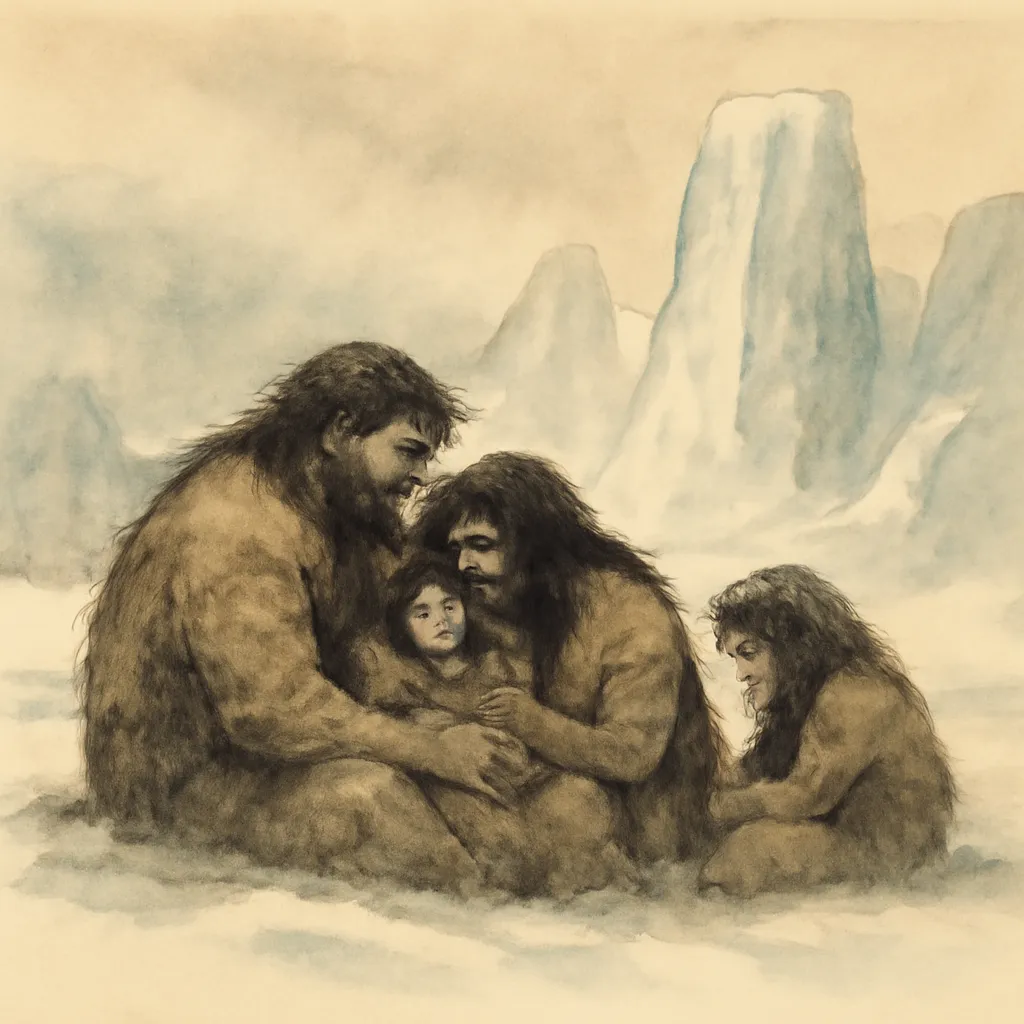
For over 200,000 years, Neanderthals thrived across Europe and western Asia, adapting to harsh Ice Age environments. Tattersall highlights their physical and cultural adaptations—robust bodies suited to cold, complex toolkits, and possible language abilities. He emphasizes that Neanderthals were not evolutionary failures but a remarkably successful branch of the human family tree, surviving dramatic climate shifts and ecological challenges.
3.The Puzzle of Extinction
A central question is why Neanderthals disappeared around 40,000 years ago. Tattersall reviews competing theories: climate change, competition with Homo sapiens, interbreeding, and even possible pandemics. He weighs the evidence, suggesting that the arrival of modern humans—with their more flexible cognition and social networks—may have tipped the balance. Yet, he resists simplistic answers, emphasizing the complexity and contingency of extinction events.
4.The Role of Modern Humans
Tattersall explores how the arrival and spread of Homo sapiens in Europe coincided with Neanderthal decline. He discusses the cognitive and cultural differences—such as symbolic thought, art, and advanced language—that may have given modern humans a competitive edge. However, he cautions against viewing Neanderthals as merely outcompeted, instead highlighting the mosaic of interactions, including possible cultural exchanges and interbreeding.
5.The Power and Limits of Fossil Evidence
The book underscores the challenges of reconstructing ancient lives from fragmentary bones and artifacts. Tattersall demonstrates how new discoveries and technologies—like DNA analysis—have revolutionized our understanding, but also warns of overinterpretation. He advocates for humility and scientific rigor, showing how interpretations shift with each new find.
6.Why Neanderthals Matter
Tattersall argues that studying Neanderthals is not just about the past; it’s about understanding what makes us human. Their story forces us to confront questions about intelligence, culture, and the contingencies of survival. The Neanderthals’ fate is a mirror for our own species, reminding us of both our uniqueness and our shared evolutionary heritage.