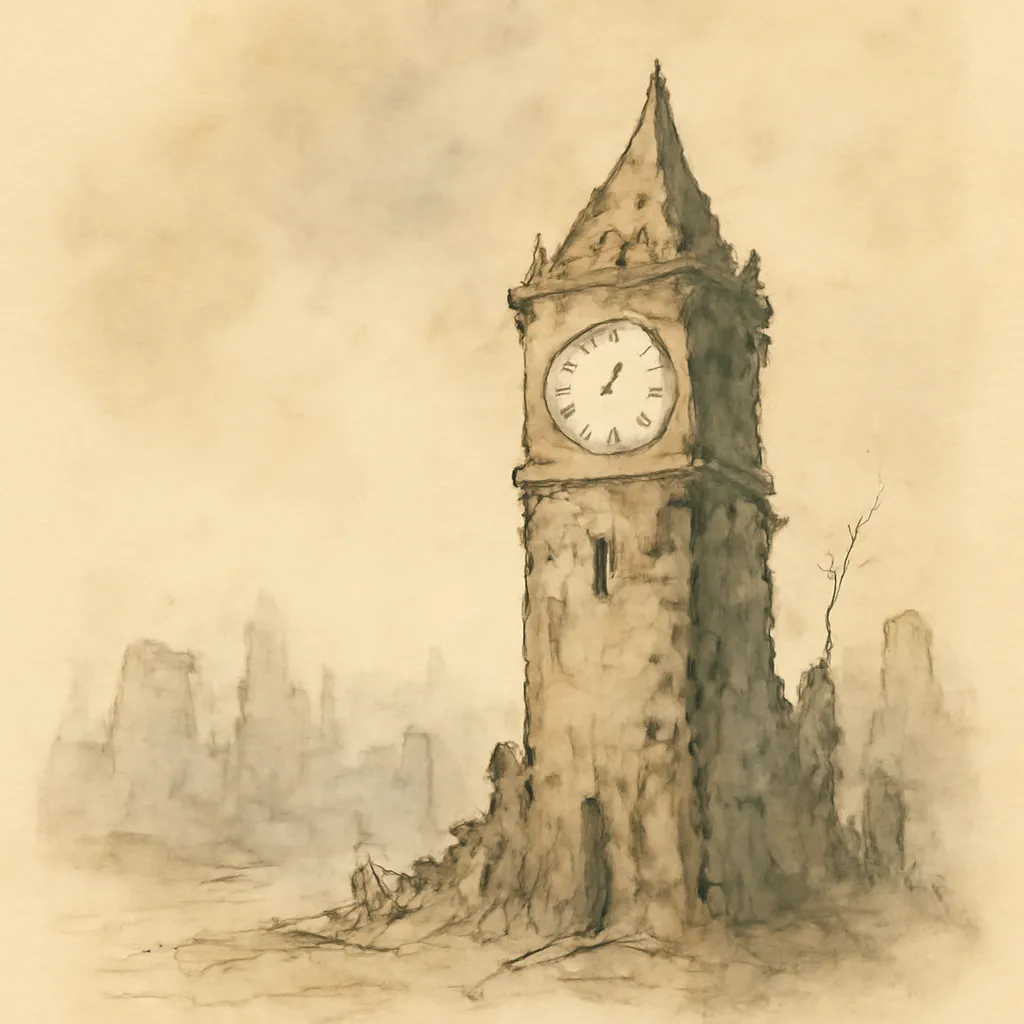
1.The Universe's Final Act: Scientific Theories of the End
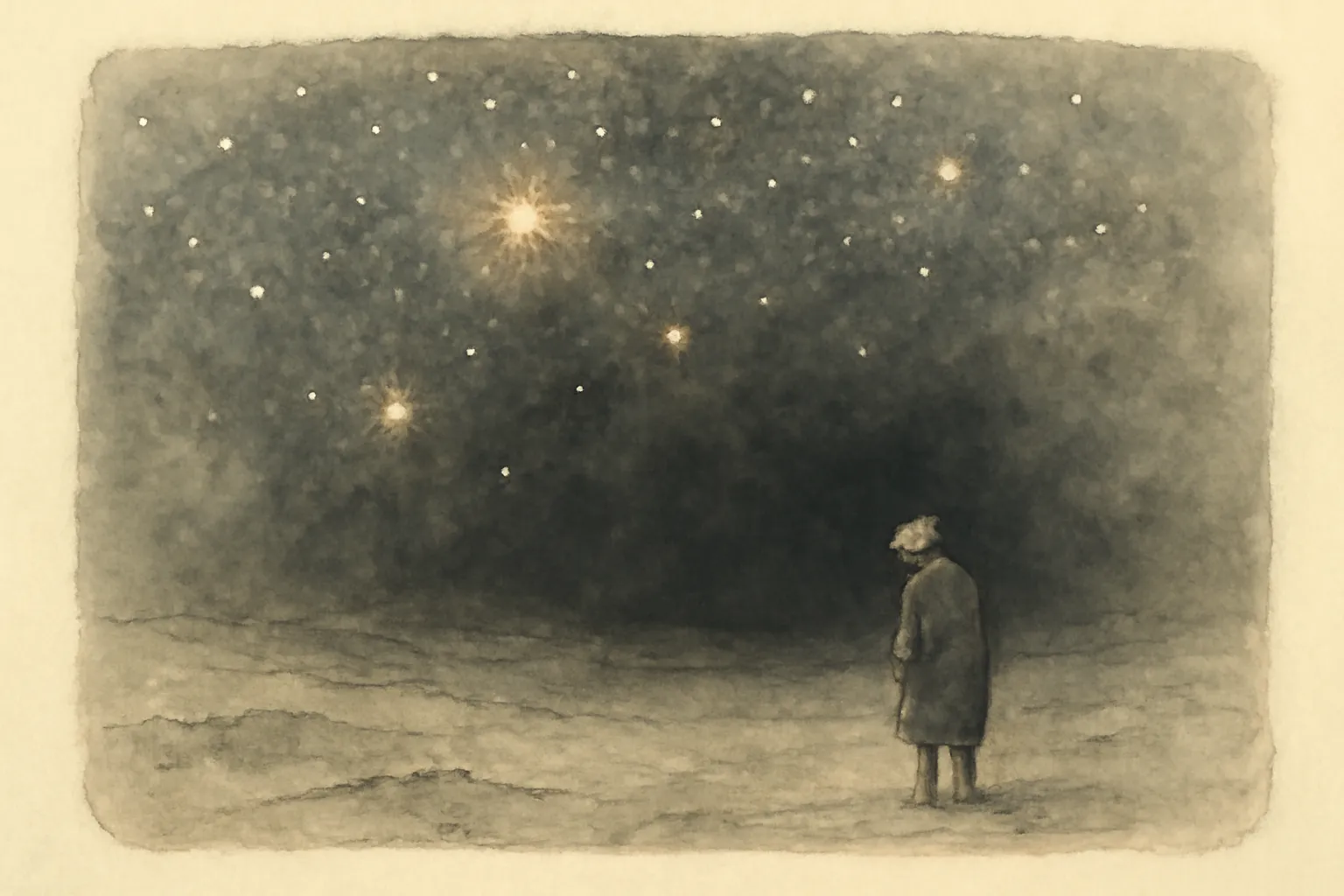
Davies surveys the leading scientific models for the universe's demise, from the slow fade of heat death to the violent collapse of a Big Crunch. He explains how our understanding of cosmology, entropy, and the laws of physics shape these scenarios, and why the universe's fate is still an open question. The book clarifies how subtle differences in cosmic parameters—like the density of matter or the behavior of dark energy—could tip the balance toward one ending or another.
2.Cosmic Catastrophes: Sudden and Unexpected Ends
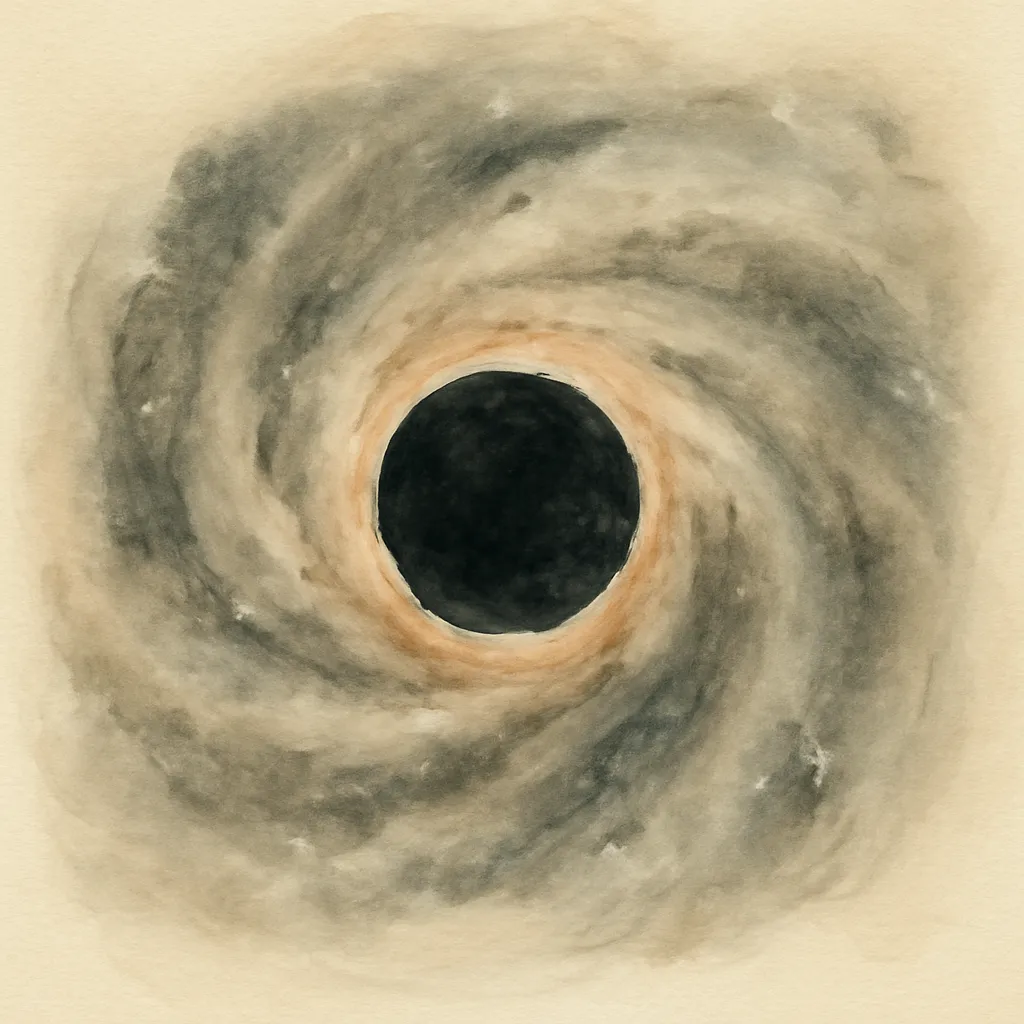
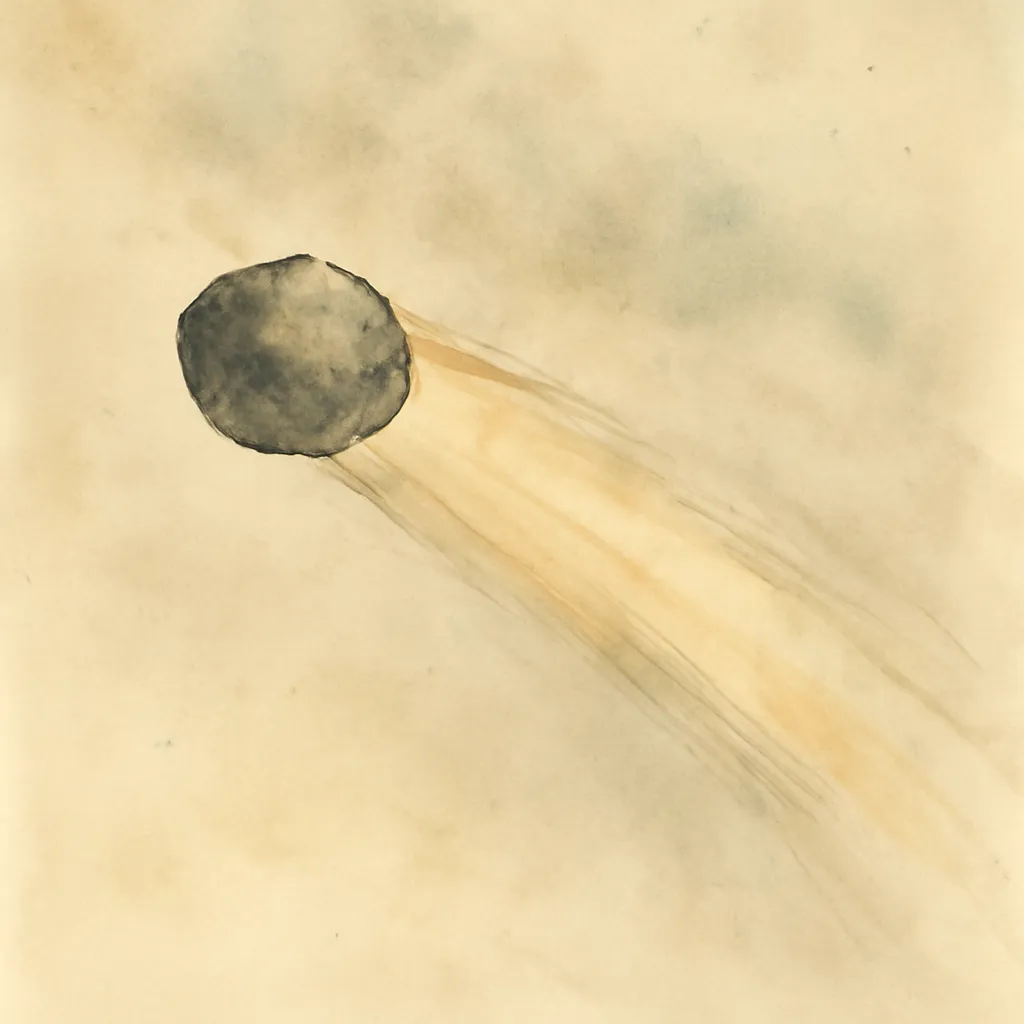
Beyond the gradual scenarios, Davies explores more abrupt possibilities: vacuum decay, gamma-ray bursts, and other phenomena that could obliterate the cosmos (or at least our corner of it) in an instant. He discusses how even the most stable-seeming universe might harbor hidden vulnerabilities, and how the laws of quantum mechanics allow for rare but devastating events that could rewrite reality itself.
3.The Role of Time and Entropy
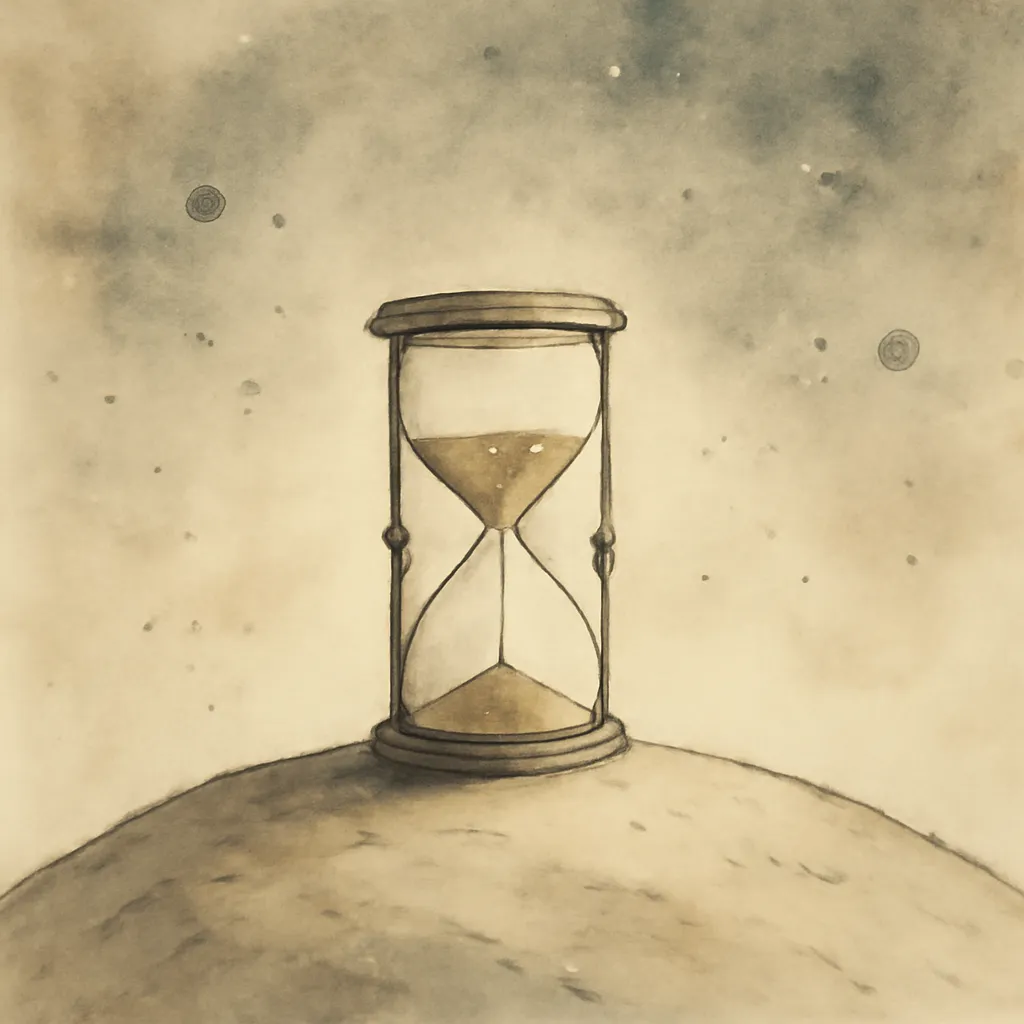
A central theme is the relentless increase of entropy—the universe’s inexorable march toward disorder. Davies explains how this principle underpins the concept of heat death, where all usable energy dissipates and the cosmos becomes a cold, dark expanse. He also delves into the philosophical implications: what does it mean for time, consciousness, and meaning if everything trends toward oblivion?
4.Human Perspective: Our Place in Cosmic History
Davies doesn't just focus on the grand, impersonal fate of the universe; he also considers what these endings mean for humanity. He discusses the fleetingness of intelligent life, the prospects (and limitations) of galactic colonization, and the sobering realization that even our greatest achievements are dwarfed by cosmic timescales. Yet, he finds wonder in our ability to comprehend and contemplate these vast questions.
5.Speculative Science: Wormholes, Baby Universes, and Beyond
The book ventures into the more imaginative edges of physics, considering whether advanced civilizations could escape a dying universe by creating new ones, or travel through wormholes to other realities. Davies treats these ideas with a mix of skepticism and curiosity, showing how they stretch current science but also reflect the human urge to transcend fate.
6.Cosmic Perspective and Existential Reflection
Ultimately, The Last Three Minutes is as much about our search for meaning as it is about astrophysics. Davies uses the science of endings to provoke deep questions about existence, purpose, and the limits of human knowledge. The book encourages readers to face the universe’s impermanence with both humility and awe.