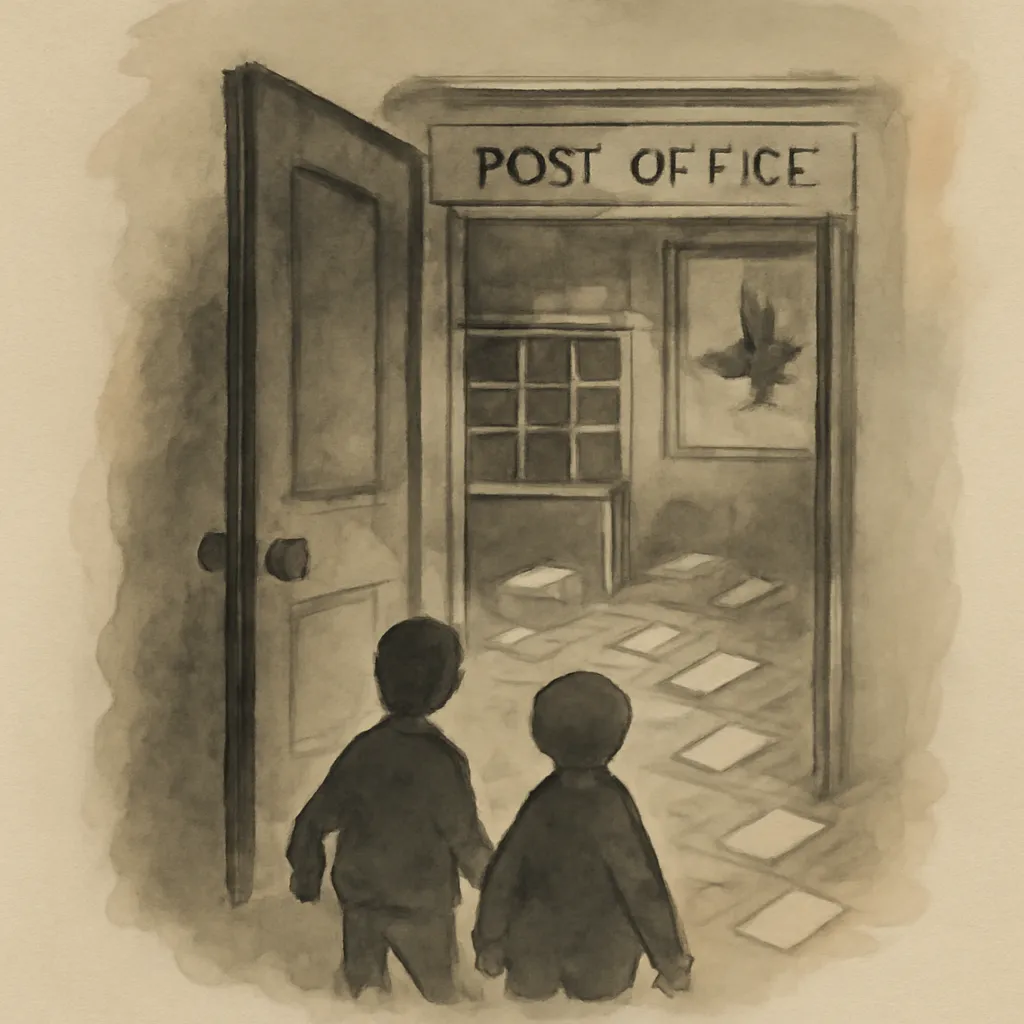
1.The Unexpected Encounter
The story begins with Alvin and Chester enjoying a carefree day at Mike Murphy's home when they receive an unexpected visit from Stockham Calvert, a detective. Their surprise quickly turns to intrigue when Calvert reveals that he has been observing them due to a series of post office robberies in southern Maine. His calm demeanor and cryptic remarks stir curiosity in the boys, who are eager to understand their connection to these criminal activities. Calvert explains that, despite their innocence, the boys have unwittingly become part of a larger scheme that involves the very crimes he is investigating. This pivotal moment sets the stage for the adventure that unfolds, as the boys transition from ordinary youths to active participants in a thrilling mystery. Their initial confusion about why they are being drawn into the detective's world reflects the theme of innocence versus experience that runs throughout the narrative.
2.The Allure of Adventure
As the narrative progresses, the boys' yearning for adventure becomes palpable. The thrill of the chase is ignited when Calvert invites them to join him on a mission to track down the criminals responsible for the post office robberies. The excitement of being part of a detective story captivates Alvin and Chester, and their imaginations run wild with possibilities. This desire for adventure reflects a universal theme in youth literature: the longing for exploration and the call to action that often accompanies it. Their eagerness to embrace the unknown highlights not only their youthful exuberance but also the inherent risks of such pursuits. With each new twist in the case, the boys grow more invested in the outcome, illustrating how adventure can foster personal growth and ignite a sense of responsibility. The story taps into the universal desire to break free from the mundane and embark on journeys of discovery, making it relatable to readers of all ages.
3.The Launch as a Symbol of Freedom

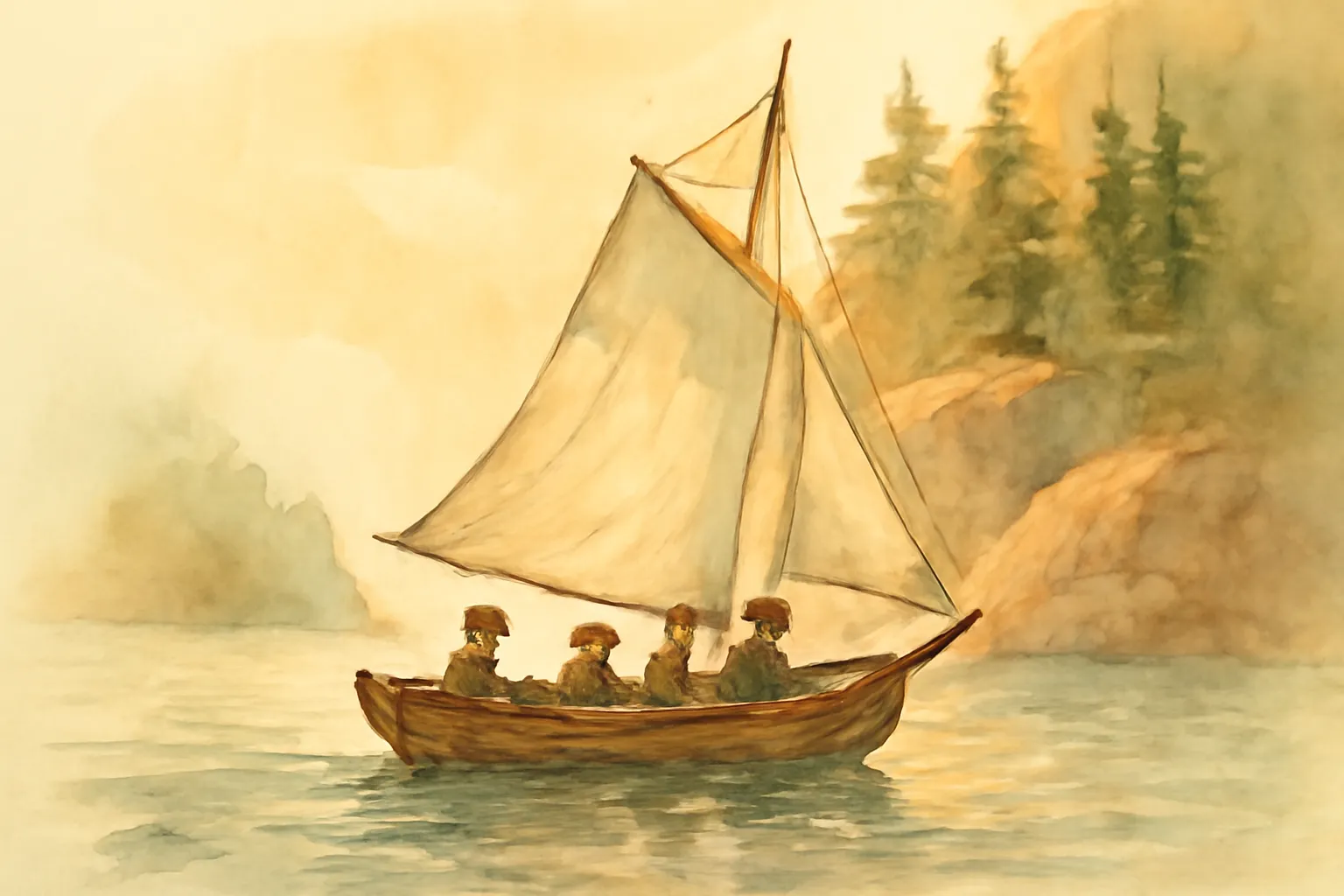
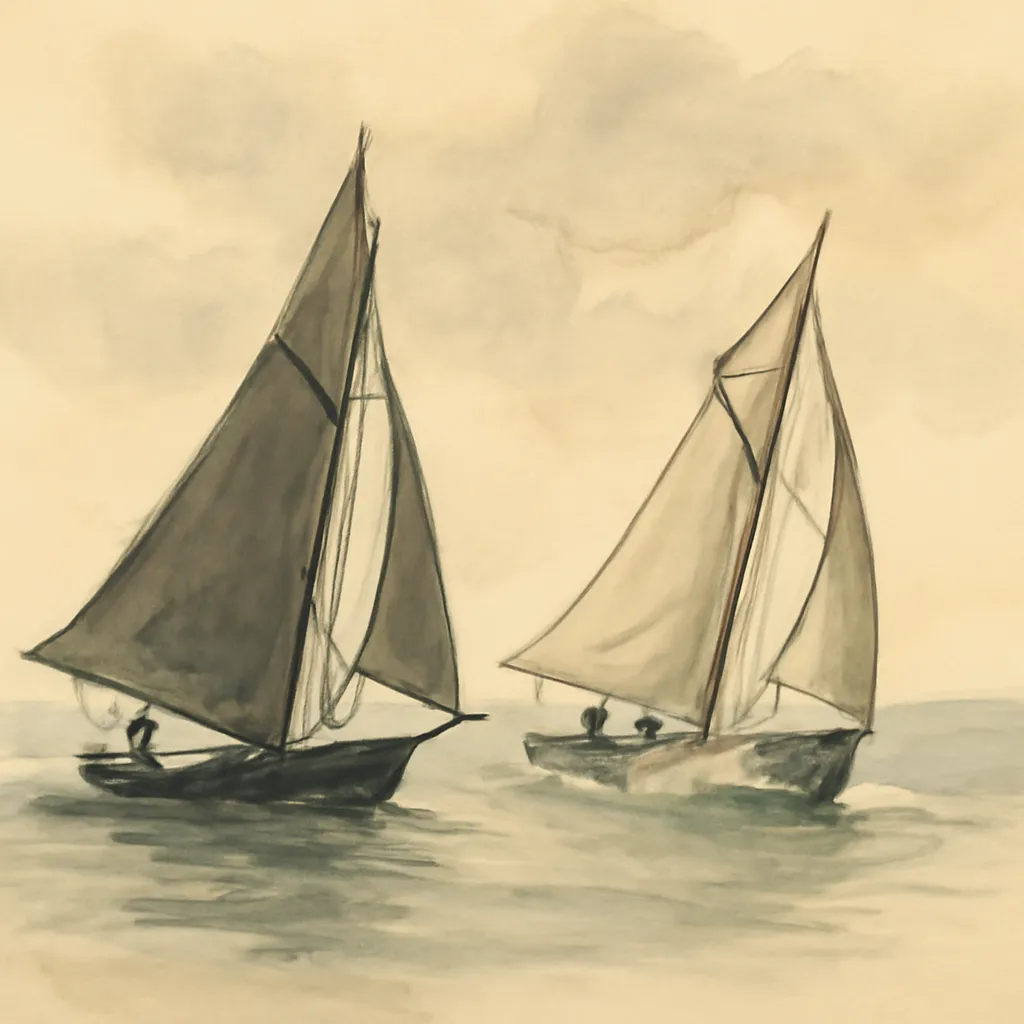
The launch, aptly named the Deerfoot, serves as a powerful symbol of freedom and exploration throughout the story. Owned by Alvin, the launch represents not just a mode of transportation but also a gateway to adventure on the open waters. The boys' mastery of the boat reflects their growing independence and confidence as they navigate both the physical challenges of the sea and the moral dilemmas they encounter. As they race against the Water Witch, another boat that becomes a rival in their quest, the launch embodies their aspirations and the thrill of competition. The Deerfoot becomes a character in its own right, a vessel that carries them into the heart of danger and excitement, while also symbolizing the bond of friendship forged through shared experiences. The way the boys learn to operate the launch mirrors their journey toward maturity, as they become more skilled at working together and facing challenges head-on, reinforcing the idea that adventure is often about the relationships we build along the way.
4.The Thrill of Competition
Competition plays a significant role in the boys' adventure, particularly evident in the race against the Water Witch. This thrilling moment encapsulates the essence of youthful rivalry, where the desire to win fuels their determination. Alvin's decision to hold back his full speed during the race showcases strategic thinking, emphasizing the importance of patience and timing, rather than reckless ambition. The excitement of the race is not merely about victory; it is about testing their skills and pushing their limits. The stakes feel high as they seek to prove themselves against their rivals. This theme resonates with readers, reminding them of the importance of healthy competition and the friendships that can be strengthened through shared challenges, even in the face of adversity. The boys' camaraderie shines through as they encourage one another, illustrating how pursuing a goal together can deepen bonds and provide a sense of shared purpose.
5.The Consequences of Crime
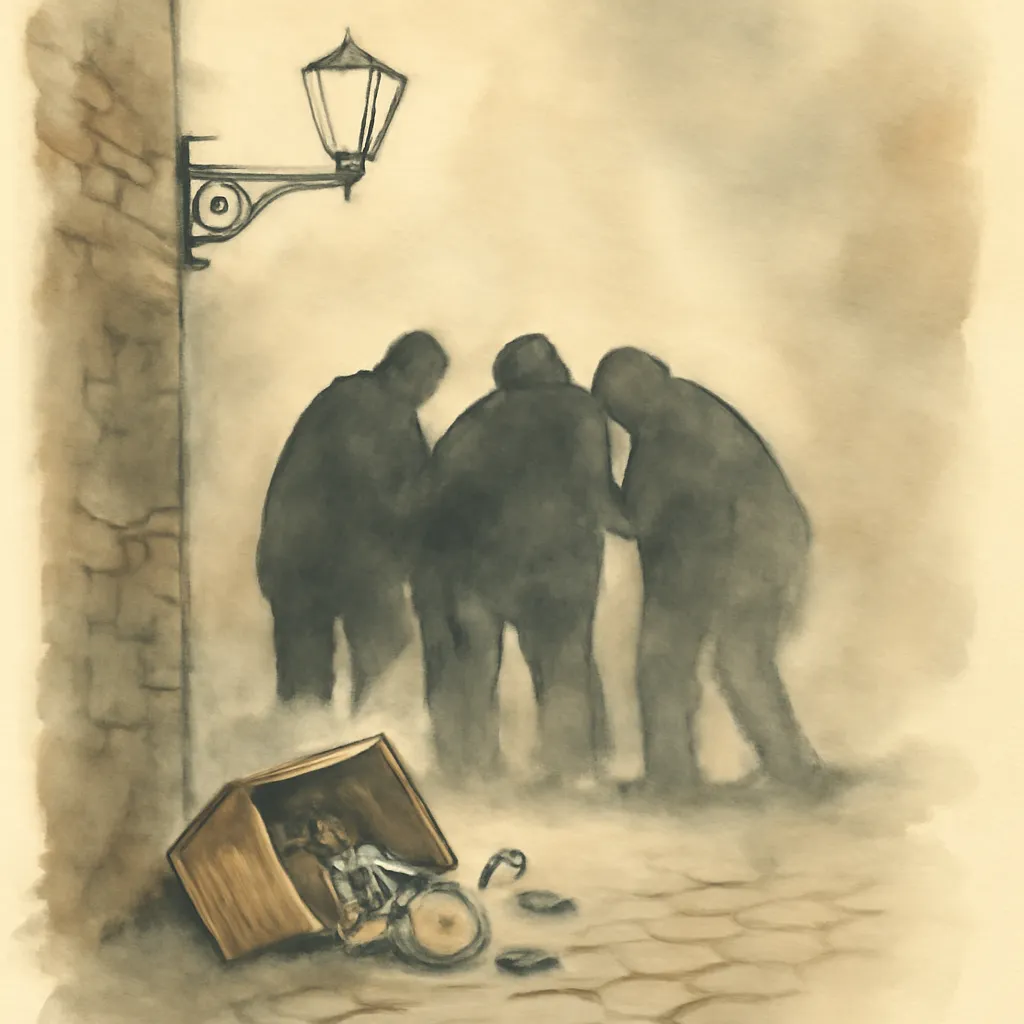
As the boys delve deeper into the investigation, they confront the harsh realities of crime and its consequences. The character of Kit Woodford, a seasoned criminal, illustrates the darker side of adventure, revealing how choices can lead to life-altering repercussions. When the boys witness the aftermath of a robbery, they grapple with feelings of fear and confusion, forcing them to confront their understanding of justice. This moment serves as a powerful reminder that not all adventures lead to glory; some paths are fraught with danger and moral ambiguity. The boys' journey becomes a rite of passage, as they learn that bravery is not just about excitement but also about making difficult choices in the face of wrongdoing. The struggles of the criminal characters highlight the complexities of morality, prompting readers to consider the motivations behind actions and the societal factors that contribute to a life of crime.
6.Friendship in Adversity
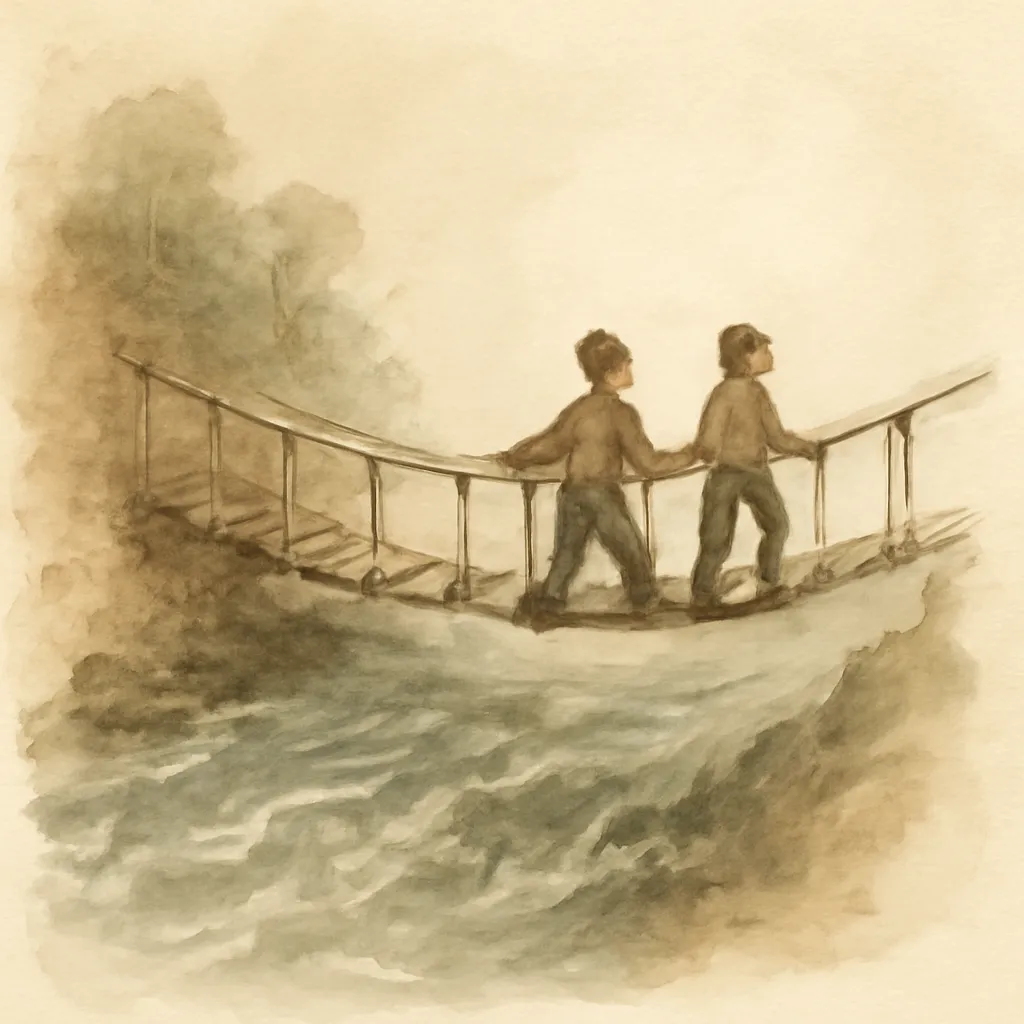
The bond between Alvin, Chester, and Mike is a central theme that runs throughout the narrative. Their camaraderie is tested as they face various challenges, from navigating treacherous waters to confronting criminals. The strength of their friendship is highlighted during moments of crisis, where they rely on each other for support and encouragement. A key moment occurs when Mike, embodying the spirit of loyalty, steps up to take risks that allow the group to succeed. This theme of loyalty and teamwork emphasizes the importance of having trusted companions during times of uncertainty. The boys' shared experiences not only deepen their friendship but also teach them valuable lessons about trust, sacrifice, and the power of unity in overcoming obstacles. The narrative beautifully illustrates that true adventure is not just about the journey but also about the relationships that enrich our lives.
7.The Role of the Detective
Detective Stockham Calvert serves as a guiding force in the boys' adventure, embodying the archetype of the wise mentor. His presence adds a layer of intrigue and authority to the story, as he navigates the complexities of crime and justice. Calvert's calm demeanor and strategic thinking provide valuable lessons for the boys. He teaches them the importance of observation and patience in problem-solving, as they learn to piece together clues and develop their investigative instincts. His interactions with the boys reinforce the idea that adventure is not only about action but also about intellect and discernment. Calvert’s guidance helps the boys understand that true bravery often requires a blend of physical courage and mental acuity, shaping their approach to challenges throughout their journey.
8.Facing Fears and Overcoming Obstacles
As the boys venture further into their investigation, they encounter various fears and obstacles that challenge their resolve. The pivotal moment when they confront the burglars at the post office exemplifies their courage in the face of danger. This confrontation forces them to act decisively, showcasing their growth from naive boys to brave young men. The adrenaline of the encounter tests their mettle, illustrating how adventure can catalyze personal transformation. This transformation is pivotal, as it illustrates the theme that true bravery is not the absence of fear but the ability to confront it head-on. The boys learn that overcoming obstacles often requires teamwork, quick thinking, and a willingness to take risks. Their development throughout the narrative serves as a testament to the power of resilience and the importance of facing one’s fears in pursuit of justice.
9.The Power of Wit and Ingenuity
Mike Murphy's character embodies the power of wit and ingenuity throughout the adventure. His quick thinking often saves the day, turning potentially dangerous situations into opportunities for success. For instance, Mike's clever approach to dealing with the burglars highlights how resourcefulness can be as valuable as physical strength. His humorous demeanor and sharp intellect provide comic relief while also underscoring the importance of creativity in overcoming challenges. This theme emphasizes that intelligence and cleverness can be powerful tools in navigating through the complexities of life, making Mike a beloved character who resonates with readers of all ages. His ability to think on his feet often shifts the tide in critical moments, reinforcing the idea that cleverness and adaptability are key to overcoming life's obstacles.
10.Justice and Morality
The story ultimately raises questions about justice and morality, as the boys grapple with the consequences of crime and their role in seeking justice. They are faced with moral dilemmas that force them to reflect on their values and the implications of their actions. The character of Kit Woodford serves as a foil to the boys, illustrating the complexities of morality in a world where right and wrong are not always clear-cut. The narrative challenges readers to consider what it means to be just and how one can uphold integrity in a world filled with temptation. This exploration of justice serves as a crucial lesson for the boys, shaping their understanding of responsibility and the impact of their choices on others. The choices they make in pivotal moments highlight the importance of ethical considerations and the consequences that can follow from one’s actions.