1.Medicine Is an Art Shaped by Uncertainty
Mukherjee argues that medicine is not a perfect science but an evolving art, deeply influenced by ambiguity and incomplete information. Physicians must often make decisions with limited data, relying on probability and judgment rather than certainty. The book emphasizes that embracing uncertainty is not a flaw but a fundamental aspect of medical practice, requiring humility and adaptability from both doctors and patients.
2.The Power and Limits of Patterns
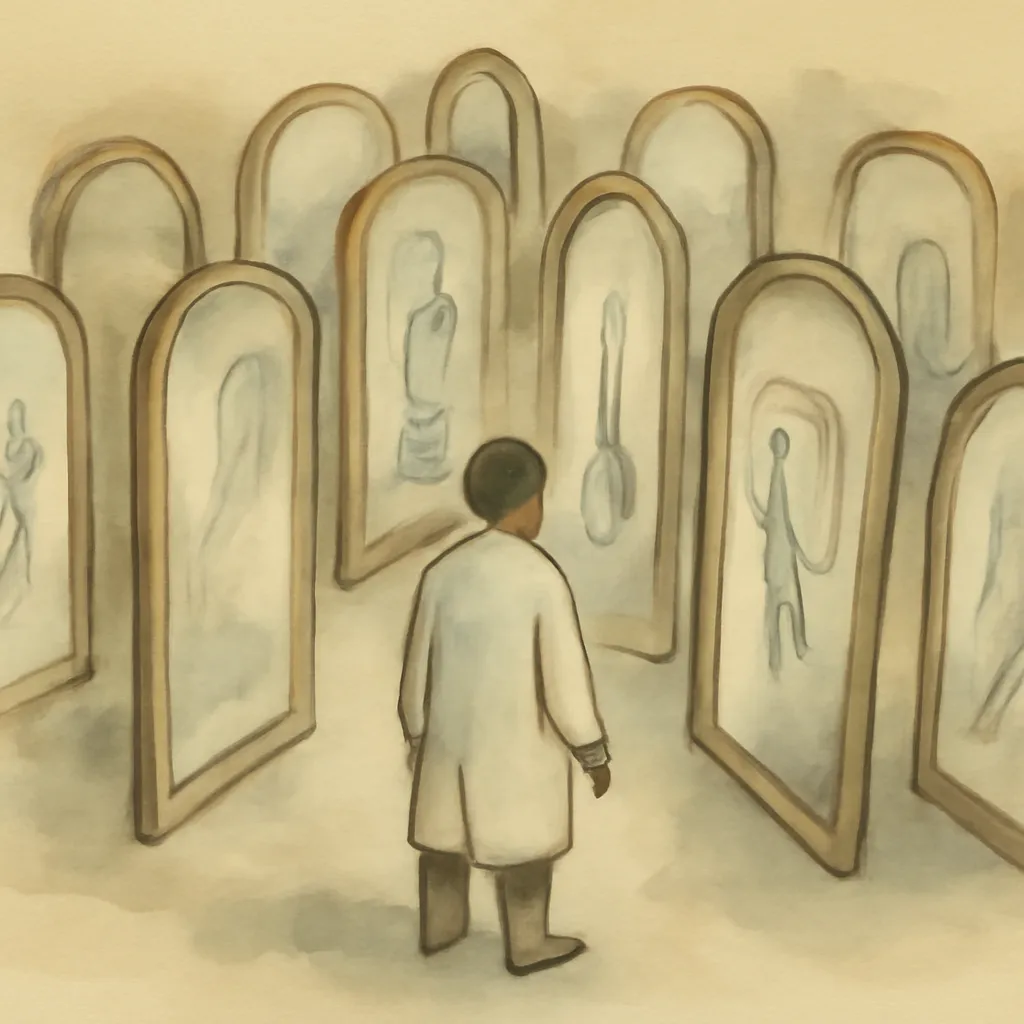
A central theme is the importance of pattern recognition in diagnosis. Doctors are trained to spot patterns in symptoms, lab results, and patient histories. However, Mukherjee warns that this reliance on patterns can lead to errors—what appears typical may mask something rare, and outliers can be overlooked. The challenge is to balance the usefulness of patterns with the vigilance to spot exceptions.
3.Every Diagnosis Is a Hypothesis
Mukherjee reframes diagnosis as a process of hypothesis generation and testing, not a simple act of labeling. Each diagnosis is provisional, subject to revision as new evidence emerges. This scientific mindset encourages doctors to remain open-minded, continually questioning their assumptions and being willing to change course if the facts demand it.
4.The Biases That Shape Medical Decisions
The book explores how cognitive biases—such as anchoring, confirmation, and availability—can distort clinical reasoning. Mukherjee illustrates how even experienced doctors can fall prey to these mental shortcuts, leading to misdiagnosis or overtreatment. Awareness of these biases is crucial for improving medical judgment and patient outcomes.
5.The Human Factor in Healing
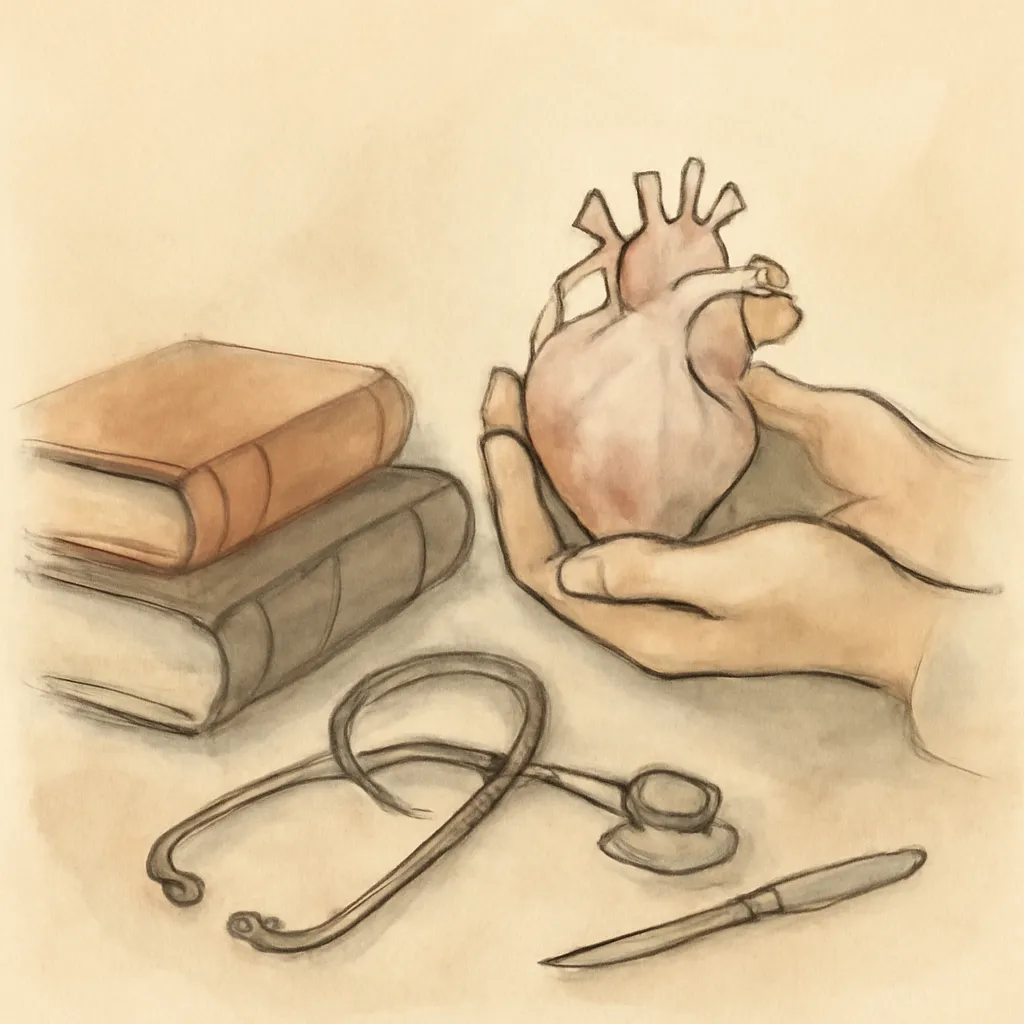
Beyond algorithms and evidence, Mukherjee highlights the irreplaceable role of human intuition, empathy, and communication in medicine. He argues that the best doctors combine scientific rigor with a deep understanding of their patients' stories, values, and fears. This humanistic approach is essential for building trust and delivering truly effective care.
6.Medicine’s Laws Are Provisional, Not Absolute
Mukherjee proposes that the 'laws' of medicine are more like guiding principles than immutable truths. They are shaped by evolving knowledge, technology, and society’s values. This humility is vital: what is considered best practice today may be overturned tomorrow. The book encourages both doctors and patients to approach medicine with curiosity, skepticism, and openness to change.