1.Validated Learning
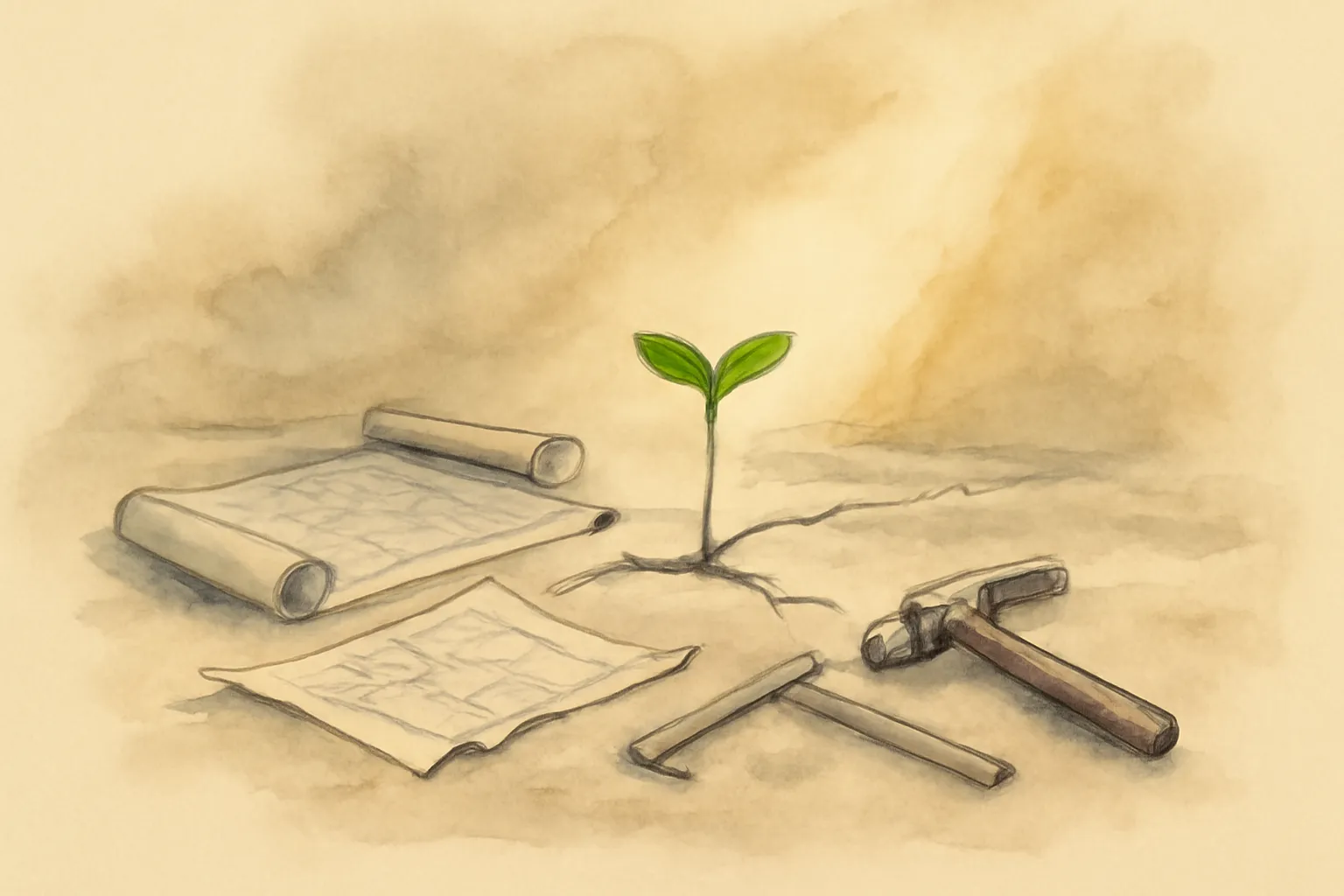
At the heart of The Lean Startup is the concept of validated learning: the idea that startups exist not just to make products, but to learn what customers actually want. Instead of relying on assumptions or elaborate plans, entrepreneurs should run experiments to test their hypotheses. This process turns guesswork into actionable insights, allowing teams to adapt quickly and avoid building products nobody wants.
2.Build-Measure-Learn Feedback Loop
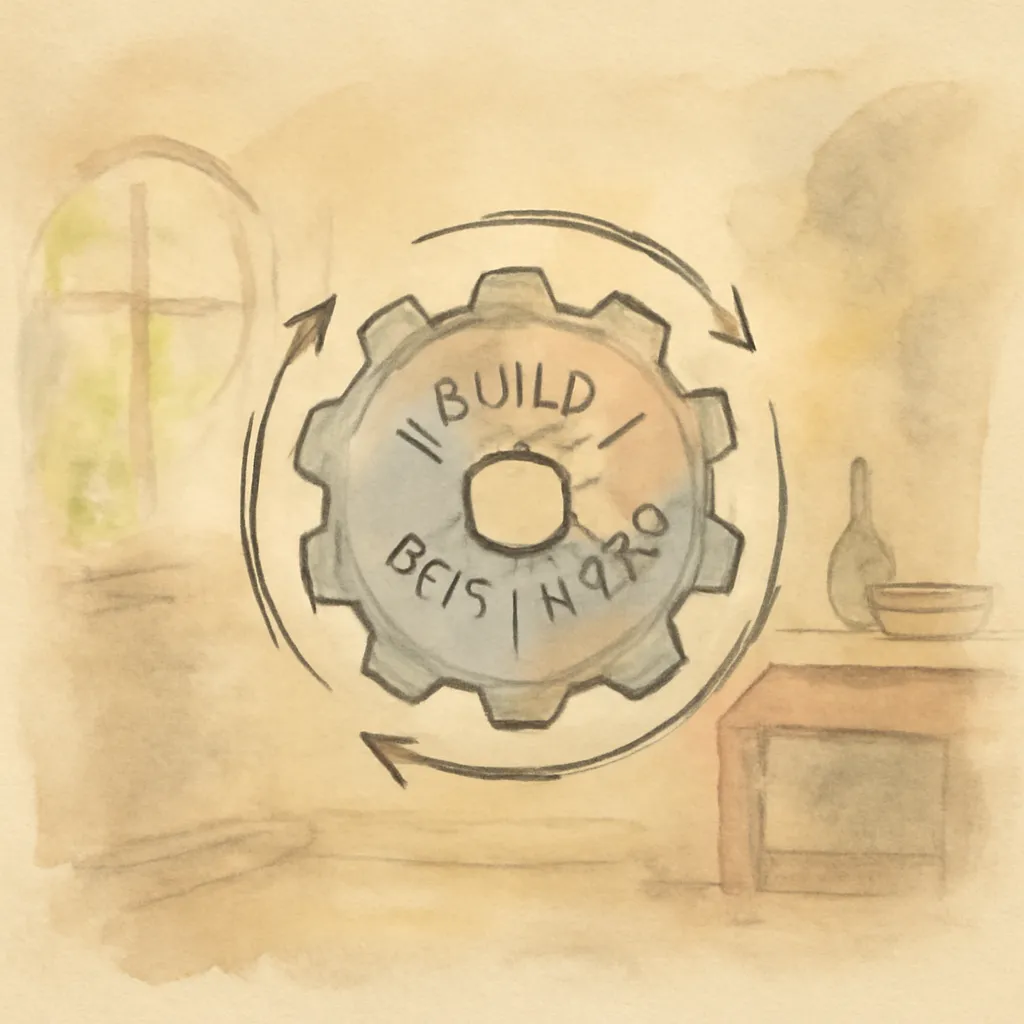
Ries introduces the Build-Measure-Learn cycle as the engine of progress for startups. Start by building a minimum viable product (MVP), measure how it performs with real customers, and learn whether to pivot or persevere. This iterative process ensures that every step is informed by real-world feedback, minimizing wasted effort and maximizing the chance of finding a successful product-market fit.
3.Minimum Viable Product (MVP)
The MVP is a stripped-down version of a product that allows entrepreneurs to test their core assumptions as quickly and cheaply as possible. Instead of spending months or years perfecting a product, the MVP gets something in front of customers fast, so teams can learn what works and what doesn't. This approach challenges the perfectionist instinct and encourages rapid experimentation.
4.Pivot or Persevere
A critical decision point in the Lean Startup method is whether to pivot (make a fundamental change to the product or strategy) or persevere (keep improving on the current path). This decision is guided by data gathered through the Build-Measure-Learn loop. By embracing pivots when necessary, startups avoid the sunk cost fallacy and focus on what truly matters: creating value for customers.
5.Innovation Accounting
Traditional financial metrics often fail to capture a startup's true progress. Ries advocates for innovation accounting: a new way of measuring growth based on actionable metrics tied to learning milestones. This approach helps teams track whether their experiments are moving them closer to a sustainable business, rather than just generating vanity metrics that look good but mean little.
6.Continuous Deployment and Agile Development
The Lean Startup borrows from agile software development, emphasizing rapid iteration and frequent releases. Continuous deployment means that new features and fixes are released to customers as soon as they're ready, allowing for real-time feedback and faster learning. This mindset reduces the risk of large, costly failures and keeps teams responsive to customer needs.