1.The Pursuit of Autonomy
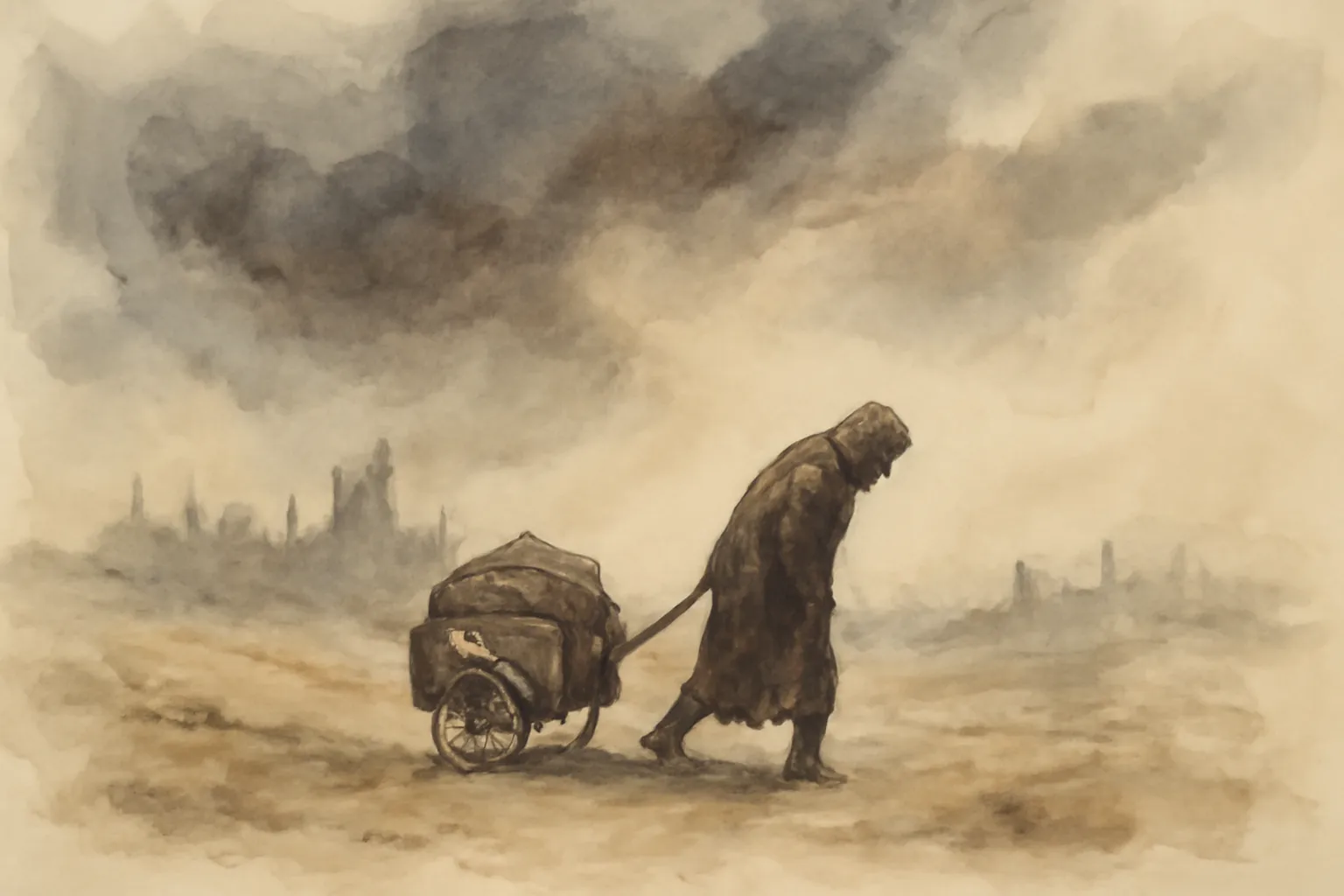
At its core, Michael K’s story is about a man’s struggle to live on his own terms in a world bent on controlling him. Michael, a marginalized and physically marked outcast, seeks not heroism or rebellion, but a simple, self-sufficient existence. His journey to escape the violence and bureaucracy of apartheid-era South Africa becomes a meditation on what it means to be free—physically, spiritually, and existentially. Coetzee’s spare prose underscores how autonomy can be both a necessity and a burden, especially for those society deems powerless.
2.Alienation and the Outsider
Michael K is a quintessential outsider, marked by his cleft lip and social invisibility. Coetzee uses Michael’s marginalization to explore how societies define and exclude the 'other.' The novel’s South African setting, with its stark divisions and systemic cruelty, amplifies Michael’s sense of isolation. Yet, his outsider status also grants him a unique perspective, allowing him to question the values and structures that others accept as given.
3.The Absurdity of War and Authority
The civil war raging through the novel is depicted less through battles and more through its effects on ordinary lives. Coetzee strips away the rhetoric of ideology and heroism, revealing the absurdity and arbitrariness of authority. Bureaucrats, soldiers, and even well-meaning caretakers all attempt to impose order on Michael, but their efforts often seem futile or even harmful. The novel suggests that systems of power, whether political or institutional, can be as senseless and destructive as war itself.
4.Nature as Refuge and Challenge
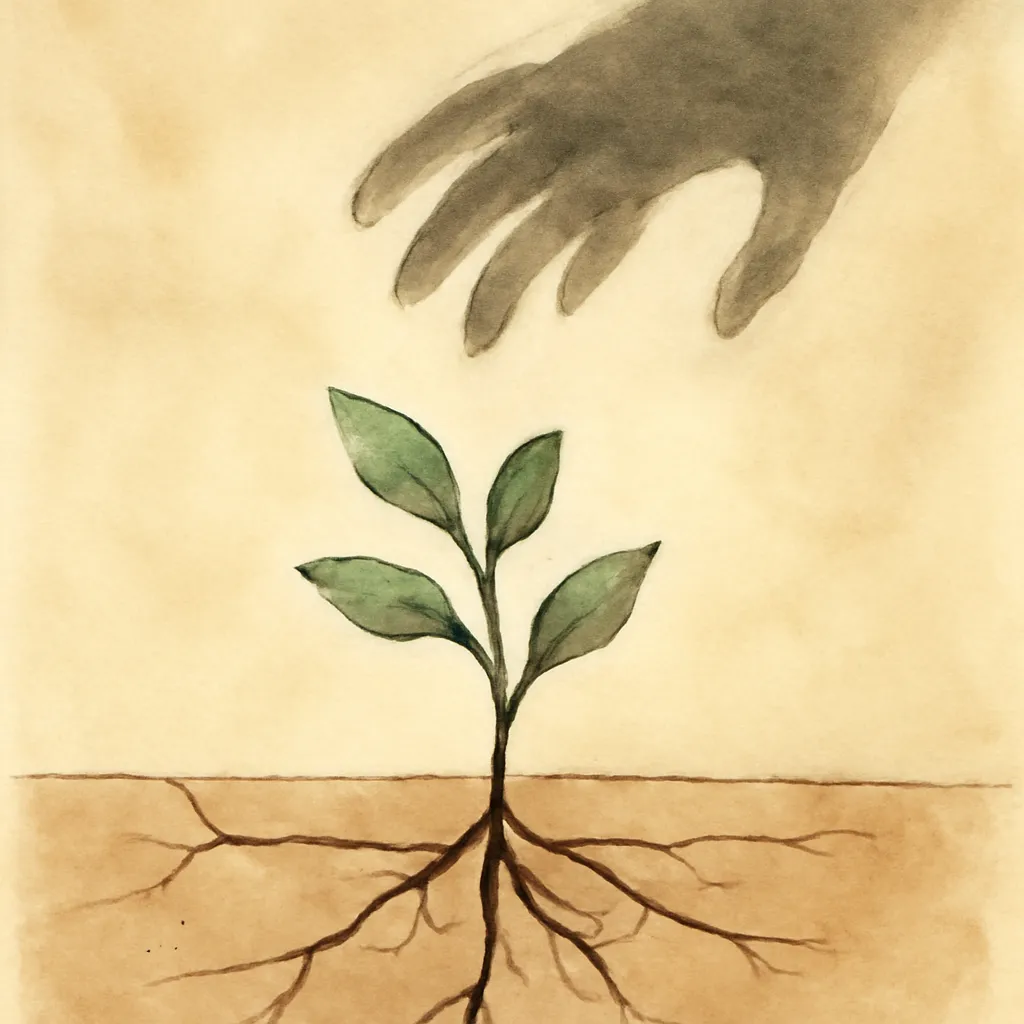
Michael’s attempts to live off the land are both acts of resistance and gestures toward a purer existence. Nature offers him fleeting sanctuary from human violence, but it is also indifferent, sometimes harsh. Coetzee’s descriptions of the South African landscape are both beautiful and unforgiving, mirroring Michael’s internal struggle. The garden Michael tries to cultivate becomes a symbol of hope, self-reliance, and the possibility of renewal, even in the bleakest circumstances.
5.The Limits of Empathy and Understanding
Throughout the novel, those who encounter Michael—doctors, soldiers, bureaucrats—struggle to understand him, often projecting their own narratives onto his silence. Coetzee raises questions about the possibility of truly knowing another’s experience, especially when language and cultural divides are so profound. Michael’s refusal to explain himself becomes an act of resistance, challenging the reader to confront the limits of empathy and the dangers of easy interpretation.
6.Silence and the Power of the Unspoken
Michael K is a man of few words, and much of the novel’s emotional force comes from what remains unsaid. Coetzee’s minimalist style invites readers to read between the lines, to sense the weight of trauma, longing, and quiet determination. Silence, in this context, is not emptiness but a form of agency—a way for Michael to maintain his dignity and autonomy in a world that constantly tries to define him.