1.The Golden Age Lies Ahead
Whiting opens with the empowering assertion that 'The Golden Age lies onward, not behind.' This statement challenges readers to shift their focus from nostalgia and regret toward hope and potential. By recognizing that the past has shaped who we are, we can understand it as a stepping stone toward greater spiritual awareness and fulfillment. Whiting argues that each moment we live contributes to the unfolding narrative of our lives, which is ultimately a spiritual journey. Viewing life as an ongoing spiritual drama allows us to see every experience—both good and bad—as part of a divine plan. This perspective fosters resilience and encourages individuals to embrace change and uncertainty, knowing that they lead to growth and enlightenment. Emphasizing forward momentum, she inspires readers to actively pursue the 'Golden Age' that awaits them through faith and intention.
2.Supreme Illumination through Acceptance
A pivotal theme in Whiting’s philosophy is the transformative power of accepting both joy and pain as gifts from the divine. She asserts that the 'radiant life' emerges when one learns to thank God for both happiness and sorrow alike. This radical acceptance means recognizing that every experience, whether uplifting or challenging, is essential for spiritual growth. Whiting illustrates that pain can lead to deeper wisdom and understanding, often crystallizing our faith in ways that joy cannot. For instance, moments of suffering can break down illusions and reveal truths about ourselves and our connections to others. In this way, challenges become opportunities for forging a stronger bond with the divine will. By embracing this duality, individuals can unlock the potential for profound transformation and discover a life imbued with light and purpose.
3.The Power of Thought and Intention
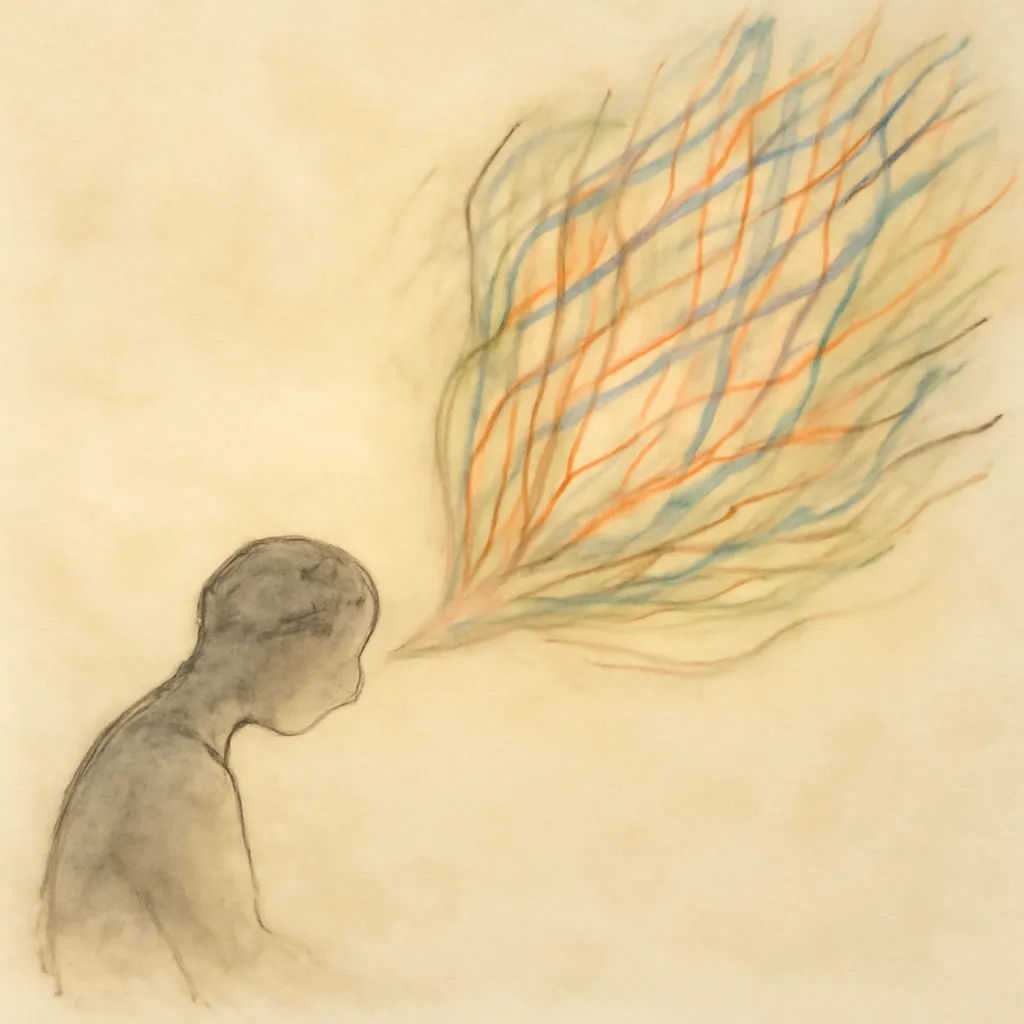
Whiting emphasizes the immense power of thought as a creative force in our lives. Drawing from Emerson's assertion, 'as a man thinketh, so is he,' she explains that our mindset directly influences our experiences and reality. Positive thoughts serve as a magnet for opportunities, while negative thoughts can perpetuate a cycle of despair and limitation. She illustrates that cultivating a mindset of abundance and possibility is crucial for attracting the experiences we desire. For example, if one envisions a fulfilling career or meaningful relationships, they are more likely to take actions aligned with those desires, thus bringing them into reality. This concept moves beyond mere optimism; it is about harnessing the vibrational energy of our intentions to manifest a richer life. Whiting encourages readers to practice auto-suggestion and visualization, reinforcing the idea that our thoughts shape our destiny and that we possess the power to create our own reality.
4.Transforming Adversity into Opportunity
In her exploration of adversity, Whiting posits that challenges are integral to our spiritual evolution and should be embraced rather than feared. By reframing setbacks as opportunities for growth, individuals can cultivate resilience and strength. She offers the perspective that every obstacle contains a lesson, asserting that these trials are not hindrances but rather divine invitations to deepen our faith and understanding. For instance, facing a significant personal loss can compel one to reevaluate priorities, leading to a renewed sense of purpose and direction. Whiting emphasizes that overcoming challenges allows us to develop virtues such as patience, courage, and empathy. In this light, adversity becomes a transformative force that pushes individuals toward their higher selves, ultimately contributing to a life that is richer and more authentic.
5.The Spiritual Dimension of Relationships
Whiting delves into the nature of human relationships, framing them as spiritual partnerships that significantly contribute to our personal growth. She posits that friendships and connections should be founded on mutual respect and shared aspirations toward higher ideals. By consciously holding friends to a divine standard, individuals can encourage one another to cultivate noble qualities and pursue spiritual development. Whiting cautions against toxic relationships that drain one's energy and spirit, asserting that such connections hinder spiritual progress. Instead, she advocates for surrounding oneself with uplifting individuals who inspire growth and challenge one’s perspectives. This dynamic illustrates how relationships can serve as mirrors, reflecting our spiritual journeys and aspirations. By nurturing these spiritual connections, individuals create a supportive network that fosters holistic development and collective enlightenment.
6.Living in the Present Moment

A crucial aspect of Whiting's teachings is the importance of living fully in the present moment. She asserts that anxiety and worry often stem from a disconnection with the here and now, leading individuals to miss the beauty and richness of their current experiences. By practicing mindfulness and gratitude, readers can immerse themselves in the present, recognizing it as a sacred gift from the divine. Whiting provides practical suggestions for cultivating presence, such as engaging in daily meditation or simply taking mindful pauses to appreciate life’s small wonders. This practice not only enhances personal joy but also fosters a deeper connection with the surrounding world. Furthermore, she argues that embracing the present moment is essential for spiritual growth, as it allows individuals to receive divine inspirations and insights that guide their paths. In this way, living in the present becomes an act of faith, aligning oneself with the greater cosmic rhythms of existence.
7.The Role of Prayer in Spiritual Life

Whiting emphasizes the significance of prayer as a vital practice for spiritual connection and growth. She views prayer not merely as a ritual but as an essential expression of one’s deepest aspirations and intentions. Through prayer, individuals can surrender their will to God, creating space for divine guidance and inspiration to flow into their lives. Whiting illustrates that genuine prayer stems from a place of love and compassion, inviting a powerful connection with the divine. She highlights that through sincere prayer, individuals can access a greater understanding of their purpose and find solace during times of distress. By incorporating prayer into daily life, readers can cultivate a rich spiritual practice that nourishes their souls and aligns them with their higher calling. This connection through prayer acts as both a source of strength and an avenue for divine insights that empower individuals to navigate their journeys more effectively.
8.Embracing Renunciation as Liberation
Whiting introduces the concept of renunciation as a pathway to spiritual liberation, asserting that it goes beyond mere material sacrifice to encompass a holistic transformation of the spirit. She argues that true renunciation involves letting go of attachments that hinder spiritual progress. By simplifying one's life and detaching from superficial desires, individuals can open themselves to deeper spiritual experiences and insights. Whiting provides examples of how letting go of unnecessary distractions can lead to a clearer connection with the divine. For instance, choosing to spend less time on material pursuits can free up energy to engage in acts of service or deepen one's spiritual practices. This process of renunciation leads to a life of greater authenticity and purpose, where individuals are no longer bound by the trappings of materialism, but instead embrace a more profound connection with their true selves and the divine.
9.The Importance of Compassion and Love
At the core of Whiting’s philosophy lies the principle of compassion and love as fundamental qualities for achieving a radiant life. She emphasizes that these attributes are not only vital for personal happiness but also crucial for the well-being of others. By embodying love and compassion, individuals create a ripple effect that positively impacts their communities and the world at large. Whiting illustrates that acts of kindness and understanding elevate the human experience, fostering connections that transcend superficial differences. She argues that a commitment to love and compassion aligns with divine principles, reinforcing the idea that a truly radiant life is one dedicated to service and uplifting others. By practicing compassion in daily interactions, individuals not only enhance their spiritual journeys but also contribute to a collective elevation of consciousness, promoting harmony and connection among all beings.
10.The Ethereal Realm and Cosmic Forces
Whiting explores the notion of an ethereal realm that connects all beings, suggesting that there are unseen forces at play that govern our lives. She draws parallels between spiritual truths and scientific discoveries, arguing that everything in existence is interlinked through a universal energy. This energy, which manifests in various forms, allows for communication and connection beyond the physical realm. Whiting posits that as society progresses, our understanding of these cosmic forces will deepen, enabling us to tap into a more profound communion with the divine. For instance, the advancement of technologies such as wireless communication reflects our inherent ability to connect beyond physical boundaries. By recognizing our place within this vast interconnectedness, individuals can align themselves with the greater purpose of existence, leading to a more radiant and impactful life.