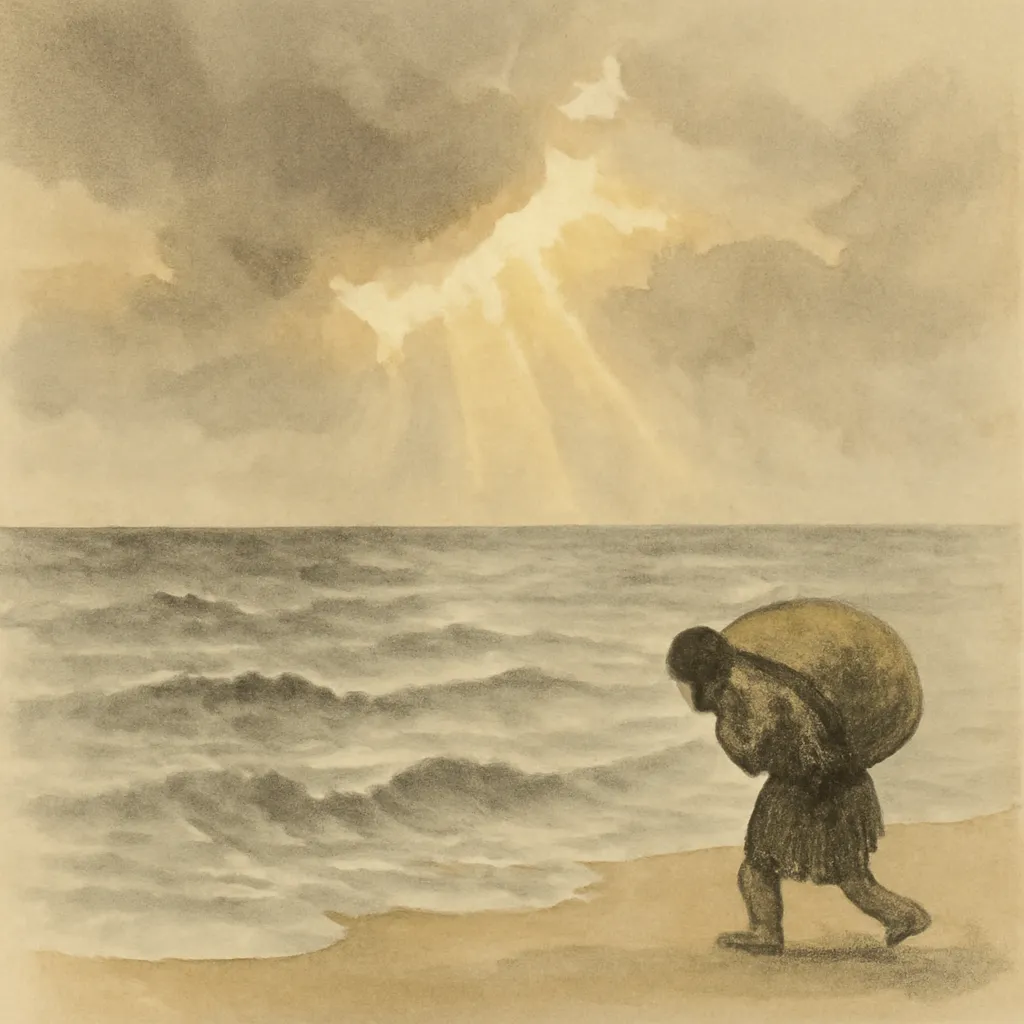
1.Moral Ambiguity and Choices
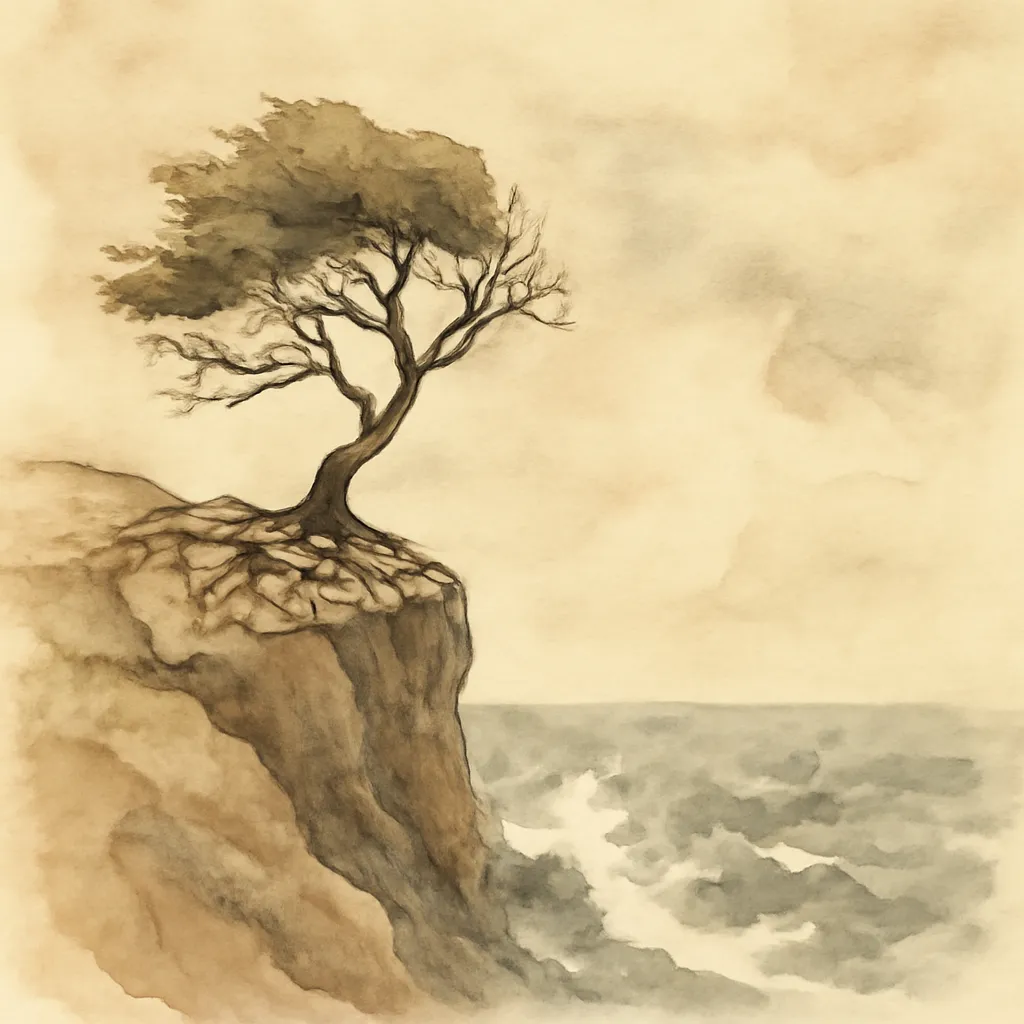
At the heart of the novel is the question of what constitutes the 'right' thing to do. Tom and Isabel's decision to keep the baby they find is both understandable and deeply problematic. Stedman crafts a narrative where no choice is free from harm, and every character's motivations are layered and sympathetic. The book challenges readers to consider how good people can make devastating decisions, and how morality is often shaped by circumstance rather than clear-cut rules.
2.Grief, Longing, and the Human Need for Connection
Isabel's longing for a child after repeated miscarriages is rendered with painful authenticity. Her grief drives the plot and shapes her relationship with Tom, as well as her willingness to justify their actions. The novel explores how loss can distort judgment and how the desire for connection can both heal and harm. Stedman gives voice to the silent ache of infertility and the lengths to which people will go to fill an emotional void.
3.Isolation and Its Psychological Impact
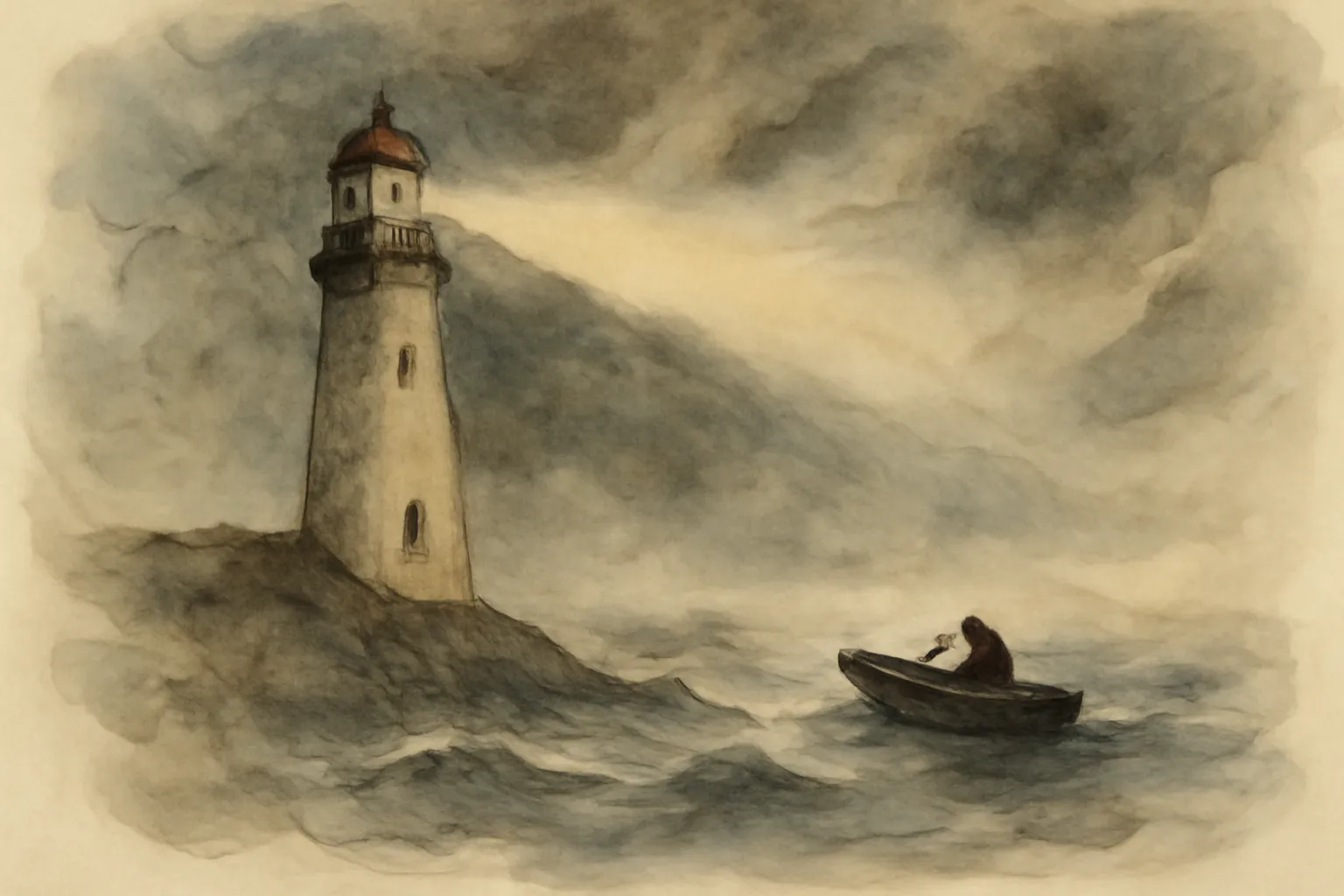
The remote setting of Janus Rock, surrounded by nothing but ocean, amplifies the characters' sense of isolation—not just physically, but emotionally and morally. The lighthouse becomes a metaphor for separation from society and the rules that govern it. Stedman uses this setting to explore how isolation can lead to insular thinking, intensifying personal dilemmas and making it easier to rationalize questionable choices.
4.The Ripple Effect of Secrets
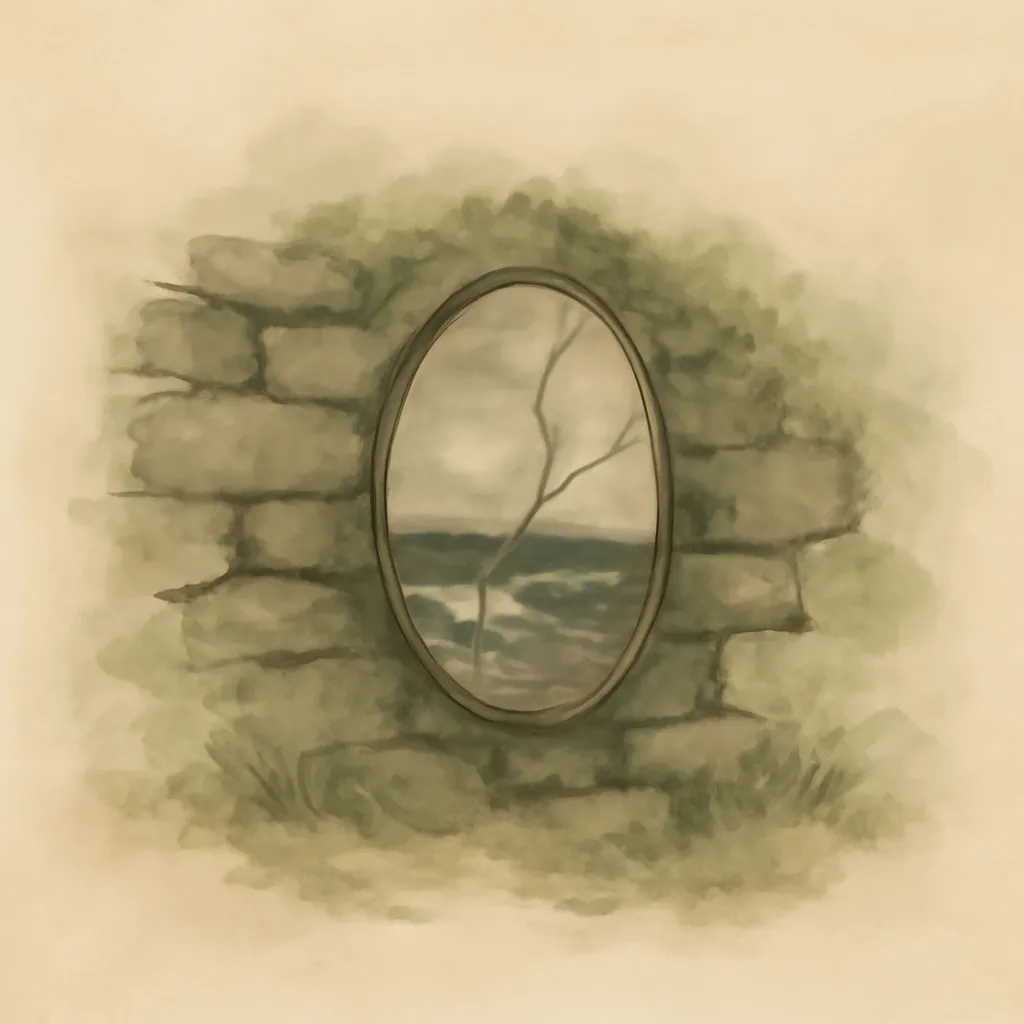
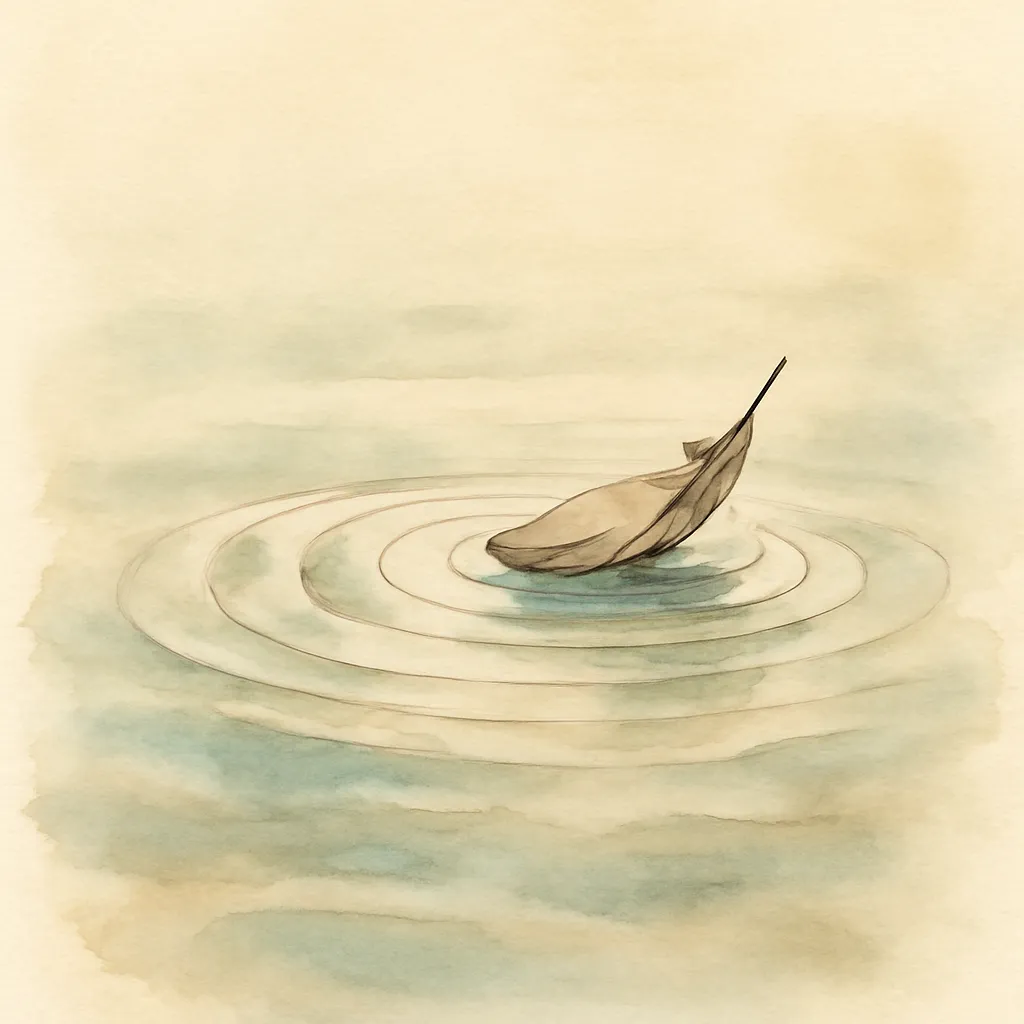
The secret Tom and Isabel keep doesn't just affect their own lives; it ripples outward, touching the biological mother, the child, and the wider community. Stedman shows how secrets can fester and ultimately unravel lives, no matter how well-intentioned. The novel invites readers to consider the cost of silence and the eventual necessity of truth, even when it comes at a great personal price.
5.Forgiveness and Redemption
As the truth comes to light, the characters are forced to confront the consequences of their actions. Stedman explores the possibility of forgiveness—both of oneself and of others. The novel asks whether redemption is possible after causing pain, and what it takes to move forward after devastating choices. The resolution is neither tidy nor sentimental, but it offers a nuanced meditation on grace and healing.
6.The Power of Setting and Atmosphere
Stedman’s evocative depiction of the Australian coast is more than just a backdrop; it shapes the mood, themes, and even the plot itself. The relentless sea, the changing light, and the isolation of Janus Rock all serve to heighten the emotional stakes and underscore the characters’ internal struggles. The setting becomes a character in its own right, influencing every decision and emotion.