1.Beauty as Obsession and Escape
Nick Guest’s fascination with beauty—artistic, architectural, and physical—shapes his worldview and choices. For Nick, beauty is both a refuge from and a way to make sense of the world’s harshness, especially as a gay man navigating a society that only tolerates him in private. This obsession is not merely aesthetic; it’s a means of survival and self-definition, but it also blinds him to the dangers and hypocrisies of the privileged circles he inhabits.
2.Class and Social Mobility
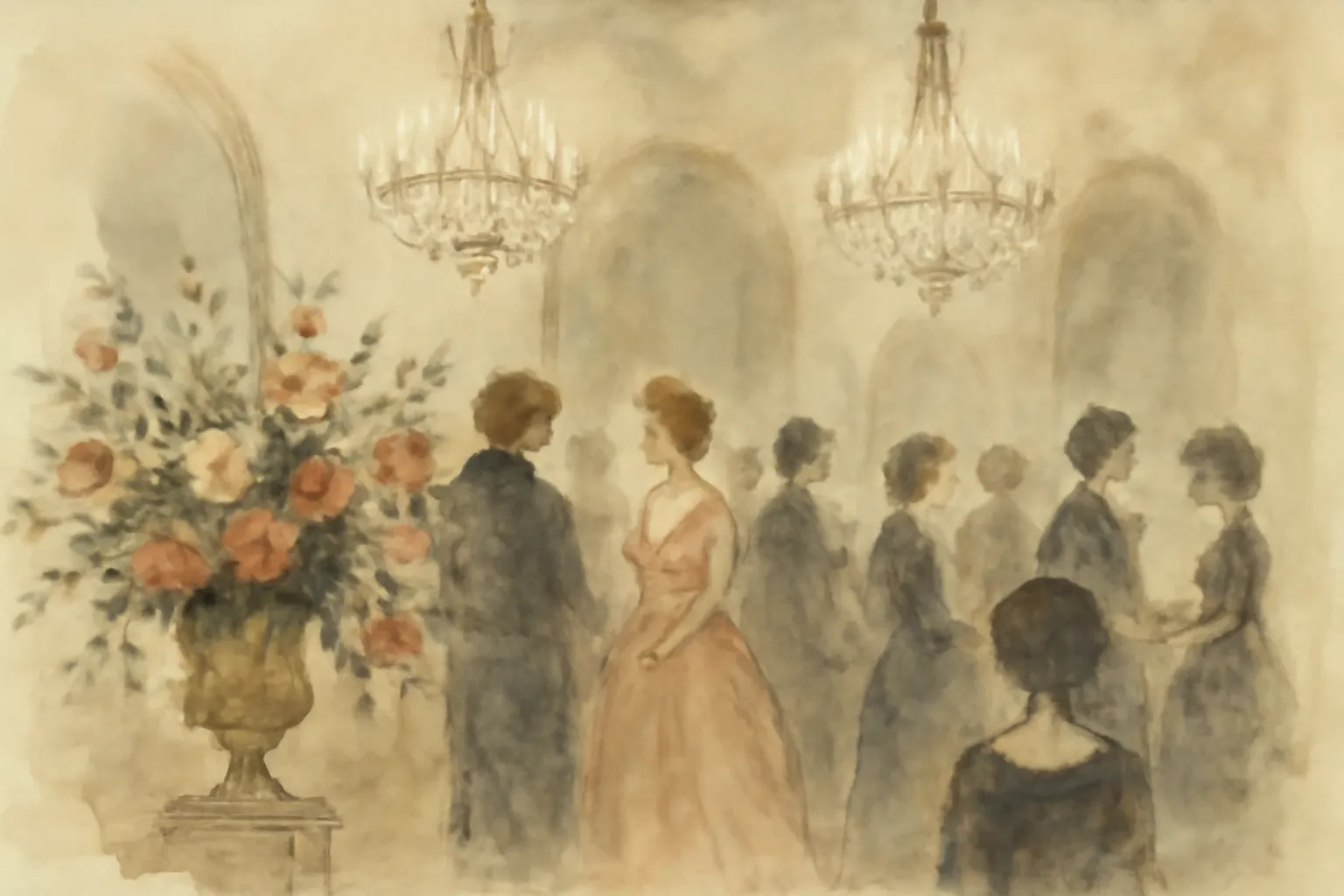
The novel incisively explores the British class system, with Nick as a perpetual outsider. Though welcomed into the Feddens’ opulent home, he is always subtly reminded of his lower status. His social ascent is conditional, dependent on his usefulness and discretion. Hollinghurst exposes the fragility of such borrowed privilege, showing how quickly acceptance can turn to exclusion when social norms are threatened.
3.Sexuality and Secrecy
Set at the dawn of the AIDS crisis, the book foregrounds the tension between private desire and public propriety. Nick’s relationships—with Leo, a working-class black man, and later with the wealthy Wani—highlight both the possibilities and perils of gay life in an era of repression. Hollinghurst deftly shows how secrecy, shame, and risk are woven into the fabric of desire, especially within elite, conservative circles.
4.Politics and Hypocrisy
The Feddens’ world is one of power, affluence, and political ambition, set against the backdrop of Thatcher’s Britain. Hollinghurst uses their household to critique the era’s moral posturing and the gap between public virtue and private vice. As scandals emerge, the hypocrisy of those in power is laid bare, implicating not just politicians but the society that enables them.
5.The Illusion of Belonging
Nick’s longing to belong—to the Feddens, to high society, to the world of beauty—drives much of the novel’s tension. Yet, the narrative repeatedly underscores the limits of assimilation for those who are different, whether by class, sexuality, or background. The fleeting nature of acceptance and the inevitability of exclusion are central to Nick’s journey.
6.The Shadow of AIDS
While AIDS is not always foregrounded, its shadow looms over the novel, shaping the fears and choices of its characters. The epidemic’s emergence marks the end of an era of sexual freedom and the beginning of a new, harsher reality for gay men. Hollinghurst captures both the anxiety and the denial that characterized the period, lending the story a tragic undercurrent.