1.The Nature of Good and Evil
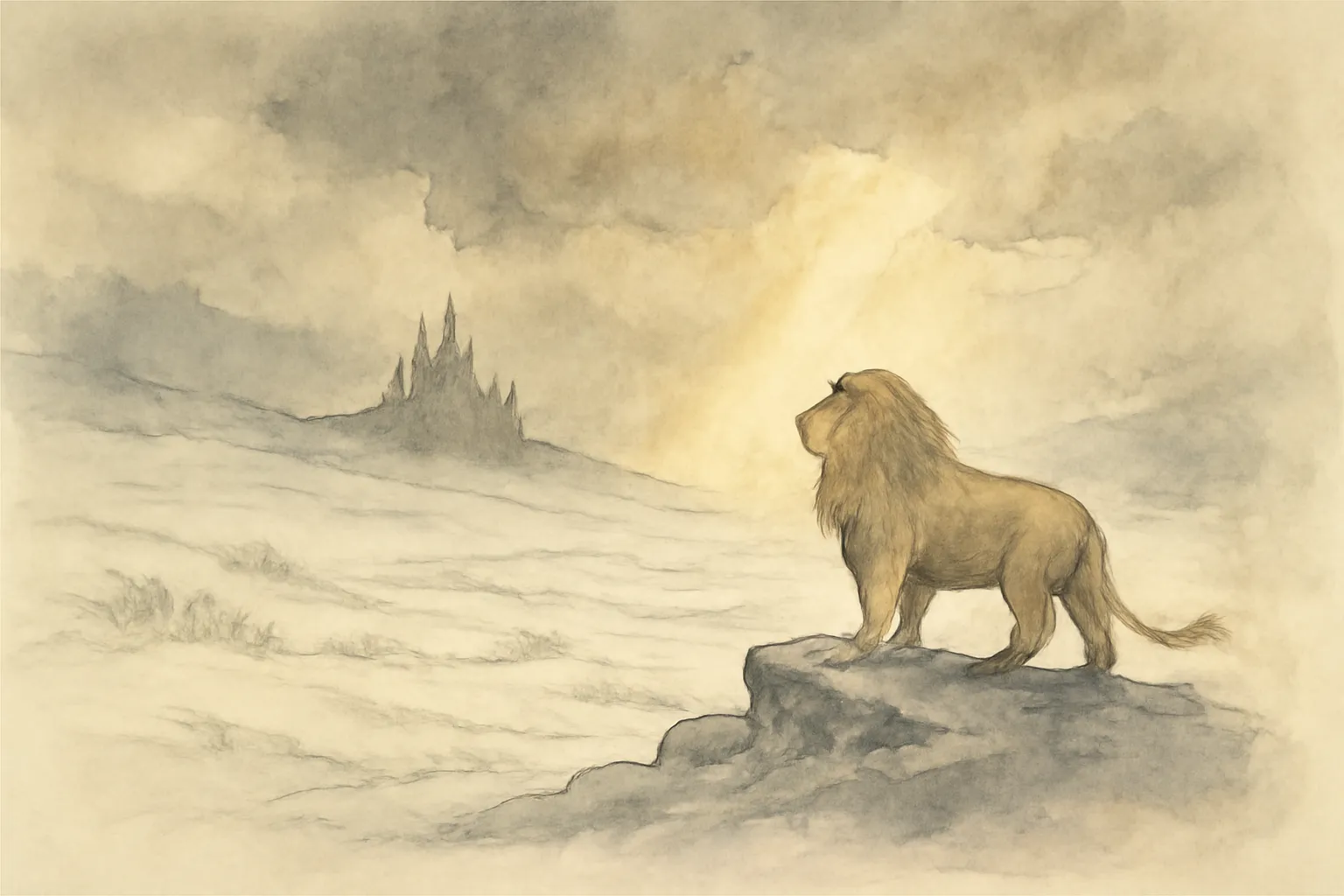
Lewis crafts Narnia as a stage where good and evil are not abstract concepts, but embodied by vivid characters: the noble Aslan and the tyrannical White Witch. The story explores how evil can seduce, isolate, and dominate, yet also how goodness—often quiet and sacrificial—can ultimately triumph. The children’s choices, especially Edmund’s betrayal and eventual redemption, highlight how moral decisions shape destinies and relationships.
2.The Power of Sacrifice and Redemption
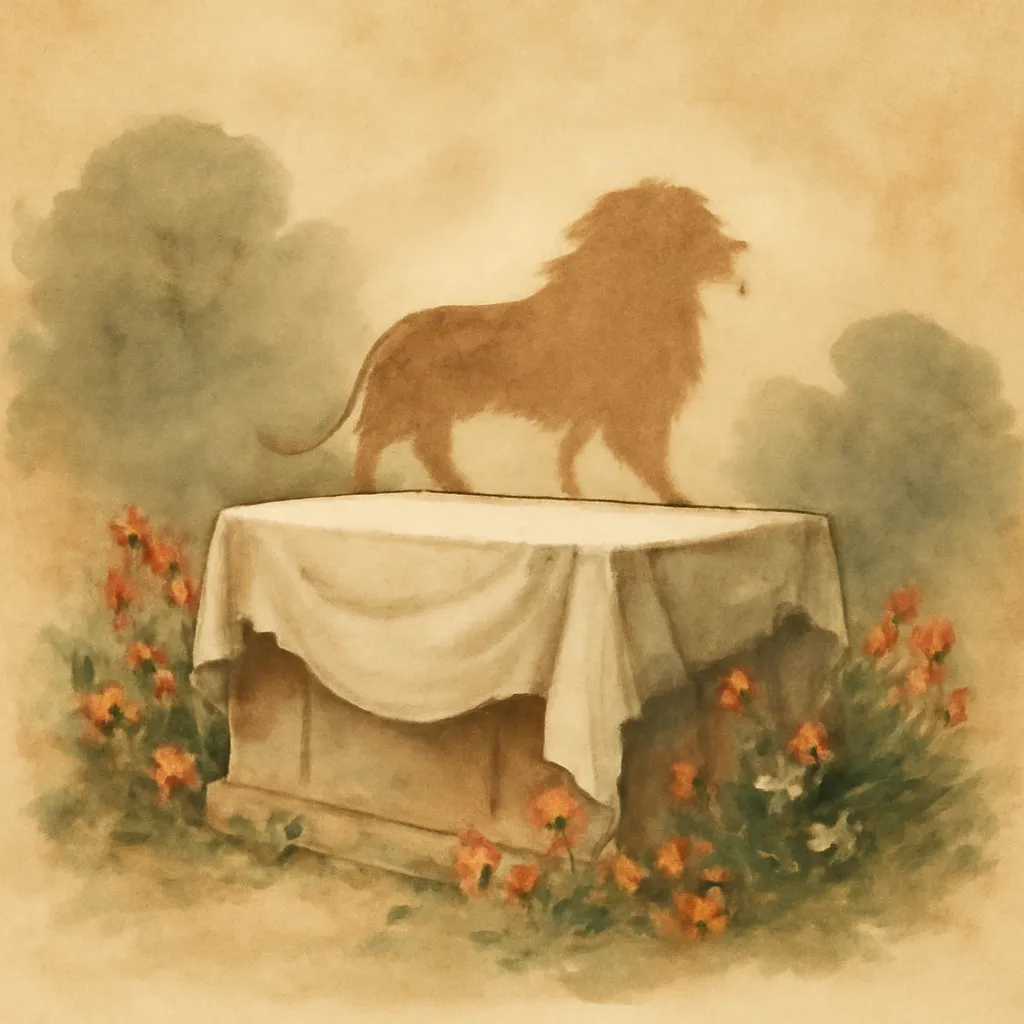
Central to the narrative is the theme of sacrifice, most powerfully represented by Aslan’s willing death in Edmund’s place. This act is not only a turning point in the plot but also a profound meditation on forgiveness and the possibility of transformation. Lewis suggests that true leadership and love require selflessness, and that even the worst mistakes can be redeemed through grace and courage.
3.The Loss and Recovery of Innocence
The Pevensie children’s journey reflects a movement from innocence to experience and back again. Their initial wonder at Narnia is tempered by betrayal and fear, but through their trials, they gain a deeper, more resilient sense of hope and wonder. The story invites readers to consider what it means to grow up without losing the capacity for belief and awe.
4.Faith and the Unseen
Lewis weaves faith into the fabric of the story, not as dogma, but as a willingness to trust in what cannot be seen or fully understood. Lucy’s steadfast belief in Narnia, despite disbelief from her siblings, models the courage required to hold onto truth in the face of skepticism. The narrative suggests that faith—whether in magic, goodness, or each other—can open doors to transformation.
5.The Allure and Danger of Escapism
While Narnia is enchanting, Lewis subtly warns against using fantasy as mere escape. The children’s adventures have real stakes and consequences, and their experiences in Narnia ultimately prepare them to face challenges in their own world. The book celebrates imagination, but also insists on the importance of returning to reality with renewed purpose.
6.Leadership and Responsibility
As the children become kings and queens, they are thrust into leadership roles that demand wisdom, courage, and humility. Lewis explores how authority is not about power for its own sake, but about serving others and making difficult choices. The siblings’ growth into their roles underscores the idea that true leadership is earned through character and compassion.