1.Bringing Fictional Food to Life
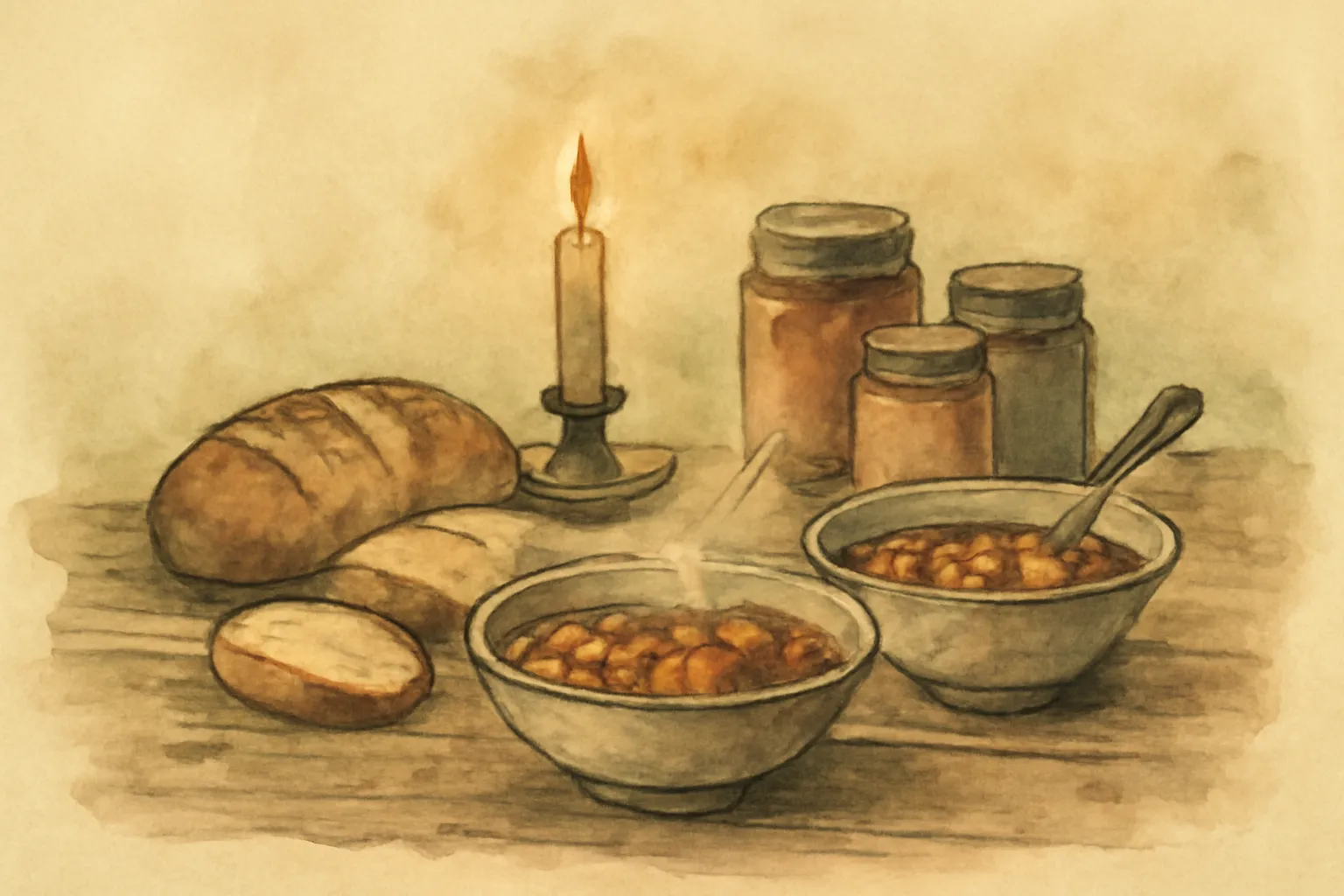
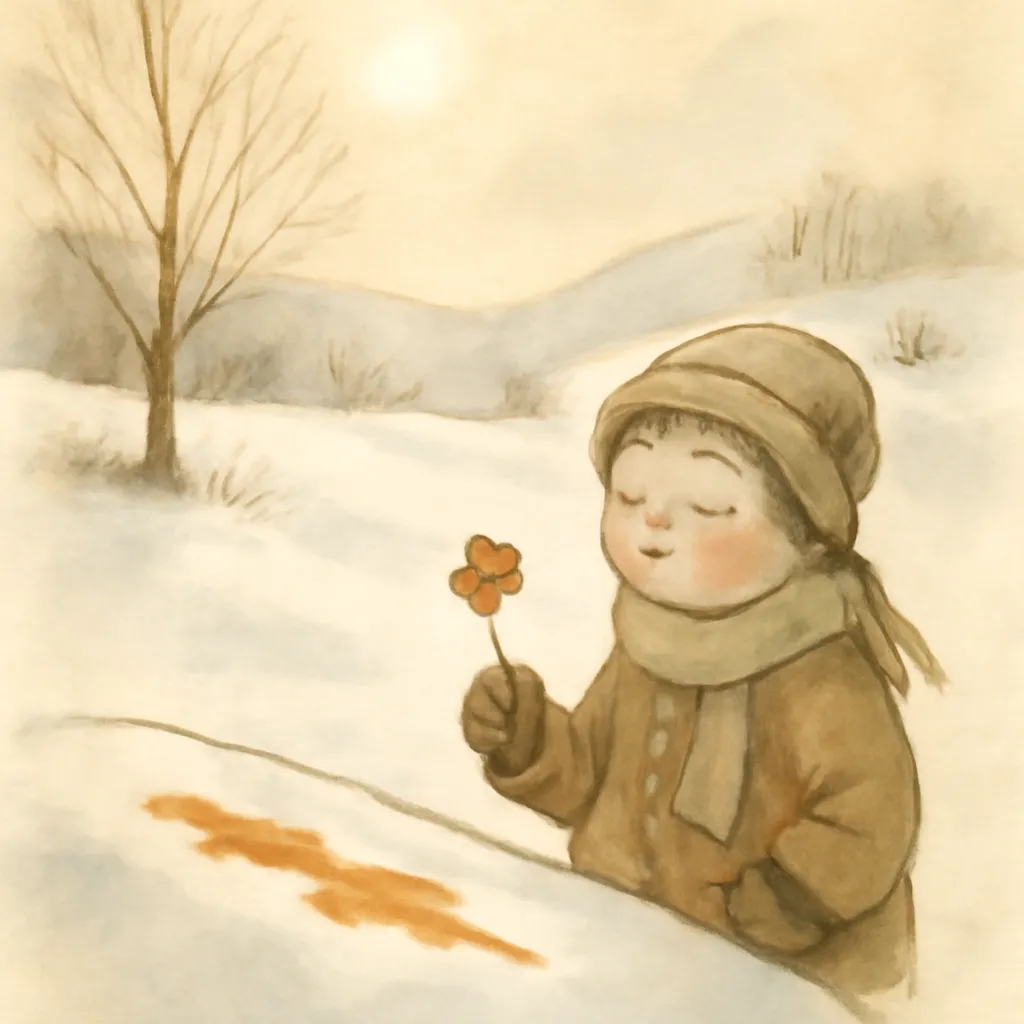
Barbara M. Walker bridges the gap between literature and culinary history by meticulously recreating the recipes described in the Little House books. She translates the evocative food scenes—like maple candy on snow or salt-rising bread—into practical, modern instructions, allowing readers to experience firsthand the flavors that shaped Laura Ingalls Wilder’s world. This approach makes the stories tangible and invites a multisensory engagement with the novels.
2.Historical Accuracy and Research
Walker’s work is grounded in careful research of 19th-century American foodways. She draws on period cookbooks, diaries, and agricultural records to reconstruct recipes as they would have been made by pioneers. The book doesn’t romanticize the past; instead, it highlights the resourcefulness, seasonality, and sometimes the scarcity that defined pioneer cooking, giving readers a nuanced understanding of the era.
3.Cooking as Cultural Heritage
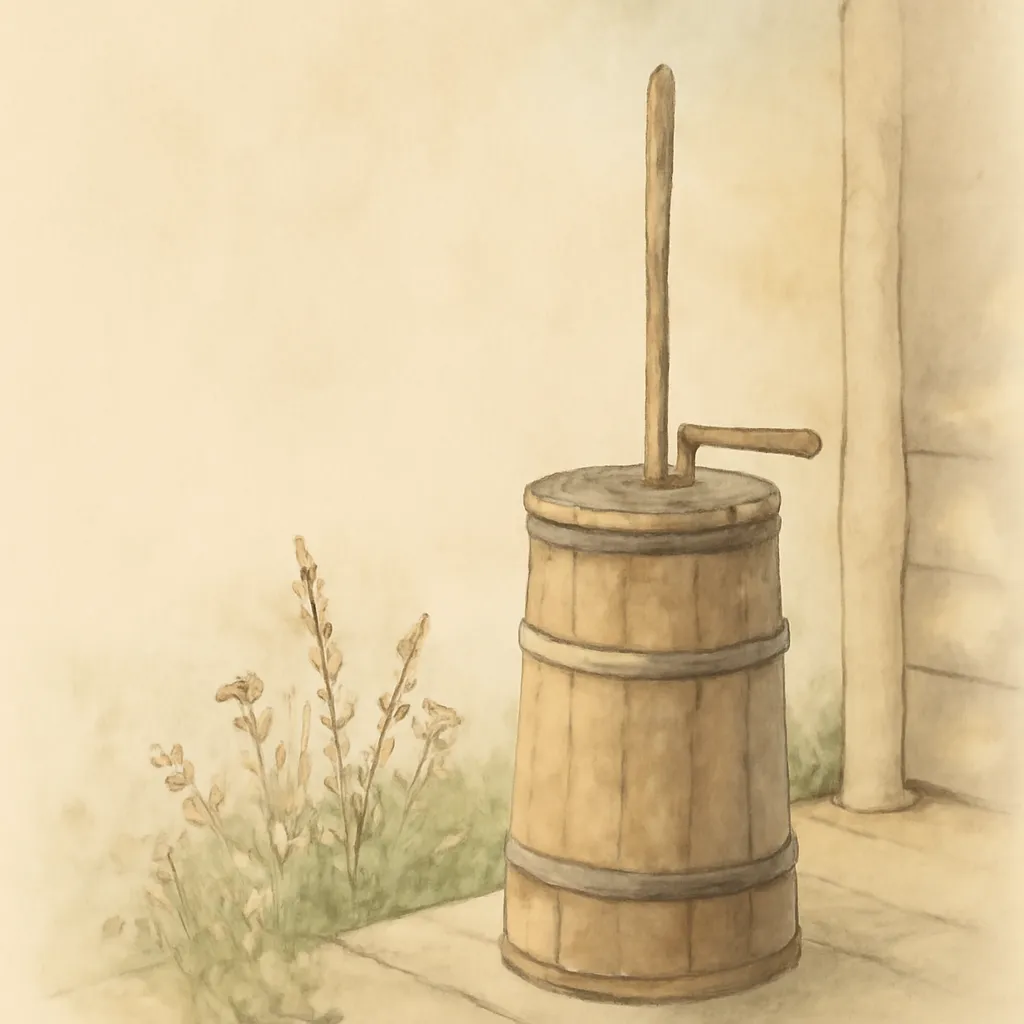
The cookbook frames cooking not just as sustenance, but as a vital part of cultural identity and family tradition. Through detailed descriptions and contextual notes, Walker shows how food rituals—like churning butter or making headcheese—were woven into the fabric of daily life and community. This perspective encourages readers to see cooking as a way to connect with history and heritage.
4.Adaptation for Modern Kitchens
While rooted in historical authenticity, Walker adapts the recipes for contemporary home cooks. She provides clear ingredient lists, modern measurements, and safety tips, making even the most rustic dishes accessible. The book acknowledges the challenges of replicating pioneer techniques with modern equipment, offering practical advice for those who want to experiment without a woodstove or open hearth.
5.Interwoven Literary Passages
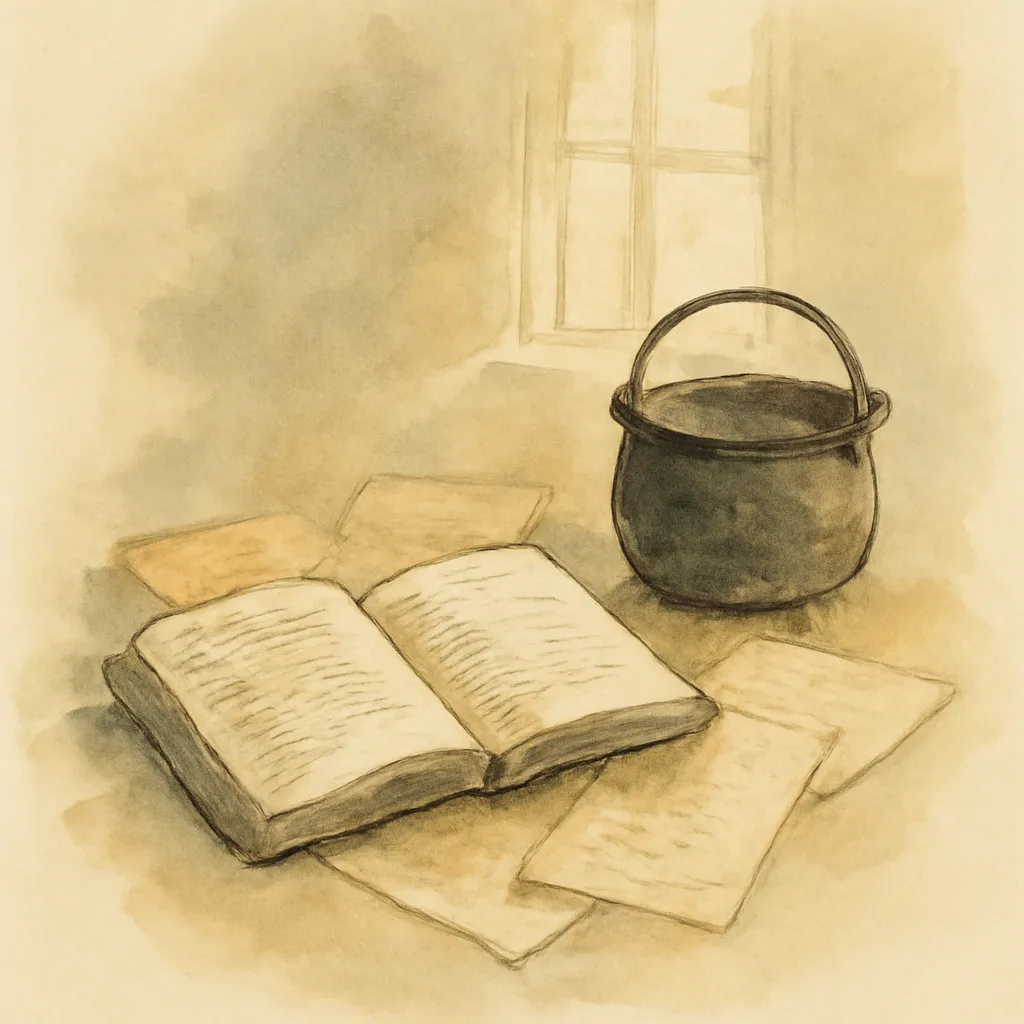
Each recipe is paired with carefully selected excerpts from the Little House books, immersing readers in the original context and emotional resonance of the food. These literary passages serve both as inspiration and as a reminder of the stories’ enduring appeal, deepening the connection between the reader, the recipes, and the world of Laura Ingalls Wilder.
6.Educational Value for All Ages
Beyond recipes, the book functions as an accessible primer on pioneer-era food history, suitable for both children and adults. It offers insights into food preservation, foraging, and the ingenuity required to cook with limited resources. Teachers, parents, and homeschoolers will find it a valuable resource for bringing history to life through hands-on learning.