1.The Value of Childlike Perspective
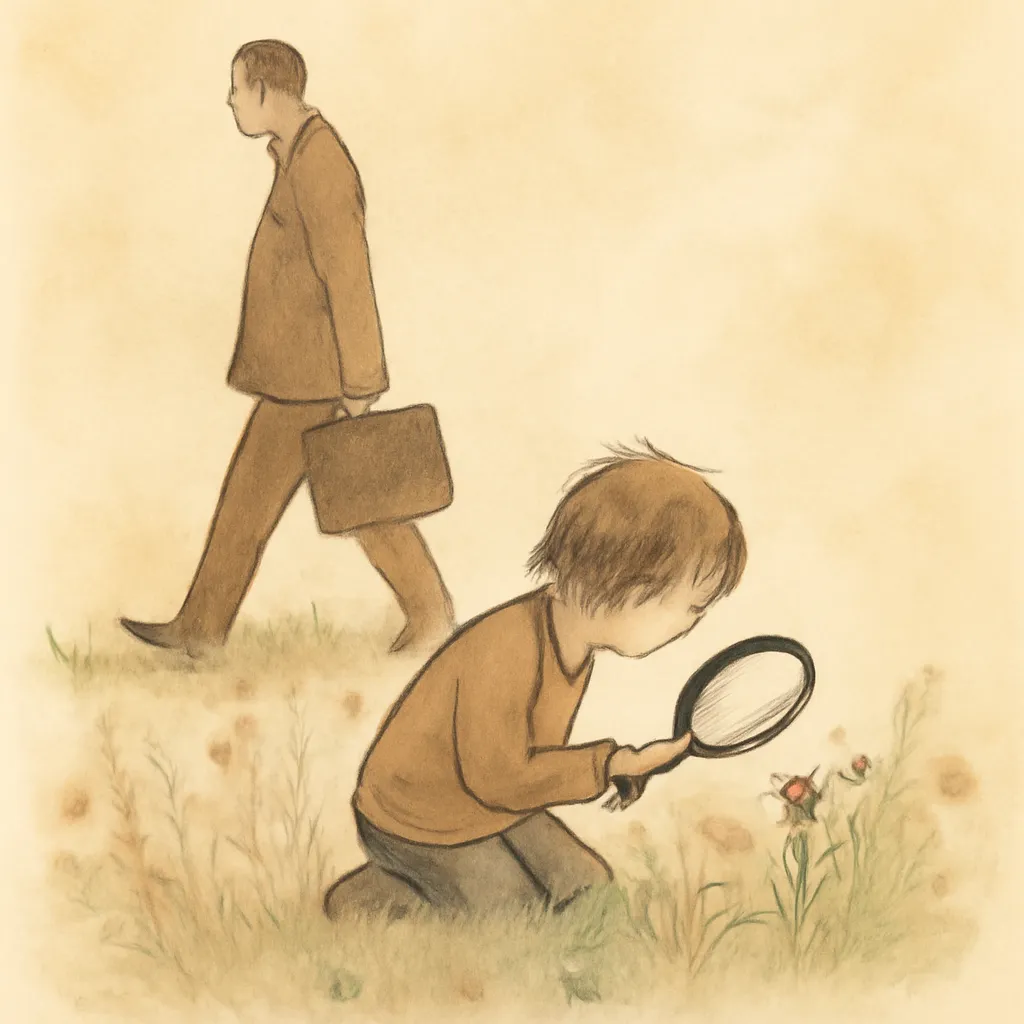
The Little Prince contrasts the open-hearted curiosity of children with the rigid, unimaginative thinking of adults. The narrator, once a child himself, laments how grown-ups lose their sense of wonder and become preoccupied with numbers, rules, and status. The prince’s innocent questions and observations expose the absurdities of adult priorities, suggesting that true wisdom lies in retaining a child’s openness and ability to see what is truly important.
2.Seeing with the Heart
A recurring theme is that what is essential is invisible to the eye. The Little Prince learns from the fox that real understanding comes from the heart, not from outward appearances or material things. This idea challenges readers to look beyond superficial judgments and to value relationships, feelings, and inner qualities above all else.
3.The Absurdity of Adult Concerns
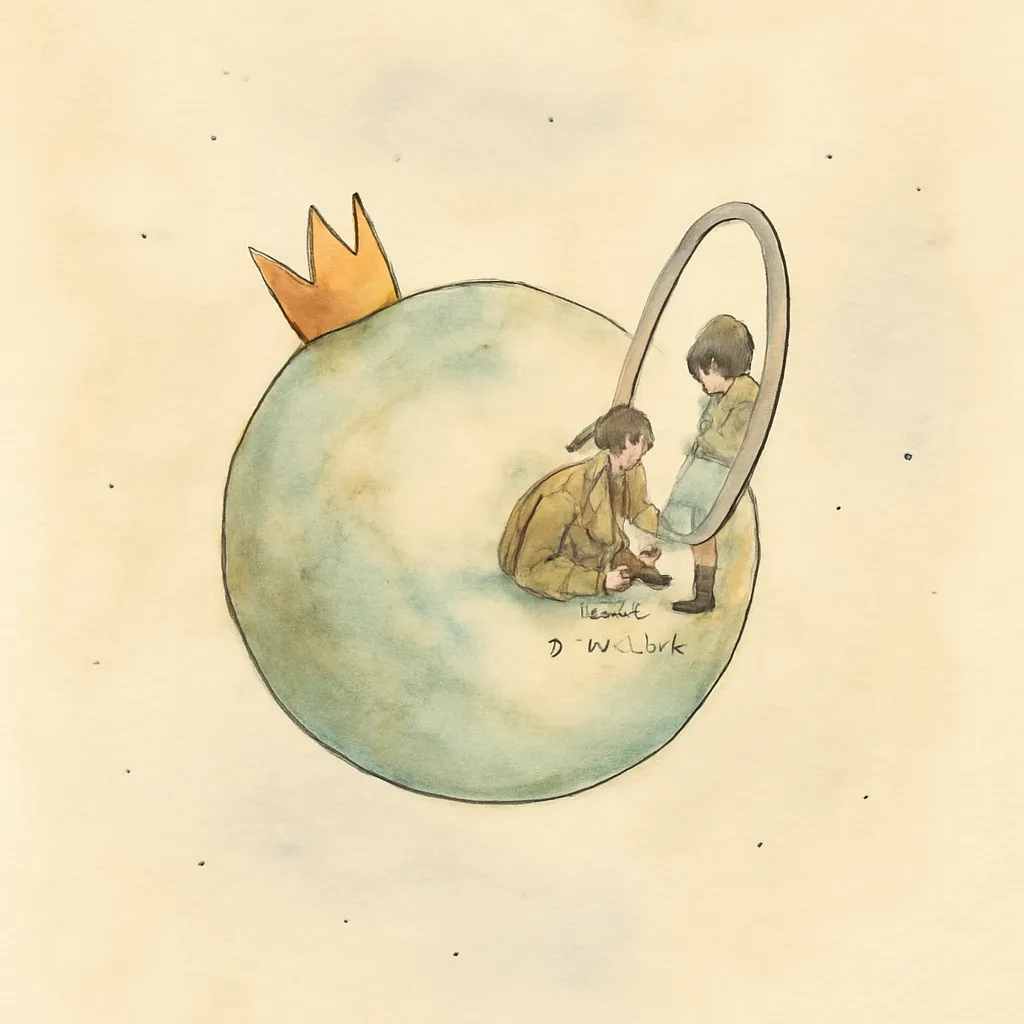
Through encounters with various grown-ups on different planets—the king, the vain man, the drunkard, the businessman, and others—the book satirizes adult obsessions with power, admiration, wealth, and routine. Each character is trapped by their own narrow worldview, unable to connect with others or appreciate the beauty around them. The Little Prince’s confusion and sadness at these encounters highlight the emptiness of such pursuits.
4.The Pain and Beauty of Relationships
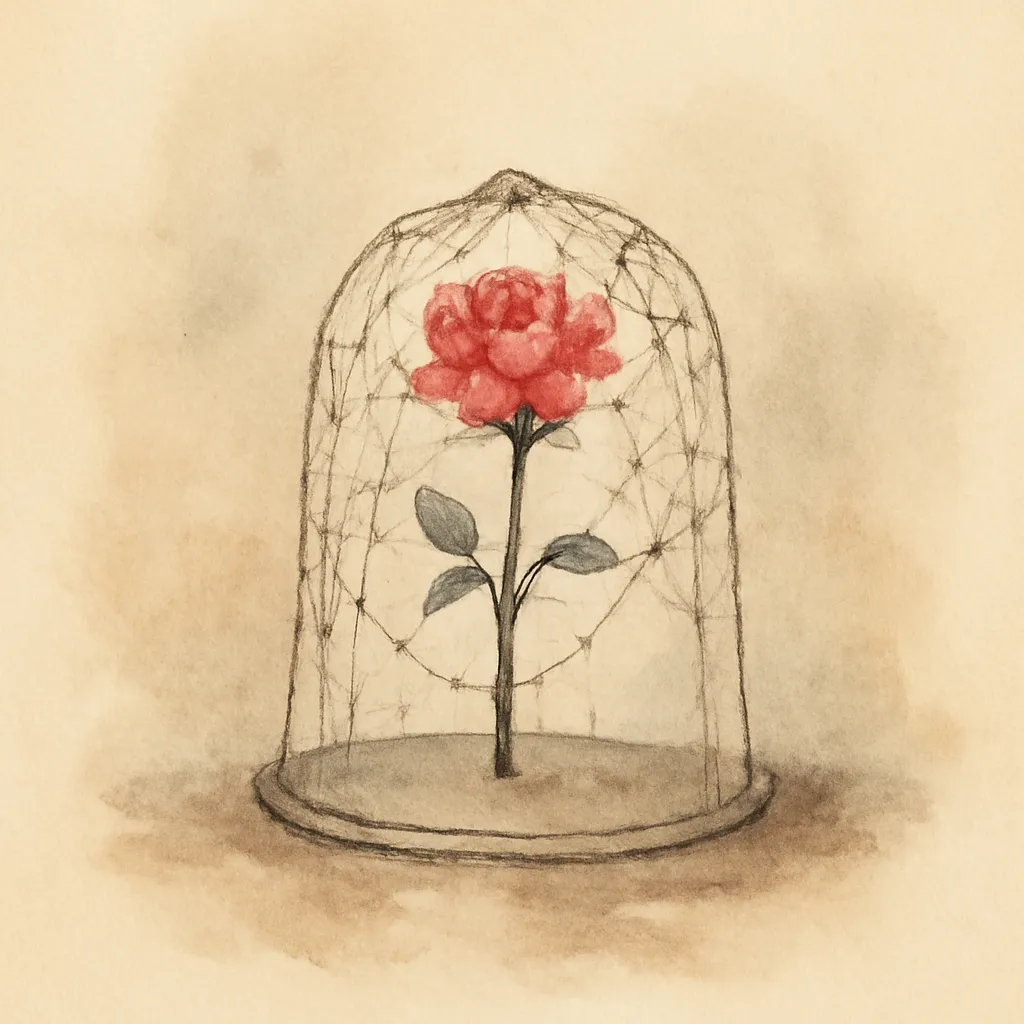
The prince’s relationship with his rose is central to the story. He learns that love brings both joy and vulnerability, and that to truly care for someone means to accept responsibility for them. The story explores themes of longing, loss, and the bittersweet nature of attachment, suggesting that these experiences, though painful, are what give life meaning.
5.Imagination as a Path to Truth
Saint-Exupéry uses the structure of a fable, with talking animals and fantastical planets, to convey deep philosophical truths. Imagination is not just for children; it is a vital tool for understanding the world and ourselves. The narrative encourages readers to nurture their creativity and to approach life with a sense of play and possibility.
6.Loneliness and the Search for Connection
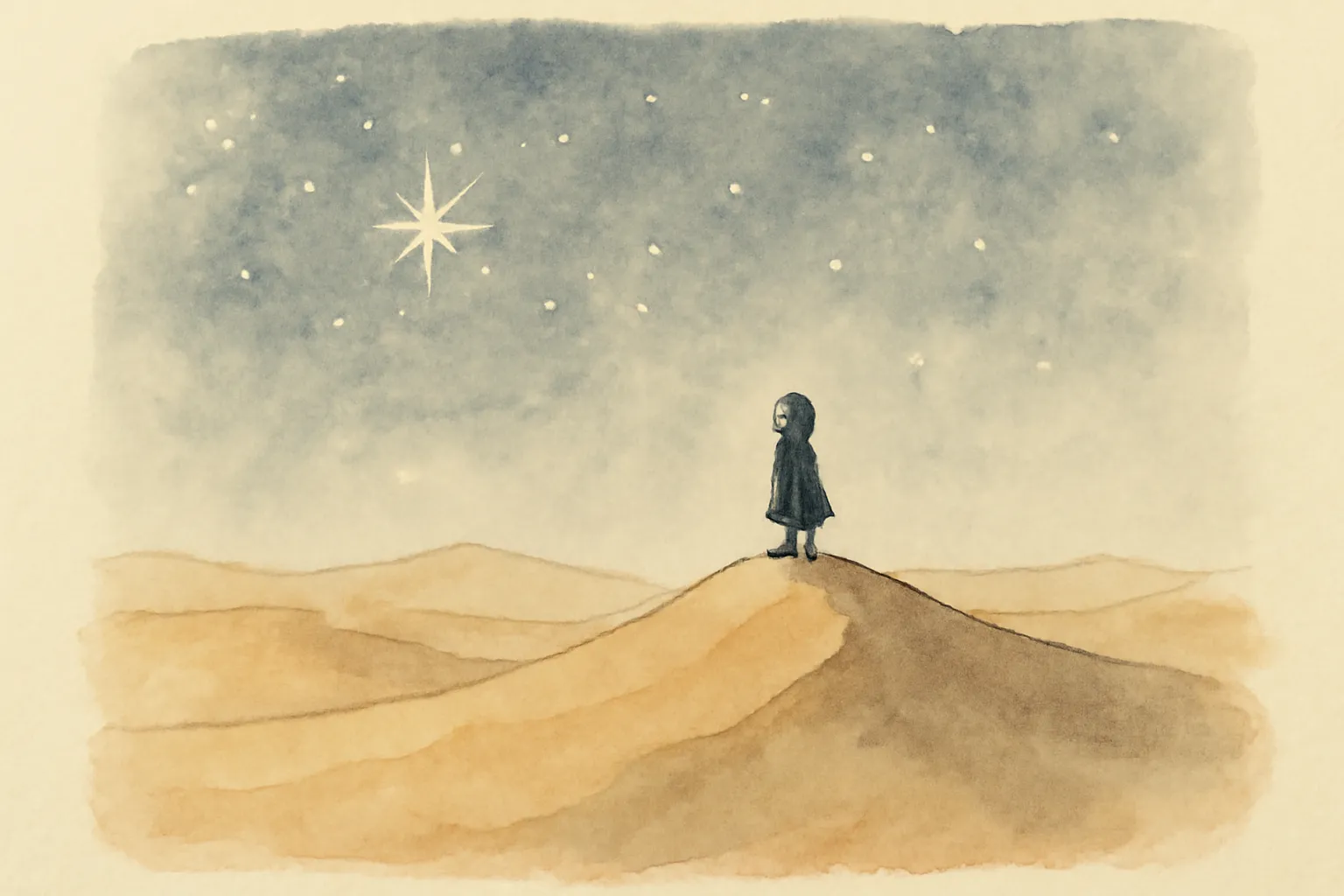
Both the narrator and the Little Prince experience isolation—one stranded in the desert, the other traveling from planet to planet. Their meeting becomes a moment of genuine connection, underscoring the human need for companionship, empathy, and understanding. The book suggests that even brief encounters can have profound impacts on our lives.