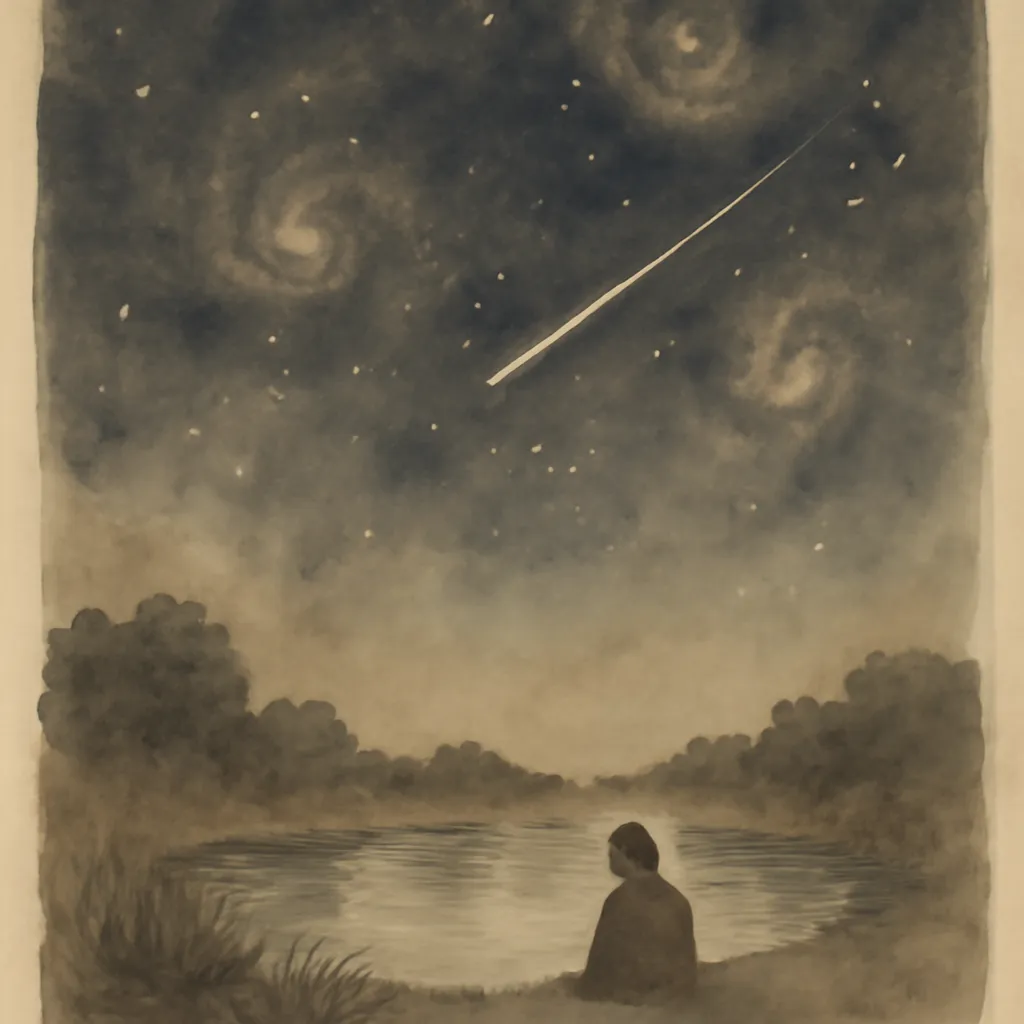
A lyrical meditation on the interconnectedness of life, science, and humanity.
If you’re curious about the hidden links between biology, humanity, and the planet, The Lives of a Cell offers a poetic and thought-provoking journey. Lewis Thomas, a physician and biologist, blends scientific insight with philosophical reflection, inviting readers to see themselves as part of a vast, interdependent web of life.
Lewis Thomas was a physician, researcher, and essayist renowned for his ability to bridge science and the humanities. His medical and scientific expertise, combined with a literary sensibility, make him an authoritative and engaging guide to the wonders of biology and life.
Key ideas
1.Interconnectedness of Life
Thomas argues that all living things, from the smallest cell to the entire biosphere, are deeply interconnected. He uses the metaphor of Earth itself as a kind of cell, emphasizing that humans are not separate from nature but embedded within it. This perspective challenges the traditional view of humans as detached observers and instead places us as participants in a complex, co-evolving system.
2.The Cell as a Microcosm
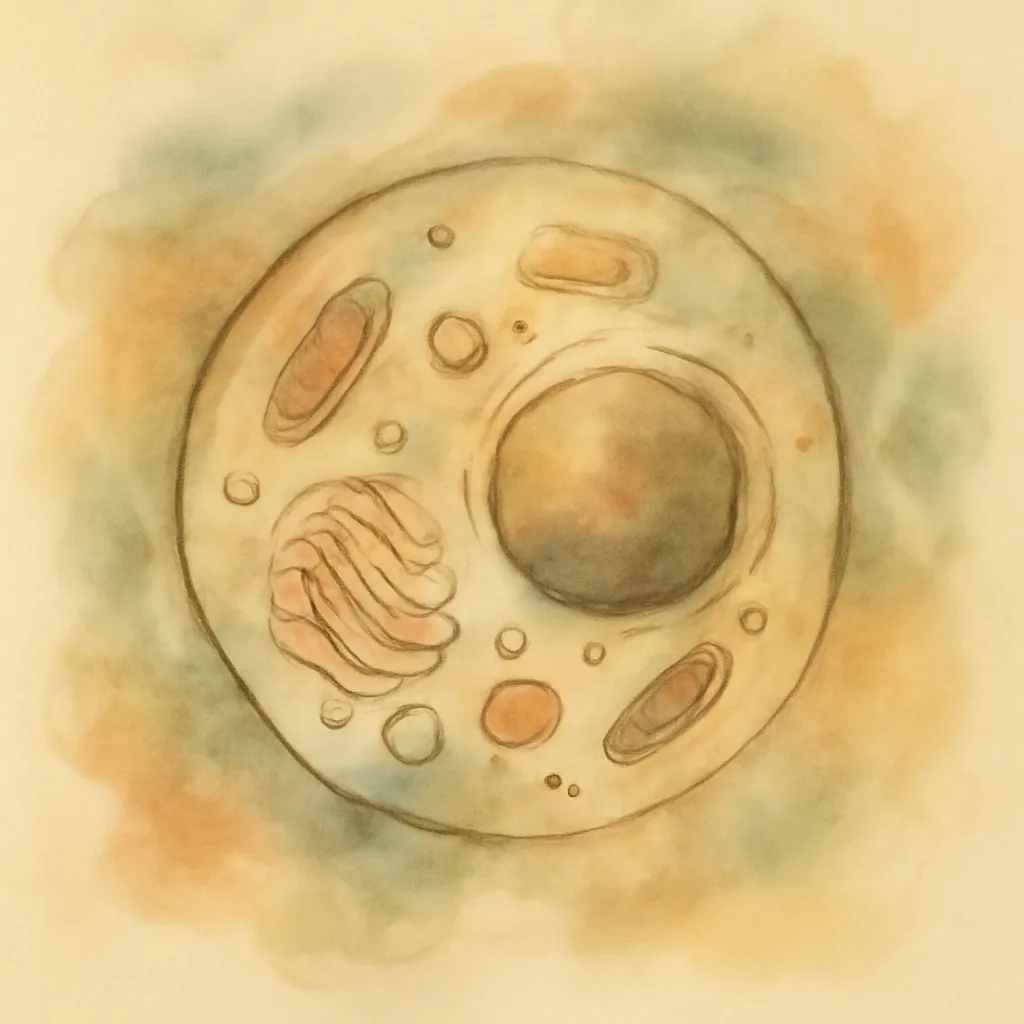
The title essay and others explore the cell as a microcosm of life, containing multitudes of organisms and processes. Thomas marvels at the symbiotic relationships within our own bodies, such as the mitochondria that power our cells, suggesting that cooperation and integration are fundamental to life’s success.
3.Limits of Scientific Knowledge
Thomas acknowledges the beauty and power of science, but also its limitations. He reflects on the mysteries that remain unsolved and the humility required in scientific inquiry. Rather than seeing science as a tool for domination, he frames it as a way of participating in the wonder of existence.
4.Language and Communication
Several essays examine language, both human and biological. Thomas draws parallels between the evolution of language and the communication systems found in nature, suggesting that meaning and connection are central to both. He sees language as a bridge between individuals and as a product of our biological heritage.
5.Human Health in Ecological Context
Thomas places medicine and health within the broader context of ecology. He suggests that understanding disease and wellness requires looking beyond the individual to the environment and the larger systems we inhabit. This ecological approach anticipates later developments in systems biology and public health.
6.Humility and Wonder
Throughout the essays, Thomas advocates for an attitude of humility and wonder toward life. He encourages readers to appreciate the complexity and subtlety of living systems, and to resist the temptation to oversimplify or control nature. This philosophical stance is as relevant today as when he wrote.
Key takeaways
- ◆Humans are not separate from nature, but part of its fabric.
- ◆Every cell, and every person, is a community of life.
- ◆Science reveals mysteries, but also deepens them.
- ◆Health is shaped by our environment and relationships.
- ◆Wonder and humility are essential to understanding life.
In conclusion
The Lives of a Cell is both a celebration and a meditation on the unity of life, urging readers to see themselves as participants in a vast, intricate system. Thomas’s essays remain resonant for anyone interested in the intersection of science, philosophy, and the human experience.