1.Science as Exploration and Wonder
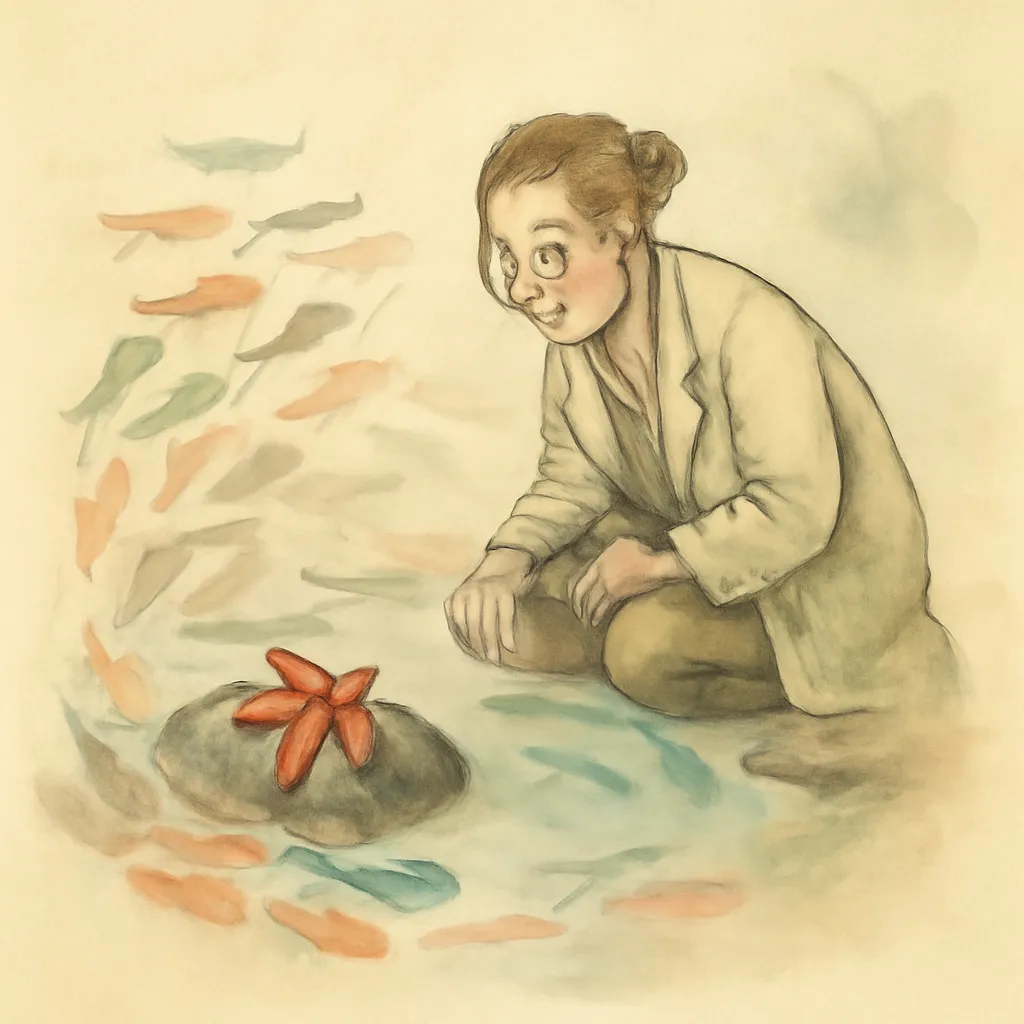
Steinbeck’s account transforms marine biology from a dry cataloging of species into an exuberant quest for understanding. The book celebrates the thrill of discovery, showing how science is driven by curiosity and wonder rather than mere data collection. Steinbeck and Ricketts approach their specimens not just as objects to be classified, but as gateways to deeper questions about life’s interconnectedness. This perspective invites readers to see science as a deeply human activity, filled with adventure and open-ended inquiry.
2.Interconnectedness of Life
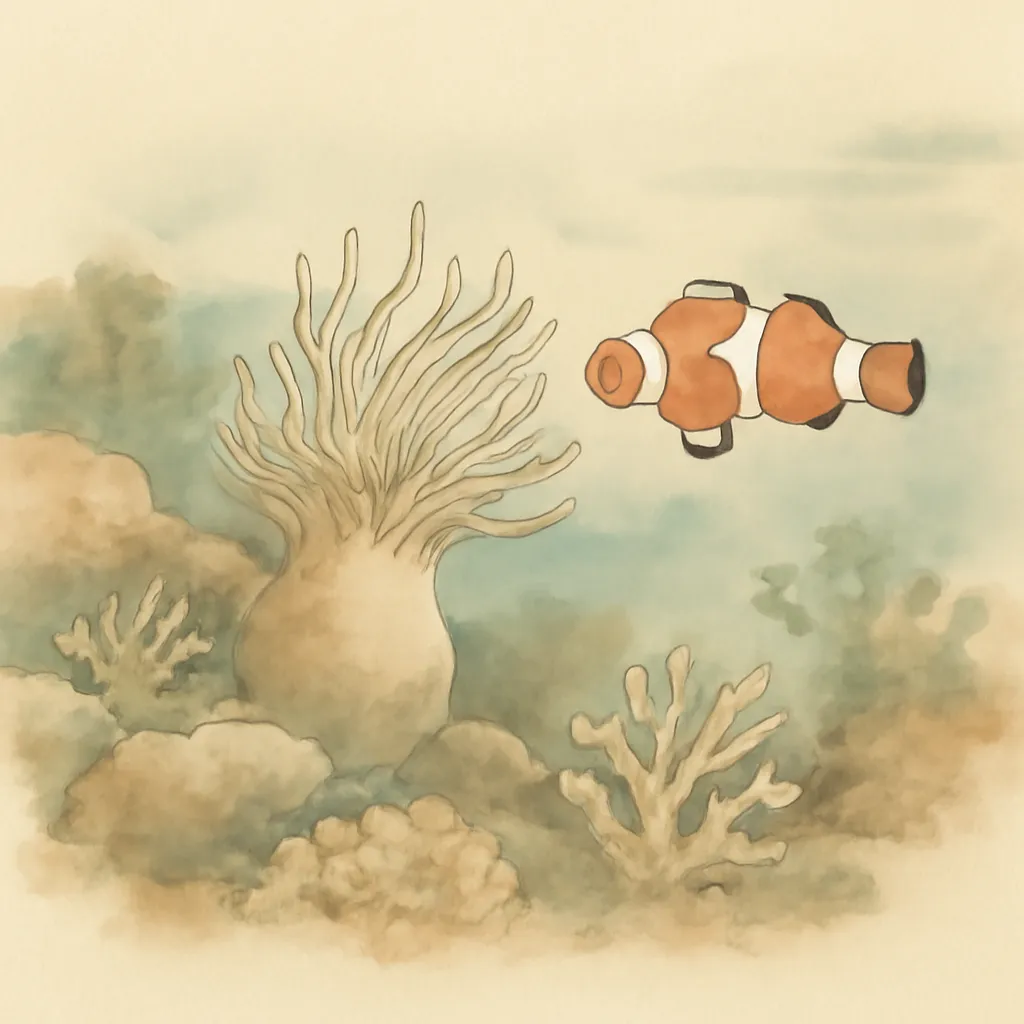
A central theme is the interconnectedness of all living things. Steinbeck and Ricketts observe how every organism, from the smallest tidepool creature to the largest fish, plays a role in the ecosystem. Their reflections foreshadow ecological thinking, emphasizing that humans are not separate from nature but a part of its intricate web. This holistic view challenges readers to reconsider their place in the natural world and the impact of their actions.
3.Philosophy in the Field
Beyond cataloging marine life, the narrative is rich with philosophical musings. Steinbeck uses the journey as a springboard for meditations on fate, chance, and the meaning of existence. These digressions give the book a contemplative tone, blending scientific observation with existential inquiry. The result is a work that encourages readers to ponder not just what we know about the world, but how we know it and why it matters.
4.Friendship and Collaboration
The partnership between Steinbeck and Ed Ricketts is at the heart of the book. Their camaraderie, mutual respect, and intellectual exchange drive the narrative forward. The book illustrates how collaboration can enrich both scientific and personal pursuits, suggesting that discovery is often a communal process. The warmth and humor in their interactions add a human dimension to the expedition’s rigors.
5.The Value of Detachment and Observation
Steinbeck advocates for a mode of observation that is both engaged and detached—being present in the moment while resisting the urge to impose preconceived notions. This attitude allows for genuine discovery and a deeper appreciation of the world’s complexity. The book encourages readers to cultivate this mindset in their own encounters with nature and knowledge.
6.The Limits of Human Understanding
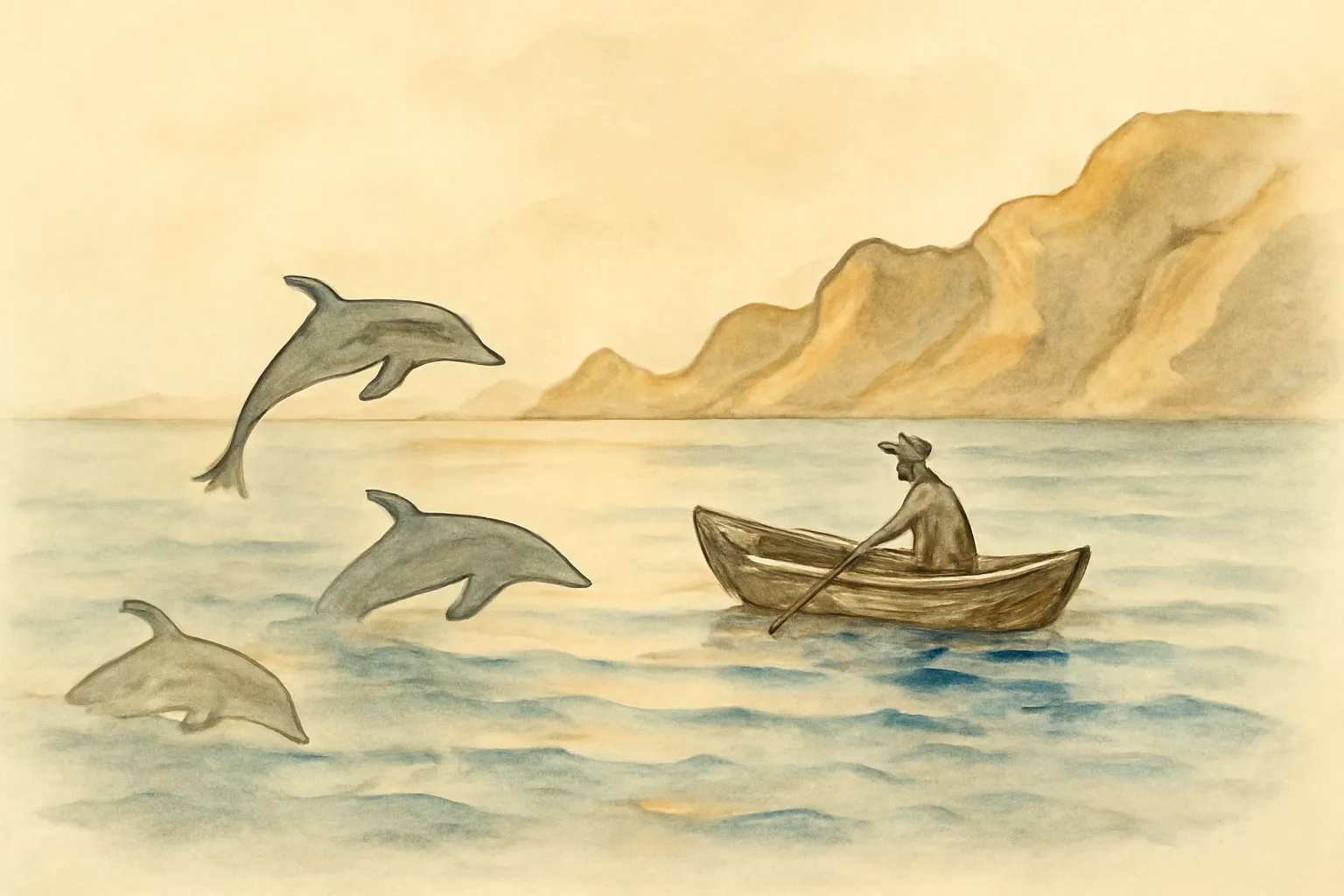
Throughout the journey, Steinbeck acknowledges the limits of human knowledge. The sea, with its vastness and mysteries, becomes a metaphor for the unknown. Rather than seeing these limits as failures, the book embraces them as invitations to humility and ongoing curiosity. This perspective fosters a sense of respect for the mysteries that remain beyond our grasp.