1.Nostalgia Meets Reality
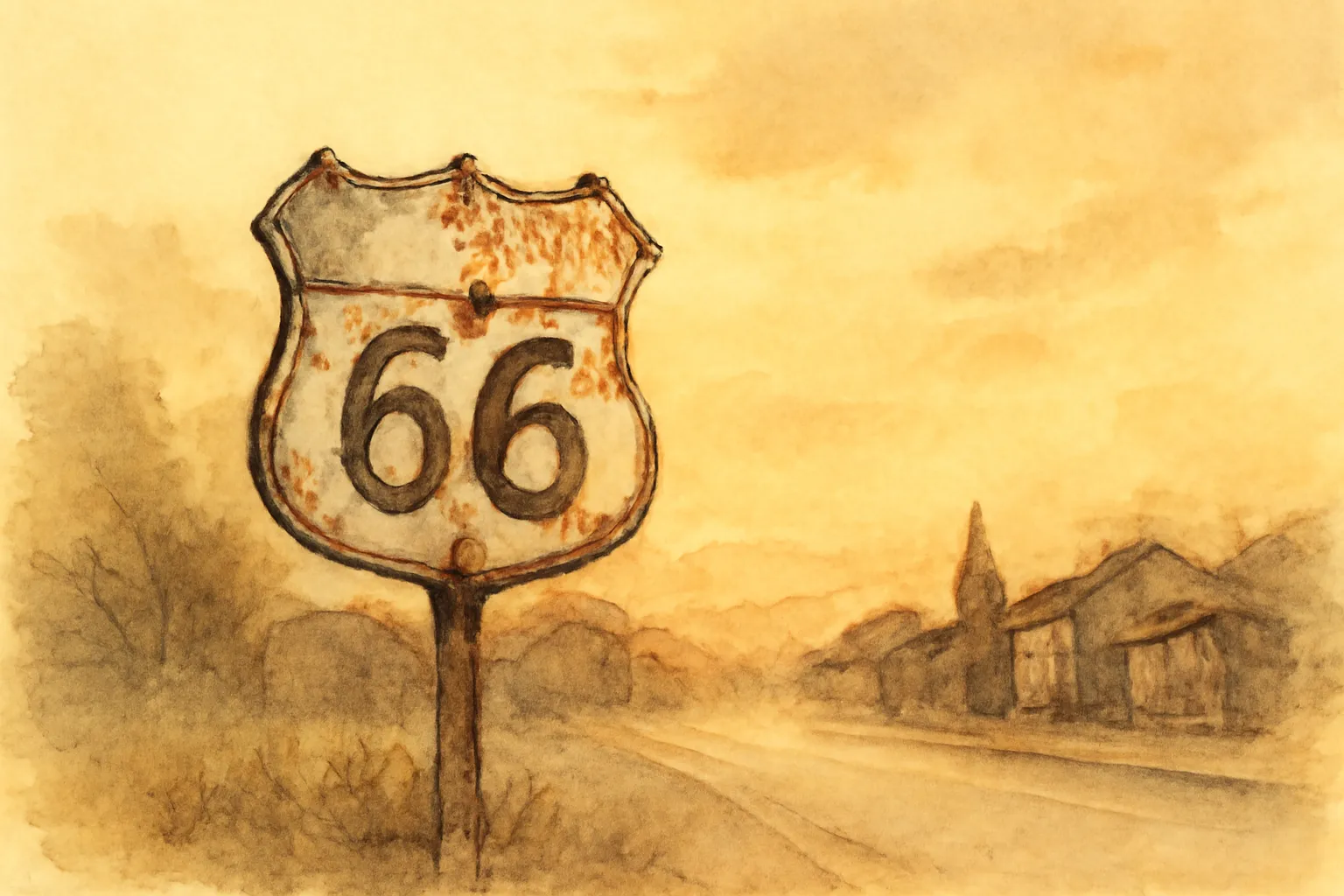
Bryson’s journey is motivated by a longing for the idyllic America he remembers from childhood road trips with his family. However, as he revisits these places decades later, he finds that reality often clashes with memory. Small towns are not always as charming or vibrant as he remembered; many have declined or become homogenized. This tension between nostalgia and reality is a central theme, prompting readers to consider how memory shapes our perceptions of place and time.
2.The Humor of the Ordinary
Bryson’s signature wit shines as he describes the quirks, oddities, and banalities of American life. He finds comedy in the mundane—motels, diners, roadside attractions—and uses humor to both entertain and critique. His observations are often self-deprecating, poking fun at his own expectations and the absurdities he encounters. This approach makes the book accessible and engaging, inviting readers to laugh at the familiar.
3.Critique of American Culture
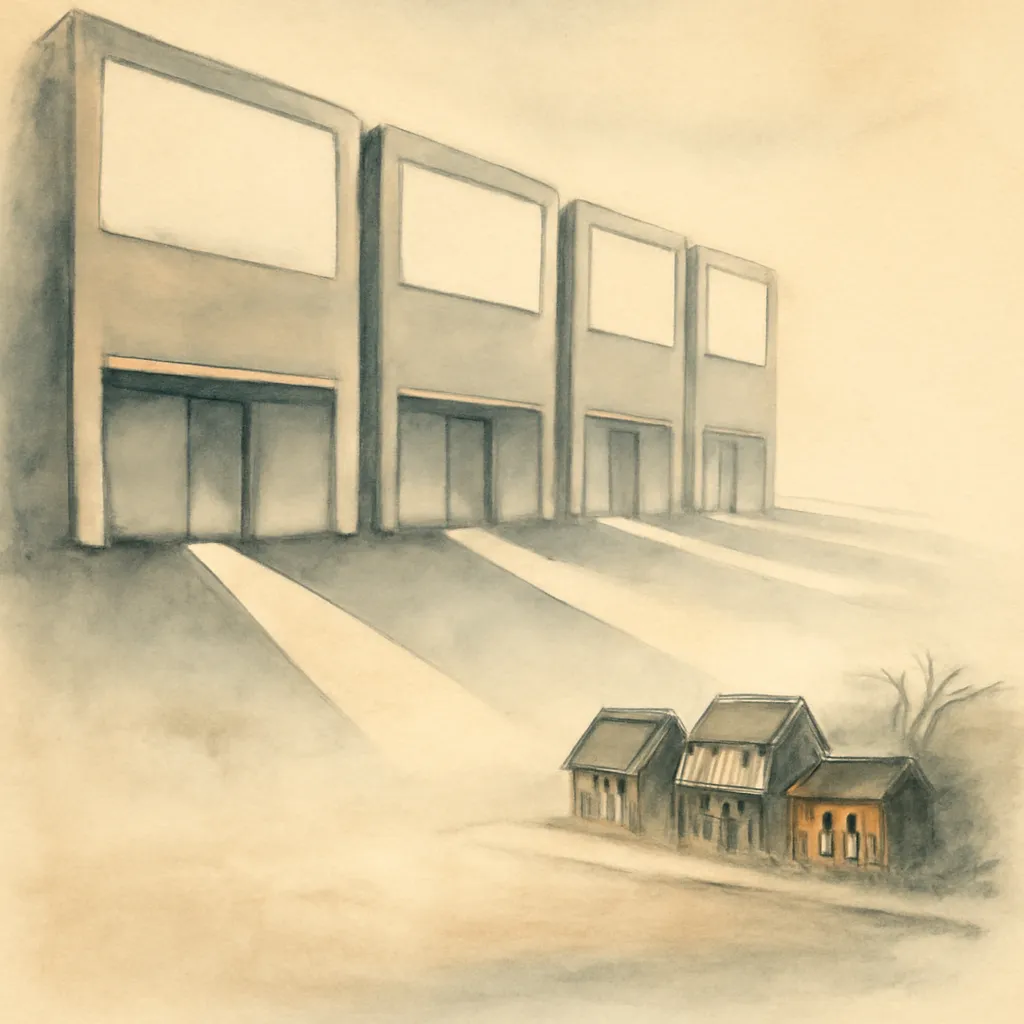
While affectionate, Bryson’s account is also pointedly critical. He laments the spread of chain stores, the loss of regional character, and the growing sameness of American towns. He notes the cultural and economic shifts that have left many communities struggling, questioning what has been sacrificed in the name of progress and convenience. This critique is balanced by moments of genuine appreciation for the resilience and friendliness he finds in unexpected places.
4.The Search for Authenticity
Underlying Bryson’s travels is a quest for authenticity—real places, real people, and genuine experiences. He is skeptical of tourist traps and manufactured attractions, preferring the unvarnished reality of out-of-the-way towns. His encounters with locals, both pleasant and awkward, reveal the diversity and complexity of American life beyond the clichés.
5.Personal Reflection and Loss
The book is also a personal journey, marked by the recent death of Bryson’s father. This loss colors his travels, making the road trip not just a search for America but a way to process grief and reconnect with family memories. The interplay of humor and melancholy gives the narrative emotional depth, as Bryson contemplates change, aging, and the passage of time.
6.The American Road Trip as Myth
Bryson engages with the idea of the road trip as a quintessentially American experience—a rite of passage and a means of self-discovery. He both celebrates and subverts this myth, exposing the gap between romanticized journeys and the often tedious or disappointing reality. Yet, the act of traveling itself remains meaningful, offering new perspectives and unexpected joys.