1.The Flawed Heroism of Edward Malone
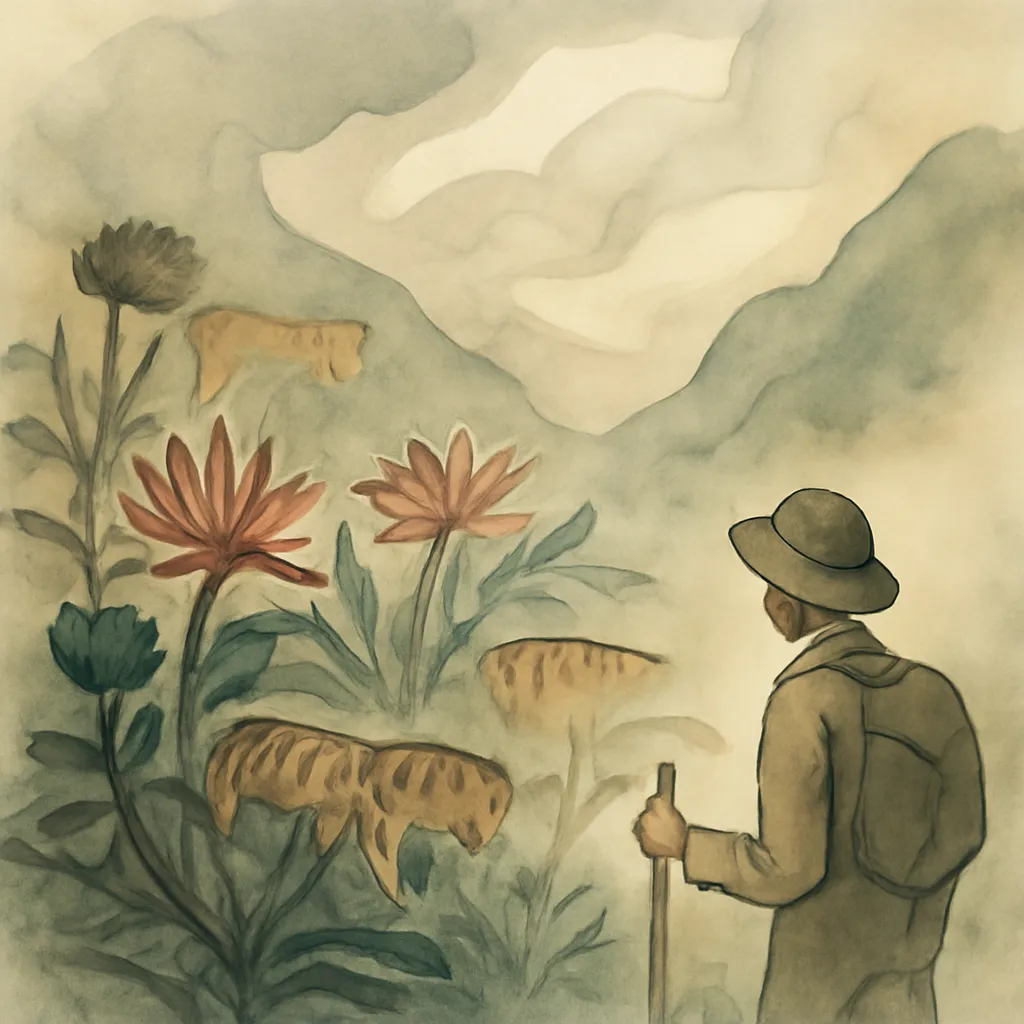
Edward Malone, a journalist eager to prove himself, embodies the struggle between aspiration and reality. Initially motivated by a desire to win the affection of Gladys, he seeks adventure to justify his worth. Malone's character development reflects the broader theme of personal growth through adversity. As he faces dangers on the plateau, his courage is tested, and he gradually evolves from a naive reporter to a key player in the group's survival. This transformation is marked by his willingness to confront fears, embrace uncertainties, and ultimately take on a heroic role, showcasing how true heroism often emerges from vulnerability.
2.Professor Challenger: The Archetypal Antihero
Professor Challenger serves as the embodiment of scientific hubris and unyielding conviction. His larger-than-life personality and aggressive demeanor challenge societal norms and expectations. Challenger's determination to prove the existence of prehistoric creatures is fueled by a blend of arrogance and genuine passion for discovery. He represents the conflict between established scientific thought and radical new ideas, often clashing with more skeptical characters like Professor Summerlee. This dichotomy highlights the tension within the scientific community regarding the acceptance of unconventional theories. Challenger's character invites readers to ponder the balance between skepticism and belief, ultimately suggesting that progress often requires bold, if controversial, ideas.
3.The Dynamics of Group Exploration
The expedition to the plateau is a microcosm of human interaction and conflict, revealing the complexities of group dynamics. The diverse personalities of the team members, including the skeptical Summerlee and the adventurous Lord John Roxton, create a rich tapestry of relationships. Their interactions are marked by camaraderie, rivalry, and philosophical debates, showcasing how differing perspectives can both enhance and hinder collective efforts. As they face external threats from the environment and prehistoric creatures, the group's cohesion is tested, forcing them to confront their biases and prejudices. This dynamic illustrates the importance of collaboration and adaptability in overcoming challenges, emphasizing that success often relies on the ability to unite diverse talents and viewpoints.
4.The Allure of the Unknown
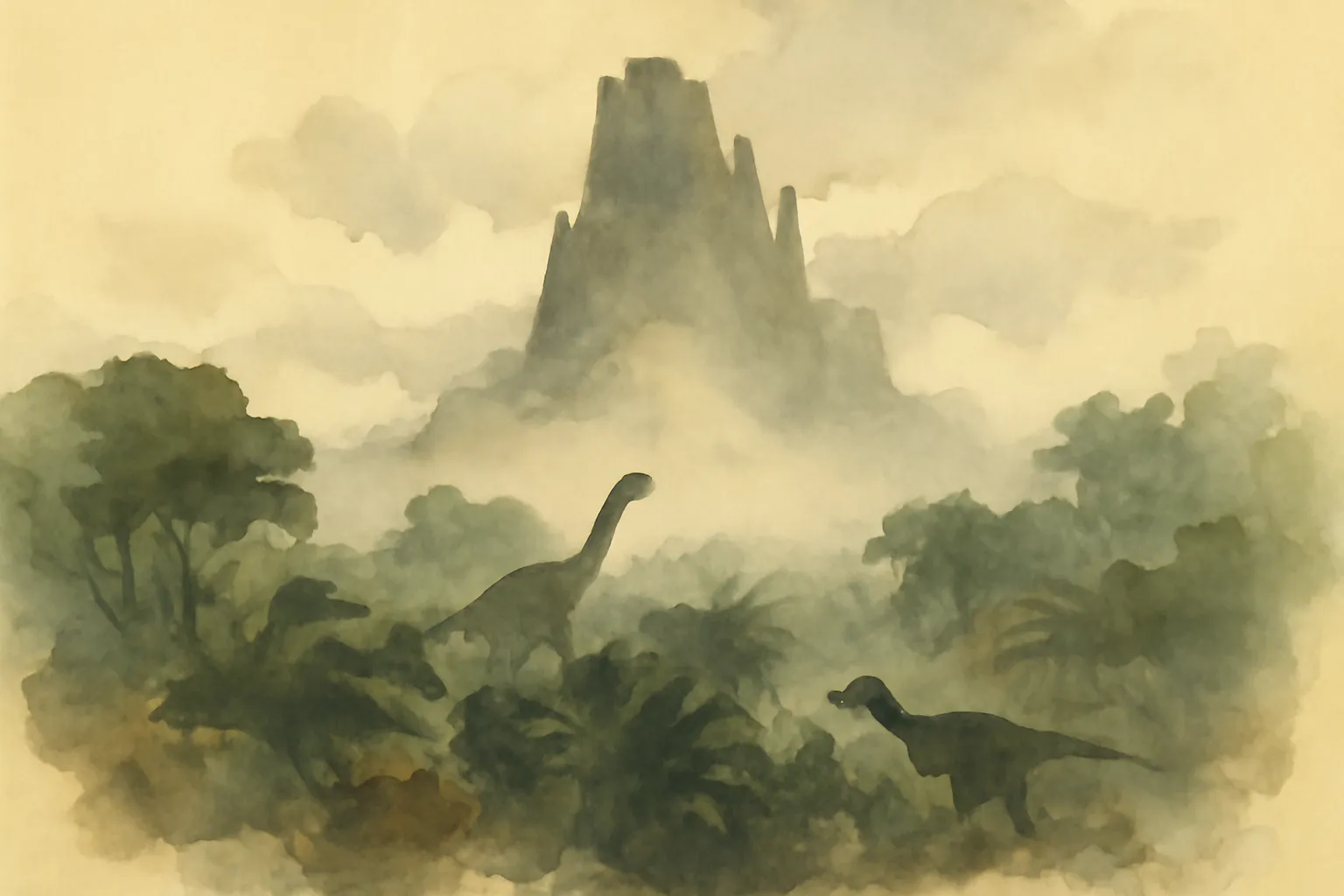
Doyle's portrayal of the uncharted plateau evokes a sense of wonder and curiosity about the natural world. The lush, vibrant landscape is depicted as both enchanting and perilous, inviting readers to explore the duality of nature's beauty and brutality. This theme resonates with the human desire to uncover mysteries and push boundaries, reflecting the age-old quest for knowledge. The explorers' encounters with bizarre flora and fauna serve as a reminder of the planet's untamed wilderness, emphasizing the fragility of ecosystems and the consequences of human intrusion. Doyle's vivid imagery and detailed descriptions stimulate the imagination, compelling readers to contemplate the vastness of the unknown and the ethical implications of exploration.
5.Survival Against All Odds
The narrative is steeped in themes of survival, as the explorers confront life-threatening challenges on the plateau. From navigating treacherous terrain to encountering deadly prehistoric creatures, every moment is fraught with danger. The characters' resourcefulness and resilience are put to the test, highlighting the instinctual drive to survive in the face of overwhelming odds. Doyle masterfully escalates the tension through vivid action sequences, immersing readers in the visceral experience of peril. This focus on survival not only serves to entertain but also provokes deeper reflections on the human spirit's capacity to endure hardship and the moral dilemmas that arise in extreme situations.
6.The Role of Science and Skepticism
At its core, 'The Lost World' grapples with the interplay between science and skepticism. Challenger's audacious claims challenge the scientific community's established norms, forcing characters like Summerlee to confront their own biases. The tension between faith in empirical evidence and the acceptance of extraordinary claims is a central theme. Doyle uses the expedition to illustrate the scientific method in action, as the characters gather data and observations to support or refute Challenger's theories. This exploration of scientific inquiry invites readers to reflect on the nature of knowledge and the importance of keeping an open mind, even in the face of skepticism.
7.The Impact of Colonialism
Doyle's narrative subtly critiques the colonial mindset prevalent during the era. The explorers' journey into the heart of the Amazon reflects the imperialist attitudes of the time, where uncharted territories were viewed as opportunities for conquest and exploitation. The interactions with indigenous peoples and the portrayal of the plateau's inhabitants raise questions about cultural superiority and the consequences of colonialism. The explorers' assumptions about the 'savage' nature of the indigenous tribes contrast sharply with the complexities of their societies, challenging readers to reconsider preconceived notions of civilization. This critique adds depth to the narrative, encouraging a more nuanced understanding of the historical context surrounding exploration.
8.Nature as a Character
In 'The Lost World,' nature is not just a backdrop but a character in its own right, shaping the events and fates of the explorers. The plateau's formidable cliffs, dense jungles, and unpredictable weather create a dynamic environment that influences the characters' actions and decisions. Doyle anthropomorphizes nature, attributing it with a sense of agency that can be both nurturing and destructive. The explorers' relationship with their surroundings underscores the tension between humanity and the natural world, illustrating the fragility of human existence in the face of nature's power. This portrayal invites readers to contemplate their own relationship with the environment and the need to respect and coexist with the natural world.
9.The Significance of Friendship and Loyalty
Amid the chaos of their journey, the bonds of friendship and loyalty among the explorers emerge as vital themes. The camaraderie between Malone, Roxton, Challenger, and Summerlee evolves as they face trials together, forging deep connections that transcend their initial differences. These relationships are tested by external threats and personal conflicts, yet they ultimately emerge stronger through shared experiences. The theme of loyalty is poignantly illustrated in their willingness to risk their lives for one another, emphasizing the importance of solidarity in overcoming adversity. Doyle demonstrates that true friendship can inspire courage and resilience, reinforcing the idea that human connections are essential to survival.
10.A Cautionary Tale of Hubris
The expedition serves as a cautionary tale about the dangers of hubris and the consequences of underestimating nature. Challenger's arrogance in asserting his theories without considering the potential repercussions of their exploration highlights the pitfalls of overconfidence. As the explorers encounter unforeseen challenges and perilous situations, they are forced to confront the limits of their knowledge and abilities. Doyle's narrative warns against the folly of assuming dominion over nature, suggesting that humility and respect for the environment are crucial for successful exploration. This theme resonates with contemporary discussions about environmental stewardship and the ethical responsibilities of explorers and scientists.