1.The Science of Love vs. the Messiness of Emotion
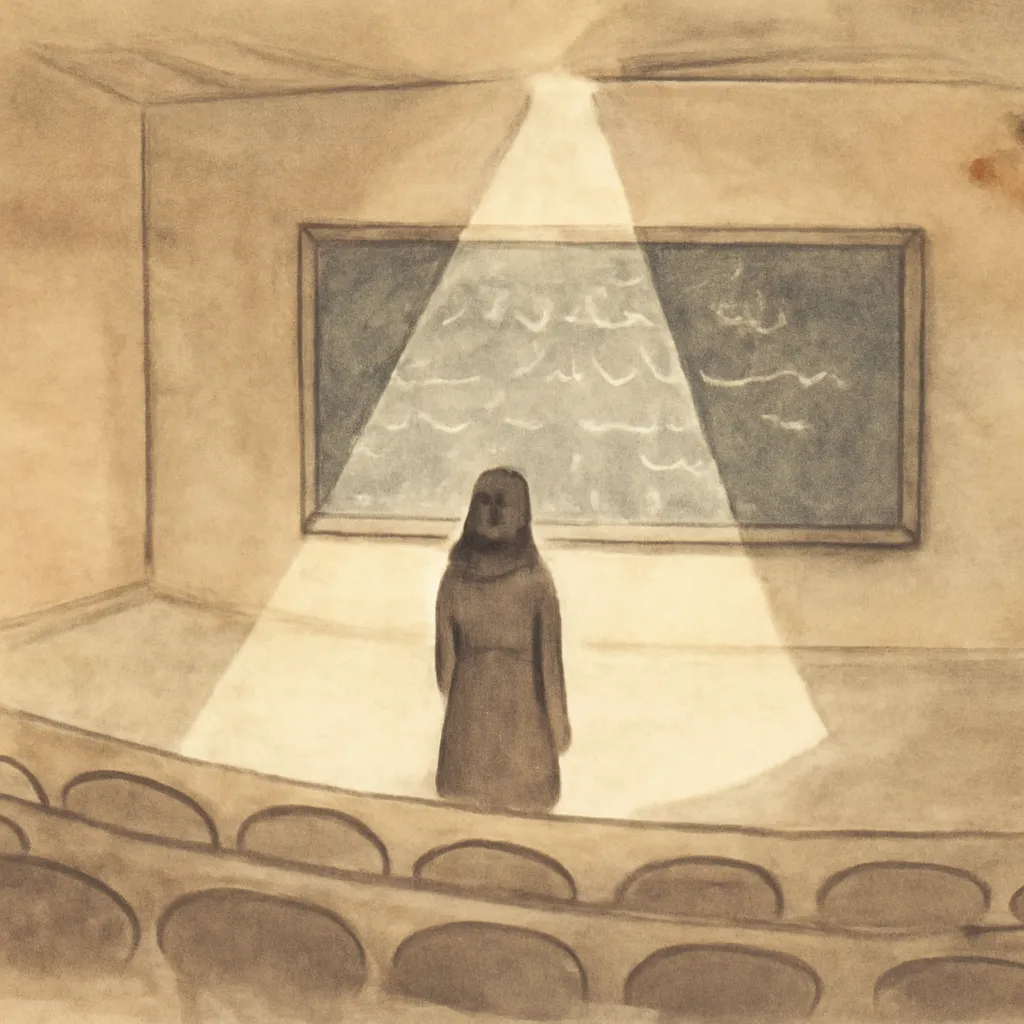
Olive, a pragmatic PhD candidate, approaches life—and love—with the mindset of a scientist: logical, skeptical, and data-driven. The novel explores how her attempts to rationalize feelings clash with the unpredictable, chaotic nature of real attraction and vulnerability. This tension drives much of the story’s humor and heart, as Olive learns that some of life’s most meaningful experiences can’t be measured or controlled.
2.Fake Dating as a Lens for Authenticity
The central trope—fake dating—serves as more than a plot device. It becomes a crucible for Olive and Adam to confront their insecurities, boundaries, and desires. Pretending to be together forces both characters to drop their guard, revealing truths about themselves and each other. The book examines how pretending can paradoxically lead to genuine connection and self-discovery.
3.Women Navigating STEM and Academia
Hazelwood, herself a neuroscientist, brings authenticity to the depiction of academic life, especially the unique challenges faced by women in STEM fields. Olive’s experiences highlight issues like imposter syndrome, sexism, and the pressure to succeed in a male-dominated environment. These themes add depth and realism, resonating with readers who know the world of research and higher education.
4.Consent, Power Dynamics, and Respect
The relationship between Olive and Adam, a student and professor (though not in a direct supervisory role), addresses the complexities of power dynamics in academia. Hazelwood is careful to establish boundaries and mutual respect, making consent and professional ethics central to the romance. This thoughtful handling distinguishes the novel from others with similar setups.
5.Found Family and Support Networks
Beyond the romance, The Love Hypothesis celebrates the importance of friendship and chosen family. Olive’s relationships with her friends and colleagues provide emotional support and comic relief, reinforcing the idea that love and connection come in many forms. These bonds are crucial in helping Olive navigate both her personal and professional challenges.
6.Humor and Pop Culture References
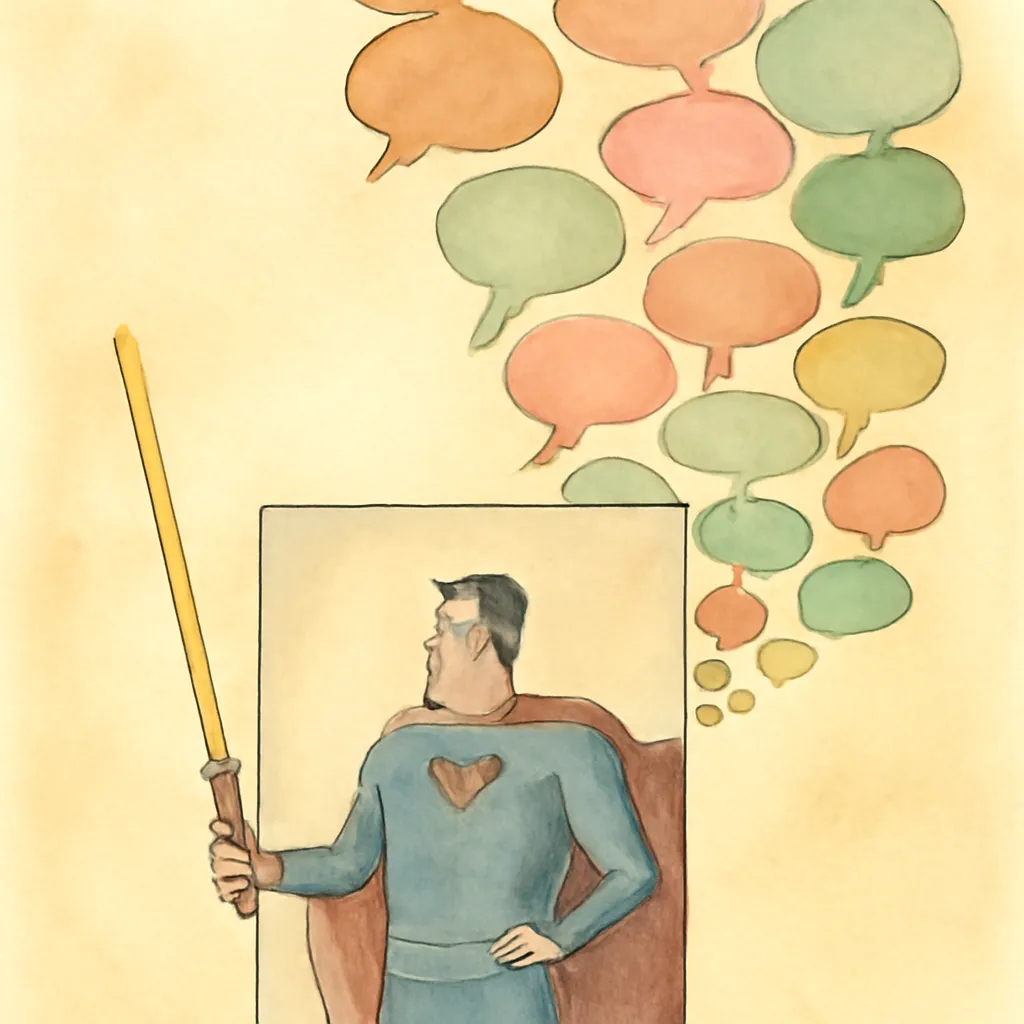
Hazelwood infuses the narrative with sharp wit, nerdy banter, and references to pop culture (notably Star Wars). This playful tone lightens heavier themes and makes the characters feel relatable and contemporary, appealing to readers who appreciate both romance and a good laugh.