1.Narrative from the Afterlife
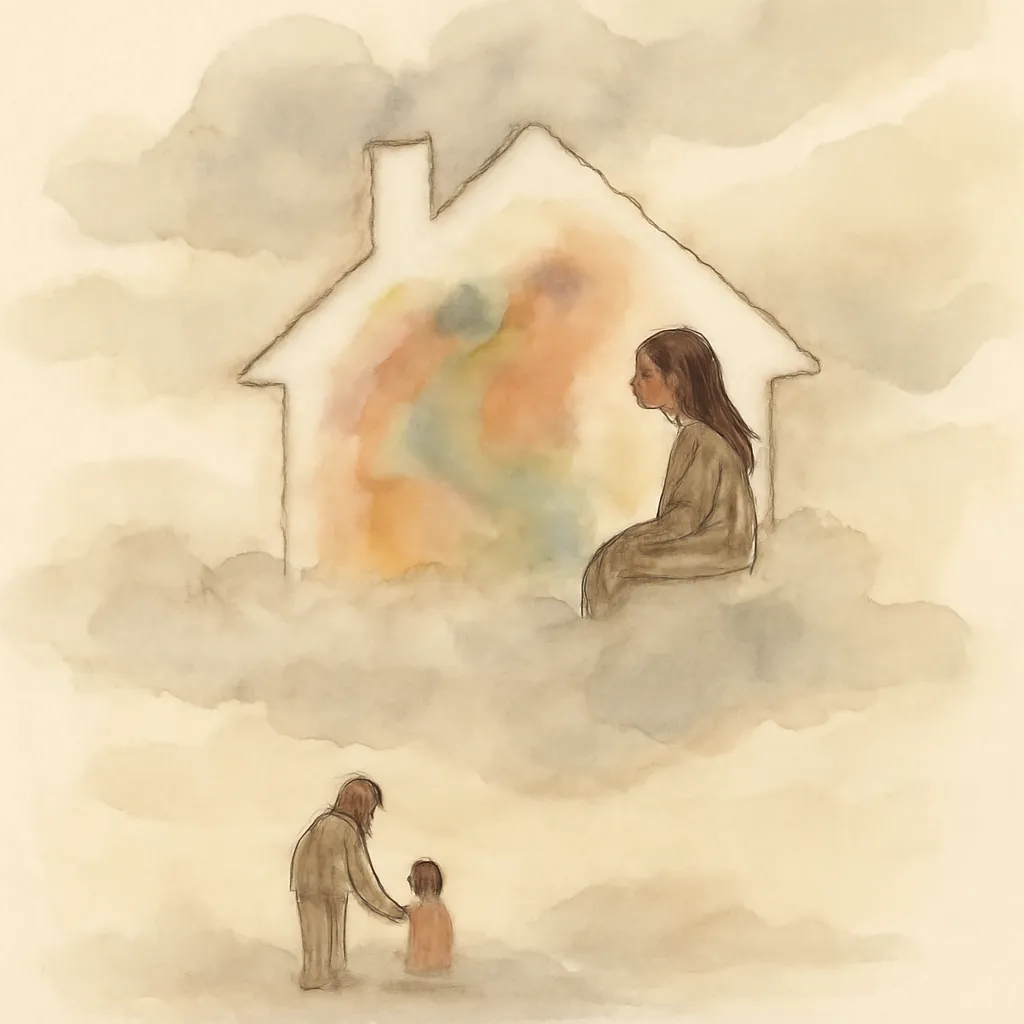
Sebold’s decision to have Susie Salmon narrate her story from a personalized heaven is both innovative and affecting. This perspective allows readers to experience the aftermath of violence not only through the victim’s eyes but also as a witness to the ongoing lives of those left behind. The afterlife setting blurs the line between the living and the dead, giving Susie a voice and agency she was denied in life, and offering a meditation on memory, longing, and unfinished business.
2.The Ripple Effects of Trauma
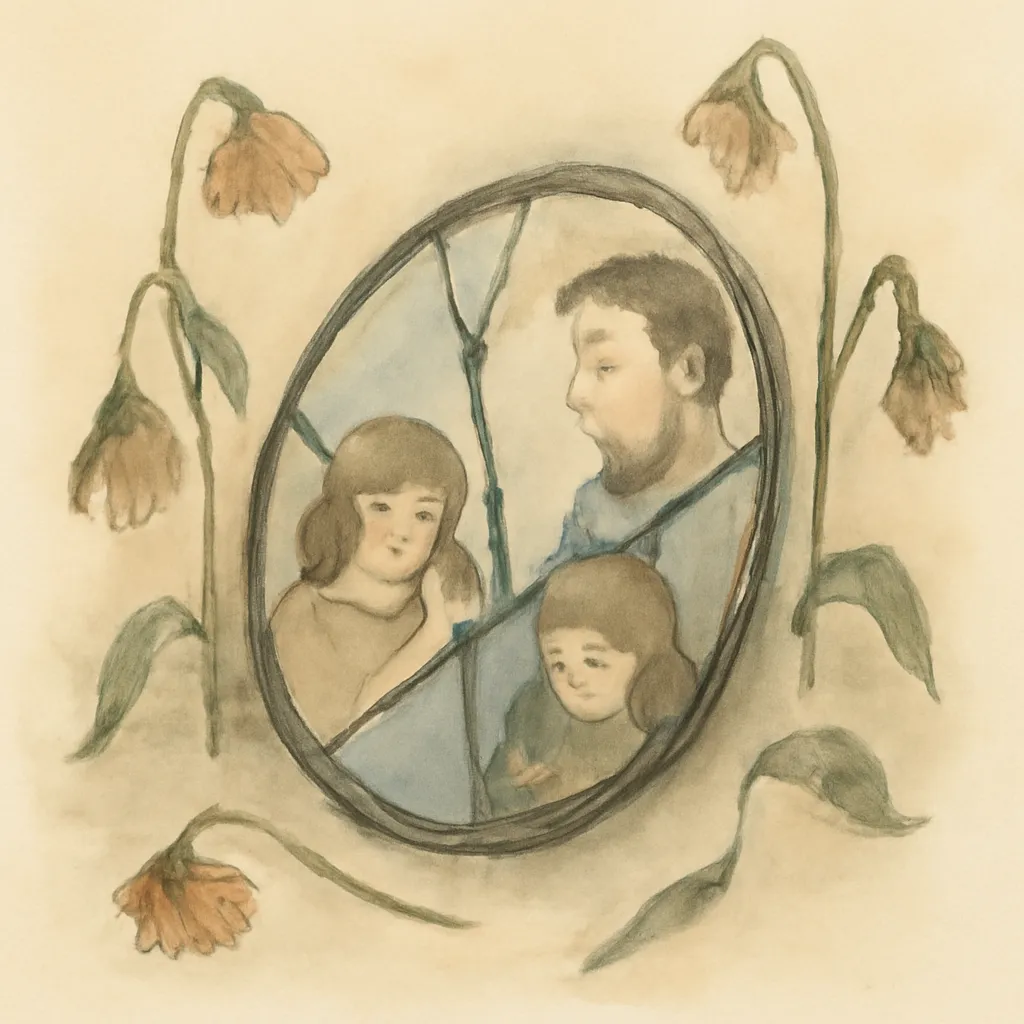
At its core, the novel examines how a single act of violence reverberates through a family and community. Each member of Susie’s family copes differently, from her father’s obsession with finding the killer to her mother’s retreat from pain. Sebold delves into the fragmentation and slow healing that follows trauma, highlighting the isolation, guilt, and sometimes destructive coping mechanisms that can arise. The book asks how people can move forward without forgetting, and what it means to survive loss.
3.Coming of Age Interrupted
Susie’s murder at fourteen freezes her on the cusp of adolescence, and much of the novel is imbued with her yearning for experiences she’ll never have. As she observes her sister and friends growing up, falling in love, and forging identities, Susie’s longing underscores the randomness and unfairness of fate. Her perspective is both wistful and wise, offering insight into the universal desire for belonging and the pain of missed possibilities.
4.The Limits of Justice
The novel subverts expectations of closure and retribution. The investigation into Susie’s disappearance is slow and often frustrating, mirroring real-life cases where justice is elusive. Sebold resists tidy resolutions, instead focusing on the emotional truths of loss and the imperfect ways people seek answers. The story suggests that healing is not contingent on punishment, but on acceptance and the ability to find meaning after tragedy.
5.Hope, Forgiveness, and Moving On
Despite its dark premise, The Lovely Bones is ultimately about hope and the possibility of forgiveness. Through Susie’s observations, readers witness her family’s gradual steps toward reconciliation and new beginnings. The novel argues that love persists beyond death and that forgiveness—of oneself and others—is essential for healing. Sebold’s vision of the afterlife is not punitive but restorative, emphasizing connection over vengeance.