1.The Art of Flattery

Fielding emphasizes the importance of flattery in the early stages of romance. He suggests that a well-crafted letter can serve as the perfect icebreaker, allowing suitors to express their feelings without the immediate pressure of face-to-face interaction. The art of persuasion, he argues, hinges on the ability to make one's affections known through sweet words and affectionate gestures. For instance, he advises young men to shower their beloved with compliments, which can soften her heart and prepare the ground for deeper emotional engagement. By appealing to a woman's vanity, one can create a favorable impression that may lead to a more intimate connection. This strategy underscores the notion that romance often thrives on a foundation of mutual admiration and respect. Fielding's insights are particularly relevant today, as they reflect the timeless human desire for validation and recognition in matters of the heart. Moreover, the use of flattery is not merely a tool for manipulation; it can genuinely uplift the spirits of both the giver and the recipient, creating a positive feedback loop in the courtship process.
2.The Importance of Timing

Timing plays a crucial role in the pursuit of love, according to Fielding. He humorously illustrates that the best moments for advancing an amorous agenda can be both mundane and unexpected. For example, he mentions that even in grim settings, such as a public execution, romantic opportunities can arise. The juxtaposition of life and death can heighten emotions, making individuals more susceptible to the charms of love. This insight reflects a broader understanding of human psychology, where heightened emotional states can lead to impulsive decisions in love. Fielding's observations suggest that being attuned to the emotional climate can provide the savvy suitor with an advantage in capturing their target's affection. The exploration of timing also hints at the unpredictable nature of love, where the right moment can lead to profound connections that might not have occurred otherwise. Additionally, Fielding implies that the lover must recognize when to act and when to remain passive, showcasing an understanding of the fluid dynamics that govern relationships.
3.Small Gestures, Big Impact

Fielding advocates for the power of small gestures in the game of seduction. He points out that seemingly trivial actions, such as picking up a dropped fan or offering assistance, can create significant romantic advantages. These acts of kindness not only display attentiveness but also provide opportunities for physical proximity, which can spark attraction. The author cleverly notes that small matters captivate light minds, implying that even the simplest acts can leave a lasting impression on the object of one's affection. This principle reinforces the idea that love is often built on a series of minor interactions that accumulate over time, leading to deeper feelings of attachment and intimacy. Fielding's emphasis on small gestures also serves as a reminder that romance does not always require grand proclamations; instead, it can thrive in the everyday moments that characterize human interaction. The charm of such gestures lies in their ability to make the recipient feel special and valued, enriching the emotional tapestry of the relationship. Furthermore, Fielding suggests that these small acts can help to balance the often uneven power dynamics present in romantic relationships, allowing both parties to contribute to the relationship's growth.
4.The Role of Promise and Expectation

Fielding explores the dynamics of promise-making in romantic relationships. He argues that a suitor should be generous with promises, as they serve as a form of emotional currency. Promises create a sense of hope and anticipation, which can be more valuable than tangible gifts. By keeping a lover in a state of expectation, one can maintain interest and excitement in the relationship. Fielding advises against giving too much too soon; once a gift is given, it may diminish the thrill of the chase. This insight into the psychology of desire suggests that maintaining a sense of mystery and withholding too much can keep the flame of attraction alive. Moreover, the act of promising can also be a double-edged sword, as it can lead to feelings of resentment if not fulfilled, highlighting the importance of honesty in courtship. The careful balance between promises made and expectations set is vital in ensuring that relationships do not become fraught with disappointment. Fielding's commentary on this subject is especially pertinent in modern contexts, where clear communication and realistic promises can significantly impact the health and longevity of romantic relationships.
5.Navigating Rivalry and Competition

Fielding doesn't shy away from the realities of rivalry in love. He humorously illustrates how romantic pursuits can often resemble a battlefield, with suitors vying for the same affections. Drawing on historical references, he compares the competition for a woman's heart to military campaigns, where strategy and cunning are paramount. The author suggests that understanding one's rivals and their tactics can provide a significant advantage in the courtship game. He notes that the presence of competitors can intensify emotions and desires, leading to more passionate pursuits. This notion resonates with the idea that love is not just a personal affair but also a social one, where external forces can influence the outcome of romantic endeavors. Fielding's commentary on rivalry also invites readers to reflect on their own experiences with competition in love, prompting a deeper understanding of how desire can be shaped by the actions of others. The tension created by rivalry can also serve to galvanize one's own feelings, pushing individuals to prove their worthiness in the eyes of their beloved, ultimately enriching the romantic experience.
6.The Dance of Deception
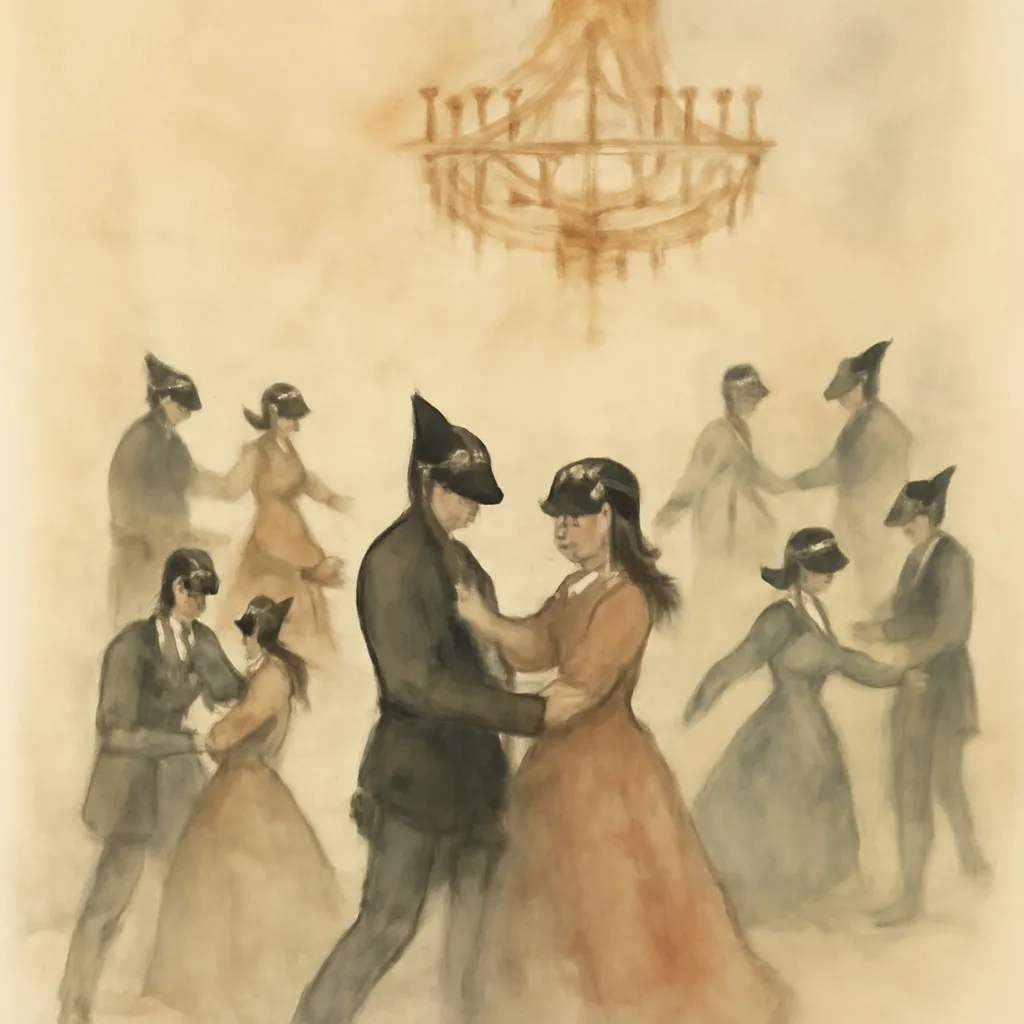
Deception is an inherent part of the romantic landscape, as articulated by Fielding. He acknowledges that both lovers and their objects often engage in a dance of pretense, where individuals may present themselves in a manner that is not entirely truthful. This can range from exaggerating one's qualities to downplaying flaws. Fielding humorously suggests that even the most innocent-seeming actions can carry ulterior motives, such as a simple letter that leads to unintended consequences. This theme of deception highlights the complexities of human relationships, where the line between sincerity and manipulation can often blur, making romance a labyrinth of intentions and desires. Fielding's exploration of this topic serves as a cautionary tale about the potential pitfalls of dishonesty in love, urging readers to navigate the intricacies of attraction with care and authenticity. The idea that lovers may wear masks to conceal their true emotions adds a layer of intrigue to the courtship process, as it suggests that real connections can sometimes be obscured by societal expectations and personal insecurities.
7.Cultural Commentary on Love

Fielding's work serves as a cultural commentary on the norms and expectations surrounding love in the 18th century. He critiques societal conventions that dictate how love should be expressed and the roles individuals are expected to play. By juxtaposing classical ideals of romance with contemporary practices, he sheds light on the absurdities of his time. For example, he references historical figures and events to highlight the folly of certain romantic pursuits, suggesting that love often leads individuals to make irrational choices. Through humor and satire, Fielding invites readers to reflect on the societal pressures that shape romantic relationships, encouraging a more authentic approach to love. This exploration of cultural standards also emphasizes the fluidity of love, suggesting that while norms may shift, the fundamental human experience of seeking connection remains constant. Fielding's critical lens on societal expectations prompts readers to question their own romantic ideals and consider how much of their behavior is influenced by external pressures rather than genuine feelings.
8.The Influence of Social Class
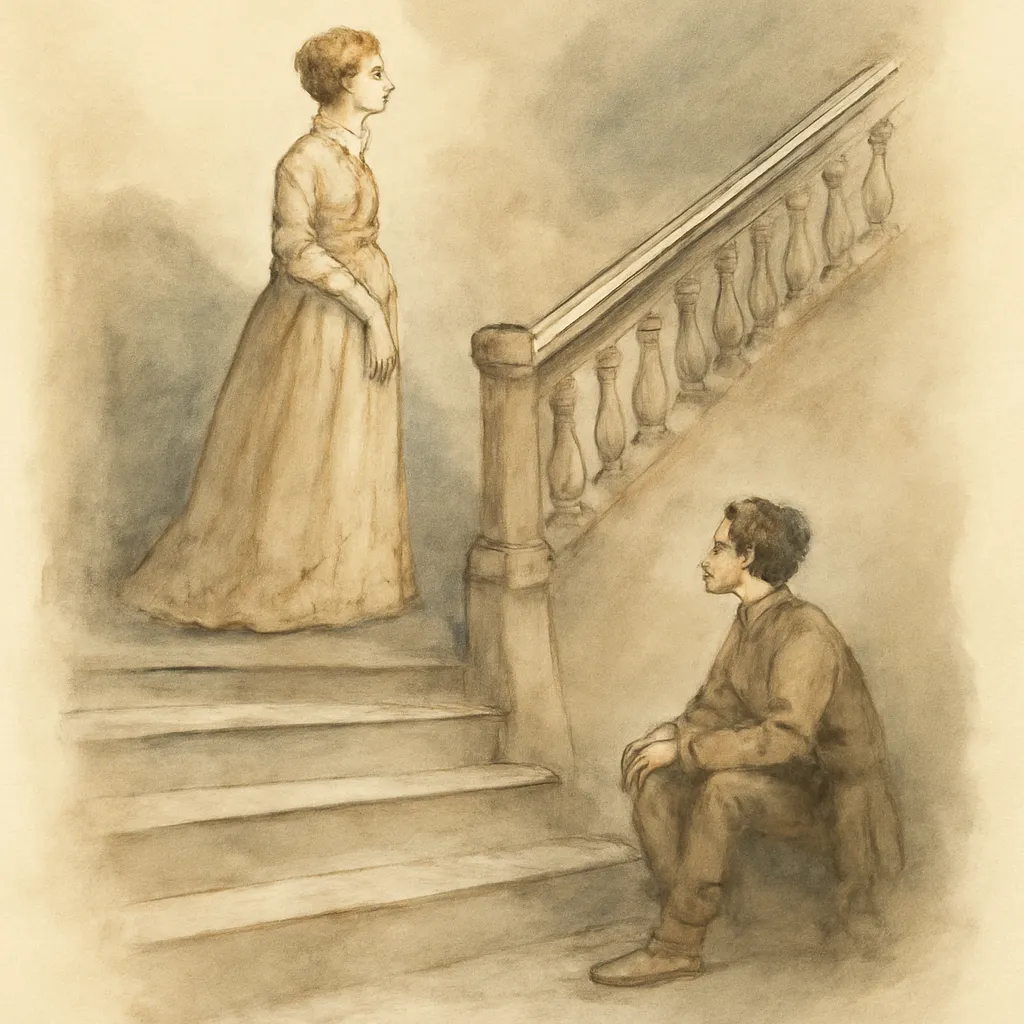
Social class plays a significant role in the dynamics of love as explored by Fielding. He notes that societal hierarchies can complicate romantic relationships, often dictating who is deemed an appropriate match. The author humorously illustrates how individuals from different social standings navigate their desires and aspirations, sometimes leading to scandalous or forbidden romances. Fielding's observations underscore the tension between personal desires and societal expectations, revealing how love can transcend class boundaries or become ensnared in them. He also articulates the absurdity of these constraints, suggesting that true love should not be limited by social status. This exploration of class dynamics adds depth to the narrative, showing that love is as much about social context as it is about individual connection. In doing so, Fielding's work invites readers to consider how modern social structures continue to influence romantic relationships, encouraging a broader understanding of love as a universal experience that transcends the confines of class.
9.The Interplay of Power and Vulnerability

Fielding delves into the interplay of power and vulnerability in romantic relationships. He suggests that both lovers and their targets often experience a shifting balance of power, where one party may hold the upper hand at different times. The dynamic nature of attraction means that individuals can feel both empowered and vulnerable as they navigate their feelings. Fielding's witty anecdotes illustrate how this interplay can lead to unexpected outcomes, where a seemingly powerful suitor may find themselves at the mercy of their own emotions. This nuanced understanding of power dynamics enriches the reader's perspective on romantic interactions, emphasizing that love is a complex dance of strength and submission. The tension between vulnerability and power serves as a reminder that genuine connection often requires both parties to let down their guard, fostering an environment where love can flourish. Fielding's insights resonate in contemporary discussions about healthy relationships, where mutual respect and understanding are essential for enduring love.
10.Romantic Education and Self-Improvement

Finally, Fielding presents the idea that pursuing romance is also an opportunity for personal growth and education. He suggests that the journey of courting someone involves learning not only about the beloved but also about oneself. Through the challenges and triumphs of courtship, individuals can develop social skills, emotional intelligence, and a deeper understanding of their desires and boundaries. Fielding humorously acknowledges the folly that often accompanies love, but he also proposes that these experiences contribute to one's character development. Romantic misadventures can serve as valuable lessons, teaching the importance of resilience, empathy, and adaptability. This perspective invites readers to embrace the ups and downs of love as essential components of their personal journeys, encouraging a mindset that values growth and learning through relationships. The notion that love can be a catalyst for self-improvement adds a hopeful dimension to the often tumultuous experience of pursuing romance, reinforcing that every encounter can lead to greater self-awareness and maturity.