1.The Structure of Destiny
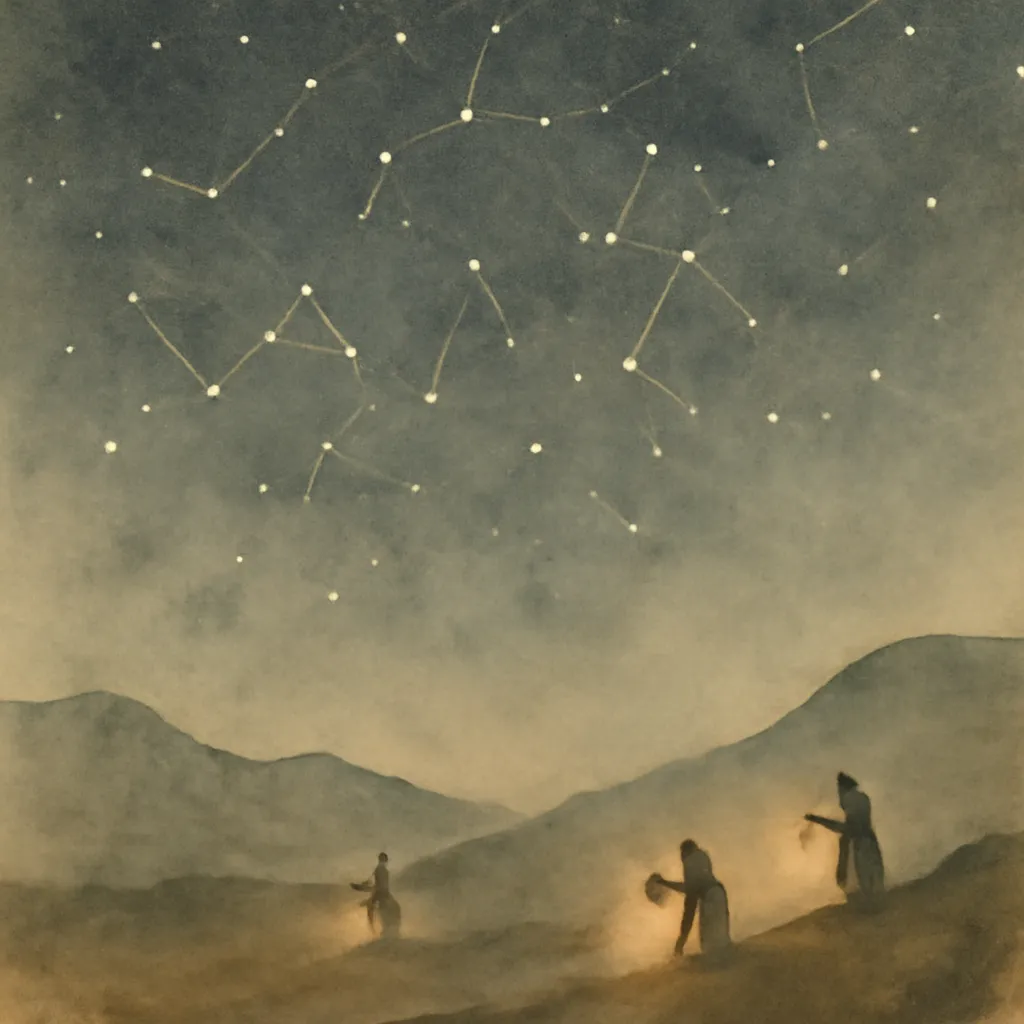
Catton’s novel is famously structured around astrological principles, with characters and events mapped to the zodiac and planetary movements. This isn’t just a stylistic flourish; it raises questions about fate, free will, and the patterns that govern human lives. The structure encourages readers to consider whether our actions are determined by cosmic forces or by our own choices, and how much control we truly have over our destinies.
2.Colonial Ambition and Greed
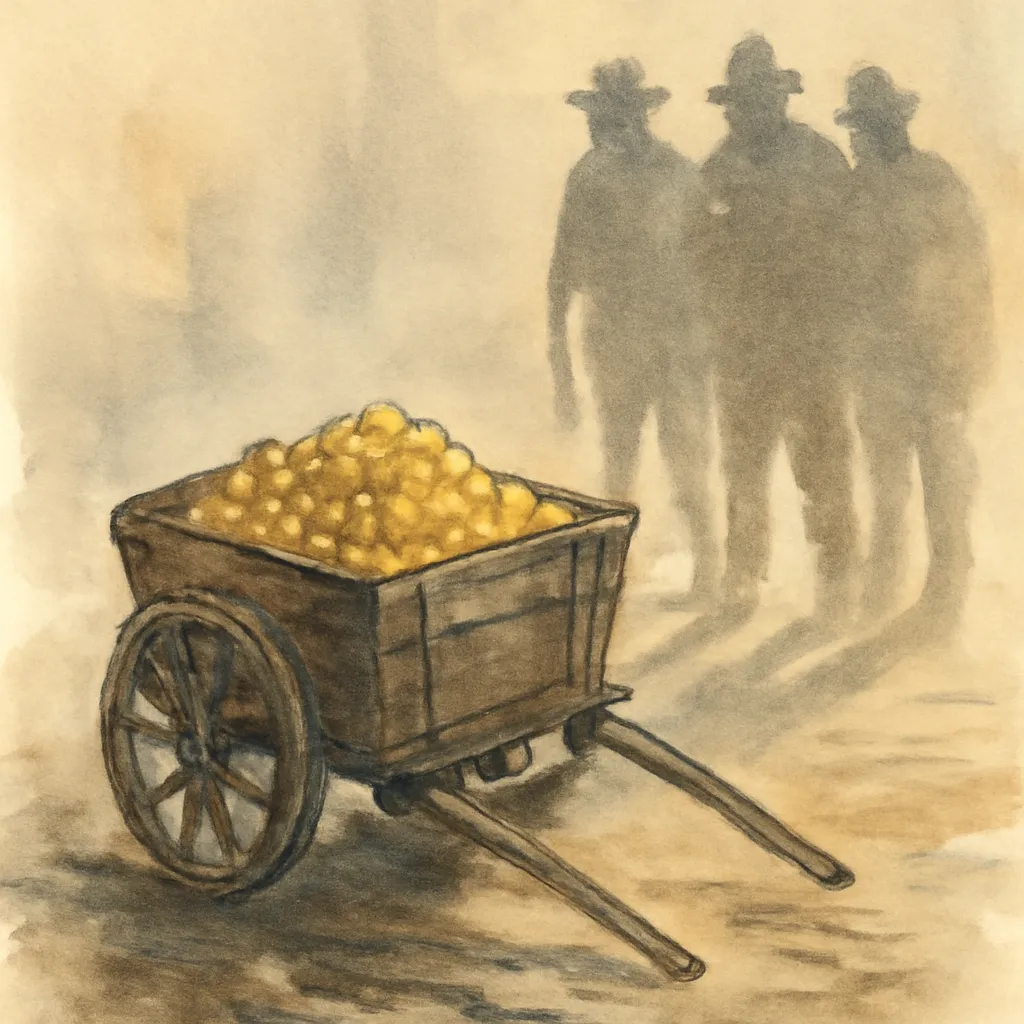
Set during the 1866 gold rush in Hokitika, the novel explores the feverish pursuit of wealth and the social upheaval it brings. Catton examines how ambition, greed, and the lure of fortune shape both individuals and communities. The gold rush setting becomes a crucible for moral choices, exposing the lengths to which people will go for power, security, or redemption.
3.Interconnected Lives and Perspectives
The Luminaries is told from multiple viewpoints, with a large cast of characters whose stories overlap and collide. This narrative technique highlights the interconnectedness of human experience, as secrets, alliances, and betrayals ripple outward. Catton’s intricate plotting invites readers to piece together the truth from partial, often conflicting accounts, echoing the way history itself is constructed.
4.The Elusiveness of Truth
At its heart, the novel is a mystery—several, in fact—centered on a dead man, a missing fortune, and a woman found unconscious. As the story unfolds, it becomes clear that truth is slippery, shaped by perspective, memory, and self-interest. Catton plays with the conventions of detective fiction, challenging readers to question whose version of events can be trusted.
5.Performance and Identity
Many characters in The Luminaries adopt false identities or perform roles to survive or manipulate others. The novel probes the fluidity of identity, especially in a frontier society where reinvention is possible—and sometimes necessary. Catton suggests that selfhood is as much a matter of performance as of essence, and that the stories we tell about ourselves can be as powerful as the facts.
6.The Power and Limits of Storytelling
Catton’s narrative is self-consciously literary, drawing attention to its own construction and the act of storytelling itself. The book’s elaborate structure and shifting perspectives remind readers that stories are shaped by those who tell them, and that narrative can both illuminate and obscure reality. The Luminaries ultimately asks what it means to seek meaning in stories, and whether the search itself is more important than the answers.