1.The Enchantment of the Unknown
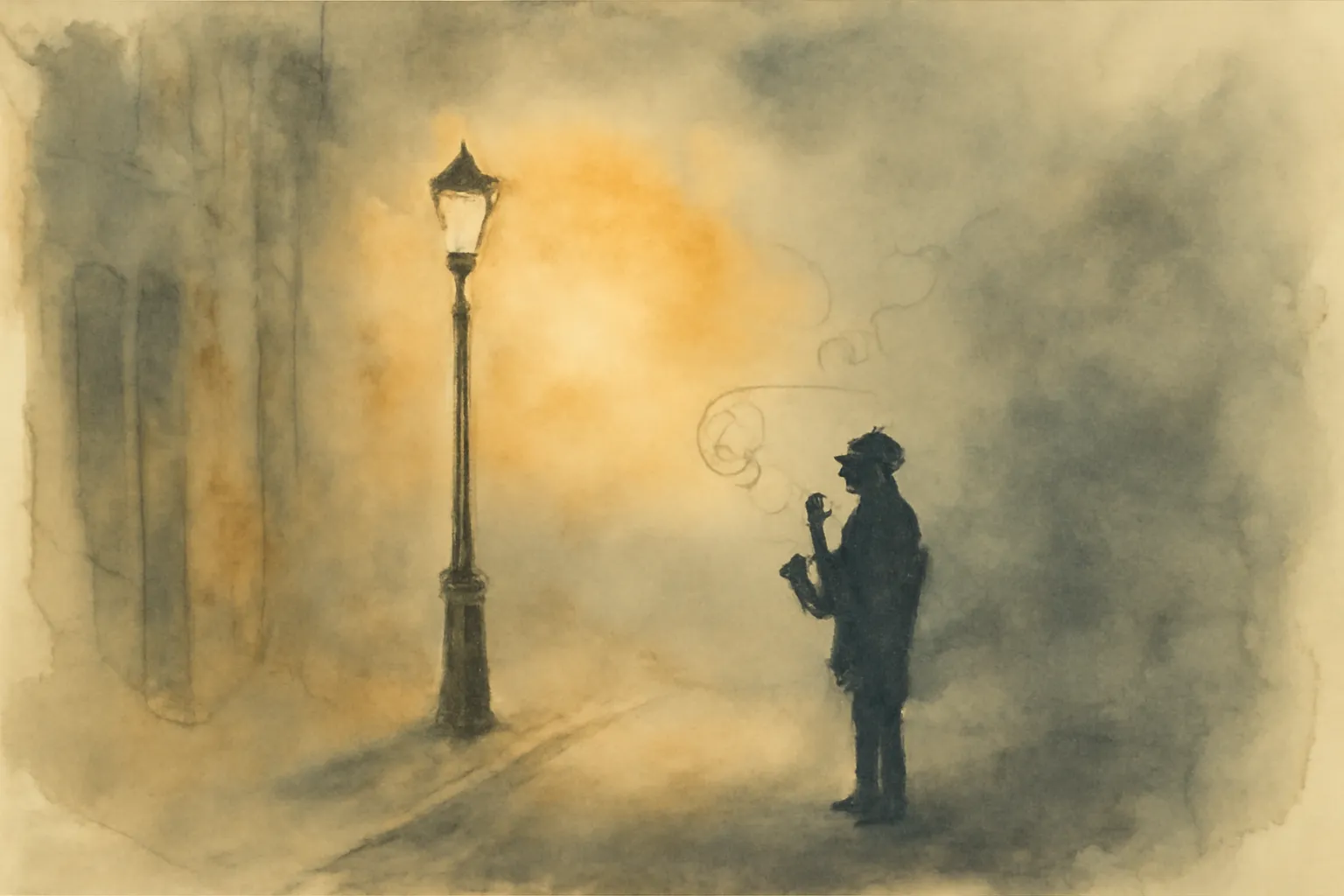
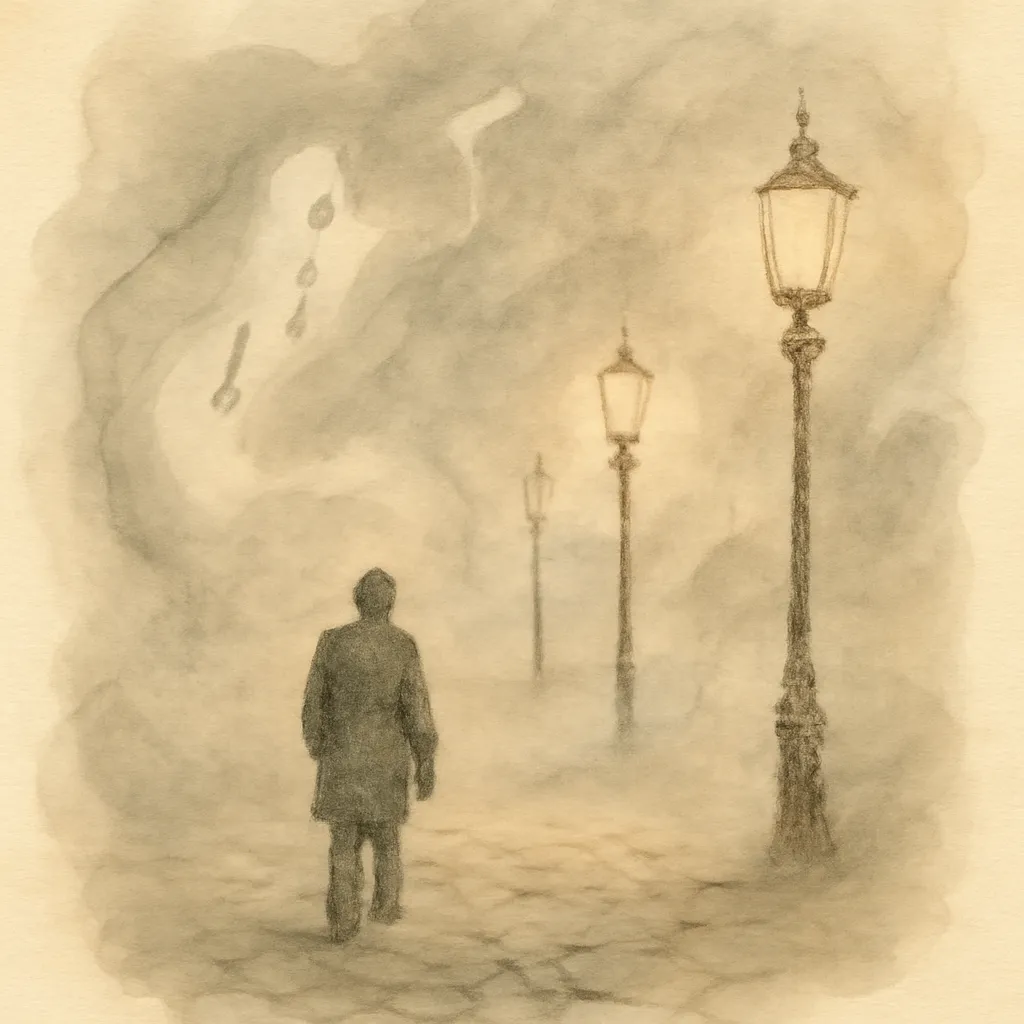
The story opens with Hillard, who is captivated by a mysterious soprano voice that emerges from the fog of a New York night. This enchanting presence symbolizes the allure of the unknown and serves as a catalyst for transformation in Hillard's life. The voice represents not just a musical talent, but a deeper yearning for connection and meaning that Hillard has been missing in his mundane existence. As he listens, he drifts into dreams of beauty and romance, illustrating how the unexpected can awaken dormant desires and aspirations. This theme of enchantment is vital, as it sets the stage for Hillard's subsequent actions and decisions, pushing him toward a path of adventure and emotional upheaval. The fog that obscures the city streets mirrors Hillard's own obscured path; the voice cuts through the dullness of his life, offering a glimpse of something greater.
2.The Duality of Identity
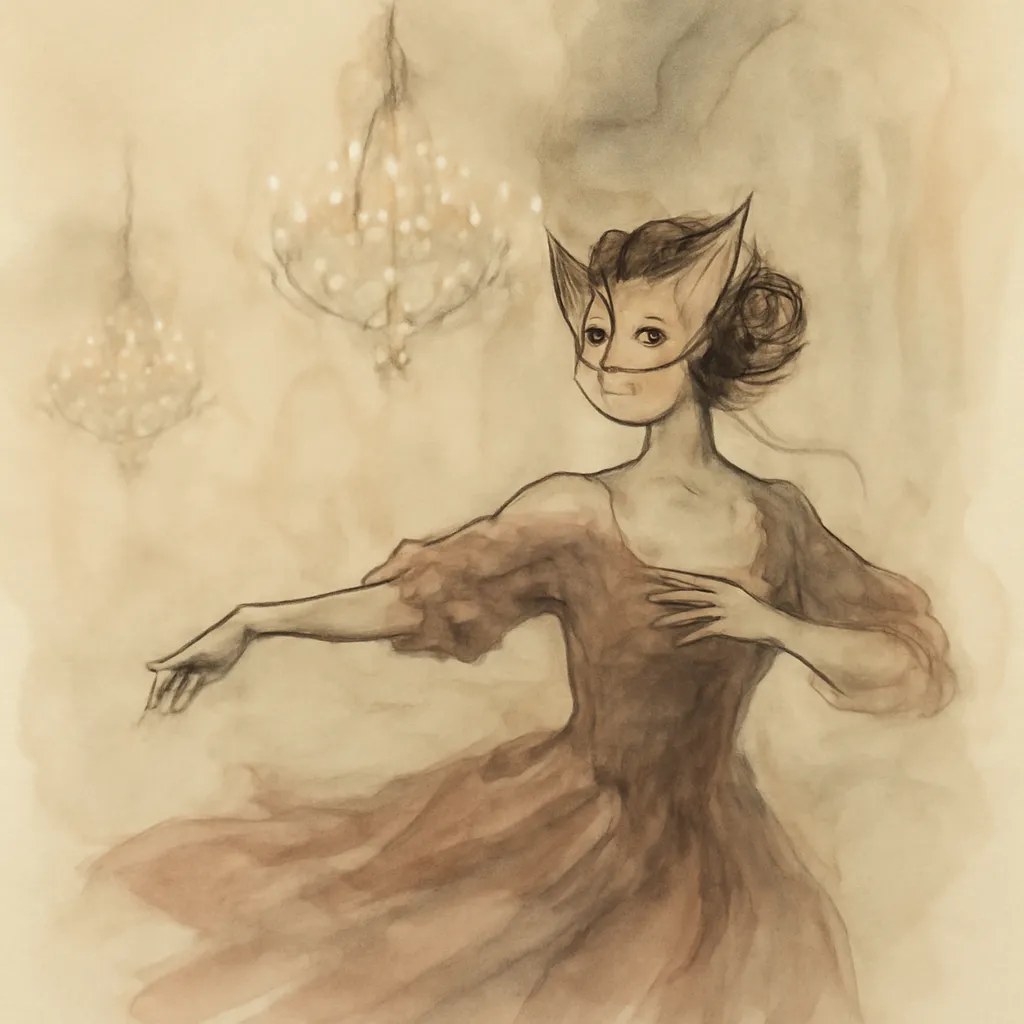
Throughout 'The Lure of the Mask,' the concept of dual identities plays a crucial role, especially as characters navigate their public personas versus their private selves. Hillard's initial encounter with the masked woman highlights this duality; she chooses to conceal her identity, suggesting that people often hide behind masks to protect their true selves. This motif resonates with the reader, as it reflects a universal truth about human nature—the fear of vulnerability and the desire for acceptance. The masked woman embodies the idea that everyone carries secrets and complexities that shape their interactions. As Hillard becomes more involved with her, he must confront his own identity and the masks he wears, ultimately leading to profound self-reflection and growth. The narrative prompts readers to consider their own lives and the facades they might wear in different contexts.
3.Romantic Idealism vs. Harsh Reality
Hillard's romantic idealism is challenged throughout the narrative as he grapples with the complexities of love and relationships. Initially enchanted by the masked woman, he projects his fantasies onto her, believing that their connection is pure and transcendent. However, as the story unfolds, he encounters the harsh realities of love, including betrayal, disappointment, and the weight of societal expectations. This dichotomy between romantic ideals and the often messy nature of real relationships serves as a poignant commentary on the nature of love itself. Hillard's journey illustrates that while ideals can inspire, they can also lead to disillusionment when confronted with the truths of human behavior and the imperfections that come with intimacy. Through Hillard's eyes, readers witness the struggle between the romanticized notion of love and the imperfections that accompany genuine human connection.
4.The Power of Music as a Connection
Music serves as a powerful motif throughout 'The Lure of the Mask,' symbolizing connection, emotion, and the transcendent nature of art. The story begins with the haunting soprano voice that captivates Hillard, illustrating how music can evoke deep feelings and create bonds between people who might otherwise remain strangers. This theme is further explored as characters use music to express their innermost thoughts and feelings, providing a language that transcends verbal communication. The use of music highlights the idea that art can bridge emotional gaps, allowing individuals to connect on a profound level. As Hillard seeks out the source of the enchanting voice, he embarks on a journey that reveals the transformative power of music in forging relationships and conveying the complexities of the human experience. Music becomes a means for characters to communicate emotions that words often fail to express.
5.The Role of Fate and Destiny
Fate and destiny are recurring themes in 'The Lure of the Mask,' as characters find themselves caught in a web of circumstances that seem beyond their control. Hillard's chance encounter with the mysterious singer sets off a chain of events that alters the course of his life, suggesting that our paths may be influenced by forces greater than ourselves. Throughout the narrative, characters grapple with the idea of destiny, questioning whether their choices are truly their own or if they are merely following a predetermined path. This exploration of fate adds a layer of complexity to the characters' journeys, as they navigate the intersection of free will and destiny, ultimately leading to moments of self-discovery and transformation. The narrative captures the essence of how seemingly insignificant moments can lead to profound changes in one's life.
6.Love as a Journey of Self-Discovery
As Hillard becomes increasingly entangled in his relationship with the masked woman, he embarks on a journey of self-discovery that challenges his preconceived notions of love and identity. Initially, he views love as a romantic ideal, but as he navigates the complexities of his feelings, he begins to understand that love is also about vulnerability, sacrifice, and the willingness to confront one's own flaws. This journey of self-discovery is central to Hillard's character development, pushing him to confront his own desires, fears, and insecurities. The narrative illustrates that true love often requires introspection and the courage to face uncomfortable truths, ultimately leading to a more profound understanding of oneself and one's place in the world. As Hillard grapples with his emotions, he learns that love is not just about finding the perfect partner but also about understanding himself.
7.The Illusion of Control
A prominent theme in 'The Lure of the Mask' is the illusion of control that characters believe they possess over their lives and relationships. Hillard initially feels empowered by his pursuit of the masked woman, believing he can shape their destiny through his actions. However, as the story progresses, he discovers that external forces and the choices of others can drastically alter his path. This theme underscores the unpredictability of life and love, emphasizing that despite our best efforts, we often find ourselves at the mercy of circumstances beyond our control. The narrative illustrates the tension between the desire for agency and the reality of life's uncertainties, prompting readers to reflect on the nature of control in their own lives. Hillard’s experiences serve as a reminder that while we may strive to direct our lives, we are often subject to the whims of fate.
8.The Complexity of Human Relationships

MacGrath delves into the intricate nature of human relationships, highlighting the nuances that define connections between individuals. Throughout the story, characters exhibit a range of emotions—love, jealousy, betrayal, and longing—that shape their interactions. Hillard's relationship with the masked woman is marked by both passion and misunderstanding, showcasing how miscommunication and hidden motives can complicate even the deepest connections. The narrative emphasizes that relationships are rarely straightforward; they require effort, understanding, and the willingness to navigate emotional complexities. This exploration of relational dynamics invites readers to consider the multifaceted nature of their own relationships and the importance of empathy and communication in fostering genuine connections. Hillard's journey through passion, conflict, and eventual resolution offers a rich tapestry of emotional experiences that resonate with readers.
9.The Search for Authenticity
In 'The Lure of the Mask,' the quest for authenticity is a driving force for characters as they navigate their identities and relationships. Hillard's initial attraction to the masked woman is rooted in the mystery she represents, yet as he uncovers more about her true self, he must confront the authenticity of his own feelings. The narrative challenges the notion of authenticity in a world filled with facades, urging characters to seek genuine connections that transcend superficial appearances. This theme resonates with readers, prompting them to reflect on the importance of authenticity in their own lives and the courage it takes to reveal one's true self amidst societal pressures and expectations. The struggle for authenticity is a central conflict, as characters wrestle with the facades they present to the world.