1.The Complexity of Childhood
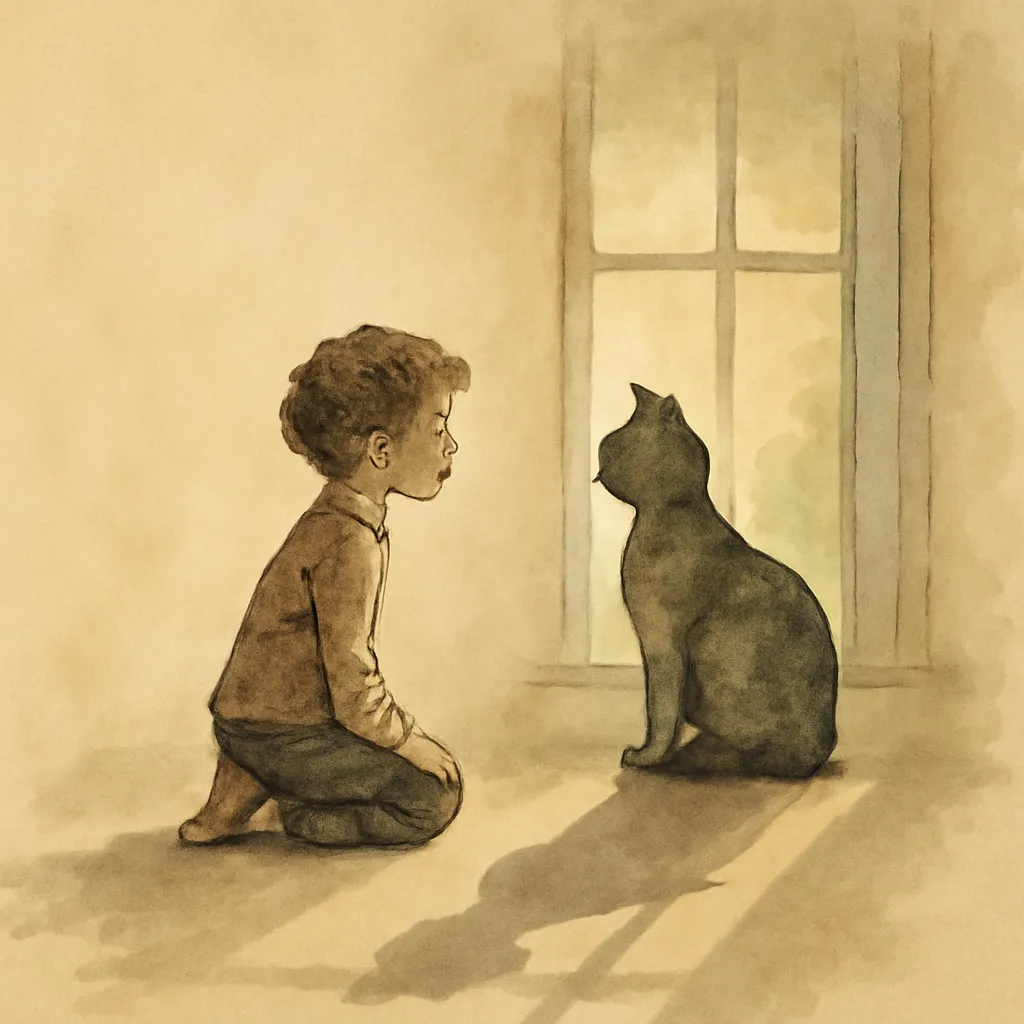
In 'The Cat-Hood of Maurice,' Nesbit explores the complex emotional landscape of childhood through the lens of a young boy's interactions with a cat named Lord Hugh. Maurice, the boy, does not intend to be cruel; his actions stem from a place of innocent curiosity and mischief. This highlights a key theme in the book: children often act without understanding the consequences of their actions. The story illustrates how misunderstandings can arise in relationships, even among those who care for each other. Maurice's innocent intentions lead to chaos, culminating in a lesson about empathy and the need to see things from another's perspective. This theme resonates throughout the collection, emphasizing that childhood is a time of learning and growth, often marked by mistakes that pave the way for understanding.
2.The Allure of Adventure
In 'The Mixed Mine,' the tale of a mysterious ship sinking off the coast captures the allure of adventure that fuels the imagination of children. The ship, described as golden and outlandish, serves as a metaphor for the unknown possibilities that lie beyond the familiar. The characters' fascination with the ship reflects a universal childhood yearning for exploration and discovery. As the ship disappears beneath the waves, it symbolizes the fleeting nature of opportunities and the importance of seizing the moment. This story encourages readers to embrace curiosity and the thrill of adventure, reminding them that life is filled with unexpected surprises waiting to be uncovered. Nesbit suggests that even in loss, there is magic to be found in the stories we tell and the memories we create.
3.The Power of Imagination
In 'Accidental Magic; or Don't Tell All You Know,' Nesbit illustrates the transformative power of imagination through the character of Quentin de Ward. Living a sheltered life in the New Forest, Quentin's conversations with his mother about ancient civilizations and mysteries allow him to cultivate a rich inner world. His lack of regular schooling does not hinder his intellectual growth; instead, it empowers him to think creatively and form unique perspectives. This story emphasizes that imagination is not merely a tool for escape but a vital component of understanding the world. By learning to engage with the mysteries of life, Quentin embodies the essence of childhood curiosity, showing that the boundaries of knowledge are often defined by one's willingness to explore and dream.
4.Navigating Misfortune
In 'The Princess and the Hedge-Pig,' the royal couple grapples with the inevitability of misfortune in their lives. The Queen and King Ozymandias discuss the challenges of planning a christening, aware that inviting a wicked fairy could spell disaster. This tale cleverly underscores the idea that life is fraught with uncertainties, and misfortune can arise from the simplest of decisions. The story plays with the theme of fate and the balance between good and evil, suggesting that even well-intentioned actions can lead to unforeseen consequences. By presenting misfortune as a natural part of existence, Nesbit encourages readers to accept life's unpredictability while also emphasizing the importance of resilience and adaptability in the face of challenges.
5.The Weight of Expectations
In 'Septimus Septimusson,' the protagonist grapples with the weight of expectations placed upon him as the seventh son of a seventh son. The character's fear of fulfilling his supposed destiny reveals the pressure that societal expectations can impose on individuals. Despite the magical abilities attributed to him, Septimus is hesitant and anxious about stepping into a role that feels daunting. This story serves as a poignant commentary on the burdens of expectation and the struggle for self-identity. By portraying Septimus's internal conflict, Nesbit highlights the importance of self-acceptance and the courage to forge one's own path, regardless of external pressures. It resonates with readers who may feel similar burdens, encouraging them to embrace their uniqueness and define their own destinies.
6.The Value of Kindness
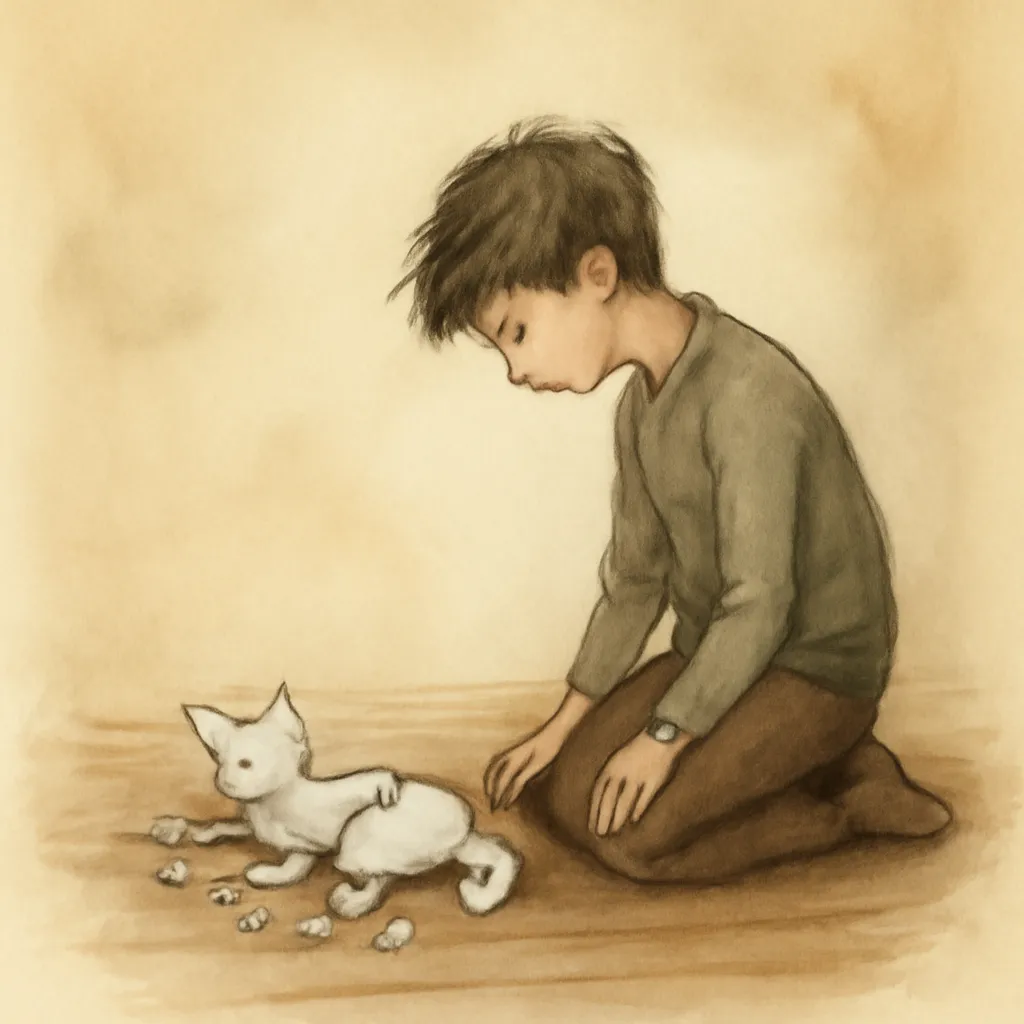
In 'The White Cat,' the story revolves around Tavy, a mischievous boy who learns the importance of kindness and responsibility. After knocking down a cherished china cat, Tavy's attempts to make amends reveal his genuine remorse and desire to do right. The cat, though an inanimate object, symbolizes the fragility of relationships and the need for care in our actions. Tavy's journey illustrates that true growth comes from recognizing the impact of one's behavior on others. This narrative reinforces the idea that kindness is not just about intentions but also about taking responsibility for one’s actions and making reparations where necessary. Nesbit's portrayal of Tavy's growth encourages readers to cultivate empathy and compassion in their interactions.
7.Embracing Change
In 'Belinda and Bellamant; or The Bells of Carrillon-Land,' the story explores the theme of change through the lens of a kingdom that values queens over kings. The empty bell-tower, once vibrant with the sounds of celebration, now stands silent due to the absence of princesses. This reflects the idea that change is an inevitable part of life, and the bells' departure symbolizes the loss of joy and tradition. However, as new tenants occupy the bells, the story suggests that change can also bring new opportunities and perspectives. This narrative encourages readers to embrace change as a natural part of existence, highlighting that while loss may be painful, it can also pave the way for growth and renewal. Nesbit's whimsical portrayal of the bell-people's adventures reminds us that change can lead to unexpected joys and connections.
8.The Journey to Self-Discovery
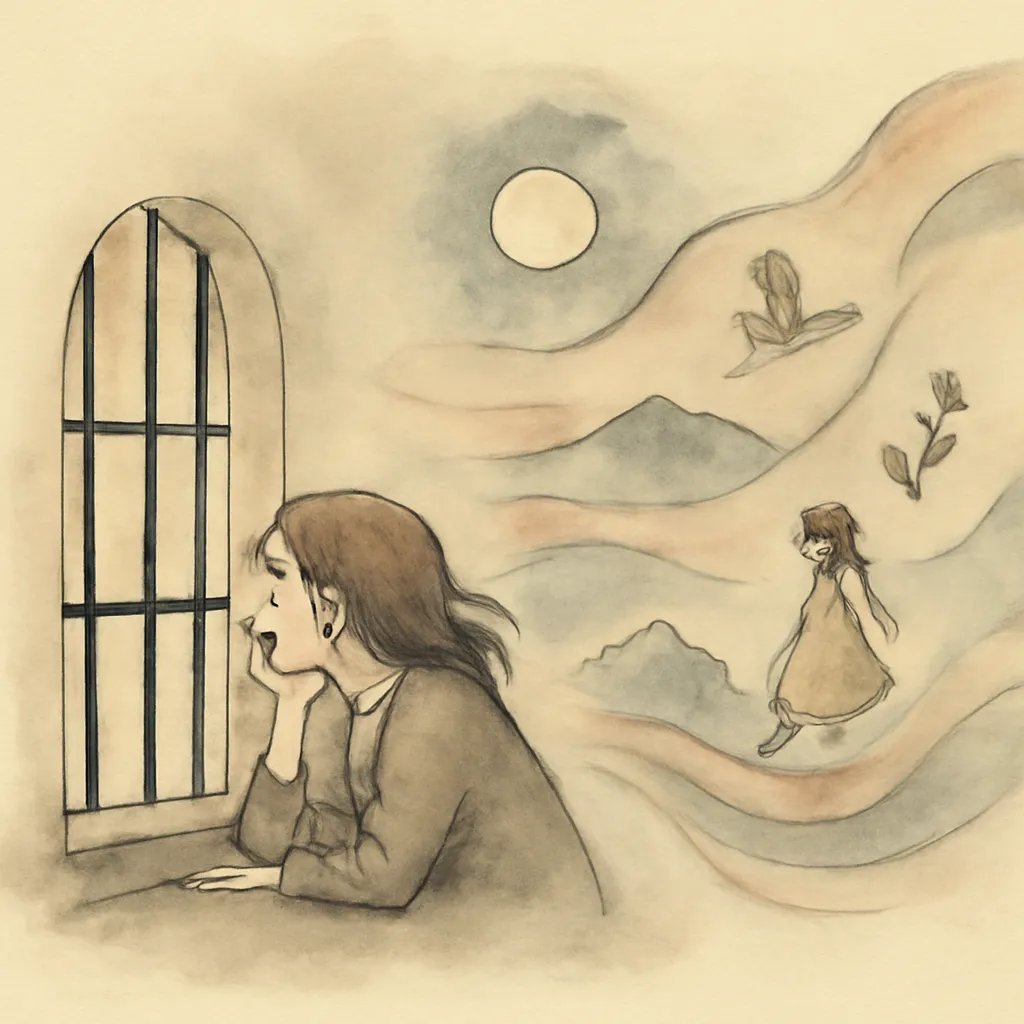
In 'Justnowland,' Elsie finds herself imprisoned by her Aunt, leading her to reflect on her actions and desires. The story captures the essence of self-discovery as Elsie wrestles with her identity and the constraints placed upon her. Her longing for freedom and her internal struggle illustrate the universal quest for self-identity that many children face. As she compares her plight to historical martyrs, the narrative emphasizes the importance of bravery and resilience in the face of adversity. This tale serves as a reminder that self-discovery is often accompanied by challenges, and the journey to understanding oneself can be fraught with obstacles. Nesbit's portrayal of Elsie's plight encourages readers to confront their fears and embrace their true selves, even when faced with external pressures.
9.The Consequences of Actions
In 'The Related Muff,' the story unfolds around the arrival of Cousin Sidney during a disrupted Christmas. The children's initial reluctance to accept him leads to a series of misunderstandings and unintended consequences. This narrative explores the theme of how actions, whether intentional or not, can ripple through relationships and create unforeseen challenges. The children's behavior towards Sidney, although not malicious, highlights the complexities of social dynamics and the need for empathy. As the events of Christmas unravel, the story serves as a poignant reminder that kindness and acceptance can transform relationships and lead to deeper connections. Nesbit's exploration of the children's journey encourages readers to reflect on their own interactions and the impact they have on others.
10.The Importance of Dreams
In 'The Magician's Heart,' Professor Taykin's obsession with royal christenings represents the pursuit of dreams and the lengths one may go to fulfill them. His journey to crash a royal party showcases the desire for recognition and belonging that many individuals feel. However, his actions lead to unintended consequences, emphasizing that the pursuit of dreams must be balanced with consideration for others. The narrative highlights the idea that dreams can be both a source of motivation and a catalyst for chaos if pursued recklessly. This story serves as a reminder to readers that while aspirations are important, they should be pursued with integrity and respect for those around us. Nesbit's portrayal of Taykin's journey encourages a thoughtful approach to ambition, urging readers to reflect on their own dreams and the impact they have on their lives and the lives of others.