1.Neurodiversity as Strength and Vulnerability
Molly’s social differences—her literal-mindedness, strict adherence to rules, and difficulty reading social cues—are central to the story. Rather than being portrayed solely as obstacles, these traits become both her weaknesses and her superpowers. Her attention to detail and honesty make her an excellent maid and, eventually, a surprisingly effective amateur detective. Yet, these same qualities also make her susceptible to manipulation and misunderstanding, especially when she becomes the prime suspect. The novel challenges readers to reconsider assumptions about what constitutes 'normal' and to appreciate the value of different ways of seeing the world.
2.The Power and Limits of Innocence
Molly’s innocence—her trusting nature and belief in the goodness of others—drives much of the plot. While her naivety leaves her vulnerable to exploitation, it also endears her to the reader and ultimately helps her form unexpected alliances. The story explores how innocence can be both a liability and a quiet form of resilience, especially in a world that often rewards cunning over candor.
3.Class, Service, and Invisibility
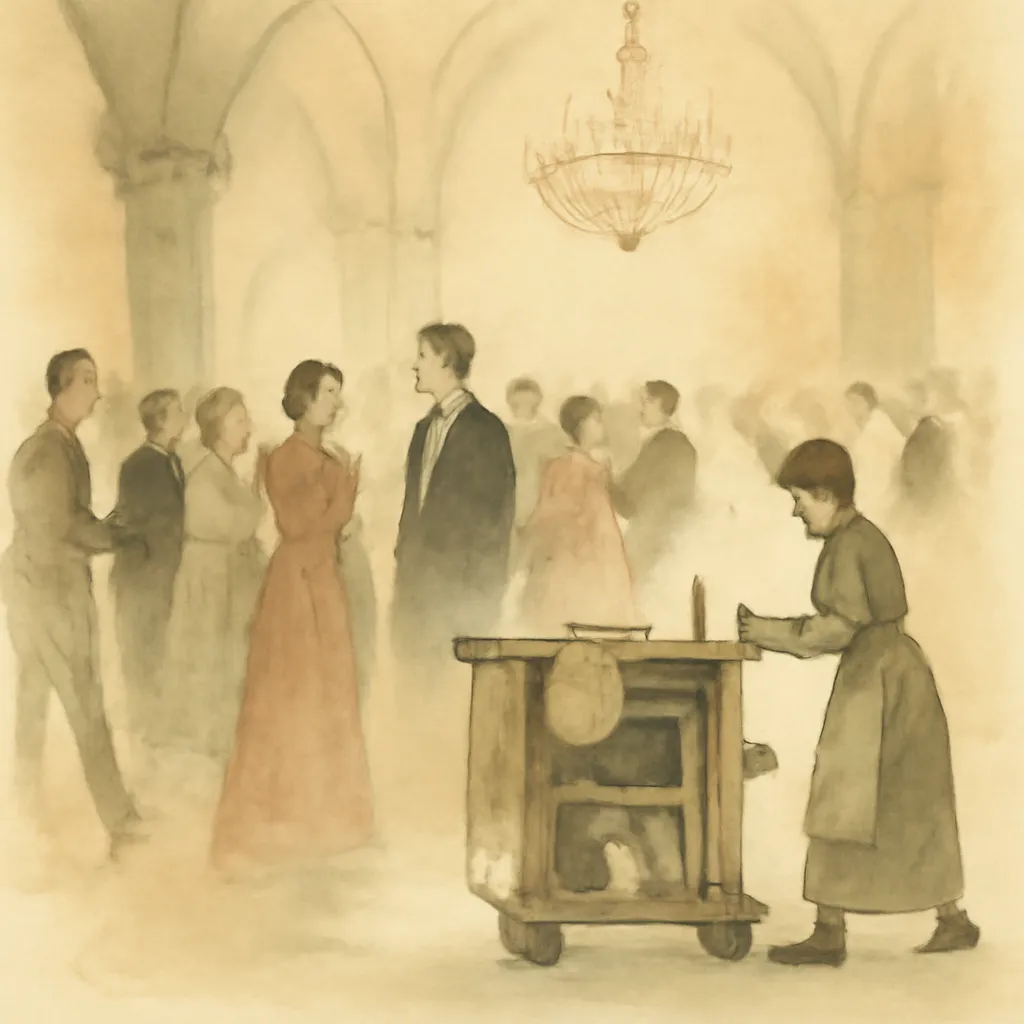
The novel uses the hotel setting to examine themes of class and the invisibility of service workers. Molly takes pride in her work, but most guests and staff overlook or underestimate her. The murder investigation exposes how people in positions of wealth and power often disregard or exploit those who serve them. By centering the story on a maid, Prose invites readers to see the world through the eyes of someone usually relegated to the background, highlighting the dignity and complexity of those who keep society running.
4.Grief and Found Family
Molly’s journey is deeply shaped by the recent loss of her beloved grandmother, who was her anchor and interpreter of the world. As Molly navigates the aftermath of this loss, she gradually builds new relationships with unlikely allies. The novel suggests that family can be found in unexpected places, and that support networks often form when we need them most. This theme adds emotional depth to the mystery and underscores the importance of community.
5.Perception, Truth, and Justice
The Maid plays with the idea that truth is often obscured by appearances and assumptions. Molly’s inability to 'play the game' of social niceties means she is often misjudged by others, including the police. The novel critiques how justice systems and social hierarchies can fail those who don’t fit the mold, while also celebrating the power of persistence and unconventional thinking in uncovering the truth.
6.The Comfort of Routine and Order
For Molly, cleaning is more than a job—it’s a way to impose order on a chaotic world. The rituals of her work provide her with stability and purpose, even as her personal life unravels. The novel gently explores how routines can be both comforting and limiting, and how stepping outside one’s comfort zone can lead to growth.