1.Obsession and Unreliable Perception
Mariana’s fixation on Professor Fosca drives the narrative, blurring the line between rational investigation and personal vendetta. Her grief over her husband’s death and her protectiveness toward her niece cloud her judgment, raising questions about how trauma can distort reality. The novel skillfully plays with the reader’s trust in Mariana’s perspective, making the hunt for the truth as much about her internal struggle as the external mystery.
2.The Power and Danger of Charisma
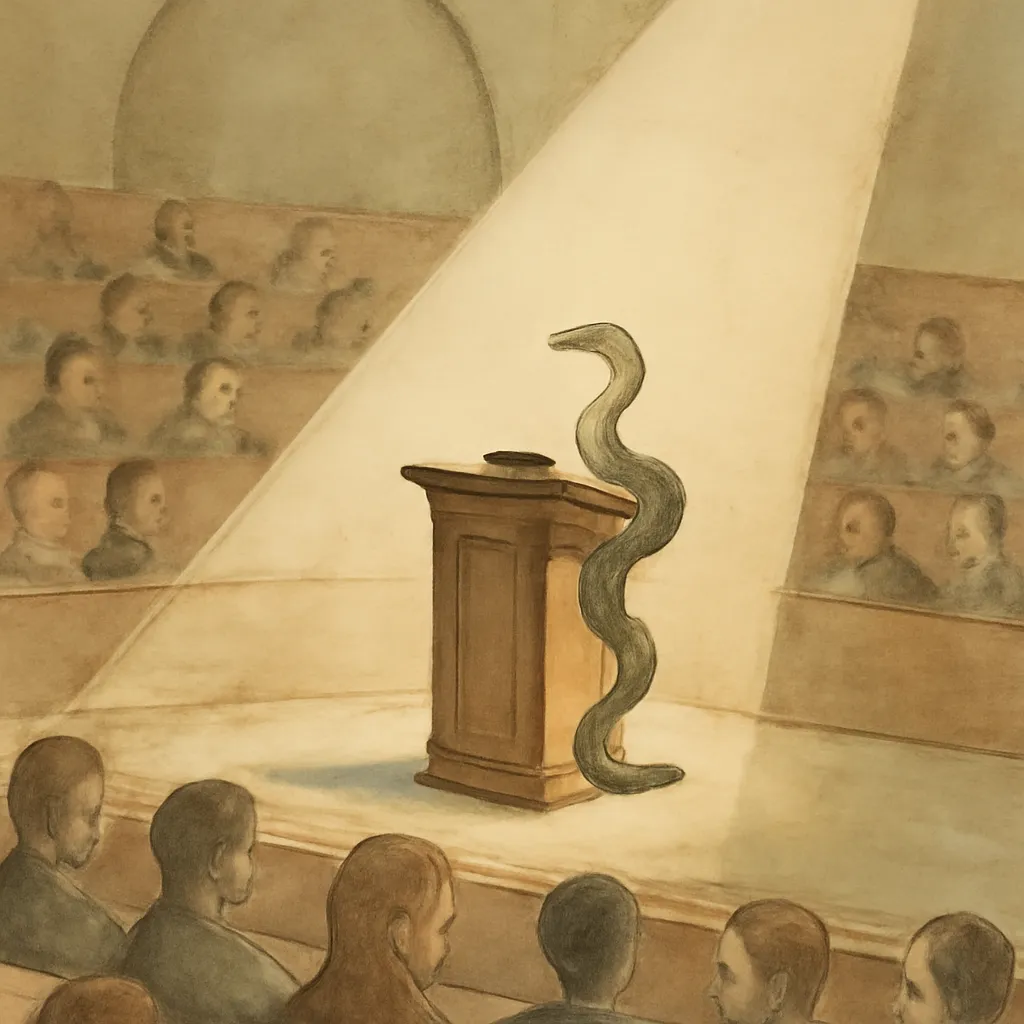
Edward Fosca embodies the seductive allure of authority and charisma. His influence over The Maidens—a secret society of female students—highlights the dangers of unchecked power and the ease with which charm can mask darker intentions. The book interrogates how institutions and individuals can become complicit in enabling predatory behavior when it is cloaked in sophistication and intellect.
3.Greek Mythology as Psychological Mirror
Michaelides weaves Greek myth, especially the story of Persephone and the underworld, throughout the narrative. These myths serve as metaphors for Mariana’s descent into her own emotional darkness and the shadowy motives of those around her. The mythological allusions enrich the plot, suggesting that the ancient stories of innocence, abduction, and transformation still resonate in modern psychological struggles.
4.The Dark Side of Academia
Set against the atmospheric backdrop of Cambridge, the novel explores the insular and sometimes toxic culture of elite academic institutions. Tradition, secrecy, and intellectual elitism create fertile ground for manipulation and concealment. The Maidens critiques how these environments can foster both brilliance and danger, especially for those on the margins.
5.Grief, Healing, and the Cost of Truth
Mariana’s journey is as much about confronting her own grief as it is about solving a murder. The narrative examines how unresolved trauma can lead to destructive choices, and how the pursuit of truth can demand painful self-examination. Ultimately, the novel suggests that healing and justice are intertwined, but neither comes without personal sacrifice.
6.Sisterhood, Vulnerability, and Manipulation
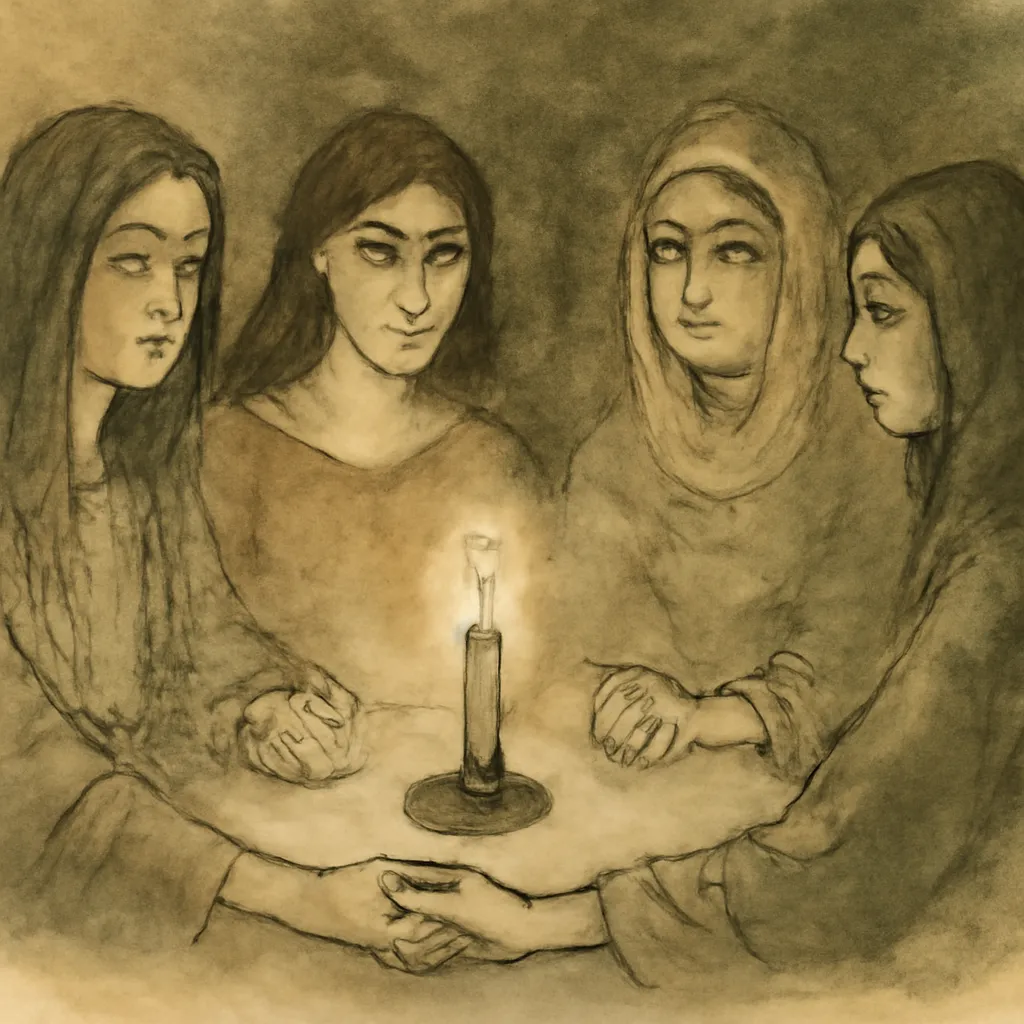
The Maidens society represents both the promise of female solidarity and its potential for exploitation. The novel probes how vulnerability can be weaponized within close-knit groups, and how the desire for belonging can make individuals susceptible to manipulation by charismatic leaders.