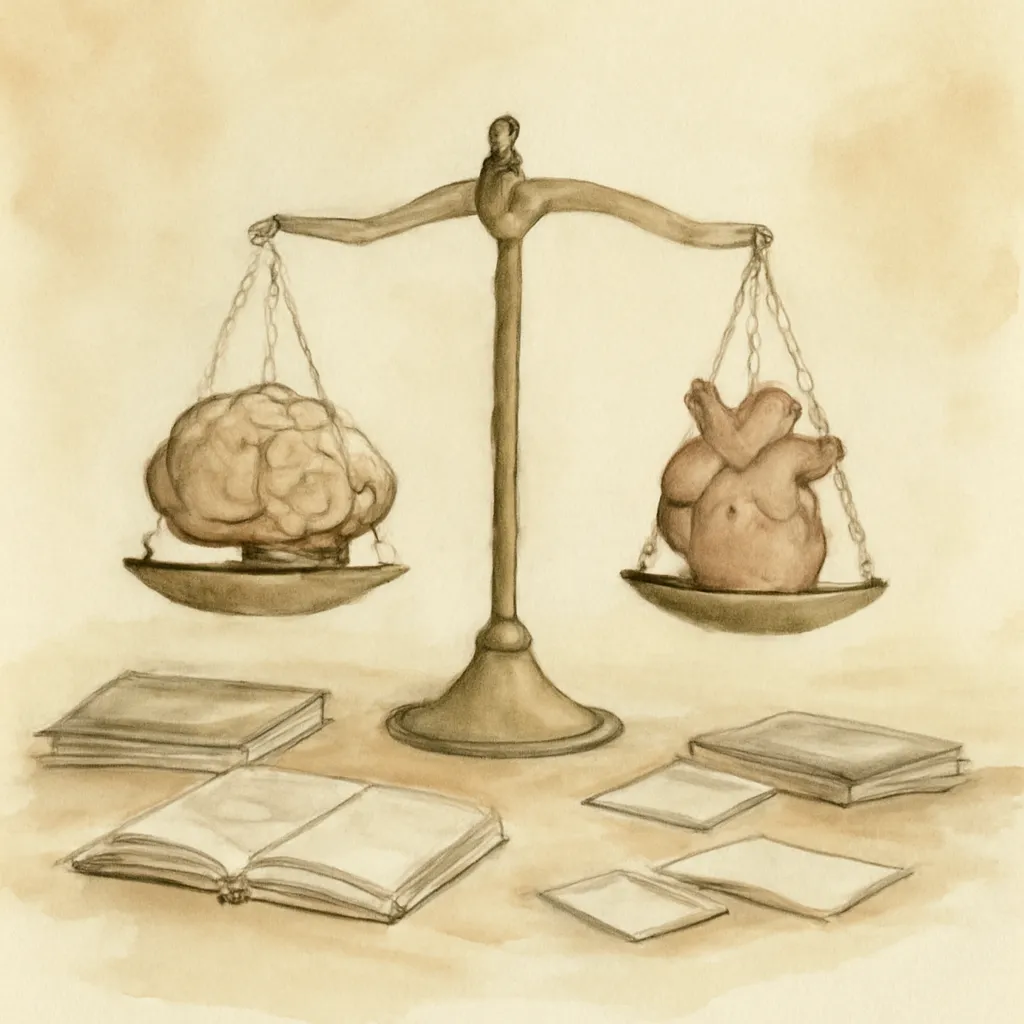
1.The Self as a Construct
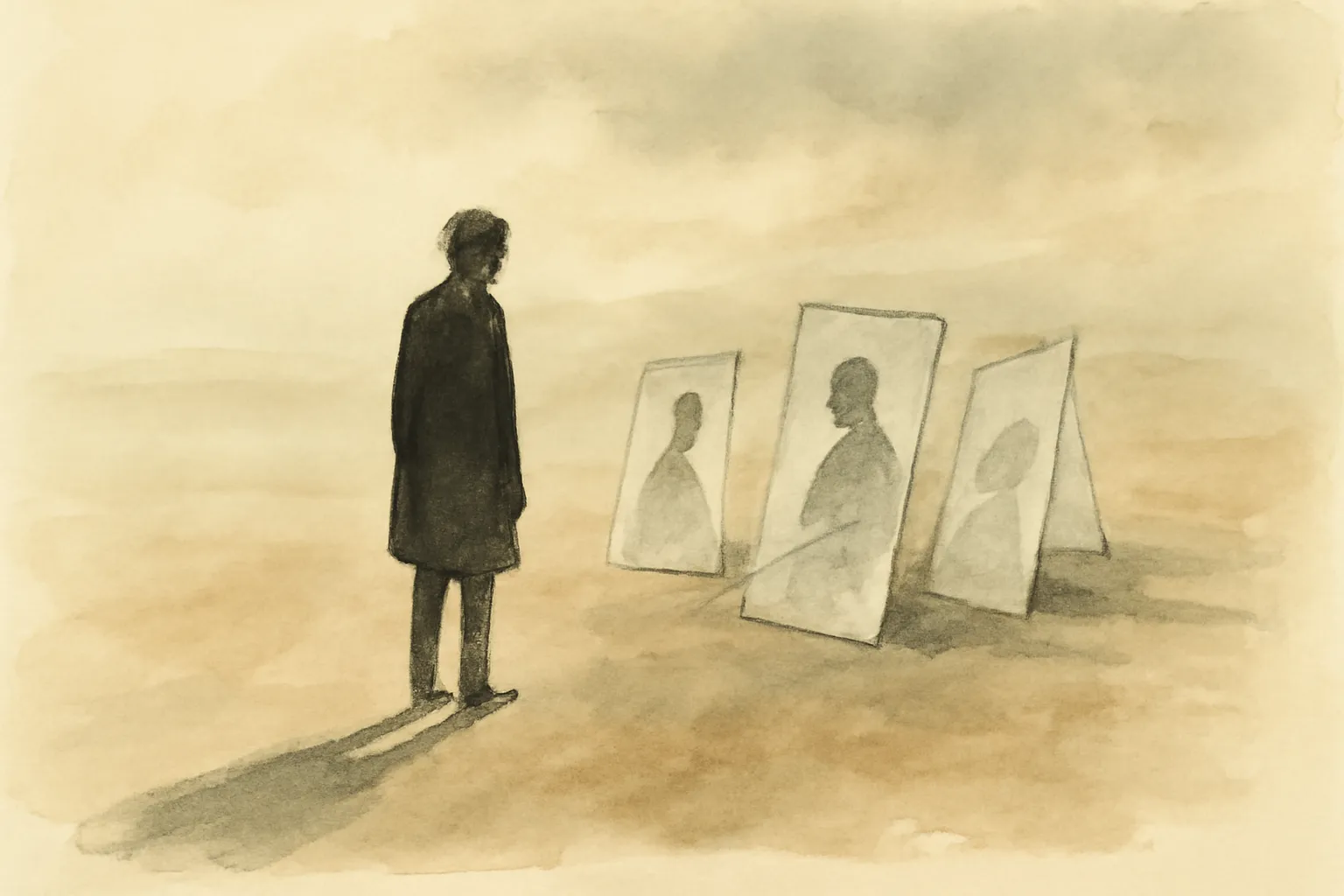
Ananthaswamy argues that our sense of self is not a fixed entity but a complex, dynamic construction of the brain. Through vivid accounts of neurological and psychiatric conditions, he shows that identity can be altered, diminished, or even lost when certain brain systems malfunction. This challenges the traditional notion of an unchanging 'I' and suggests that our selfhood is more a process than a thing.
2.Disorders as Windows into the Mind
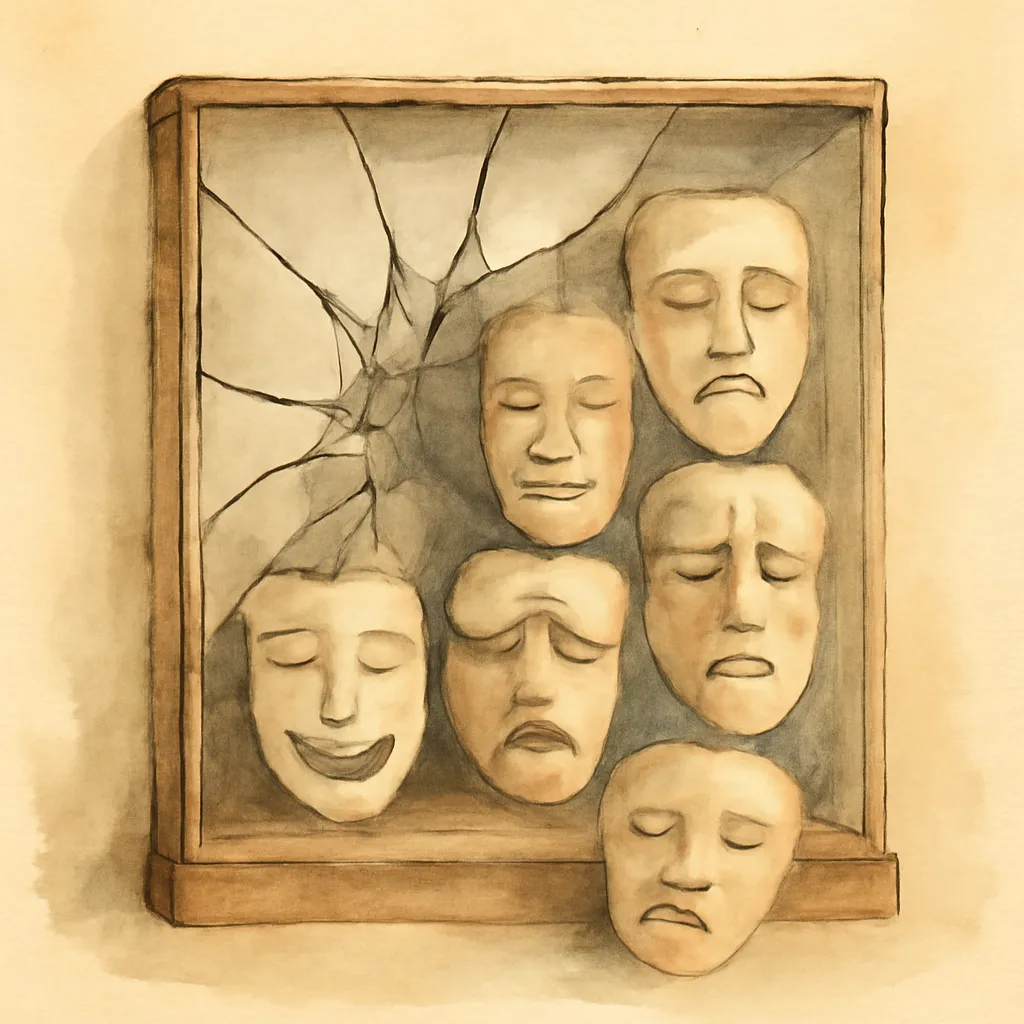
By examining conditions like schizophrenia, Cotard’s syndrome, and out-of-body experiences, the book demonstrates how breakdowns in the brain’s machinery can illuminate the normal workings of self-perception. These disorders are not just tragic; they are scientifically invaluable, offering clues about how the brain creates the seamless experience of being a person.
3.Memory and the Narrative Self
The narrative we construct about our lives is deeply tied to memory. Ananthaswamy explores how Alzheimer's disease disrupts this process, eroding the continuity that underpins our sense of identity. The same brain regions that help us remember the past are involved in imagining the future, highlighting how memory is central to who we are.
4.The Body and the Boundaries of Self
Physical embodiment is crucial to selfhood. Disorders like body integrity identity disorder (BIID) and ecstatic epilepsy reveal how the brain maps the body and creates a sense of ownership over it. When these mappings go awry, people may feel alienated from their own limbs or experience profound unity with the universe, underscoring the brain’s role in defining where 'self' ends and the world begins.
5.The Limits of Conscious Experience
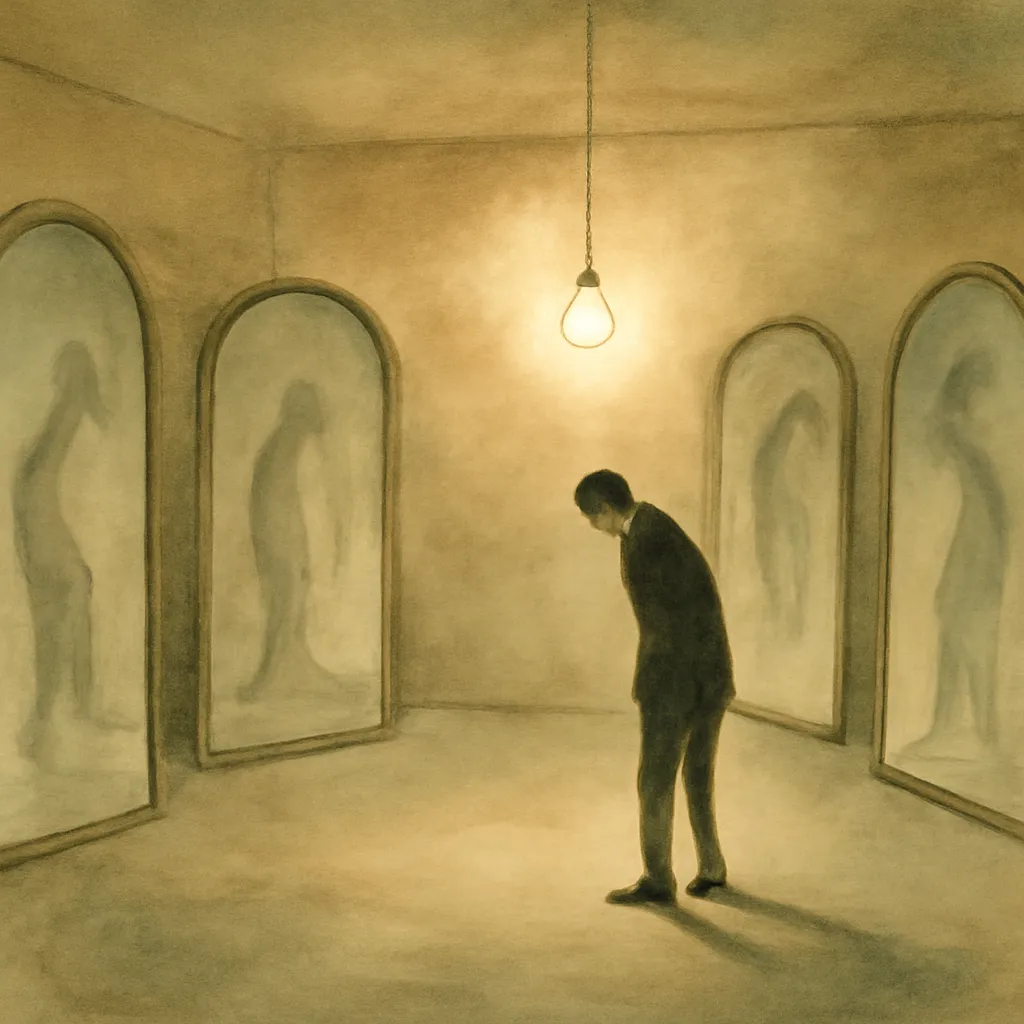
Ananthaswamy delves into the limits of conscious experience through phenomena like depersonalization and Cotard’s syndrome, where individuals feel detached from reality or convinced they are dead. These cases force us to reconsider what it means to be conscious and alive, and whether the self is as central to experience as we assume.
6.Science and Subjectivity
The book balances scientific rigor with empathy, emphasizing that understanding the self requires both objective study and subjective accounts. The lived experiences of those with altered self-perception are as crucial as brain scans, reminding us that science must grapple with the richness and strangeness of human consciousness.