1.Defining Folly in Governance
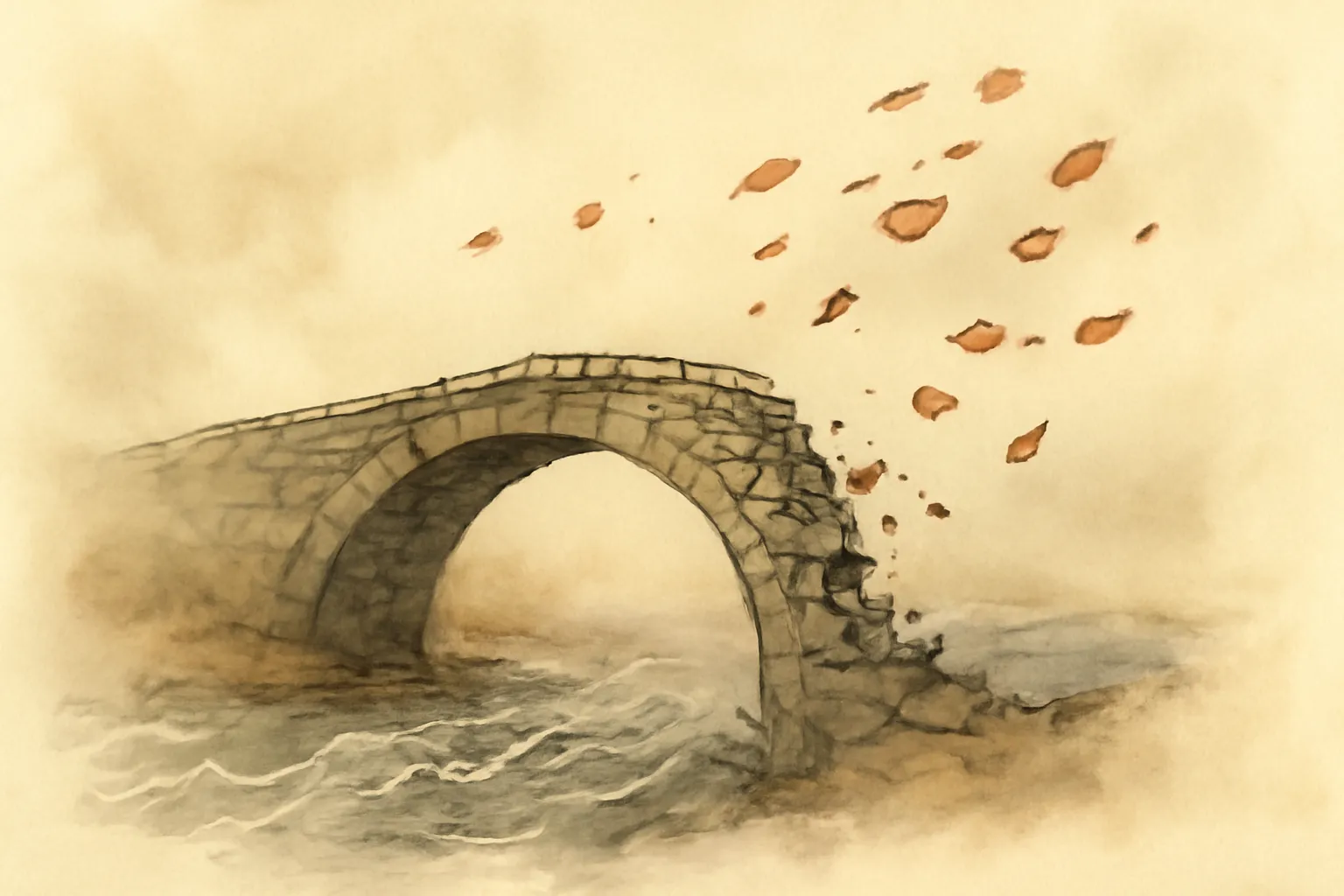
Tuchman defines 'folly' as the pursuit by governments of policies contrary to their own interests, despite the availability of feasible alternatives and clear warnings. She distinguishes folly from mere error or misfortune by emphasizing the element of willful blindness or obstinacy. The book is not about mistakes made in ignorance but about repeated, avoidable blunders—decisions that were demonstrably unwise at the time, not just in hindsight.
2.Patterns Across Eras
Rather than focusing on isolated incidents, Tuchman identifies a recurring pattern: from the fall of Troy to the Vietnam War, powerful actors have repeatedly ignored reason, advice, and evidence. By examining case studies such as the Renaissance popes’ corruption leading to the Protestant Reformation, British mismanagement in the American Revolution, and America’s entanglement in Vietnam, she shows that folly is not confined to any one era or culture.
3.The Role of Institutions and Groupthink
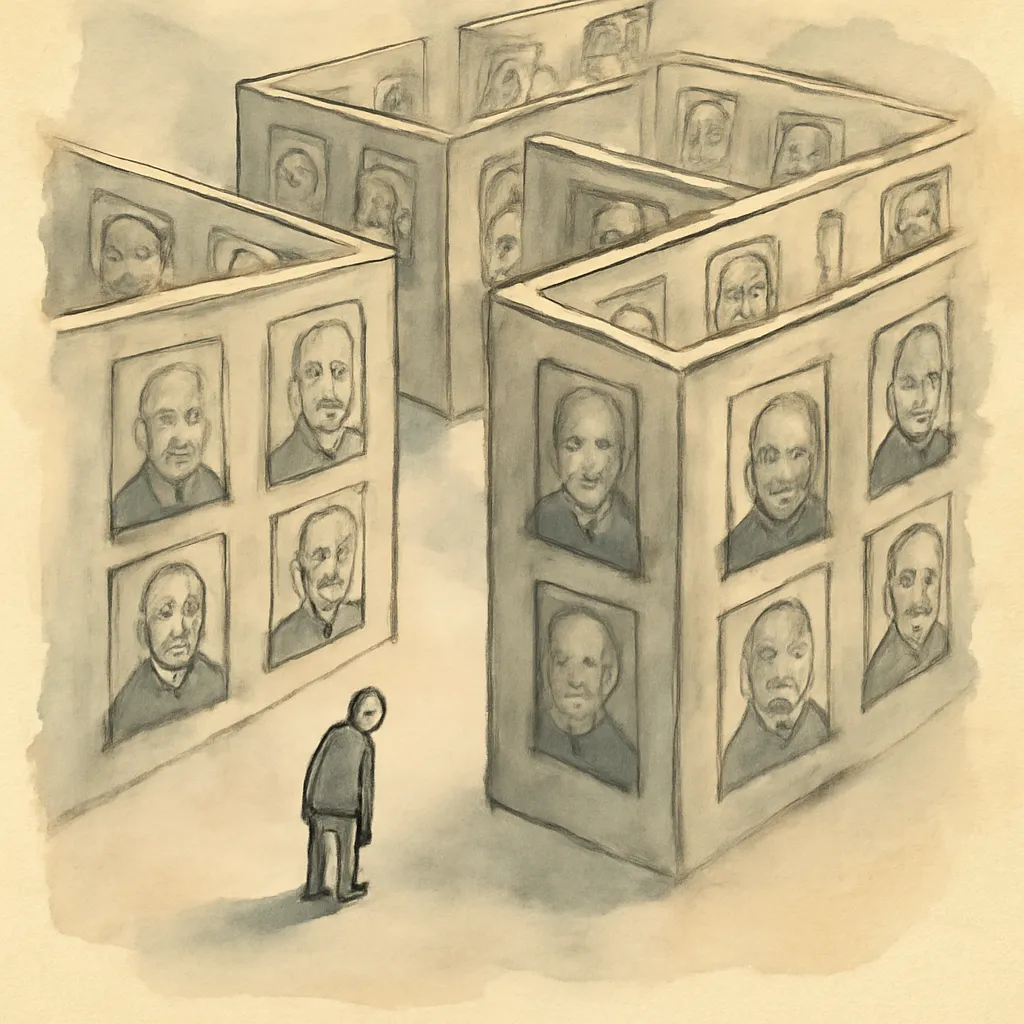
Tuchman argues that folly is often perpetuated by institutions rather than individuals. Bureaucratic inertia, groupthink, and the suppression of dissent enable bad policies to persist. Leaders surround themselves with like-minded advisors, dismissing or punishing critics, which creates an echo chamber that magnifies errors and blinds decision-makers to reality.
4.Warning Signs and Ignored Alternatives
A crucial aspect of folly, Tuchman insists, is that warning signs are present and alternatives are available. In each case, there were voices of reason—advisors, officials, or public opinion—pointing out the dangers and suggesting better courses. The tragedy is not ignorance, but the conscious rejection of these warnings, often out of pride, ideology, or fear of appearing weak.
5.Why Folly Persists
Tuchman explores psychological and systemic reasons for persistent folly: leaders’ overconfidence, the desire to save face, and the tendency to double down on failing policies. She suggests that power can breed arrogance and insularity, making it hard for leaders to admit mistakes or change course, even when the consequences are disastrous.
6.Lessons for Today
While rooted in history, Tuchman’s analysis is a warning for contemporary readers. The mechanisms of folly—groupthink, denial, institutional rigidity—are still at work in modern governments and organizations. By recognizing these patterns, citizens and leaders alike can become more vigilant against repeating the same mistakes.