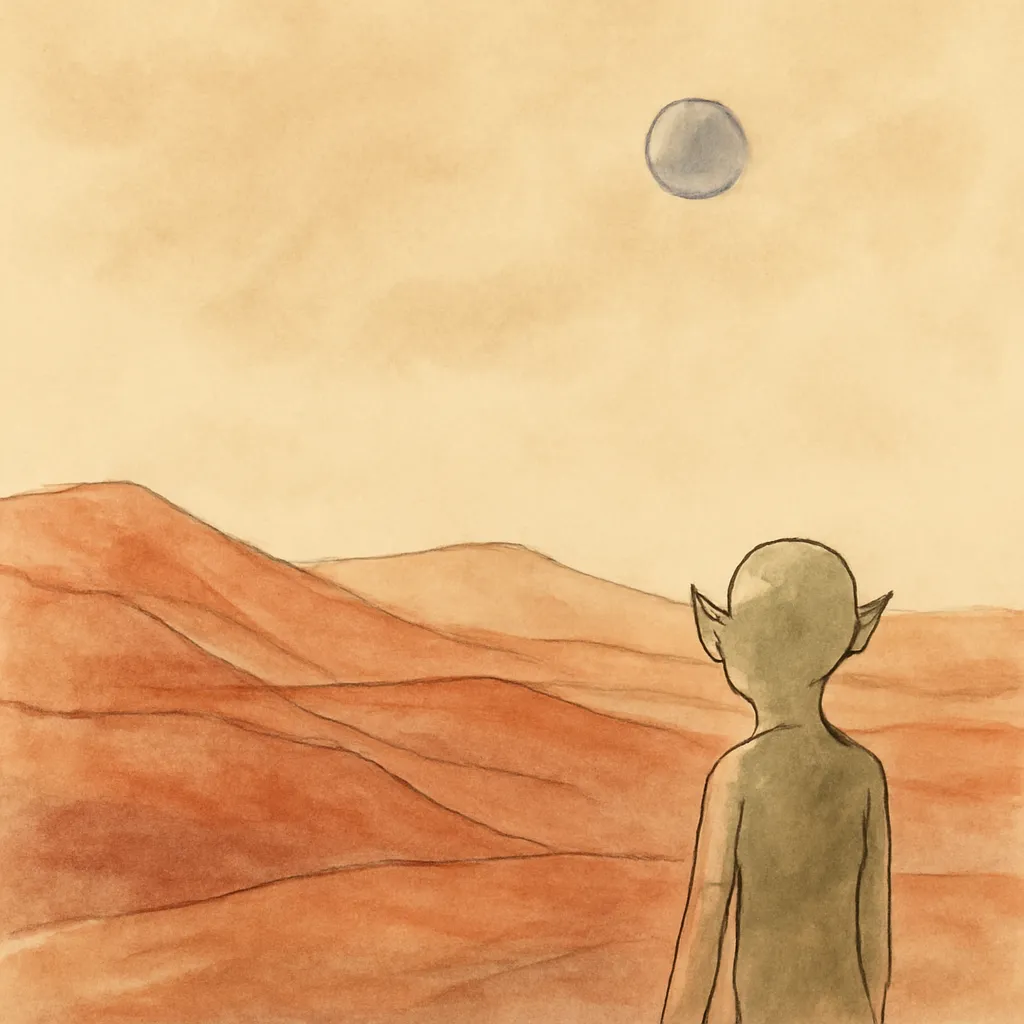
1.Mars as a Mirror for Earth
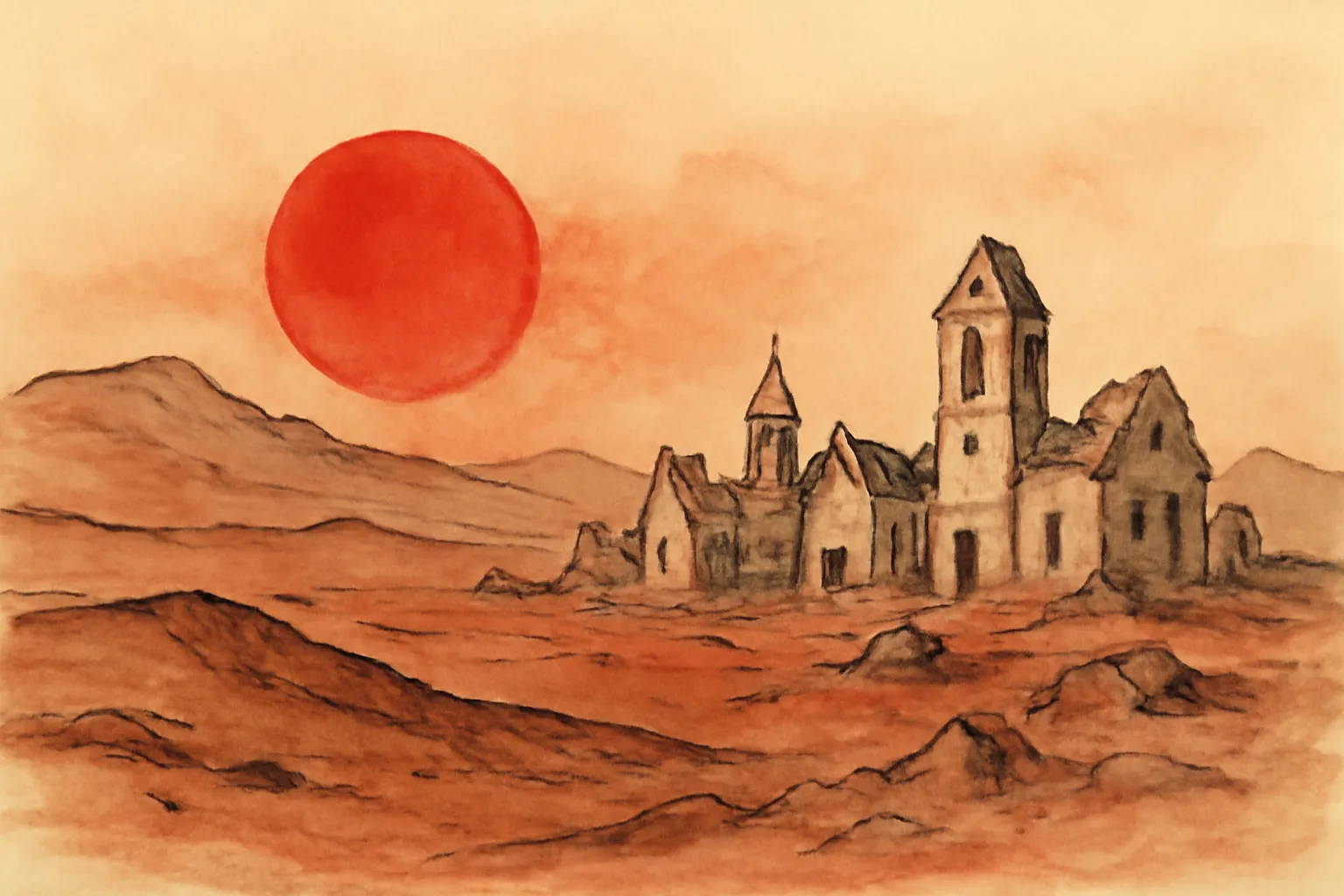
Bradbury uses Mars not just as a setting, but as a reflective surface for humanity’s ambitions and failures. The colonists bring with them all the cultural baggage, prejudices, and desires of Earth, recreating familiar towns and habits on alien soil. This transplantation exposes the persistent flaws in human nature, suggesting that physical escape does not guarantee moral or spiritual renewal.
2.The Tragedy of Colonization
The stories chronicle the displacement and near-eradication of the Martian civilization, paralleling real-world histories of colonization. Bradbury critiques the arrogance and destructiveness of settlers who, in their rush to claim and reshape Mars, ignore the wisdom and beauty of what already exists. The Martians’ decline is both a warning and a lament, underscoring the costs of conquest.
3.Nostalgia and the Search for Home
A deep longing for the past pervades the book. Characters attempt to recreate lost homes, towns, and relationships, often with eerie or tragic results. Bradbury suggests that nostalgia can be both comforting and dangerous—fueling hope, but also blinding people to new possibilities and the realities of their actions.
4.Technology’s Double-Edged Sword
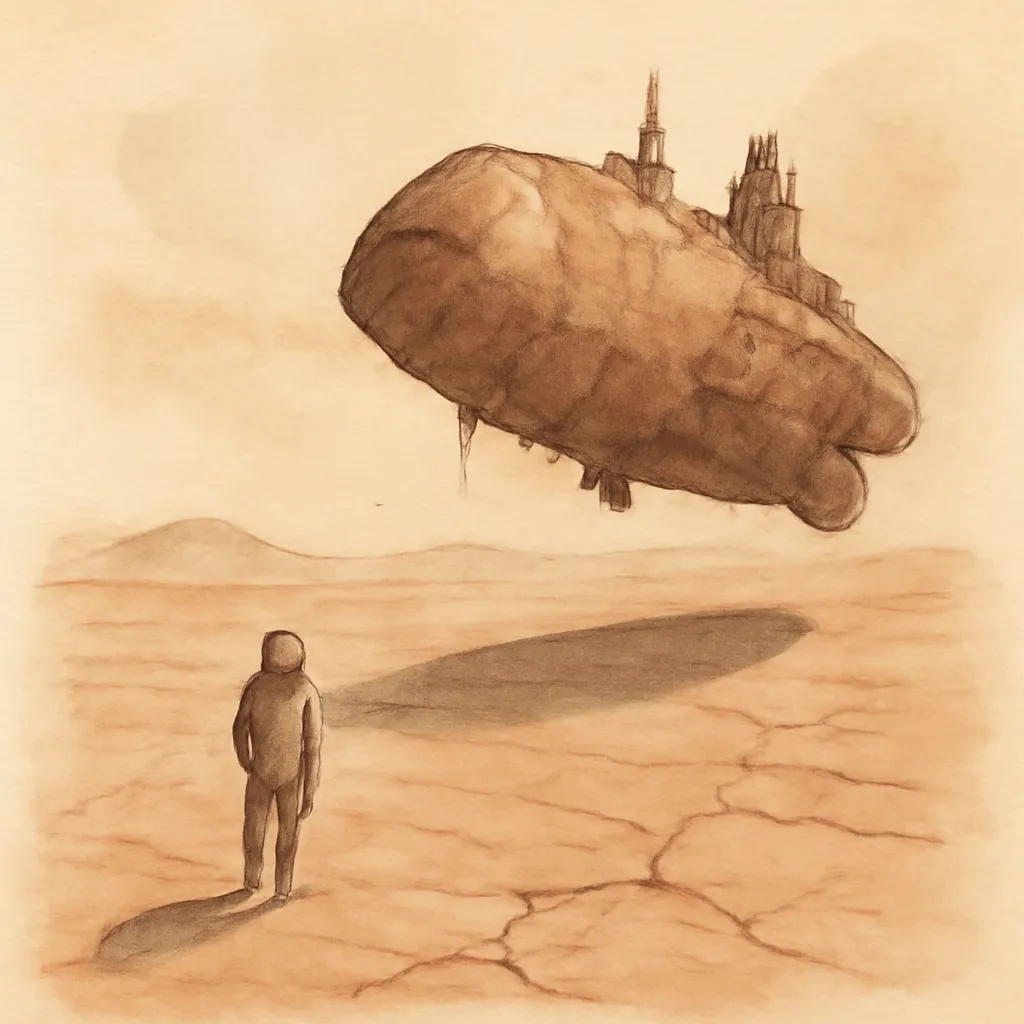
While advanced technology enables interplanetary travel and settlement, Bradbury remains skeptical of its promises. The same tools that build can also destroy, as seen in the devastation of Earth and the environmental changes wrought on Mars. The stories question whether technological progress equates to moral or societal advancement.
5.Loneliness and Alienation
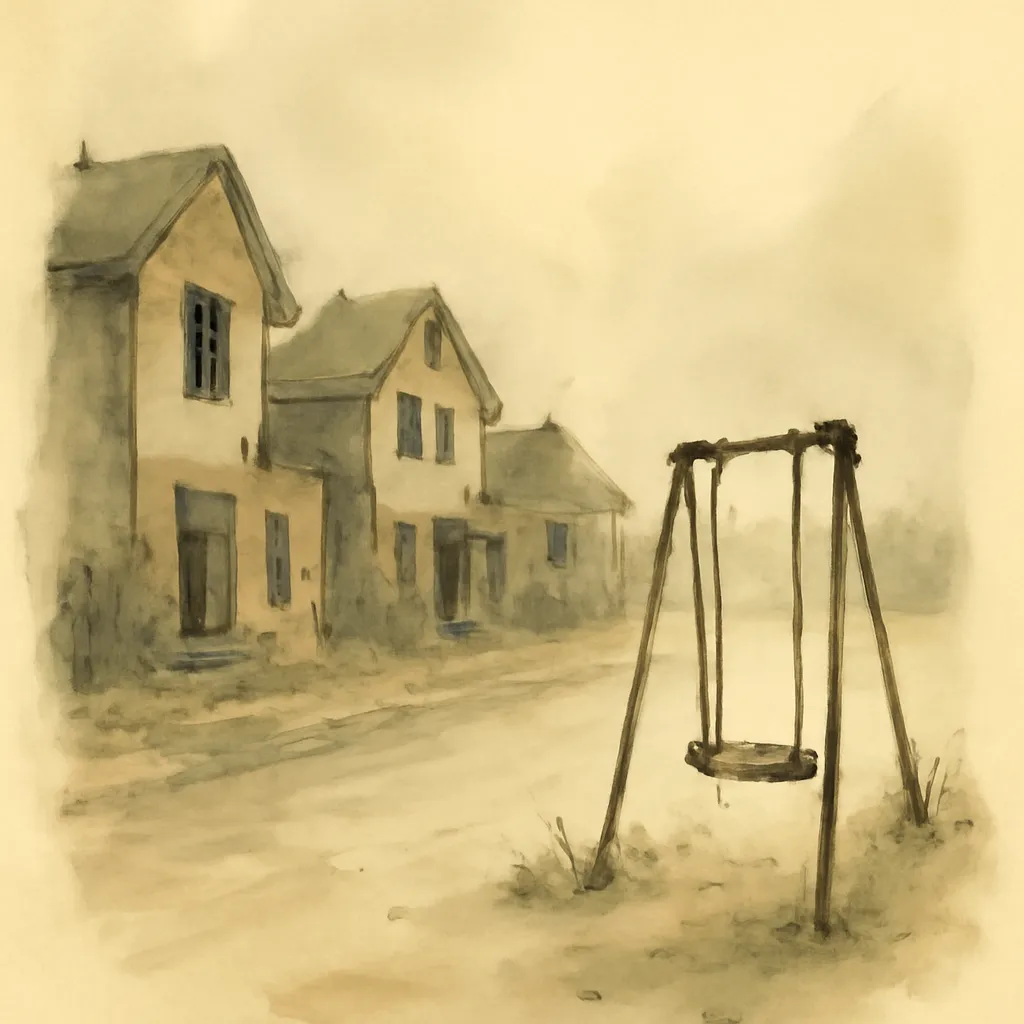
Isolation is a recurring theme, affecting both humans and Martians. Whether it’s the physical distance from Earth or the emotional gulf between individuals, Bradbury explores how loneliness shapes behavior and identity. The stories probe the limits of communication and empathy, highlighting the universal struggle to connect.
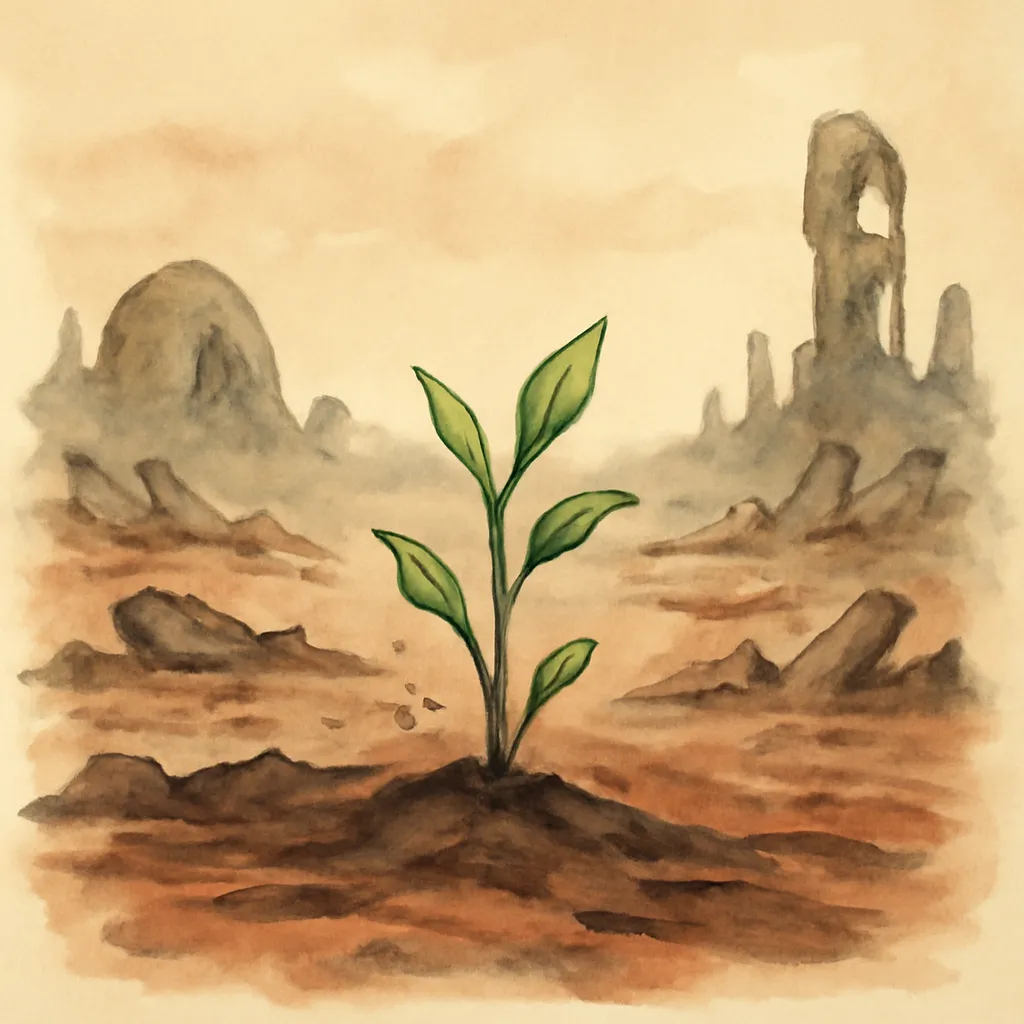
6.Hope and Renewal Amid Ruin
Despite the bleakness, Bradbury leaves room for hope. The closing stories gesture toward the possibility of starting anew, learning from past mistakes, and forging a more compassionate future. Mars becomes a canvas for redemption as much as for disaster, suggesting that the human story is not yet finished.