1.The Joy of Adventure
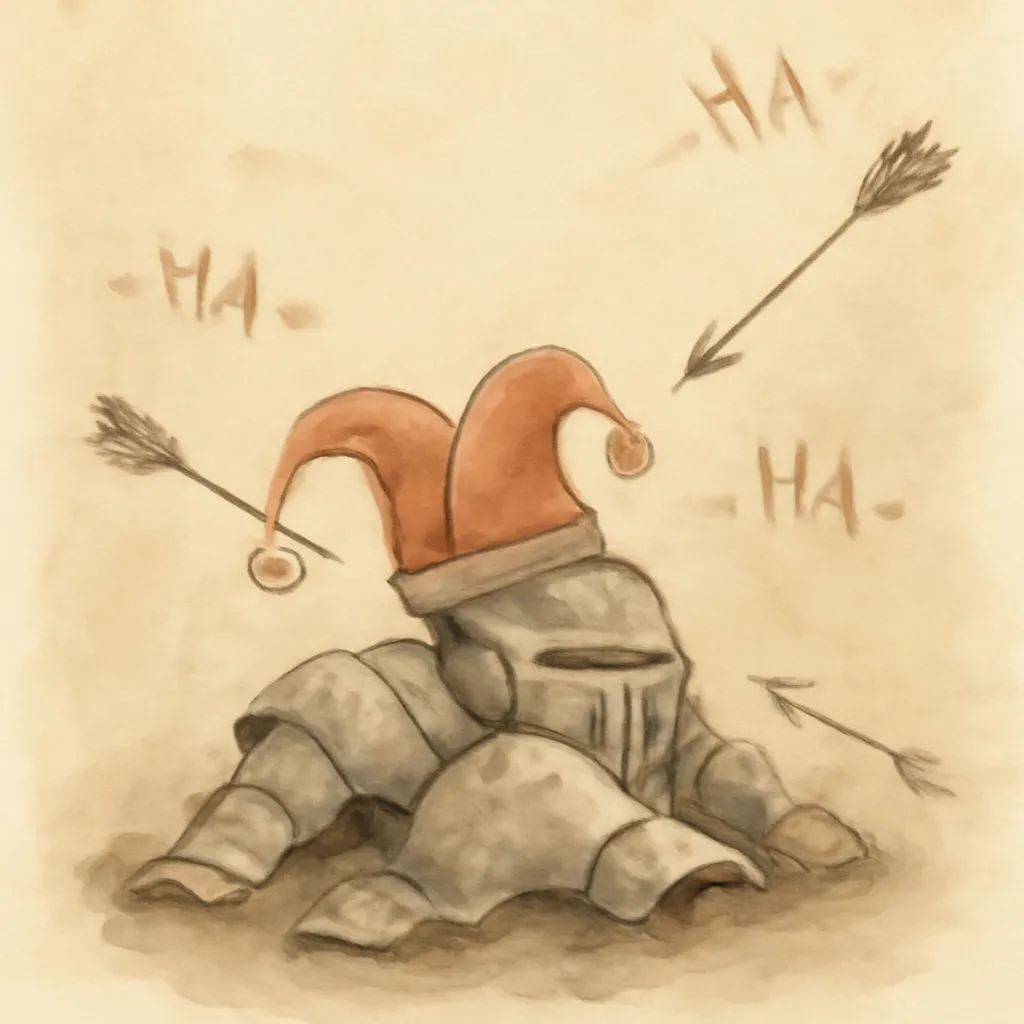
From the very first pages, 'The Merry Adventures of Robin Hood' invites readers to leave behind the mundane and step into a world of adventure and merriment. Pyle crafts a vivid landscape where laughter and playfulness reign supreme, emphasizing the importance of finding joy in life. This is not merely a tale of heroics; it is a celebration of the spirit of adventure that lies within us all. Robin Hood embodies this spirit, as he engages in playful banter, participates in competitions, and shares light-hearted moments with his band of merry men. For example, when Robin is playfully tossed into a river, he embraces the humor of the situation, demonstrating that even in misfortune, one can find laughter. This theme encourages readers to embrace their own adventures, no matter how trivial they may seem.
2.Friendship and Loyalty
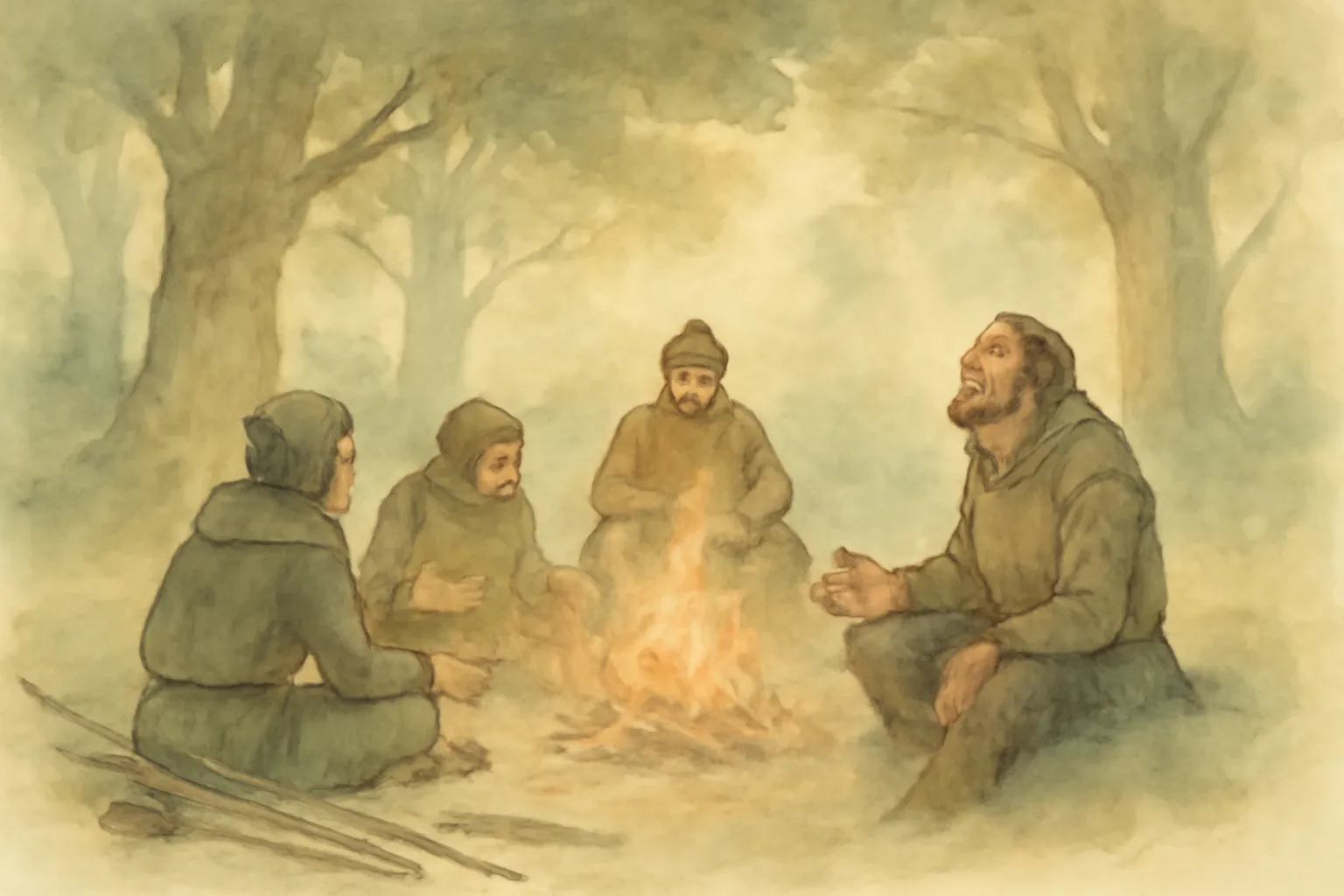
At the heart of Robin Hood's adventures lies the deep bond of friendship and loyalty among his band of merry men. Characters like Little John, Will Stutely, and Friar Tuck exemplify the values of camaraderie and trust, standing by Robin’s side through every trial. Their loyalty is not blind but is rooted in mutual respect and shared experiences. For instance, Robin's invitation to new recruits like the Tinker showcases his willingness to embrace others into his circle, emphasizing the importance of inclusion and unity. This theme resonates throughout the narrative, reminding readers that true strength lies in the relationships we cultivate and the bonds we forge with others. The merry men’s unwavering support for each other, whether in joyous moments or during perilous encounters with the Sheriff of Nottingham, illustrates that friendship is both a source of joy and a pillar of resilience.
3.The Struggle Against Injustice
A prominent theme in Pyle's retelling is the struggle against injustice and tyranny, embodied by the Sheriff of Nottingham. Robin Hood represents the voice of the oppressed, standing up against the corrupt authorities who exploit the poor. His adventures are not just whimsical escapades; they are acts of defiance against an unjust system. For example, Robin's decision to rob the rich to provide for the needy highlights his commitment to social justice and equity. This moral imperative drives the narrative, as Robin and his merry men repeatedly outsmart the Sheriff and his men, not just for sport but to restore balance and fairness in their community. By framing Robin as a champion of the downtrodden, Pyle encourages readers to reflect on their own roles in combating injustice, prompting a discussion about moral responsibility and civic duty.
4.Humor as a Tool for Resilience
Throughout 'The Merry Adventures of Robin Hood', humor serves as a powerful tool for resilience and camaraderie. Pyle infuses the narrative with playful exchanges, witty banter, and comical situations that lighten the mood even in serious circumstances. For instance, Robin's playful interactions with the Tinker, who comes to capture him, demonstrate how humor can diffuse tension. The merry men often engage in jovial competitions and jesting, which not only entertains but also strengthens their bonds. This lightheartedness provides a counterbalance to the darker themes of oppression and danger, proving that laughter is an essential part of enduring hardship. Pyle's portrayal of Robin Hood and his friends as figures who find joy and humor in their struggles serves as a reminder that a positive outlook can help one navigate life's challenges.
5.The Role of Women
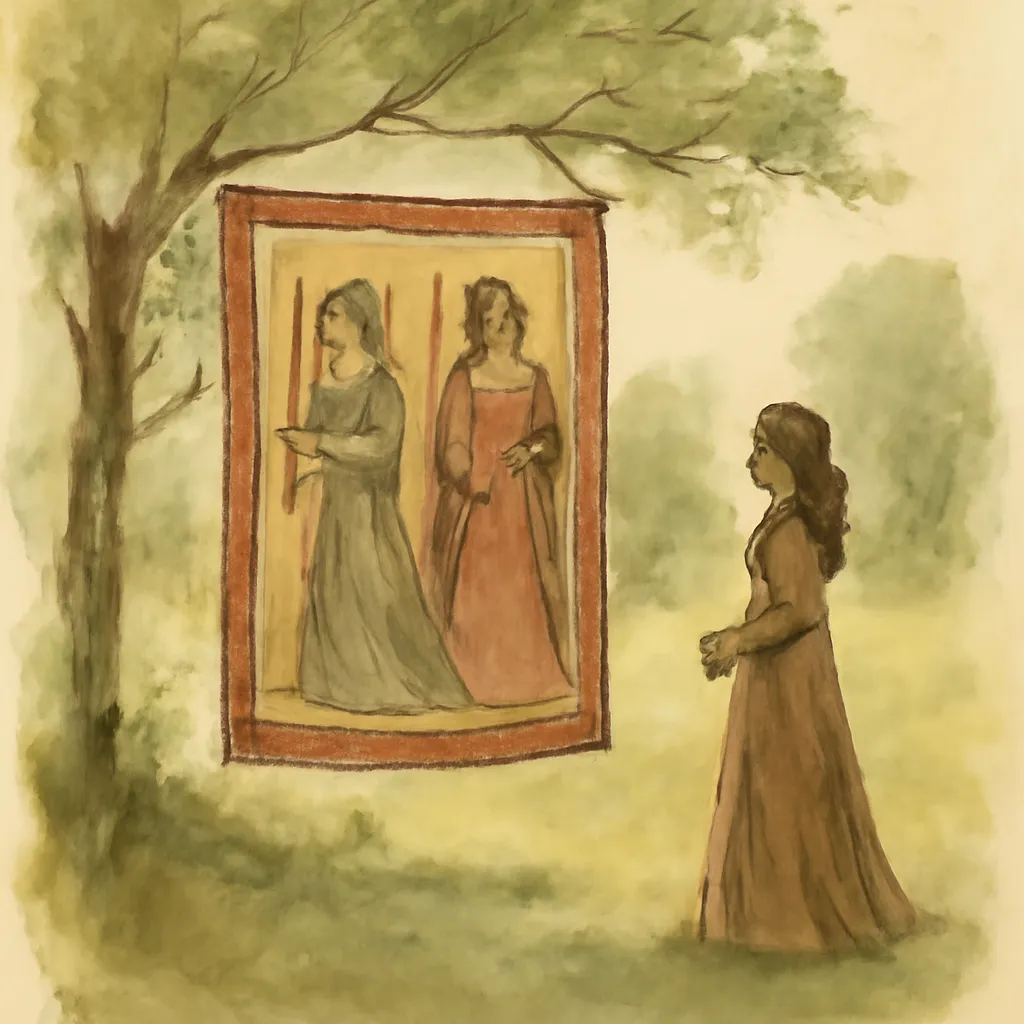
While 'The Merry Adventures of Robin Hood' primarily focuses on the exploits of male characters, the women in the narrative play significant roles that are worth exploring. Characters like Queen Eleanor and Lady Marian are depicted with strength and agency, often influencing the actions of their male counterparts. Queen Eleanor, for instance, is portrayed as a figure of authority and respect, commanding the attention of those around her. Lady Marian, although less prominent, represents the ideals of love, loyalty, and bravery, often acting as a motivator for Robin Hood's noble actions. Their presence in the story challenges traditional gender roles, suggesting that women, too, can be powerful influences in a man's world. This dynamic opens up discussions about gender equality and the importance of recognizing the contributions of women in historical narratives.
6.The Nature of Heroism
Pyle's portrayal of Robin Hood challenges conventional notions of heroism by depicting a character who is both fallible and relatable. Unlike the typical heroic archetype, Robin Hood is not invincible; he faces setbacks, makes mistakes, and experiences moments of vulnerability. For example, his humorous misadventures, such as being tumbled into a river, humanize him and make him more approachable. This nuanced depiction of heroism emphasizes that true bravery lies not in perfection but in the willingness to stand up for what is right, even when faced with adversity. Robin's ability to inspire others, rally his friends, and confront powerful foes illustrates that heroism can be found in everyday acts of courage and kindness. Pyle's Robin Hood serves as a reminder that anyone can be a hero in their own right, regardless of their circumstances.
7.The Enchantment of Sherwood Forest
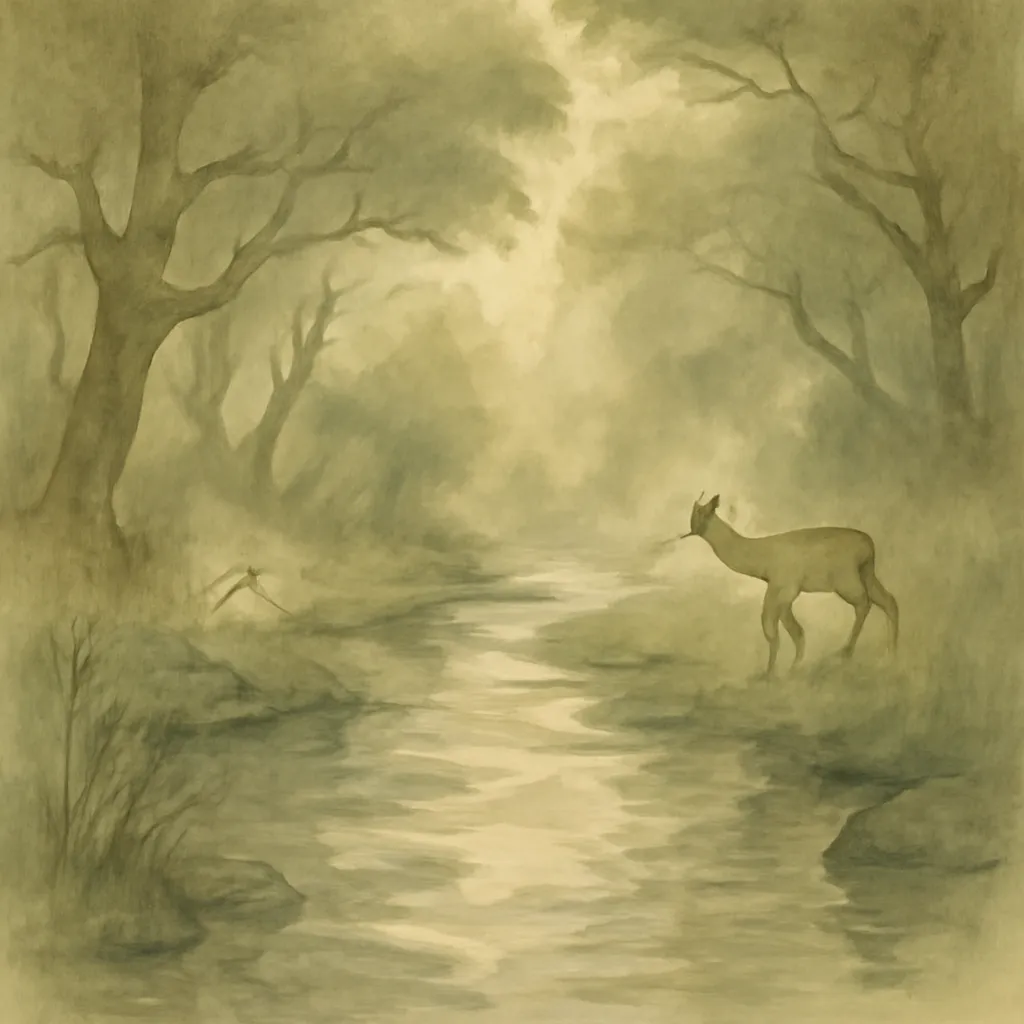
Sherwood Forest is not just a backdrop for Robin Hood's adventures; it is a character in its own right, imbued with magic and mystery. Pyle's vivid descriptions of the forest create an enchanting atmosphere, inviting readers to escape into this idyllic realm where nature thrives and adventure awaits. The forest serves as a sanctuary for Robin and his merry men, a place where they can live freely and joyfully, away from the constraints of the outside world. The lush greenery, singing birds, and blooming flowers contribute to the whimsical tone of the narrative, reinforcing the idea that nature is a source of inspiration and solace. This depiction of Sherwood Forest encourages readers to appreciate the beauty of the natural world and to seek out their own 'greenwood'—a space where they can connect with nature and find joy.
8.The Importance of Tradition and Folklore
Pyle's work is steeped in the rich tradition of English folklore, drawing upon established legends while also creating new tales that resonate with contemporary audiences. By weaving together familiar characters and events, Pyle pays homage to the cultural heritage of England, showcasing the importance of storytelling in preserving history and values. The use of ballads and traditional songs throughout the narrative serves to connect readers with the past, emphasizing that these stories are not merely relics but living narratives that continue to evolve. This celebration of folklore highlights the significance of oral traditions in shaping cultural identity and the ways in which stories can inspire generations. Pyle's blending of old and new invites readers to reflect on their own cultural narratives and the stories that shape their lives.
9.The Playfulness of Competition
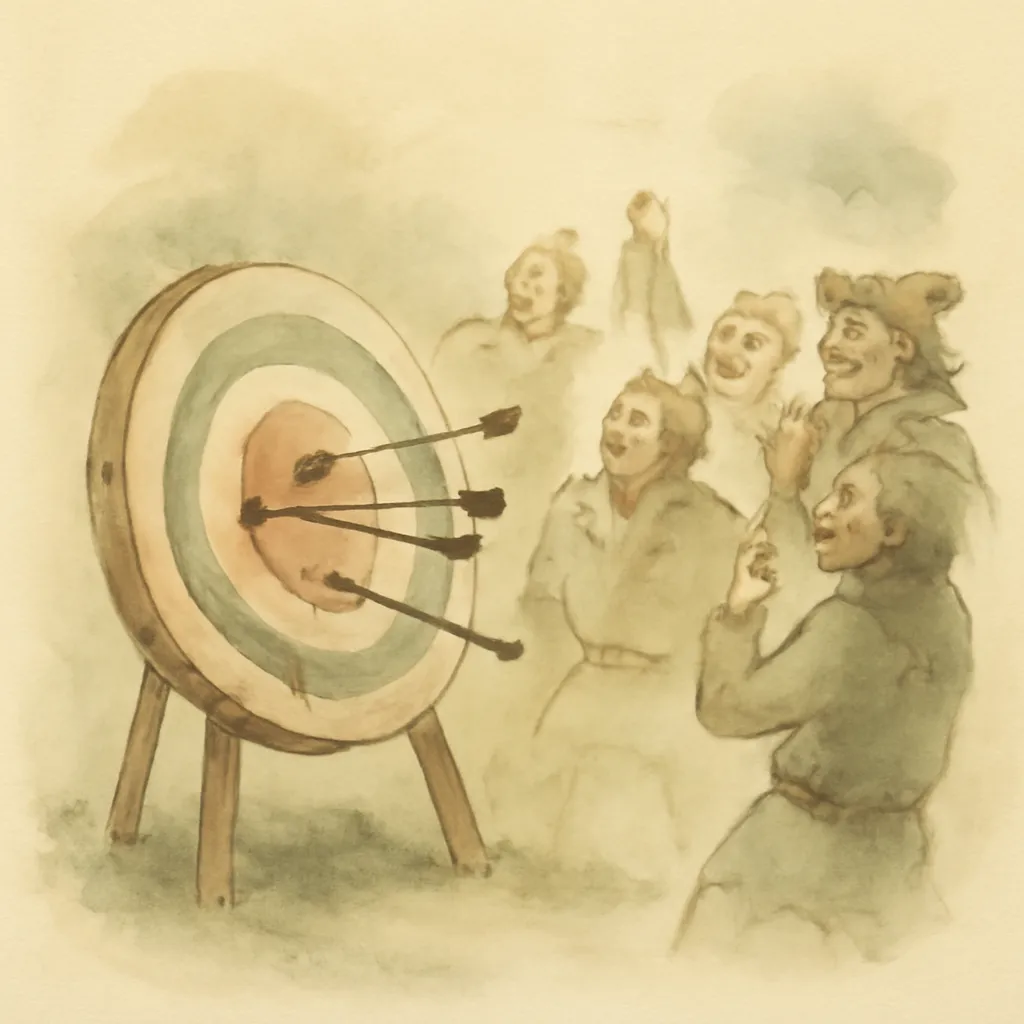
Competition plays a central role in the dynamics of Robin Hood's adventures, often serving as a catalyst for camaraderie and skill development among the merry men. Whether through archery contests, wrestling matches, or playful challenges, these competitions foster a spirit of friendly rivalry that strengthens their bonds. Robin's desire to participate in the shooting match, despite the Sheriff’s ulterior motives, underscores the importance of competition as a means of asserting one's abilities and challenging authority. The merry men’s playful spirit in these contests reflects the joy of engaging in light-hearted rivalry, reminding readers that competition can be a source of fun and motivation. This theme encourages readers to embrace competition in their own lives—not as a means of hostility but as an opportunity for growth, learning, and connection with others.
10.The Duality of Characters
Pyle crafts a rich tapestry of characters, each embodying various aspects of humanity, from noble qualities to flawed traits. The duality of characters like the Sheriff of Nottingham highlights the complexity of morality in the narrative. While he represents tyranny and greed, moments of vulnerability reveal that he, too, is a product of his environment. This complexity invites readers to consider the shades of gray in human nature, recognizing that individuals are shaped by their circumstances and choices. Characters like Friar Tuck and Little John add layers of depth, embodying both humor and strength, while also showcasing the importance of loyalty and friendship. By presenting characters with multifaceted personalities, Pyle encourages readers to reflect on their own values and the complexities of human relationships.