1.The Power of New Experiences
Margaret Montfort's initial anxiety about joining the Merryweather family underscores a universal fear of the unknown. As she expresses her trepidation to her cousin Peggy, the story emphasizes how stepping out of one’s comfort zone can lead to personal growth. The journey to the camp signifies not just a physical transition but an emotional one, where Margaret learns to embrace new relationships and experiences. This theme resonates throughout the book, as the characters face various challenges and joys in their new environment. The initial feelings of shyness and queerness that Margaret experiences are relatable to anyone who has faced unfamiliar situations, making the reader empathize with her. As the story progresses, Margaret's growth from a timid girl to someone who finds joy in making new friends and engaging in camp life illustrates the transformative power of new experiences.
2.Family Dynamics in a Camp Setting
The Merryweather family serves as a microcosm of familial relationships, with each member contributing to the lively atmosphere of the camp. The interactions between the siblings and their parents highlight the complexities of family life, including sibling rivalry, affection, and support. For instance, Willy and Kitty's playful bickering reflects a common sibling dynamic that many readers can relate to. Their interactions reveal both the love and tension present in sibling relationships, as they navigate their desires and frustrations. Additionally, the way Mr. and Mrs. Merryweather engage with their children illustrates a parenting style that fosters independence while also ensuring a supportive environment. This exploration of family dynamics is crucial, as it reminds readers that families come in various forms, and the bonds formed during shared experiences can be both nurturing and complex.
3.The Joy of Nature and Simple Living
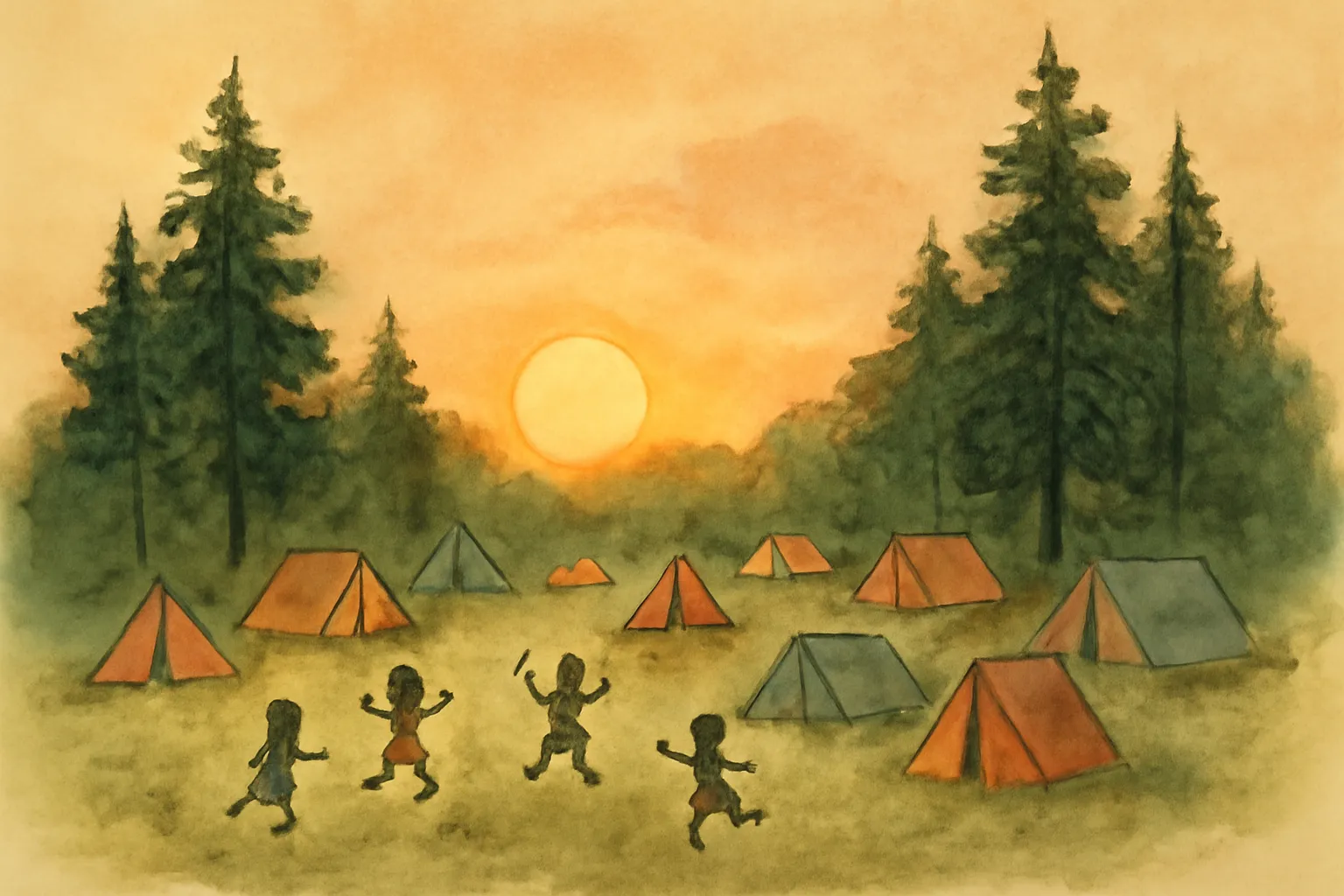
Richards paints a vivid picture of the natural beauty surrounding the camp, emphasizing how it serves as a backdrop for the characters’ adventures and personal growth. The descriptions of the lake, the rolling hills, and the fragrant pines create a serene setting that contrasts with the hustle and bustle of everyday life. This idyllic environment encourages the characters to engage in outdoor activities, fostering a sense of freedom and playfulness. The camp's focus on simple living also highlights the joys of being in nature, as the characters participate in swimming, picnics, and storytelling. The act of immersing themselves in the natural world allows for deeper connections to both themselves and each other, emphasizing that simplicity can lead to profound happiness. This theme resonates with readers, reminding them of the importance of reconnecting with nature in their own lives.
4.Friendship and Connection
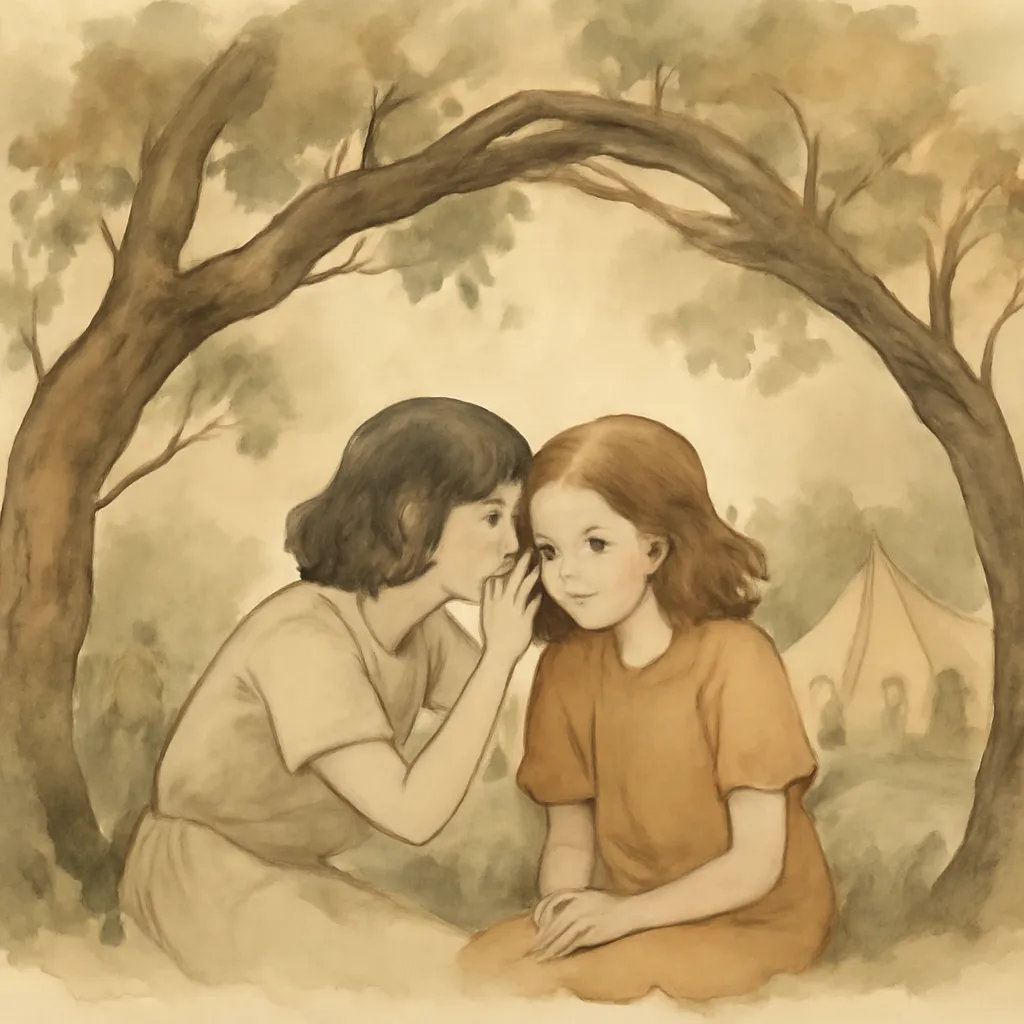
The relationships formed at the camp are central to the narrative, with Margaret and Peggy's bond serving as a focal point. Their friendship evolves as they navigate the complexities of camp life and interact with the Merryweather family and other guests. The camaraderie among the campers fosters a sense of belonging, illustrating how friendships can be formed in the most unexpected circumstances. This theme is further exemplified in the interactions between the boys and girls, where playful teasing and support create a rich tapestry of connection. The story emphasizes that friendships can transcend differences and are often deepened through shared experiences. In moments of laughter, conflict, and resolution, the characters learn the value of empathy and understanding, which are foundational for lasting friendships.
5.The Role of Play and Imagination
Play is a recurring motif in 'The Merryweathers,' showcasing its significance in childhood and personal development. The characters engage in various games, from swimming and climbing trees to more structured activities like picnics and races. This emphasis on play highlights the importance of imagination and creativity in shaping their experiences and relationships. The playful nature of the campers encourages a carefree spirit, allowing them to express themselves and explore their identities. These moments of play also serve as a vehicle for learning and bonding, where the characters discover their strengths and weaknesses while navigating the competitive aspects of camp life. This exploration of play serves as a reminder that creativity and imagination are vital components of a fulfilling life, particularly during formative years.
6.Navigating Rivalries and Competition
The camp setting introduces elements of rivalry and competition, particularly among the boys and between Gerald and Claud Belleville. The tension that arises from these rivalries adds depth to the narrative, as characters grapple with feelings of jealousy and the desire for recognition. For instance, competition during races and games serves as a catalyst for character development, prompting individuals to confront their insecurities and strive for improvement. The way these rivalries are portrayed illustrates that competition, while often challenging, can lead to personal growth and stronger bonds among friends. As characters learn to navigate these dynamics, they discover the importance of sportsmanship and camaraderie, ultimately enriching their relationships.
7.Embracing Change and Growth
As the story unfolds, the characters undergo significant transformations, particularly Margaret, who evolves from a shy, anxious girl into a more confident individual. This growth is facilitated by her experiences at the camp, where she learns to embrace new challenges and relationships. Through various interactions, she gains a deeper understanding of herself and her place within the group. Her journey reflects the broader theme of personal growth that is central to the camp experience. The narrative illustrates that change is not only inevitable but also necessary for development. As Margaret and others confront their fears and insecurities, they emerge more resilient and self-assured, reinforcing the notion that growth often comes from embracing change.
8.The Impact of Community
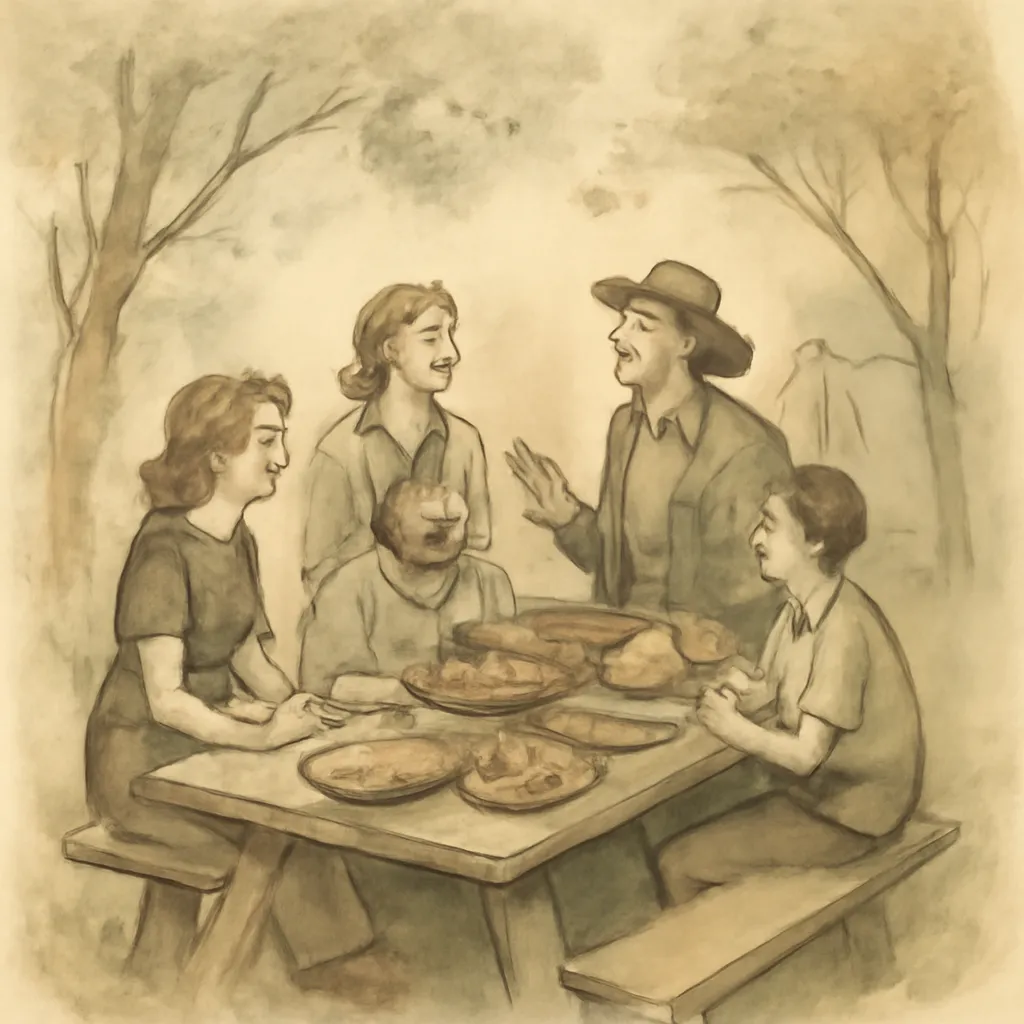
The sense of community at the camp is palpable, with the Merryweathers exemplifying the warmth and support that comes from being part of a larger group. The characters rally around one another during moments of joy and conflict, reinforcing the idea that community is essential for personal well-being. This theme is particularly evident during group activities, such as the picnic, where laughter and camaraderie abound. The interactions among the campers highlight the importance of fostering a supportive environment, where individuals can thrive and feel valued. The story effectively illustrates that community can provide a sense of belonging and safety, crucial for personal development. As characters navigate their relationships, they learn that true strength lies in unity, and that the bonds formed in community can last a lifetime.
9.The Significance of Tradition and Memory
Traditions play a vital role in the Merryweather family’s camp experience, from annual picnics to games and storytelling. These traditions create a sense of continuity and belonging, helping to strengthen familial bonds. The characters often reflect on past experiences, weaving memories into their current adventures, which adds depth to their relationships. This connection to tradition emphasizes the importance of preserving memories and sharing stories, as they contribute to the characters' identities and shared history. The narrative illustrates that traditions can serve as anchors during times of change, reminding individuals of their roots and the values that bind them together. By embracing these traditions, the Merryweathers create a rich tapestry of experiences that enhance their shared journey.
10.The Balance of Independence and Togetherness
Throughout 'The Merryweathers,' there is a delicate balance between independence and togetherness, particularly as the characters navigate their relationships. While the campers enjoy shared experiences, they also seek moments of solitude and self-discovery. For instance, Margaret often retreats to reflect on her thoughts, allowing her to process her emotions and experiences. This balance emphasizes the importance of both community and individuality, showcasing that personal growth can occur within the context of relationships. Richards effectively illustrates that while togetherness enriches life, fostering a sense of independence is equally crucial for self-discovery and fulfillment. The characters learn to appreciate their individuality while also recognizing the value of collaboration and support from others.
11.Finding Courage in Vulnerability
A significant theme in 'The Merryweathers' is the courage found in vulnerability, particularly as characters confront their fears and insecurities. Margaret's initial trepidation about joining the camp echoes a common fear of being judged or misunderstood. However, as she opens up to her new friends and engages in camp activities, she begins to find strength in expressing her true self. This journey illustrates that vulnerability is not a weakness, but rather a pathway to authentic connections and self-acceptance. The narrative encourages readers to embrace their own vulnerabilities, suggesting that it is through these moments of openness that individuals can forge deeper relationships and foster personal growth.