1.Science as Adventure
Paul de Kruif frames the history of microbiology not as a dry chronology, but as a series of bold adventures. Each scientist—Leeuwenhoek, Pasteur, Koch, and others—is depicted as a 'hunter,' braving skepticism, ridicule, and failure in pursuit of invisible enemies. This narrative style makes the scientific process feel urgent and dramatic, emphasizing the personal risks and emotional stakes involved in discovery. The book invites readers to see science as a human endeavor, full of setbacks and triumphs, rather than a collection of facts.
2.The Power of Observation
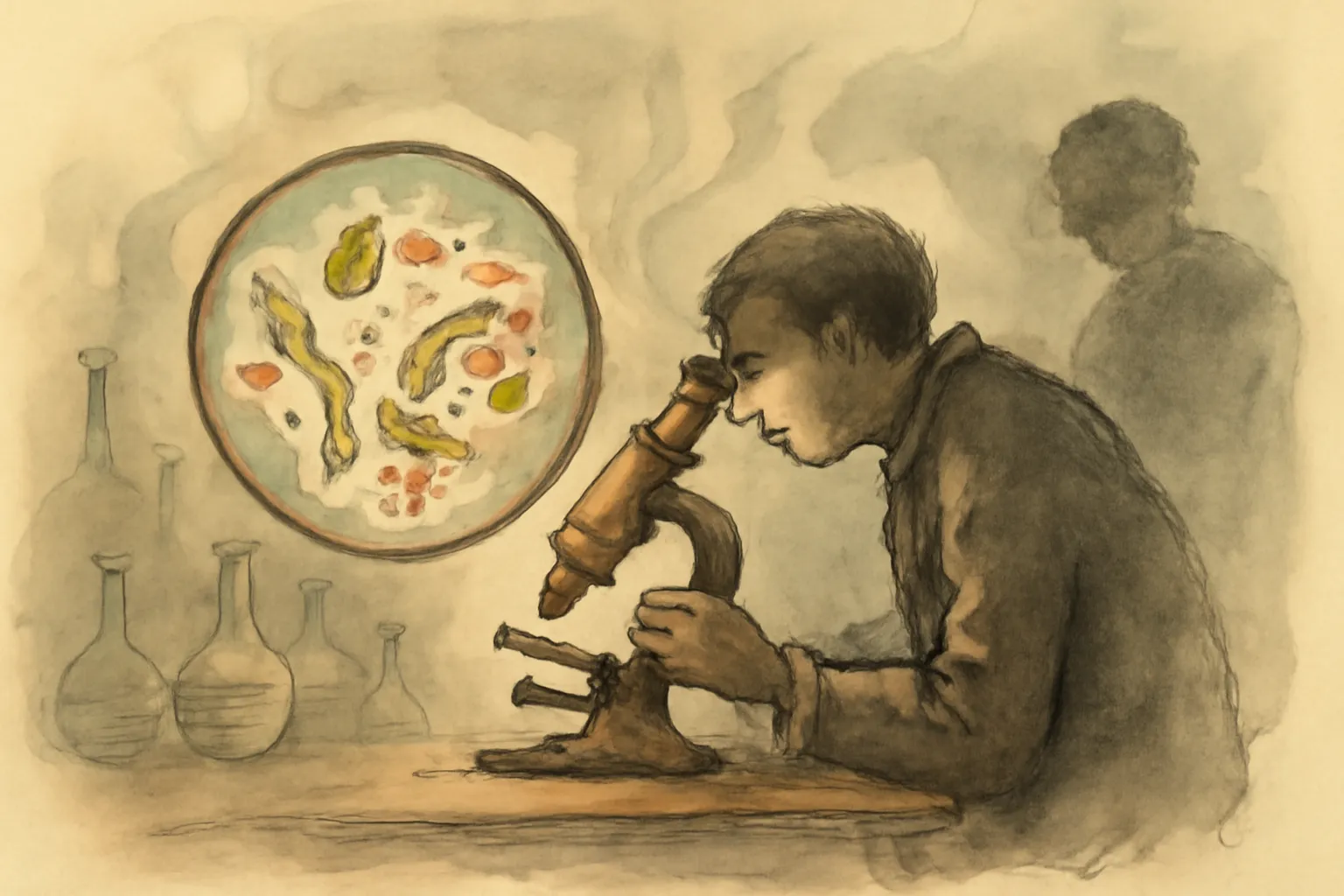
A recurring theme is the transformative power of careful observation. From Leeuwenhoek’s homemade microscopes to Pasteur’s meticulous experiments, the microbe hunters succeed because they notice what others overlook. Their willingness to question established beliefs and trust their own eyes is portrayed as the engine of progress. De Kruif highlights how breakthroughs often come not from grand theories, but from patient, sometimes obsessive attention to detail.
3.Battling Disease and Ignorance
The book underscores that the fight against microbes was also a battle against ignorance, tradition, and institutional inertia. Many of the scientists faced fierce opposition from peers, authorities, and the public, who clung to outdated ideas about disease. De Kruif shows how scientific truth often advances only after bitter struggle, and how the hunters’ courage in challenging dogma was as important as their technical skill.
4.Human Flaws and Rivalries
De Kruif does not shy away from the imperfections of his subjects. The microbe hunters are portrayed as passionate, sometimes arrogant, and prone to rivalry. Their egos and conflicts occasionally hindered progress, but also fueled their determination. This humanization adds depth, reminding readers that scientific heroes are not saints, but driven individuals with complex motivations.
5.The Legacy of Discovery
The book closes by reflecting on the lasting impact of these early discoveries. The ability to identify and combat microbes transformed public health, saving countless lives and reshaping society. De Kruif suggests that the spirit of the microbe hunters—curious, skeptical, and relentless—remains essential for ongoing scientific progress. Their stories serve as both a tribute and a call to future generations.