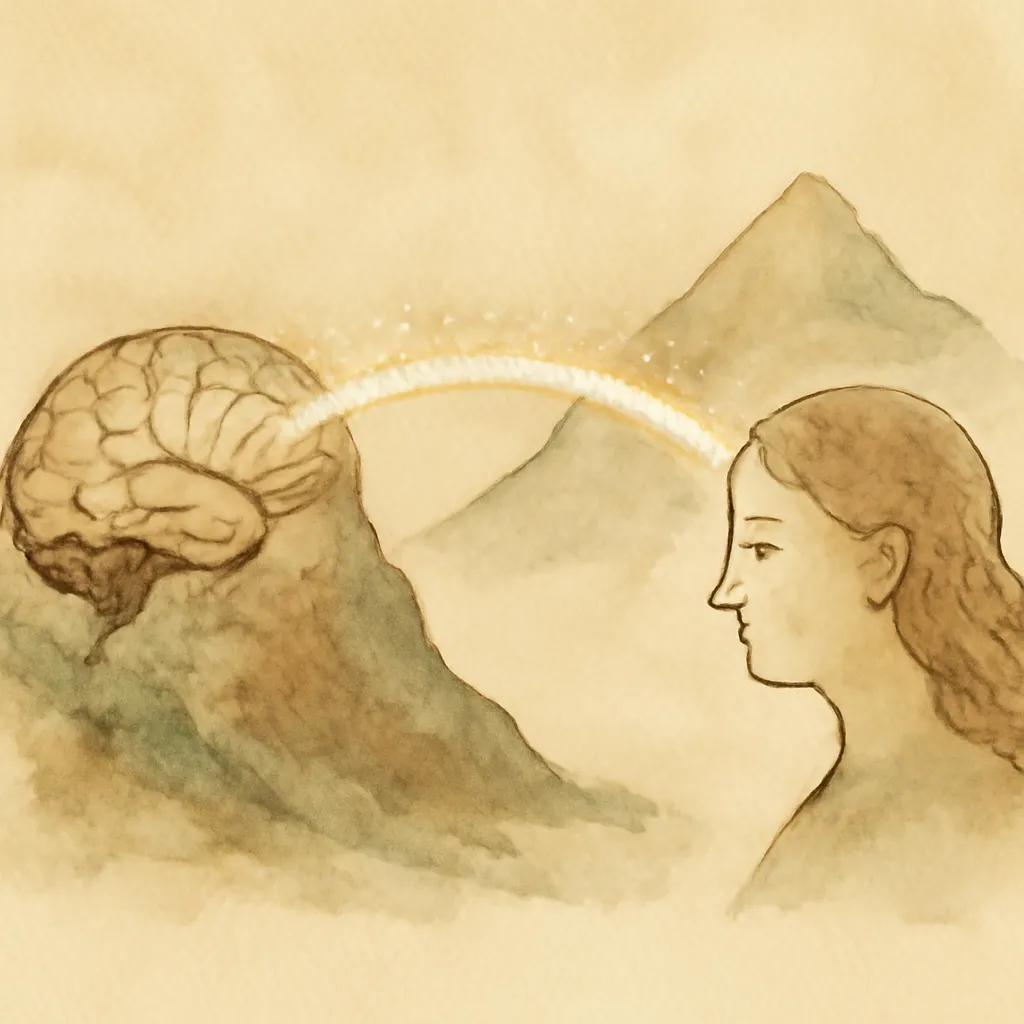
1.Neuroplasticity: The Brain Can Change Itself
A central theme of the book is neuroplasticity—the brain’s remarkable ability to reorganize itself by forming new neural connections throughout life. Schwartz presents compelling evidence from neuroscience showing that the brain is not a static machine, but a dynamic organ shaped by experience, learning, and, crucially, focused mental activity. This overturns the old view that the adult brain is largely unchangeable, opening up new possibilities for recovery from injury, overcoming compulsions, and personal transformation.
2.The Power of Mindful Attention
Schwartz argues that conscious, mindful attention is a force capable of changing the brain’s wiring. Drawing from his clinical work with patients suffering from obsessive-compulsive disorder (OCD), he demonstrates how deliberate mental effort—such as refocusing attention or practicing mindfulness—can weaken maladaptive neural circuits and strengthen healthier ones. This suggests that willpower and awareness are not just epiphenomena but active agents in brain change.
3.The Mind-Brain Duality Revisited
The book challenges strict materialist views that reduce mind to mere brain activity. Schwartz, informed by both neuroscience and philosophy, revives the debate about the relationship between mind and brain. He proposes a model he calls 'mental force,' where conscious intention exerts real, causal influence on neural processes. This perspective bridges science and spirituality, suggesting that subjective experience has genuine efficacy in the physical world.
4.Implications for Mental Health Treatment
Schwartz’s research with OCD patients illustrates practical applications of his ideas. By teaching patients to observe their compulsive urges as brain-based phenomena and to actively redirect their attention, he shows that individuals can rewire their own brains. This approach, which he terms 'self-directed neuroplasticity,' offers a hopeful alternative to purely pharmacological or deterministic models of mental illness.
5.Free Will and Responsibility
The book explores the philosophical and ethical implications of neuroplasticity. If the mind can change the brain, then individuals possess a degree of free will and responsibility for their actions and mental health. Schwartz contends that recognizing this capacity empowers people to take an active role in their own psychological well-being, countering the notion that we are merely victims of our biology.
6.Bridging Science and Spirituality
Schwartz’s work is notable for its willingness to engage with spiritual traditions, such as Buddhist mindfulness, and integrate them with rigorous neuroscience. He argues that practices developed for centuries to train the mind can now be understood as methods for harnessing neuroplasticity. This synthesis invites a broader, more holistic understanding of human consciousness and potential.