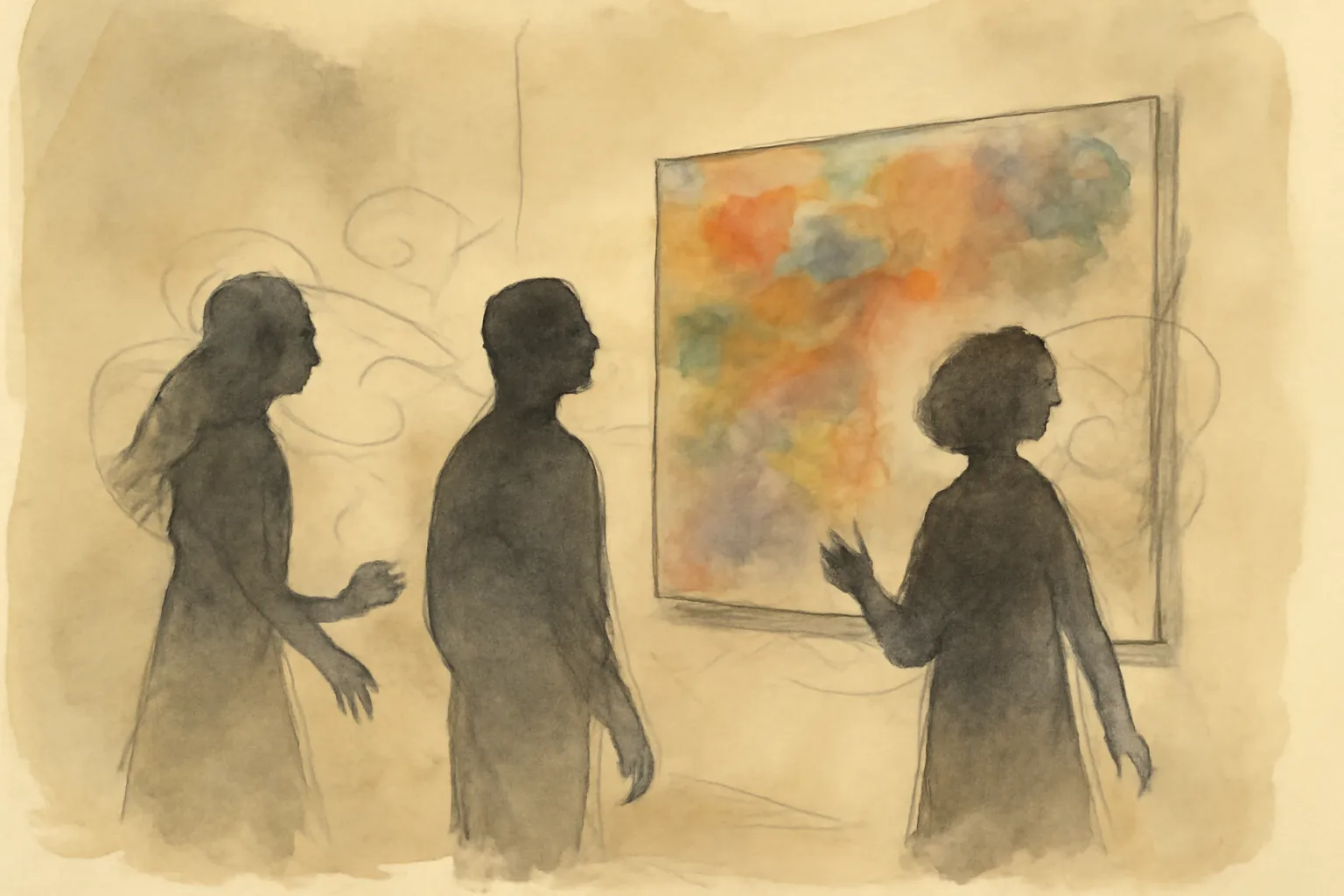
1.Vision Beyond Sight
Sacks demonstrates that 'seeing' is far more than the physical act of receiving images through the eyes. The book’s case studies reveal how perception is constructed by the brain, and how people with blindness or visual agnosias can still 'see' in other ways—through touch, memory, or imagination. Sacks argues that vision is as much about interpretation and meaning as it is about the eyes themselves, challenging readers to reconsider what it means to perceive the world.
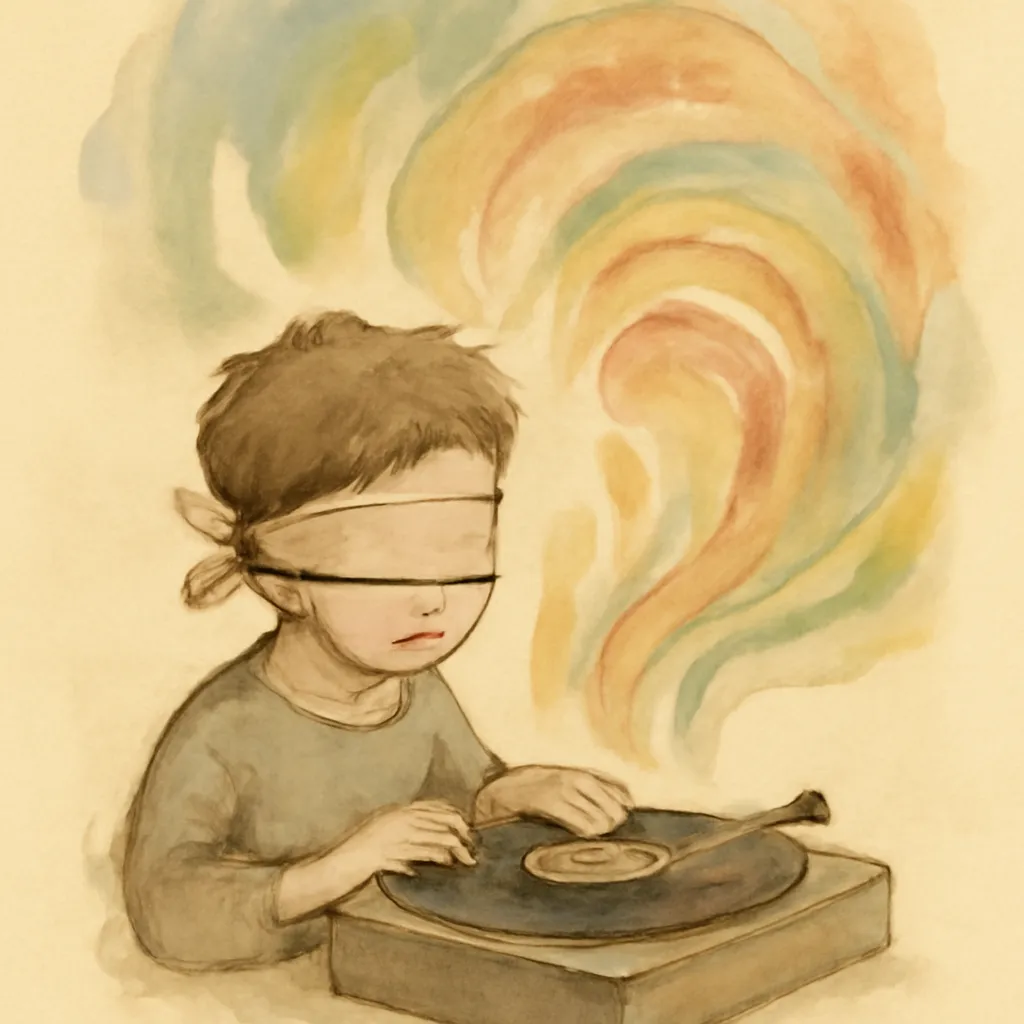
2.The Brain’s Adaptability
A central theme is neuroplasticity—the brain’s remarkable ability to adapt to loss or change. Sacks details how patients compensate for visual deficits, sometimes developing heightened abilities in other senses or finding new ways to communicate and navigate. These stories underscore the resilience of the human mind and its capacity to find new pathways when old ones are blocked.
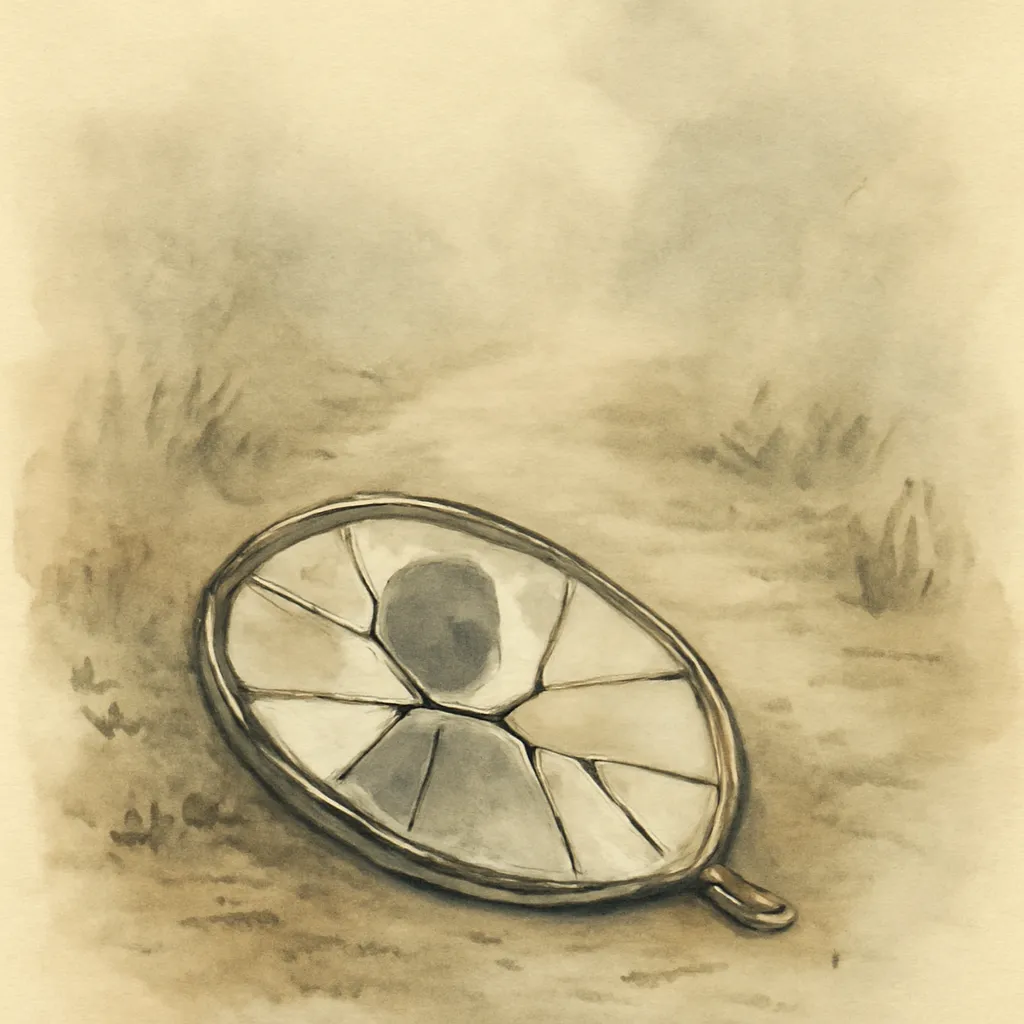
3.Identity and Selfhood Under Threat
Losing or altering a sense as fundamental as vision can threaten one’s sense of self. Sacks explores how patients grapple with changes to their autonomy, relationships, and self-image. The narrative is empathetic but unflinching, showing both the psychological toll and the creative ways people reconstruct their identities in the face of neurological upheaval.
4.Language, Communication, and Connection
Several cases highlight the intricate relationship between vision, language, and communication. For some, visual impairment disrupts reading, writing, or facial recognition, posing profound challenges to social interaction. Sacks delves into how patients find alternative means of connecting, revealing the deep human drive for communication and understanding.
5.Sacks’s Personal Journey
Unusually, Sacks includes his own experience with ocular melanoma, offering a first-person perspective on the anxieties, adaptations, and philosophical questions raised by vision loss. This personal element brings immediacy and vulnerability to the narrative, bridging the gap between doctor and patient and underscoring the universality of neurological fragility.
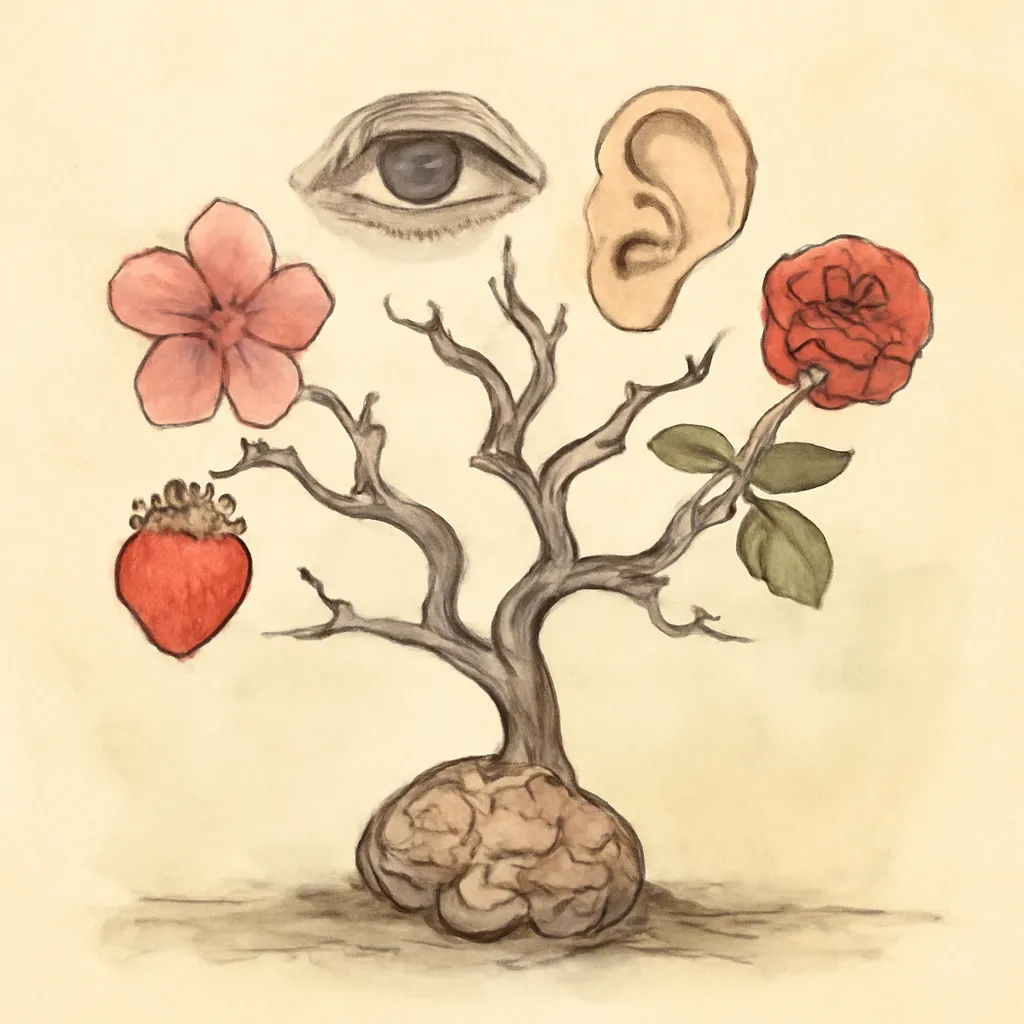
6.The Limits and Wonders of Medical Science
While Sacks celebrates the advances of neurology, he is keenly aware of its limits. The book acknowledges that science can explain mechanisms but not always meaning or subjective experience. Sacks advocates for a holistic approach that values patients’ stories and inner lives as much as clinical data.