1.Transformation Through Travel
The book chronicles Guevara’s journey with his friend Alberto Granado, revealing how exposure to poverty, illness, and inequality across Latin America profoundly altered his worldview. What begins as a youthful adventure gradually becomes an eye-opening encounter with the continent’s marginalized peoples. The narrative captures how travel can be a catalyst for empathy, self-discovery, and a sense of purpose beyond personal ambition.
2.Witnessing Social Injustice
Guevara’s diary is filled with firsthand observations of exploitation, discrimination, and hardship faced by indigenous people, workers, and leprosy patients. His medical background gives him a unique lens to see both the physical and social ailments afflicting the continent. These experiences sow the seeds of his later revolutionary ideology, as he comes to see injustice not as isolated incidents but as systemic problems demanding action.
3.Solidarity and Human Connection
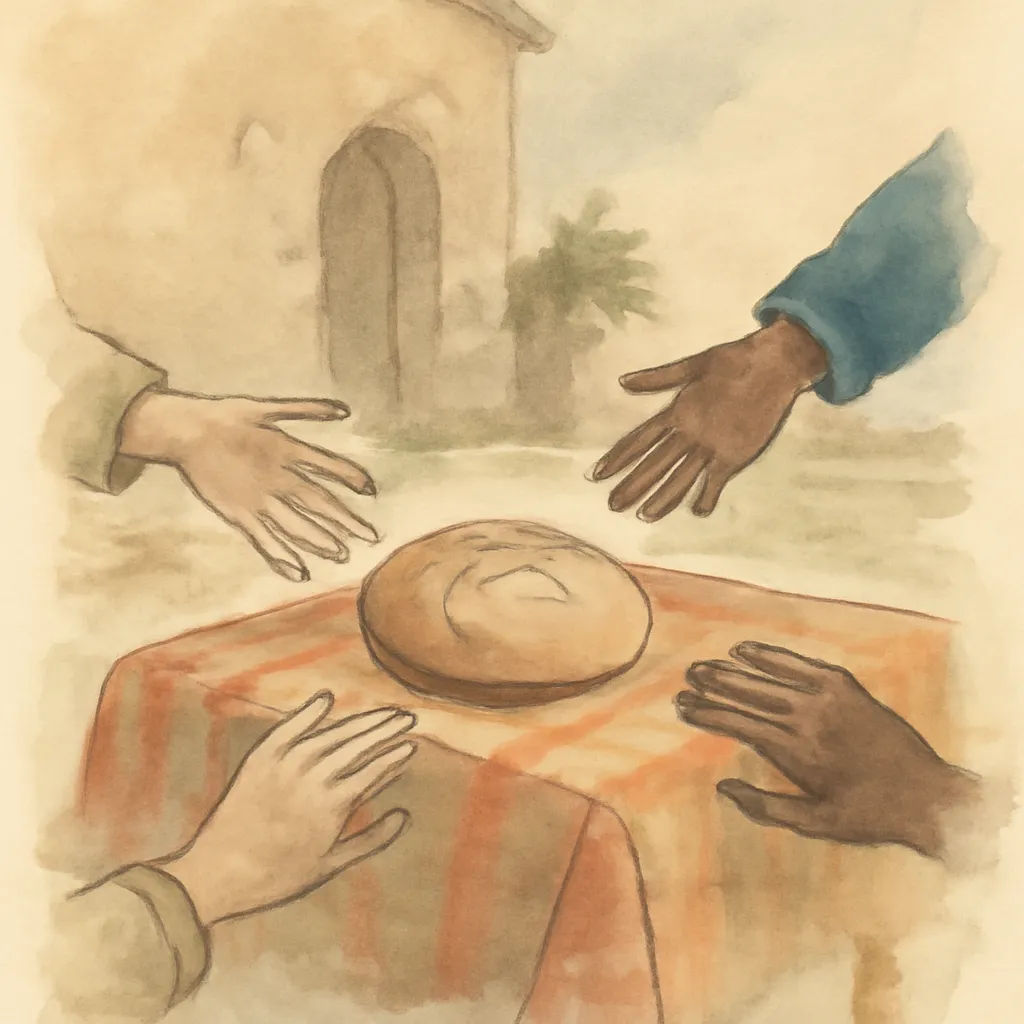
Despite language barriers and cultural differences, Guevara and Granado form deep bonds with the people they meet. The narrative highlights moments of solidarity—sharing food, stories, and laughter—that transcend social divides. These encounters foster a sense of pan-Latin American identity and a belief in the possibility of unity among the oppressed.
4.The Search for Identity and Purpose
Throughout the journey, Guevara grapples with questions about his own identity, values, and future. The diary is as much an internal journey as a physical one, filled with reflections on what it means to live authentically and to dedicate oneself to a cause greater than personal comfort. This search for meaning is relatable to readers at any stage of life.
5.Nature, Adventure, and the Spirit of Youth
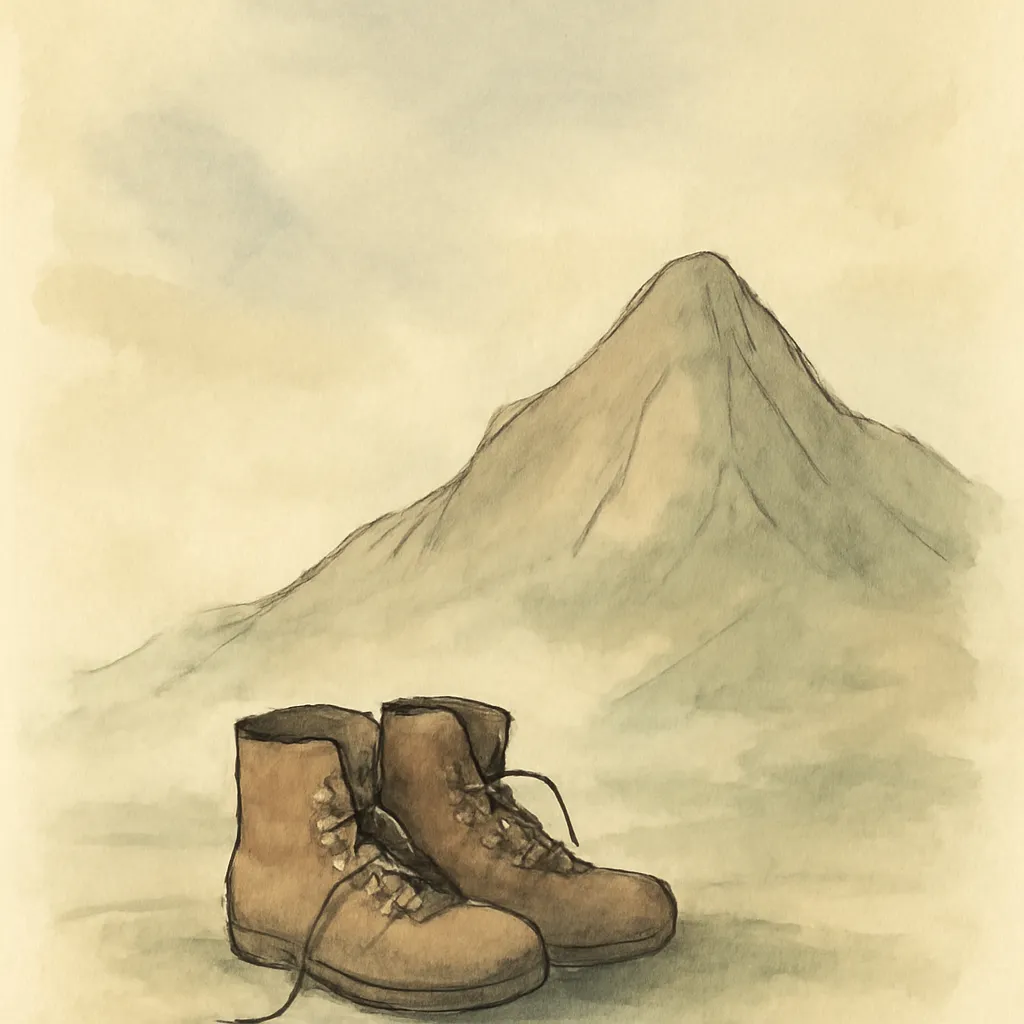
The book is infused with the exuberance of youth—motorcycle mishaps, breathtaking landscapes, and the thrill of the unknown. Guevara’s vivid descriptions of mountains, rivers, and people celebrate the beauty and diversity of South America. This adventurous spirit makes the narrative engaging even as it tackles weighty themes.
6.The Seeds of Revolution
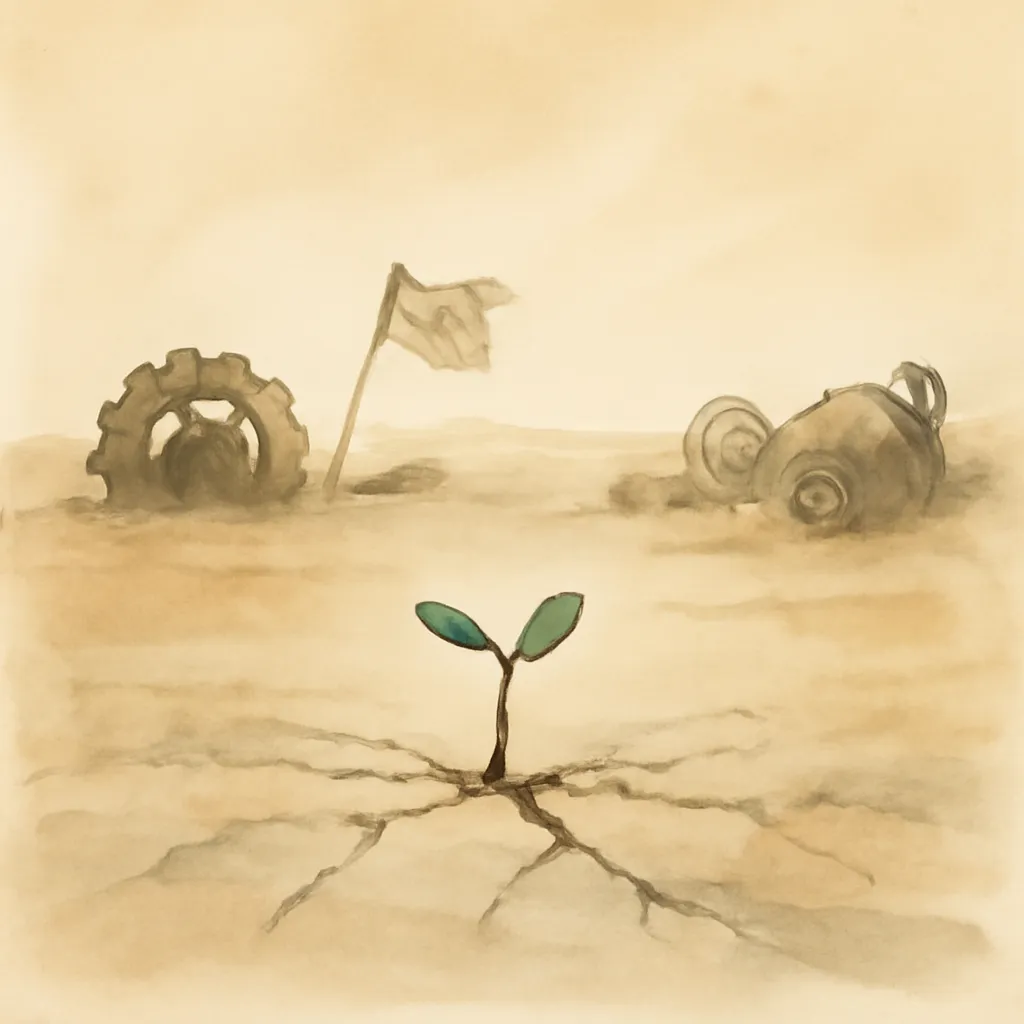
While not a political manifesto, the diary foreshadows Guevara’s later role as a revolutionary. His growing outrage at injustice and his reflections on the need for change hint at the ideological transformation underway. Readers witness the formation of a conscience that would later drive major historical events.