1.The Hidden Architecture of Capital
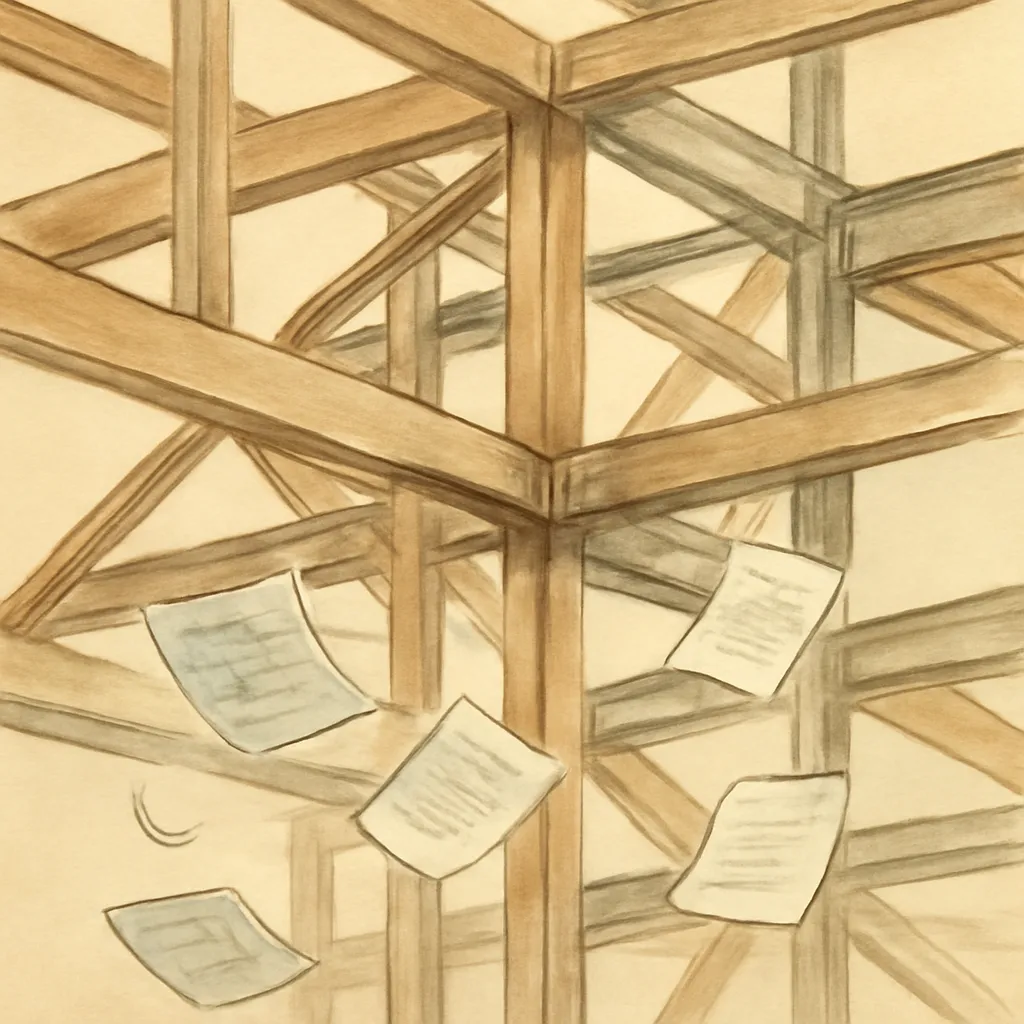
De Soto contends that capital is not simply money or physical assets, but a social construct enabled by formal property systems. In the West, legal frameworks transform assets into capital by making them visible, transferable, and usable as collateral. This 'invisible infrastructure' allows individuals to leverage their resources, fueling entrepreneurship and investment. Where this infrastructure is missing or dysfunctional, assets remain 'dead capital,' unable to generate wealth.
2.The Extralegal Majority
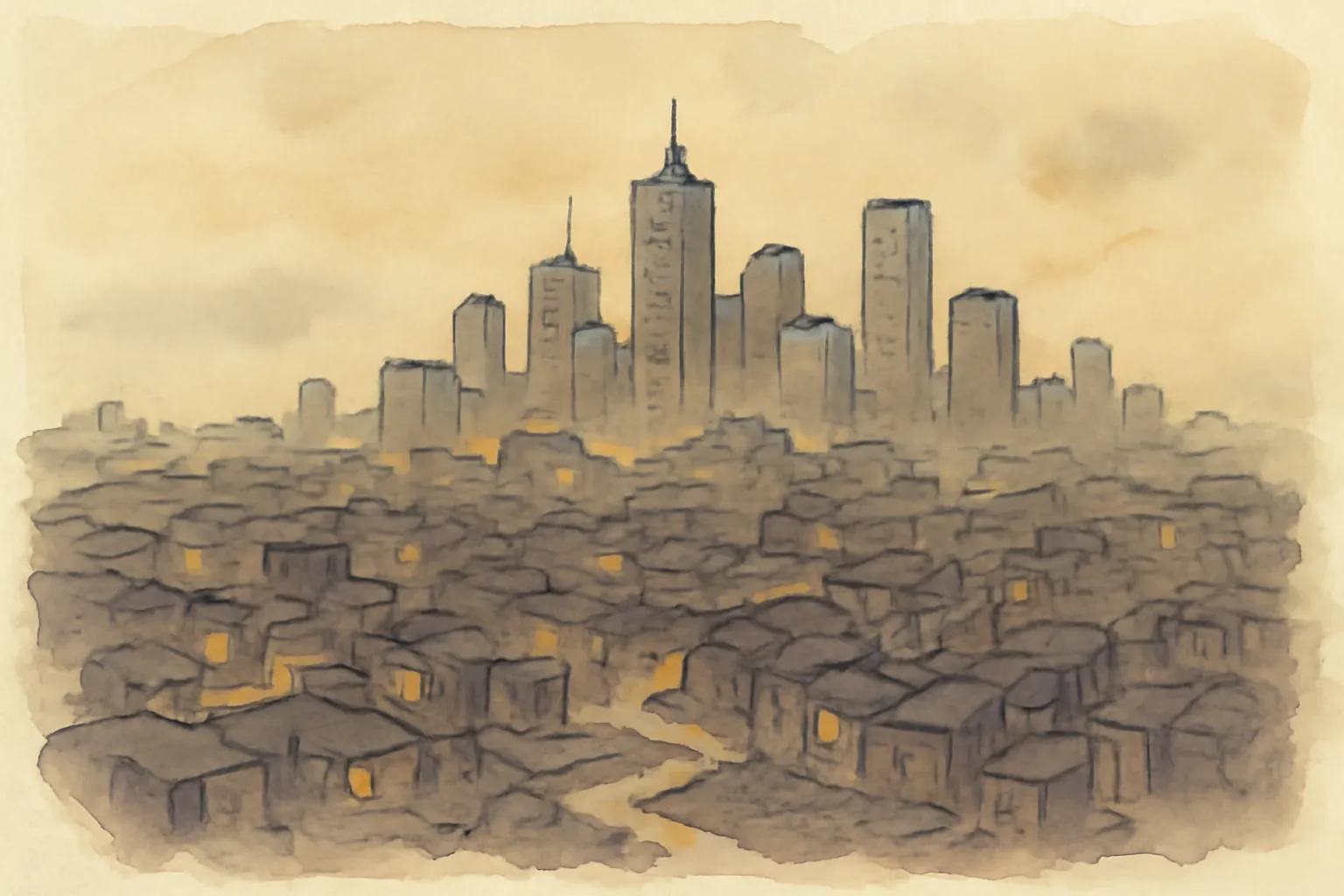
A central insight of the book is that most people in developing countries possess assets—homes, businesses, land—but lack legal title. These assets exist in a legal twilight, outside the formal system. De Soto documents how the majority of the world’s population operates in this extralegal sector, unable to access credit or formal markets, which perpetuates poverty and stifles growth.
3.The Importance of Property Rights
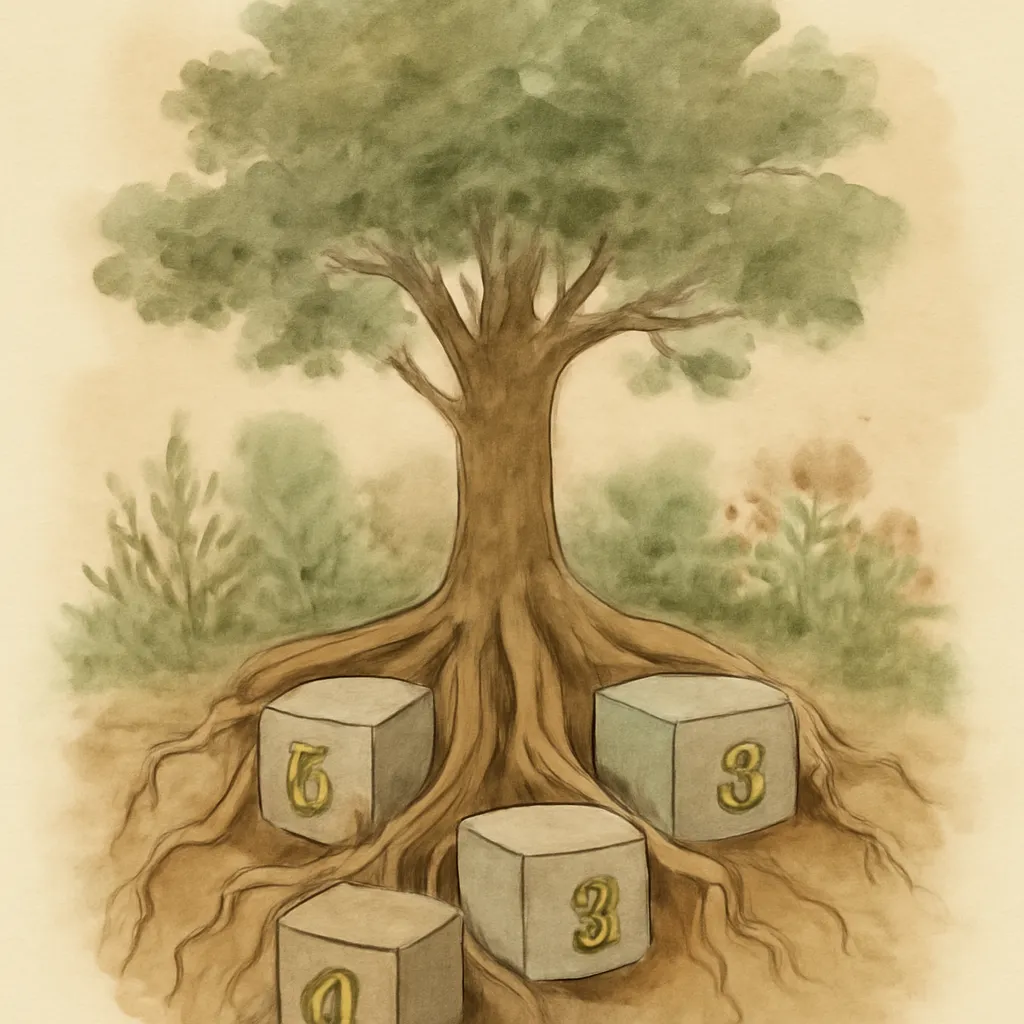
De Soto argues that secure, standardized, and accessible property rights are the foundation of a functioning capitalist economy. Property rights make it possible to record, value, and trade assets, enabling trust and investment. Without them, economic activity is limited to informal, often precarious arrangements, and the benefits of capitalism remain out of reach for millions.
4.Why Formalization Fails
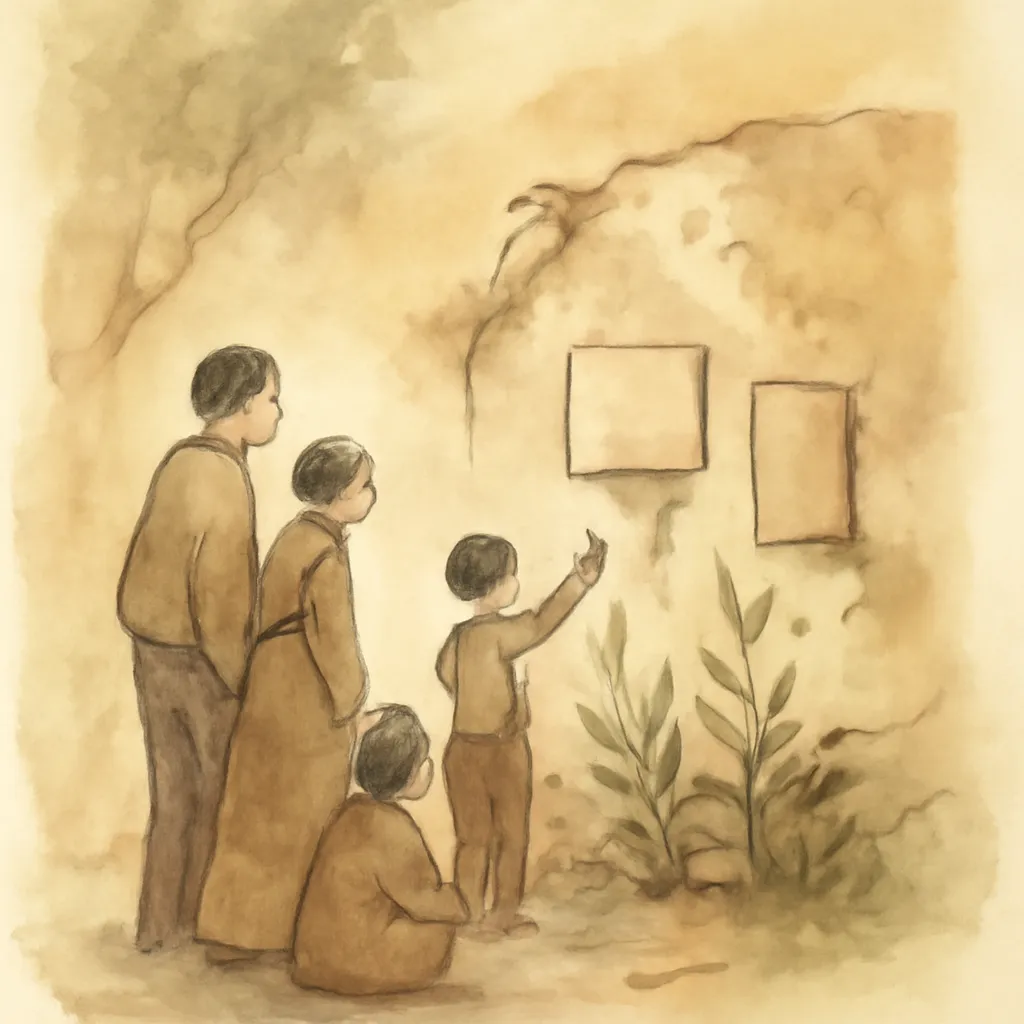
The book explores why attempts to formalize property in developing countries often fail. De Soto points to bureaucratic barriers, corruption, and legal complexity that make it nearly impossible for ordinary people to obtain legal recognition of their assets. He argues for simplifying and adapting legal systems to reflect how people actually use and transfer property on the ground.
5.A Blueprint for Reform
De Soto offers a practical roadmap for integrating extralegal assets into the formal economy. He advocates for legal reforms that recognize existing informal arrangements, reduce red tape, and build property systems that are transparent, accessible, and enforceable. The goal is to unlock the vast potential of 'dead capital' and empower the poor to participate fully in economic life.
6.Challenging Conventional Wisdom
By shifting the focus from aid, culture, or macroeconomic policy to the micro-level of property rights, de Soto challenges many prevailing assumptions about development. He insists that the West’s prosperity is not a cultural accident, but the result of painstakingly built legal frameworks that other countries can emulate with the right reforms.