1.The Locked Room: An Iconic Mystery Setting
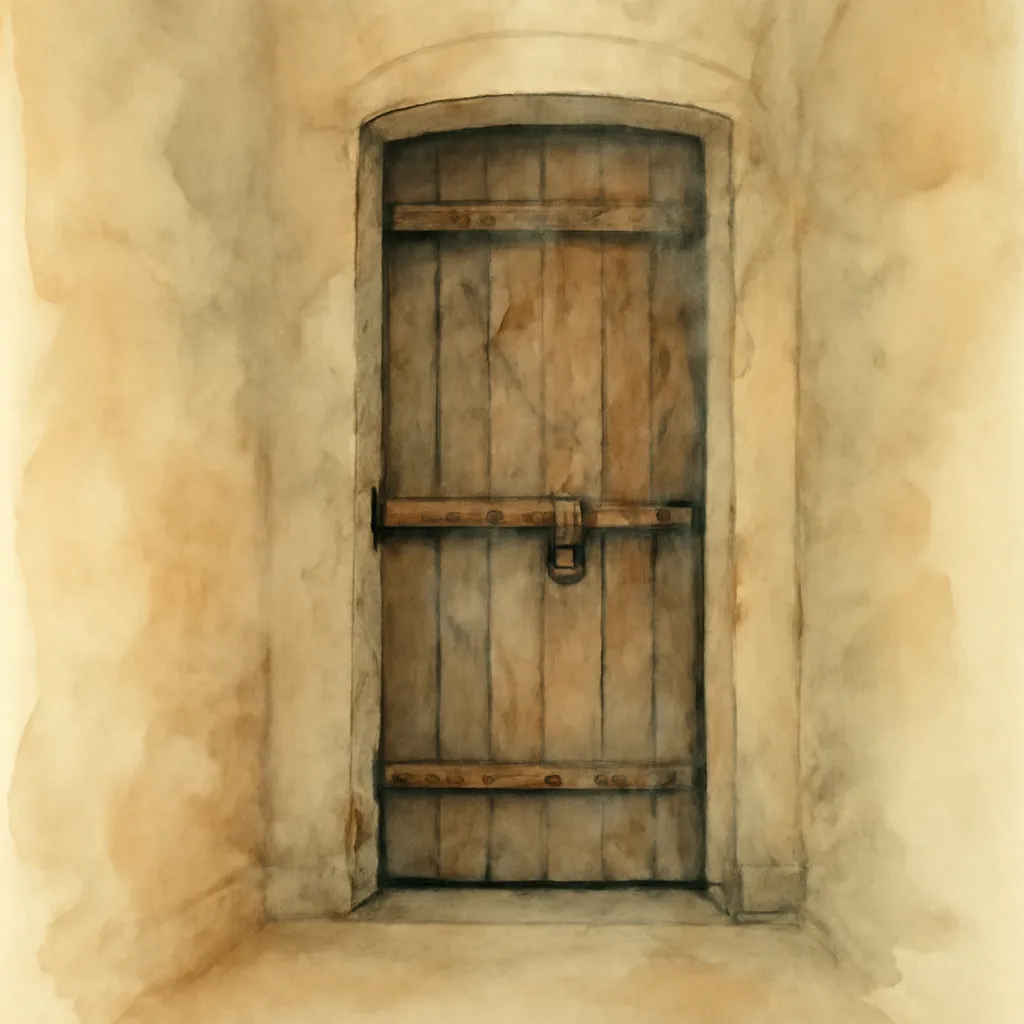
The essence of The Yellow Room lies in its iconic locked room mystery, a trope that captivates audiences due to its inherent complexity and intrigue. The crime occurs within a seemingly impenetrable space where the victim, Mademoiselle Stangerson, is attacked while alone, and her assailant mysteriously vanishes without a trace. This setting raises numerous questions about the mechanics of the crime—how could someone enter and exit a locked room without being detected? The locked room serves not only as a façade for the crime but also as a metaphorical barrier to understanding the deeper truths hidden within human relationships and emotions. Leroux's choice to center the mystery around a locked room heightens the narrative tension, forcing both characters and readers to confront the limits of their understanding. The interplay of isolation and danger within this particular setting amplifies the stakes, emphasizing the theme that true understanding often lies beyond the surface and requires deeper investigation.
2.Joseph Rouletabille: The Reluctant Prodigy

Joseph Rouletabille serves as the protagonist and embodies the archetypal detective whose keen intellect and youthful exuberance set him apart from others. Introduced as a mere reporter, his brilliance is evident through his unconventional methods, which often blend intuition with keen observation. Rouletabille’s youth, paired with his determination, presents a refreshing contrast to the more established figures within the narrative, such as the police and magistrates who struggle to make sense of events. His character is marked by an insatiable curiosity that drives him to seek out the truth, regardless of the risks involved. A noteworthy example of his unique talents is seen when he first investigates the crime scene, noticing details that others overlook, such as the positioning of items within the room and the nature of the physical evidence. This showcases not only his perceptive abilities but also his willingness to think outside traditional investigative norms, making him a relatable and engaging protagonist whose journey resonates with readers as they navigate the mystery alongside him.
3.The Château du Glandier: A Character in Its Own Right
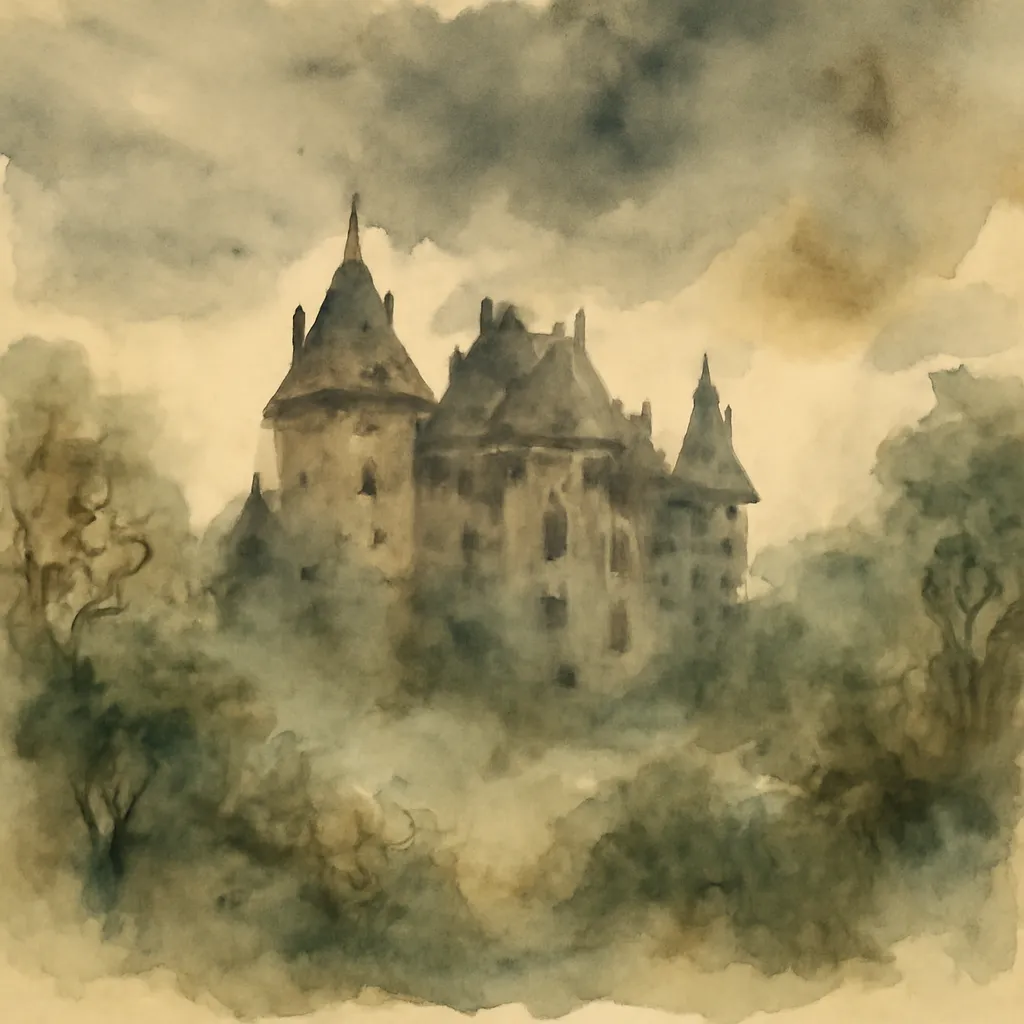
The setting of the Château du Glandier is crucial to the development of The Mystery of the Yellow Room. This ancient structure, rich in history and shrouded in an eerie atmosphere, creates an ideal backdrop for the unfolding drama. The crumbling walls and hidden corners of the château evoke a sense of foreboding that parallels the mystery at hand. Leroux’s detailed descriptions of the château, with its layers of architectural evolution and the weight of its past, serve to immerse the reader in a world where secrets are buried deep beneath the surface. The isolation of the château intensifies the drama, as characters grapple with their fears and motivations in a space that seems to echo their inner turmoil. The setting not only enhances the tension but also acts as a mirror reflecting the characters' emotional states, illustrating how the environment can shape human behavior and perception. This interaction between setting and character deepens the narrative, allowing readers to feel the weight of history and the significance of place in the quest for truth.
4.The Intersection of Science and Mystery

A significant theme in The Mystery of the Yellow Room is the intersection of science and mystery, particularly in how Rouletabille employs rational thinking alongside the mysterious elements of the case. The novel reflects the early 20th-century fascination with scientific inquiry while also acknowledging the limitations of empirical evidence when confronted with human emotion and psychology. Rouletabille’s methods are methodical; he examines evidence and interviews witnesses with a level of precision that reflects his scientific mindset. However, he also recognizes that human behavior cannot always be quantified or understood through logic alone. For instance, the emotional responses of Mademoiselle Stangerson and her father complicate the investigation, demonstrating how feelings can cloud judgment and obscure the truth. Leroux skillfully navigates this tension, inviting readers to contemplate the dual nature of reality—where the scientific and the inexplicable coexist, challenging the notion that all mysteries can be solved through reason alone.
5.Narrative Pace and Suspense Building

Leroux expertly constructs suspense throughout The Mystery of the Yellow Room, employing various narrative techniques that keep readers engaged. The pacing of the story is deliberate, with carefully placed revelations and cliffhangers that heighten the tension. Key moments of discovery are interspersed with periods of reflection, allowing readers to process information while remaining on edge. The use of dialogue and dramatic encounters also contributes to the buildup of suspense; conversations between characters are laden with subtext and unspoken tension that adds depth to the narrative. For example, Rouletabille’s sharp exchanges with Monsieur de Marquet and other authorities illustrate the frustration of navigating bureaucracy while trying to solve a crime. This dynamic creates a rhythm that propels the story forward, making the reader feel the urgency of the investigation. The combination of pacing, dialogue, and unexpected plot twists culminates in a thrilling experience that underscores the excitement of unraveling a complex mystery.
6.Trust and Betrayal: The Interpersonal Drama
The relationships between characters in The Mystery of the Yellow Room are imbued with tension, underscoring themes of trust and betrayal. Rouletabille's interactions with key figures, including Mademoiselle Stangerson, her father, and Robert Darzac, reveal the intricacies of human emotion and the impact of secrets on relationships. As the investigation unfolds, it becomes clear that no one is entirely trustworthy; each character harbors their own motives and fears. For instance, Darzac's apparent devotion to Stangerson is complicated by his own past and hidden emotions, creating a layer of ambiguity around his character. The mistrust that permeates these relationships reflects the broader theme of how trauma and fear can fracture bonds, prompting readers to question the reliability of appearances. This exploration of trust and betrayal adds depth to the narrative, making it not just a crime story but a poignant examination of human connection and the complexities of love and loyalty.
7.Symbolism and the Yellow Room's Significance

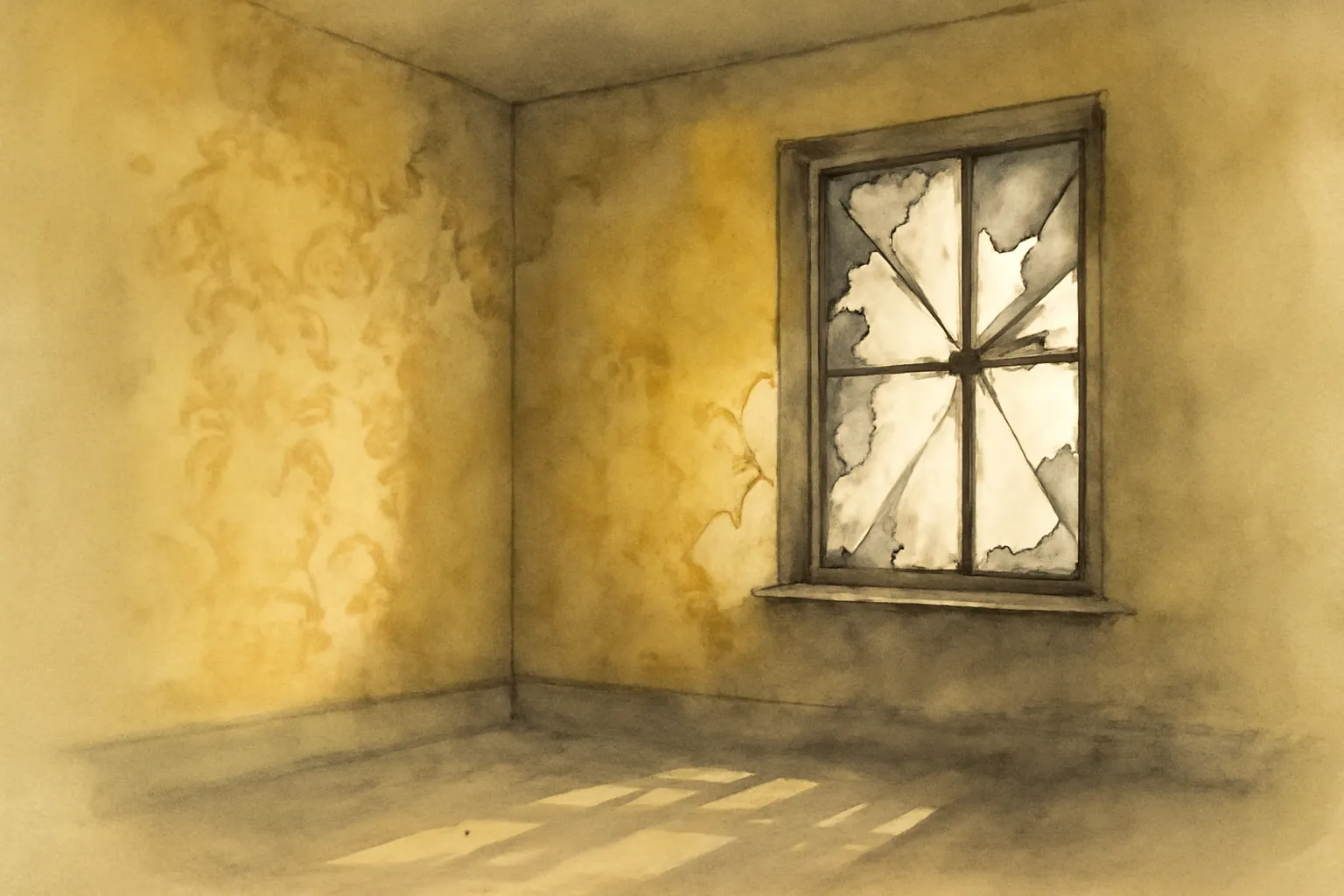
The Yellow Room itself serves as a powerful symbol within the narrative, representing not only the mystery at its core but also the complexities of human nature. Initially, the room is a site of horror and violence, where the attack occurs, but as the story progresses, it transforms into a focal point for revelation and understanding. The bright yellow of the room contrasts starkly with the dark events that transpire there, suggesting a deeper connection between beauty and danger. This duality reflects the characters' inner struggles, as they navigate their own fears and desires. The room's isolation also symbolizes the barriers to communication and understanding that exist in human relationships, emphasizing the theme that truth is often hidden beneath layers of perception and emotion. By exploring the significance of the Yellow Room, Leroux invites readers to reflect on their own experiences with mystery and the complexity of human existence.
8.The Role of Observation: A Lesson in Deduction

Observation and deduction stand as central tenets in Rouletabille's investigative process, highlighting the importance of keen perception in solving mysteries. Throughout the narrative, Rouletabille demonstrates that details often overlooked by others can be critical in unraveling the truth. His initial examination of the crime scene showcases his unique ability to connect seemingly unrelated pieces of evidence, transforming chaos into clarity. For instance, his attention to the positioning of furniture and the nature of physical traces left behind illustrates the significance of forensic observation in crime-solving. Leroux encourages readers to engage with this process of deduction, prompting them to think critically and analyze the information presented. The emphasis on observation serves not only to advance the plot but also to engage readers in an intellectual exercise, inviting them to mirror Rouletabille's deductive reasoning as they delve deeper into the mystery.
9.Perception and Its Unreliable Nature

Another key theme in The Mystery of the Yellow Room is the unreliable nature of perception and its impact on understanding reality. Characters' interpretations of events are often clouded by their emotions, biases, and past experiences, leading to misunderstandings and misjudgments. Rouletabille's journey to uncover the truth is as much about navigating these distortions of perception as it is about solving the crime itself. This theme resonates with readers, prompting them to reflect on how personal experiences shape their own understanding of the world. Leroux skillfully illustrates that truth is often subjective, as characters grapple with their conflicting perceptions of events. The exploration of perception challenges readers to question their assumptions and encourages a deeper examination of how much of what we see and believe is influenced by our own narratives. This complexity of perception adds layers to the mystery, enhancing the overall intrigue of the story.
10.The Climactic Revelation: Twists and Turns
The conclusion of The Mystery of the Yellow Room delivers a climactic revelation that recontextualizes the entire narrative, challenging readers to reconsider their assumptions throughout the story. As Rouletabille pieces together the final elements of the mystery, the shocking truth emerges, underscoring the intricacies of human motivation and behavior. This moment of revelation not only resolves the central mystery but also sheds light on the characters’ relationships, revealing how deeply hidden truths can affect their lives. Leroux's ability to craft a satisfying yet unexpected resolution speaks to his skill as a storyteller, leaving readers with a sense of closure while also encouraging them to contemplate the broader themes presented in the novel. The twist serves as a reminder that the most profound mysteries often lie beneath the surface, waiting to be uncovered through patience, observation, and insight.