1.The Nature of Storytelling and Truth
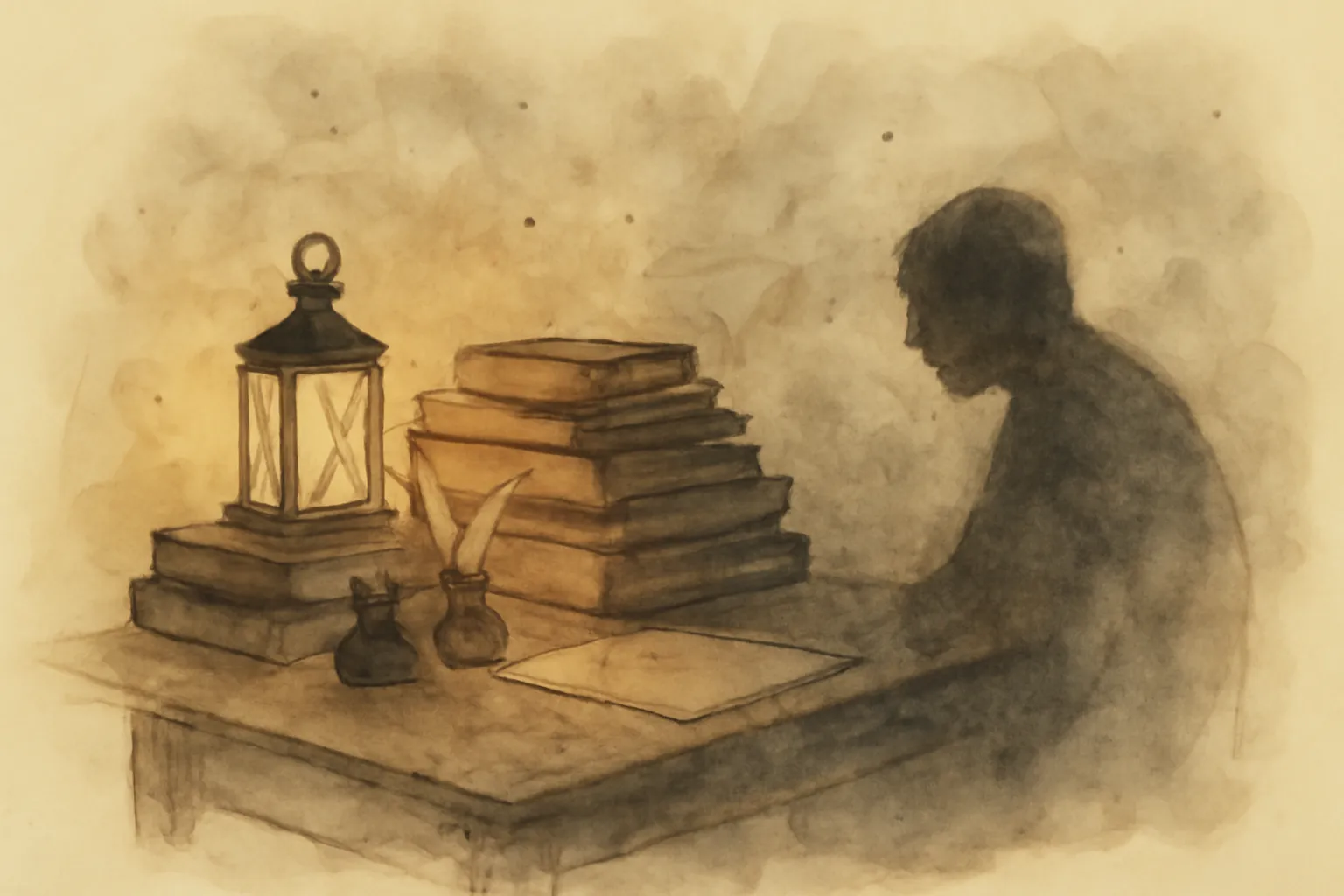
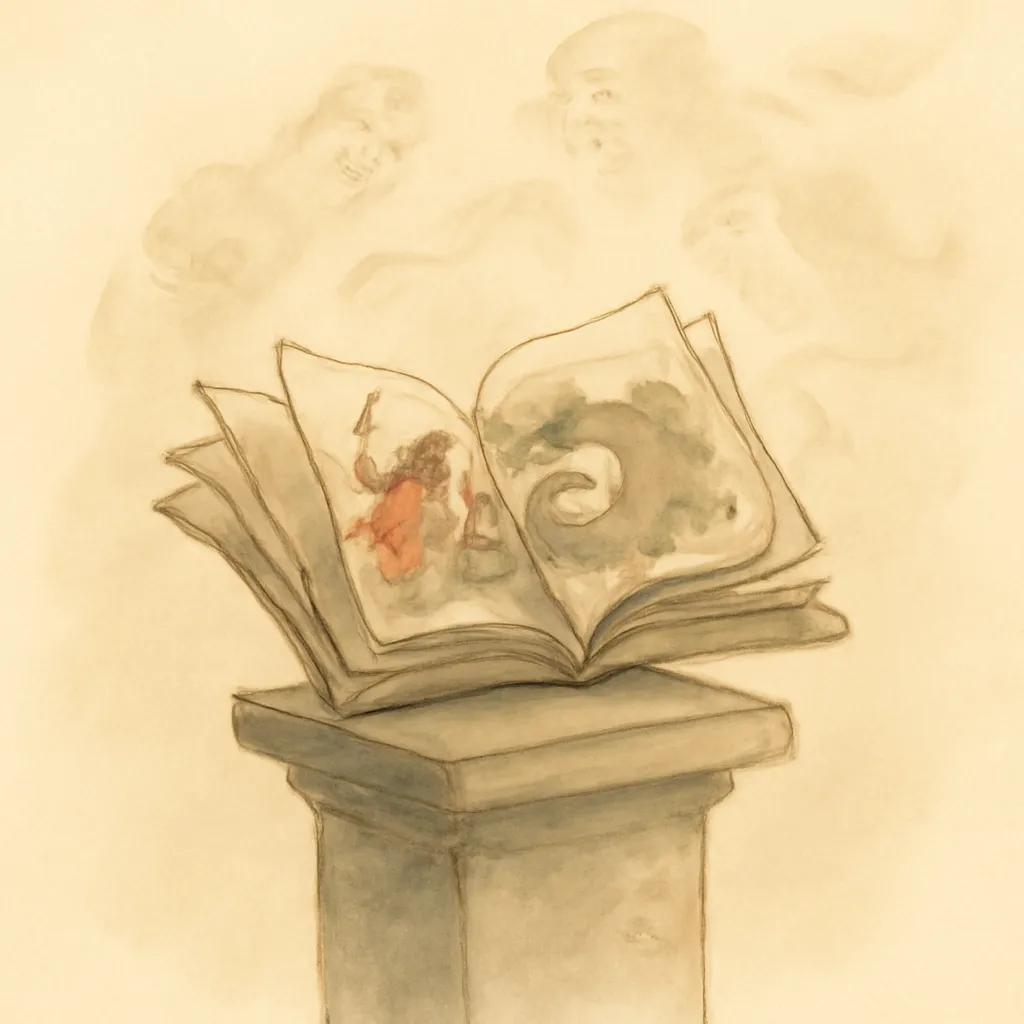
At its core, The Name of the Wind is a meditation on how stories are shaped, remembered, and retold. Kvothe’s narrative is self-aware; he is both the subject and the author of his legend. The book explores the gap between myth and reality, highlighting how reputation, rumor, and personal narrative can obscure or amplify the truth. This meta-narrative invites readers to question the reliability of stories—both within the book and in the world at large.
2.The Power and Cost of Knowledge
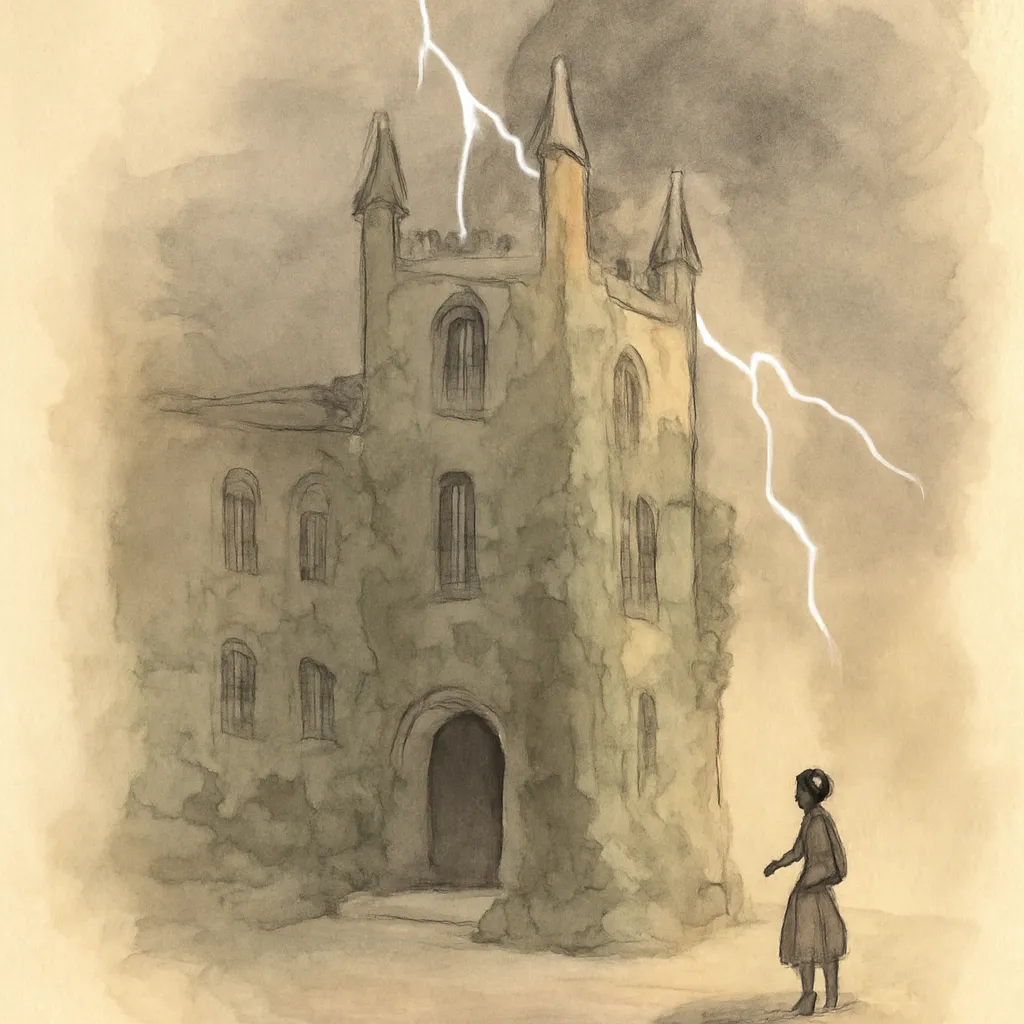
Kvothe’s relentless pursuit of knowledge—whether magical, musical, or scholarly—drives much of the plot. The University, with its arcane disciplines and dangerous secrets, symbolizes both opportunity and peril. The novel delves into the sacrifices and risks inherent in seeking understanding, suggesting that wisdom often comes at a personal cost. Knowledge is portrayed as both empowering and isolating, shaping Kvothe’s identity and destiny.
3.Identity and Self-Creation
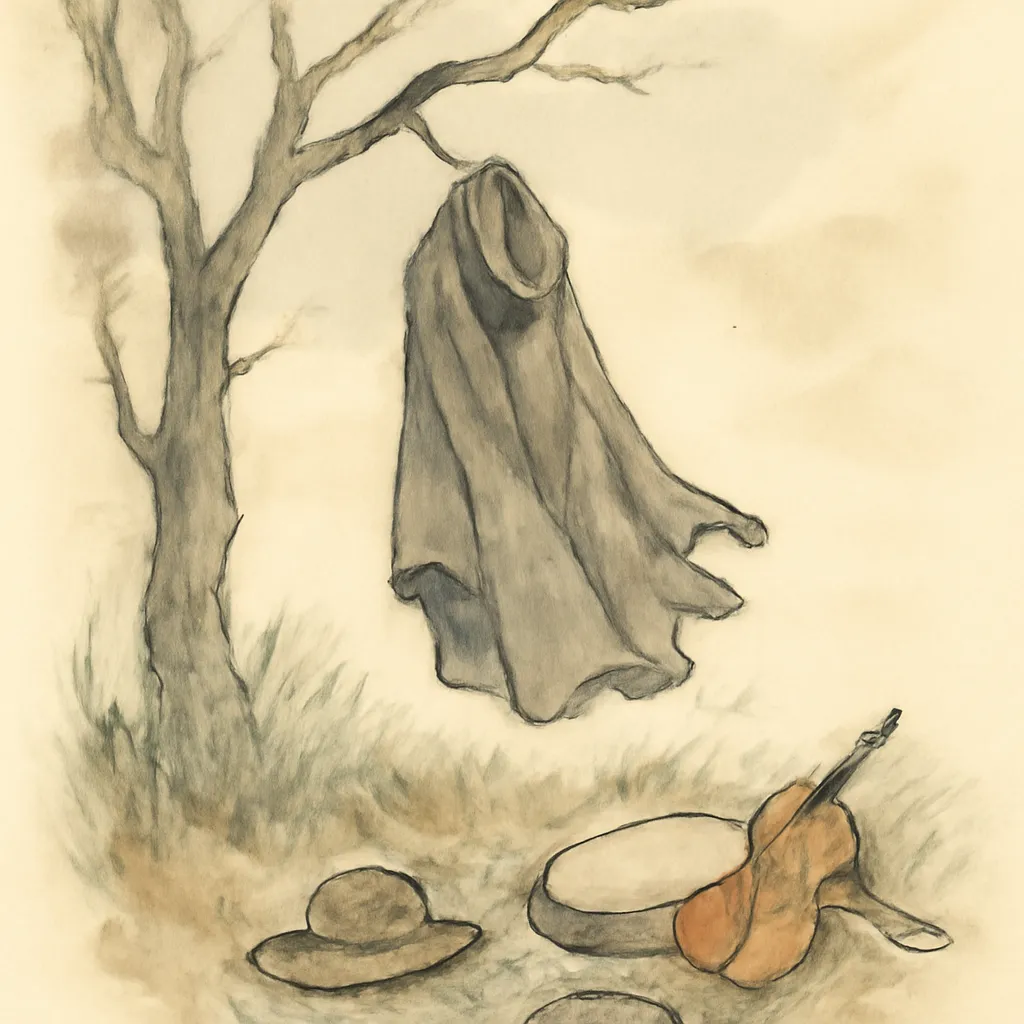
Rothfuss’s protagonist is constantly reinventing himself: from a gifted child in a traveling troupe, to a streetwise orphan, to a prodigious student. The book examines how identity is forged through adversity, talent, and the stories we tell about ourselves. Kvothe’s journey is as much about self-discovery as it is about external achievement, raising questions about authenticity and the masks we wear.
4.The Lyrical Magic of Language
Magic in Rothfuss’s world is as much about words and names as it is about power. The concept of 'naming'—knowing the true name of things—underscores the importance of language, intent, and understanding. This system of magic is deeply intertwined with the novel’s poetic style, reinforcing the idea that words themselves can shape reality.
5.Poverty, Trauma, and Resilience
Kvothe’s early life is marked by loss, poverty, and trauma, which profoundly influence his worldview. The narrative does not shy away from depicting hardship, but it also emphasizes resilience, resourcefulness, and the will to survive. These experiences ground the story, making Kvothe’s later achievements feel hard-won and deeply personal.
6.Ambiguity of Heroism
The book deconstructs the traditional fantasy hero. Kvothe is brilliant and charismatic, but also flawed, impulsive, and often his own worst enemy. Rothfuss challenges the reader to question what makes a hero: is it deeds, intentions, or the stories told about them? The ambiguity surrounding Kvothe’s legend is a central tension, making him a more human and relatable protagonist.