1.A Radical Reassessment of Neanderthals
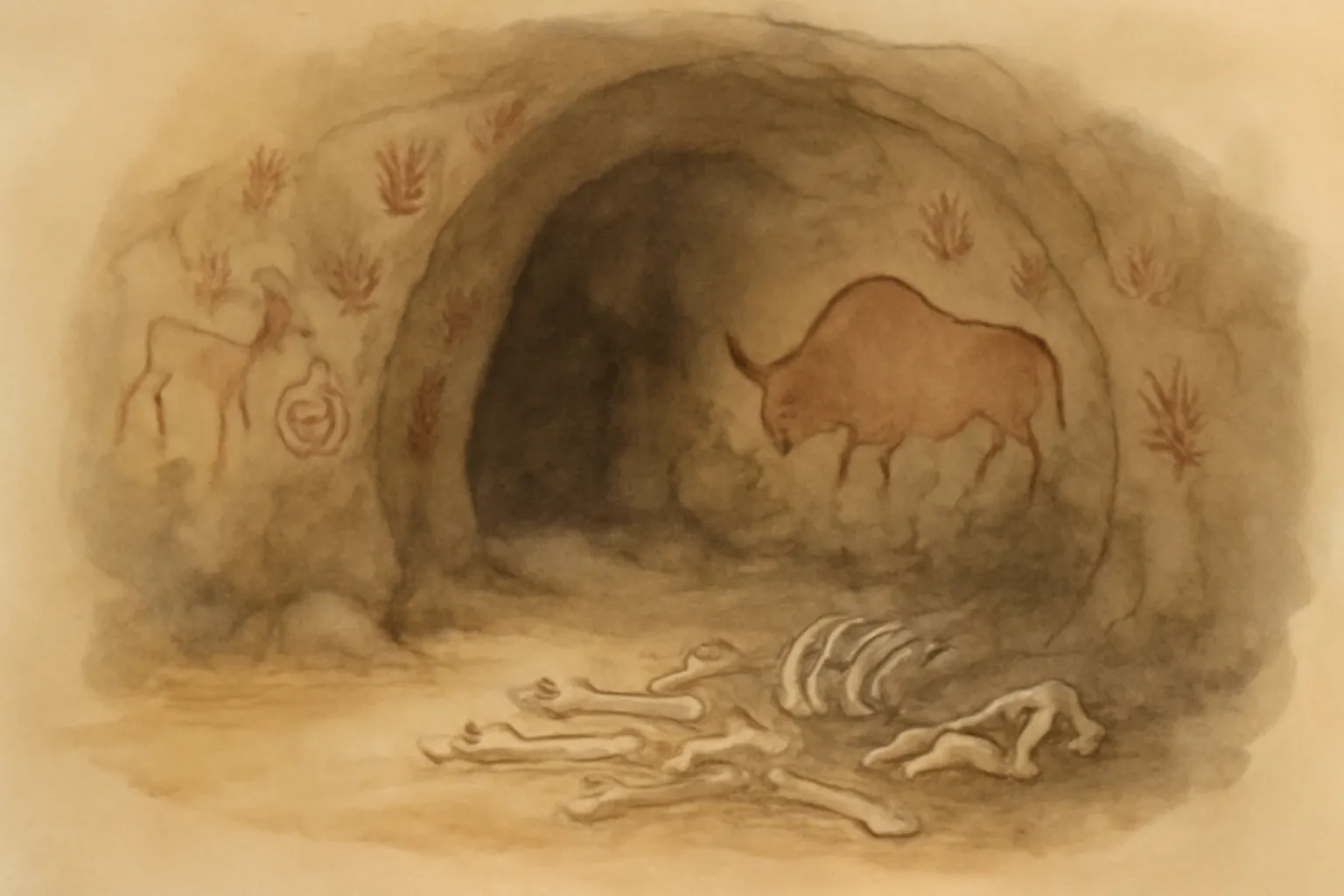
Papagianni and Morse challenge the outdated stereotype of Neanderthals as dim-witted and primitive. Drawing on recent archaeological and genetic evidence, they reveal a species capable of complex behaviors: burial of their dead, care for the infirm, sophisticated hunting strategies, and possibly even symbolic thought. This reframing is not just about Neanderthals, but about what it means to be human, urging readers to reconsider the boundaries of our own species.
2.Chronological Narrative: From Origins to Extinction
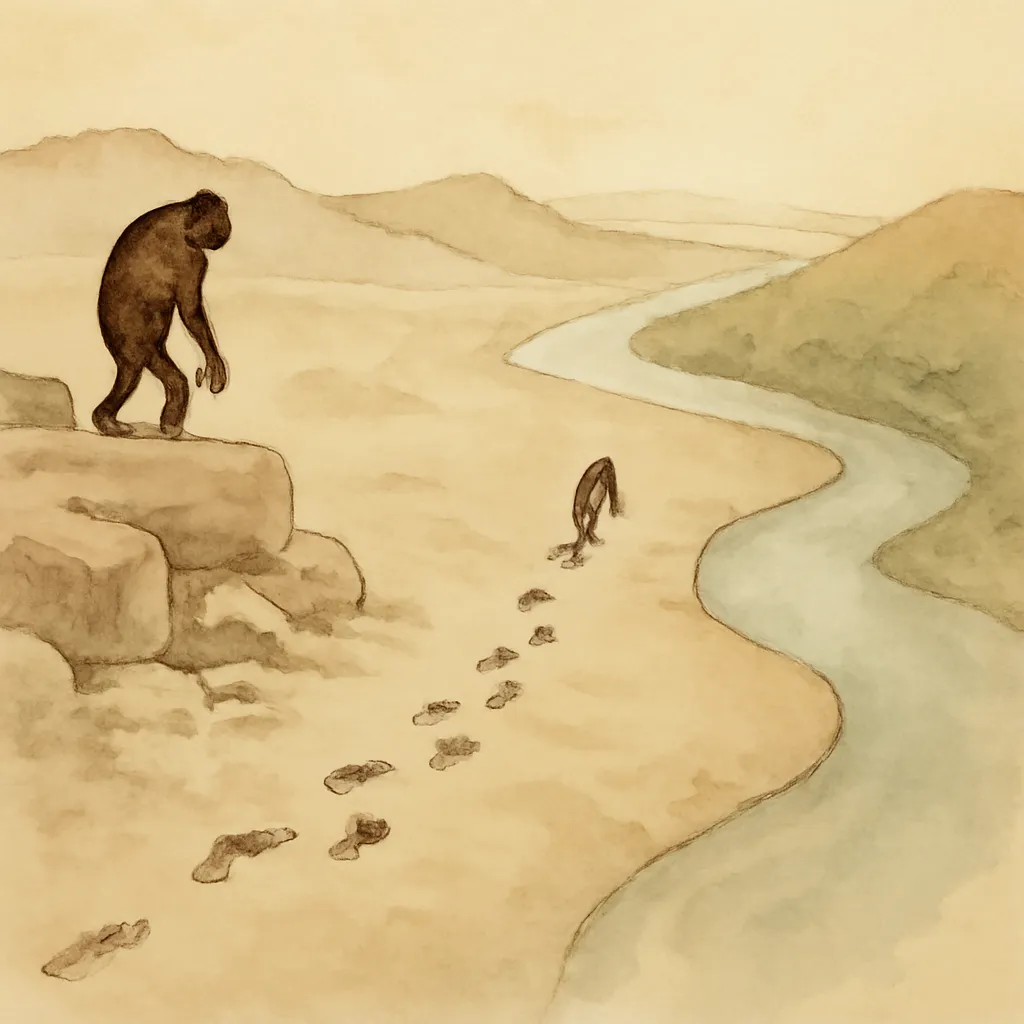
Unlike many books that focus on isolated discoveries, this work provides a full chronological history of Neanderthals—from their emergence in Europe, through their expansion into Asia, to their eventual disappearance. The authors weave together fossil evidence, climate data, and archaeological finds to tell a dynamic story of adaptation, migration, and survival over hundreds of thousands of years, placing Neanderthals in the broader context of human evolution.
3.Genetics and the Human Family Tree
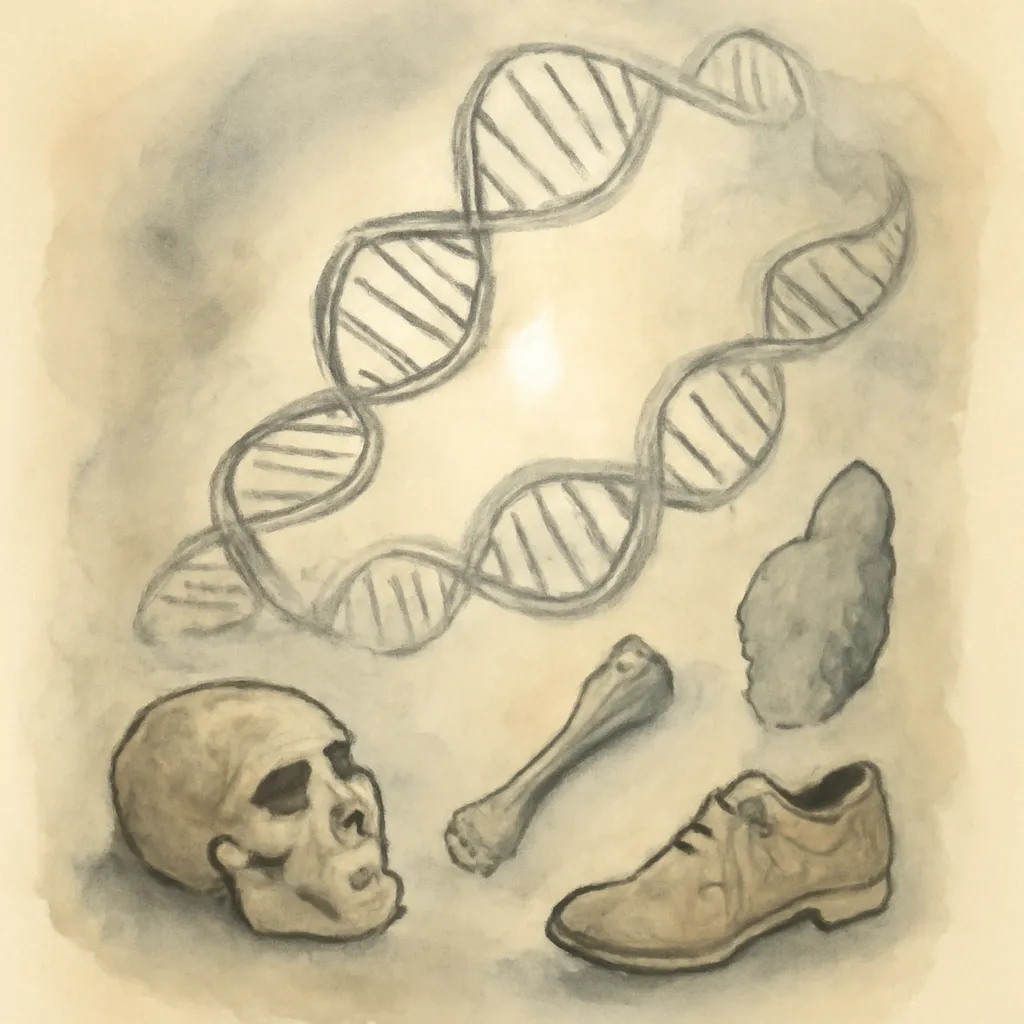
Advances in DNA analysis have revolutionized our understanding of Neanderthals. The book explains how genetic research proved that Neanderthals and modern humans interbred, leaving traces in the genomes of non-African populations today. This insight blurs the lines between 'them' and 'us,' suggesting that Neanderthals are not a failed branch, but part of our own ancestry.
4.Neanderthal Intelligence and Culture
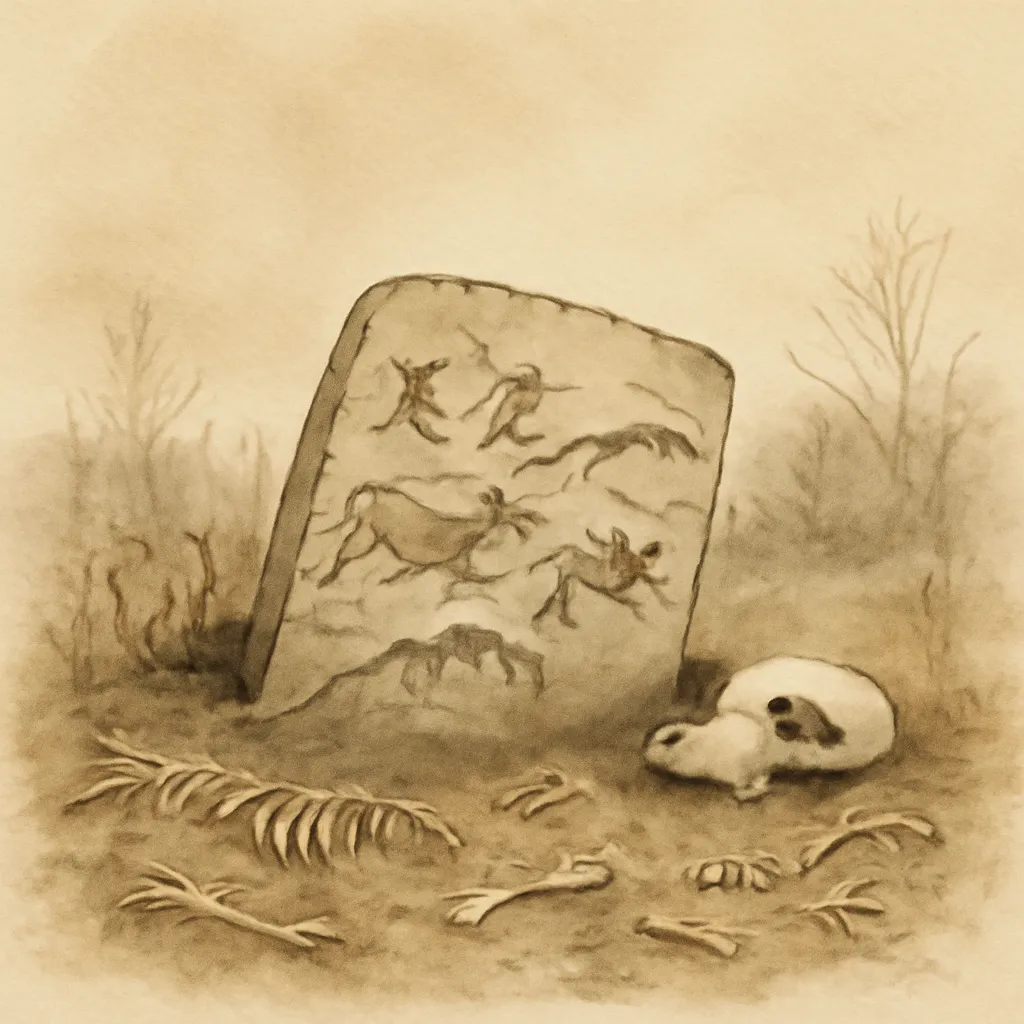
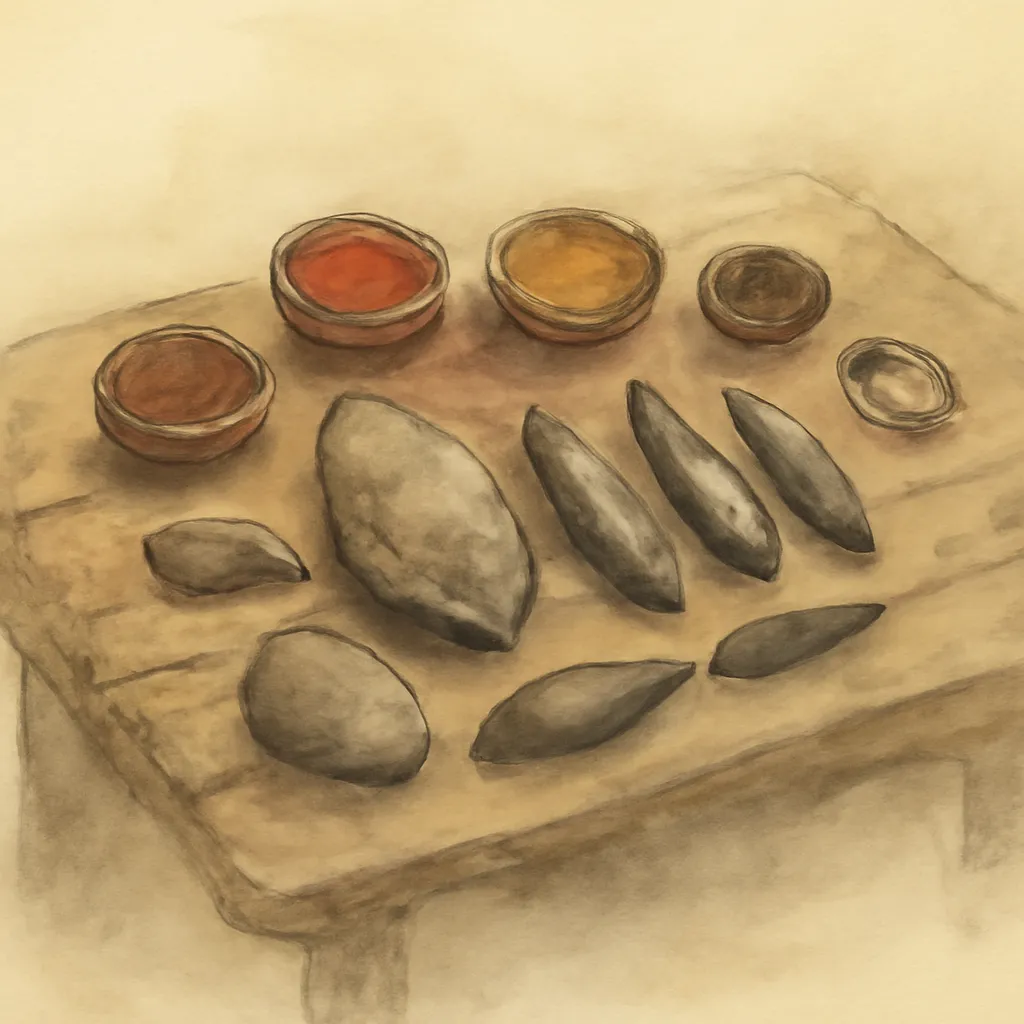
The authors highlight evidence of Neanderthal intelligence: complex tool-making, use of pigments, possible jewelry, and organized hunting. They discuss the debate over Neanderthal language and symbolic behavior, presenting a balanced view that recognizes both the similarities and subtle differences between Neanderthals and Homo sapiens. This challenges the notion that cultural sophistication is unique to our species.
5.The Mystery of Extinction
Papagianni and Morse explore the competing theories about why Neanderthals vanished: climate change, competition with Homo sapiens, and the possibility of assimilation through interbreeding. The book emphasizes that extinction was not inevitable, and that Neanderthals were resilient survivors facing a rapidly changing world. Their disappearance is presented as a complex, multifactorial process rather than a simple story of 'survival of the fittest.'
6.Neanderthals in Modern Imagination
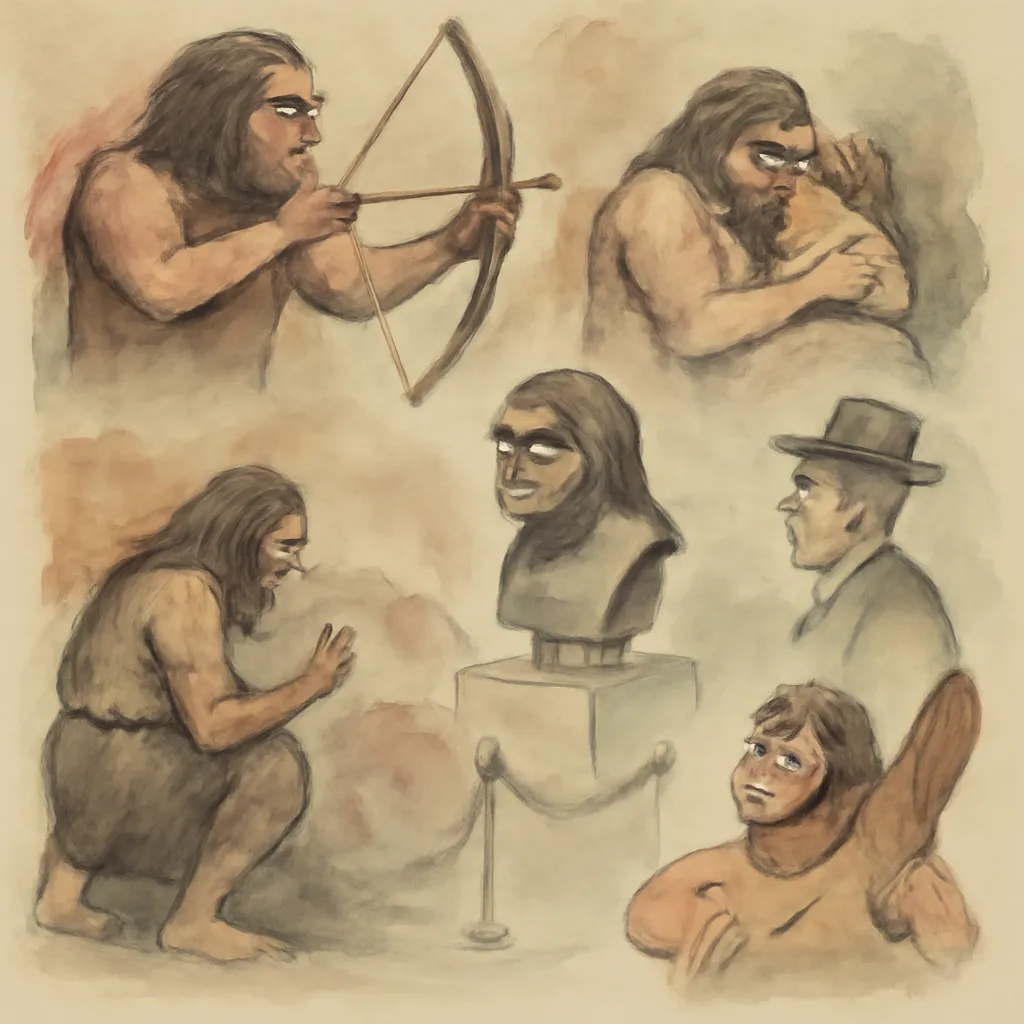
The final chapters examine how Neanderthals have been depicted in popular culture—from Victorian caricatures to modern fiction and film. The authors argue that these portrayals often reflect contemporary anxieties and prejudices, rather than scientific reality. By tracing this cultural history, the book reveals how our view of Neanderthals has evolved alongside our understanding of ourselves.