1.The Power of Imagination
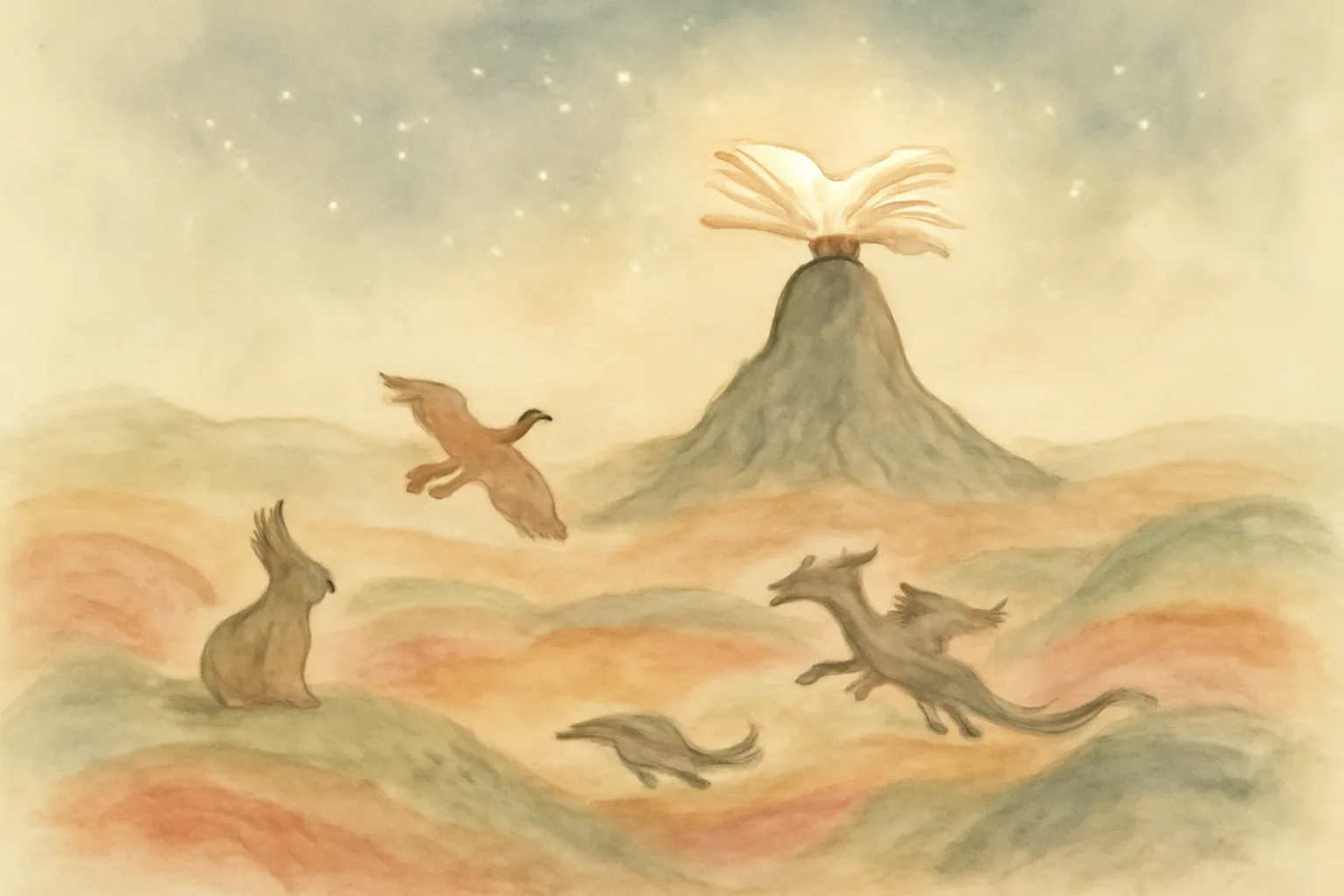
At its core, The Neverending Story celebrates the limitless possibilities of imagination. Phantásien, the magical realm at risk of vanishing, is literally created and sustained by human fantasies and dreams. As Bastian reads and later enters the story, the novel blurs the boundary between reader and narrative, suggesting that stories are alive only as long as we engage with them. This idea invites readers to recognize the creative potential within themselves and the importance of nurturing fantasy in a world that often dismisses it.
2.The Journey of Self-Discovery
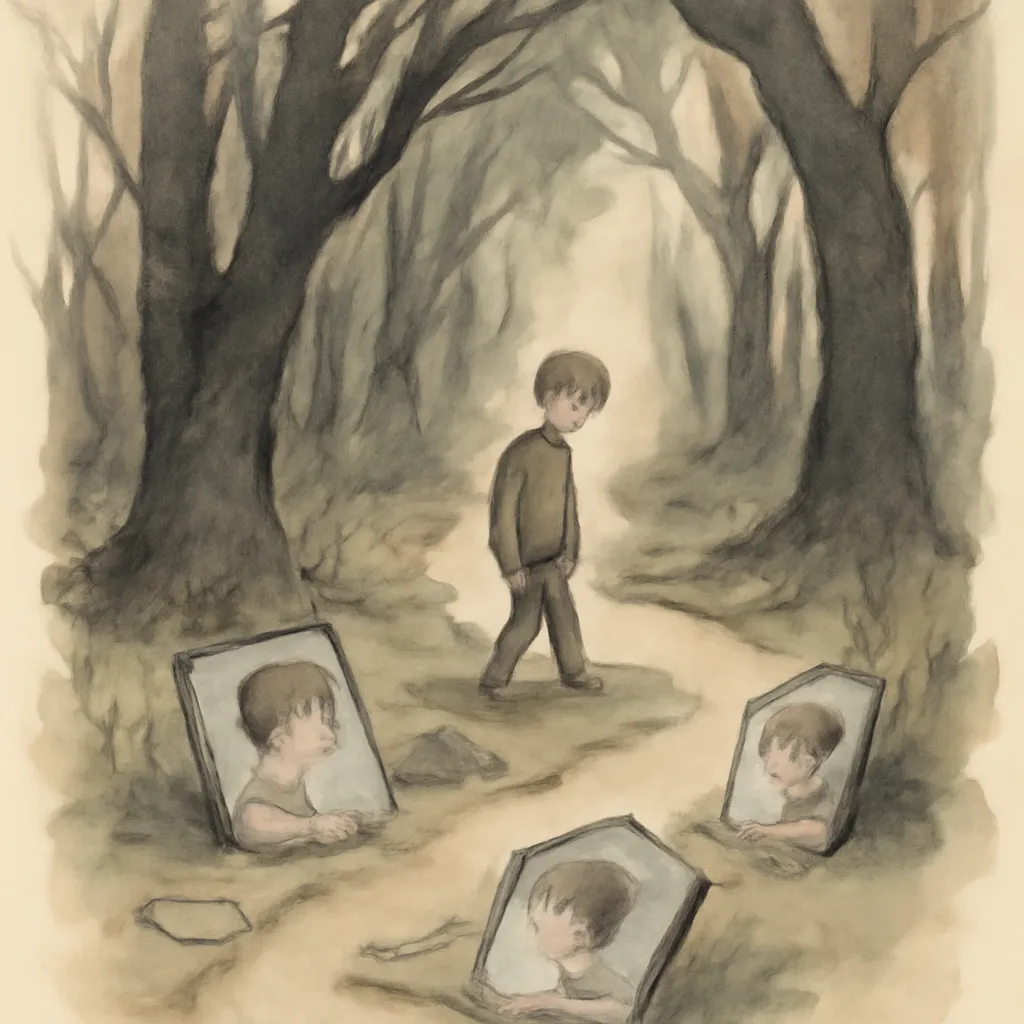
Bastian's adventure is not just about saving Phantásien; it's a metaphor for personal growth. Through his trials, mistakes, and triumphs, Bastian confronts his insecurities, desires, and ultimately his sense of self-worth. The book suggests that true courage lies in facing one's own fears and flaws, and that the greatest adventure is understanding who we are and what we truly want.
3.The Dangers of Escapism
While imagination is celebrated, Ende also warns against losing oneself in fantasy. Bastian's increasing power in Phantásien tempts him to forget his real life and responsibilities. The novel explores the seductive nature of escapism and the risk of abandoning reality for dreams. Ultimately, Bastian must learn to balance his longing for adventure with the need to return to his world, changed but grounded.
4.The Nature of Wishes and Desire
Wishes are central to Bastian's journey, each one shaping Phantásien but costing him a piece of his memories. This dynamic raises questions about the price of desire and the consequences of getting what we want. Ende suggests that unchecked wishes can lead to the loss of one's identity, and that wisdom lies in discerning which desires are worth pursuing.
5.The Interdependence of Worlds
The fate of Phantásien is intimately tied to the human world; as people lose their capacity for imagination, Phantásien shrinks and is threatened by 'The Nothing.' The novel reflects on how our inner worlds shape and are shaped by the stories we tell, emphasizing the responsibility we have to keep the spark of creativity alive, both for ourselves and for others.
6.The Meaning of 'Do What You Wish'
The enigmatic command 'Tu was du willst' ('Do what you wish') is revealed to be more than a license for selfishness. Through painful experience, Bastian learns that true will is not mere whim, but a deep understanding of one's authentic desires and the impact of one's actions. The book challenges readers to reflect on the difference between freedom and responsibility.